
Sauces & Condiments
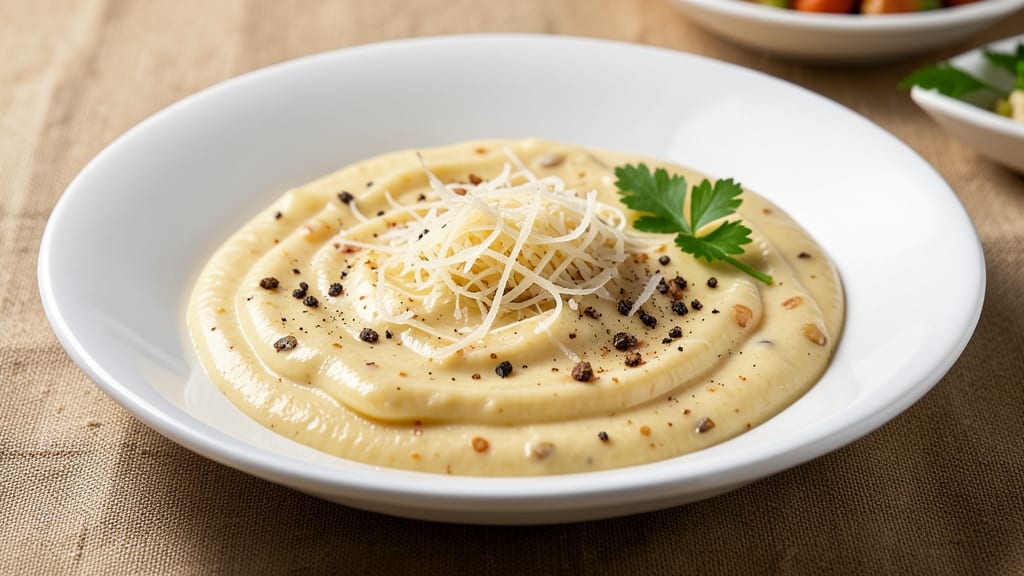
Mastering alfredo sauce starts with precise measurements that guarantee silky perfection every time. This recipe delivers a rich, velvety sauce with the ideal balance of buttery depth and creamy texture—no lumps or separation.
The secret lies in the ratios: equal parts butter and heavy cream combined with finely grated Parmesan, all gently simmered to create a velvety consistency that coats pasta effortlessly.
What sets this sauce apart is its foolproof technique, designed for both beginners and experienced cooks. The key ingredients—butter, heavy cream, and Parmesan—work together to create a sauce that's luxurious yet simple.
Garlic adds subtle aromatic depth without overpowering, while a touch of nutmeg enhances the classic Italian flavor profile. This version delivers restaurant-quality results with minimal effort, perfect for weeknight dinners or special occasions.
The result is a sauce so smooth and rich it transforms ordinary pasta into a gourmet experience. Each forkful delivers that signature creamy, cheesy flavor with a velvety finish that clings perfectly to fettuccine or chicken Parmesan.
The measurements are designed to scale easily—whether you're serving four or twelve, the ratios remain consistent for foolproof results every time.
Store leftovers in an airtight container in the refrigerator for up to 5 days, or freeze for longer storage. Reheat gently on the stove with a splash of milk or cream to restore its silky texture.
This sauce pairs beautifully with classic Italian dishes like fettuccine Alfredo, chicken Parmesan, or even as a creamy dip for breadsticks.
Ingredients for alfredo sauce recipe measurements
Eight essential ingredients combine to create velvety perfection with precise ratios.
| Ingredient | Amount | Notes |
|---|---|---|
| Unsalted Butter 🧈 | ½ cup | Cold, cubed for even melting |
| Heavy Cream 🥛 | ½ cup | Full-fat for maximum richness |
| Parmesan Cheese 🧀 | 1 cup | Freshly grated from block |
| Garlic Cloves 🧄 | 2 cloves | Minced for aromatic depth |
| Ground Nutmeg 🌿 | ¼ tsp | Freshly grated preferred |
| Diamond Crystal Kosher Salt 🧂 | ½ tsp | Adjusts final seasoning |
| Freshly Ground Black Pepper 🌶️ | ¼ tsp | Enhances overall flavor |
| Whole Milk 🥛 | ¼ cup | Optional for smoother texture |
The foundation of any exceptional alfredo lies in the butter and heavy cream ratio—equal parts ensures a balanced, luxurious texture without heaviness. European-style unsalted butter from Plugrá or Land O'Lakes delivers superior flavor, while heavy cream should be full-fat (36-40%) for optimal richness. Parmesan is non-negotiable—Parmigiano-Reggiano grated fresh from a block creates that signature cheesy depth. For the garlic, freshly minced cloves provide aromatic complexity that pre-minced can't match. Nutmeg should be freshly grated for maximum impact—pre-ground loses potency quickly.
No heavy cream? Full-fat coconut milk works in a pinch, though texture will differ slightly. Substituting Parmesan with Pecorino Romano adds a sharper bite. For a lighter version, reduce cream to 0.375 cup and add 0.125 cup whole milk instead. The salt measurement assumes unsalted butter—adjust to taste if using salted. For a dairy-free adaptation, vegan butter and coconut cream can replace traditional ingredients, though texture will be noticeably different. Always whisk the sauce continuously during simmering to prevent separation—this is the single most critical technique for achieving that signature velvety consistency.
Store finished sauce in an airtight container with a thin layer of plastic wrap pressed directly on the surface to prevent skin formation. Keeps 4-5 days refrigerated or up to 3 months frozen. For reheating, warm gently over low heat with a splash of milk or cream to restore silky texture. The sauce thickens as it cools, so thin with additional warm milk if needed. Portion into ice cube trays for convenient single-use servings—perfect for quick pasta dishes or as a creamy dip.
Why You'll Love This Recipe
- Five-Ingredient Magic: I swear by this combo—just butter, cream, cheese, garlic, and a pinch of nutmeg. That’s it. No fancy techniques, no hidden shortcuts, just pure, creamy satisfaction in minutes.
- Garlic-Kissed Richness: The moment that garlic hits the butter? Chef’s kiss. It’s not overpowering—just enough to make your pasta taste like a hug from a gourmet chef. The nutmeg? Tiny but mighty—it’s the secret that makes this sauce feel special.
- Pasta Party Ready: Slap this on fettuccine for date night, toss it with chicken for a quick weeknight dinner, or even drizzle it over roasted veggies. It’s the kind of sauce that turns anything into a showstopper without trying too hard.
- Leftovers That Lie: Between us—this sauce tastes better the next day. Honestly. The flavors meld, the cheese gets even more melty, and suddenly you’ve got a free lunch for tomorrow. Store it in the fridge, reheat gently, and pretend you’re a fancy restaurant.
Step-by-step instructions for silky Alfredo sauce
Precision matters when crafting this velvety sauce—follow these exact ratios for flawless results.
Melt Butter and Infuse Aromatics
In a medium saucepan, melt the 0.5 cup unsalted butter over medium-low heat. I use cold cubed butter to prevent scorching—it melts gradually and creates a smoother base. Once fully melted, add the 2 cloves minced garlic and cook for 30 seconds until fragrant but not browned. This quick infusion ensures the garlic's sweetness shines without bitterness.
Watch the pan closely—garlic burns faster than you'd expect. If it starts to darken, remove the pan from heat for 10 seconds to cool slightly before continuing. The butter should bubble gently but not foam excessively, indicating proper heat control for the next steps.
Incorporate Cream and Cheese
Reduce heat to low and slowly whisk in the 0.5 cup heavy cream. The sauce will begin to simmer immediately—let it cook for 2-3 minutes until it thickens slightly. Then, gradually add the 1 cup freshly grated Parmesan cheese, whisking constantly to prevent clumping. The cheese should melt completely, creating a smooth, emulsified texture.
This is where temperature precision matters most. If the mixture curdles, remove the pan from heat for 15-20 seconds to cool before whisking again. The sauce should coat the back of a spoon but remain pourable—this consistency ensures it clings perfectly to pasta without being gluey.
Season and Finish
Add the 0.25 cup whole milk, 0.5 tsp Diamond Crystal kosher salt, 0.25 tsp freshly ground black pepper, and 0.25 tsp ground nutmeg. Stir well and let the sauce simmer for 1-2 minutes until all flavors meld. The nutmeg adds warmth, while the pepper provides a subtle brightness that balances the richness.
Taste and adjust seasoning—Alfredo sauce should be creamy, rich, and well-seasoned without being overly salty. If needed, add a pinch more salt or a splash of milk to achieve the perfect consistency. Keep the sauce warm over low heat until ready to serve, stirring occasionally to prevent skin formation.
Perfect Timing for Pasta
Cook your pasta 1 minute less than package instructions suggest. Reserve 1 cup pasta water before draining—this starchy liquid is essential for adjusting the sauce's consistency. Toss the drained pasta with the sauce, adding pasta water 1 tablespoon at a time until it reaches a silky, clingy texture.
The sauce should coat each strand of pasta evenly, creating a luxurious finish. If it thickens too much while serving, simply whisk in a splash of warm milk or pasta water. The key to perfection lies in these precise measurements and gentle heat control throughout the process.
Pro Tips For Making Alfredo Sauce Recipe Measurements
- Melt Butter Slowly: Start with cold butter—cube it and let it melt gradually over medium-low heat. I used to dump in the whole stick at once, and the sauce would split like a bad romance. Give it 2-3 minutes per tablespoon, stirring constantly, or you’ll end up with scrambled butter instead of silky sauce.
- Grind Your Own Cheese: Skip the pre-shredded Parmesan—it’s coated with anti-caking agents that turn your sauce into gritty sludge. Use a microplane or fine grater for fresh, fine shavings. Trust me, your sauce will taste richer, and you’ll avoid that weird texture that ruins everything.
- Strain the Cream: After simmering, let the heavy cream sit for 5 minutes, then strain it through a fine-mesh sieve before adding it to the butter. This removes any cooked-on bits or potential curdling, giving you a smoother, cleaner base. I learned this after one disastrous batch where the sauce looked like it had been through a blender.
- Nutmeg Last, Lightly: Add ground nutmeg after the sauce is off heat, and use a pinch—less than ¼ teaspoon. Too much or adding it too early burns the flavor, making your sauce taste like Christmas spice instead of creamy, garlicky perfection. Sprinkle it in, taste, then adjust if needed.
Regional styles of these flavors
Classic Roman Style
In Rome, Alfredo sauce is traditionally lighter and less creamy than its American counterpart. Use 0.25 cup heavy cream instead of 0.5 cup and replace 0.25 cup whole milk with 0.25 cup pasta water for a thinner, more fluid consistency.
Add 1 tbsp extra virgin olive oil to the butter for a subtle fruity note. The Roman version relies on Pecorino Romano instead of Parmesan for a sharper, saltier bite. Serve immediately with tonnarelli pasta—thicker square-shaped noodles that hold the sauce beautifully. 🇮🇹
Northern Italian Creamy
Up north in regions like Lombardy, the sauce incorporates 0.125 cup dry white wine deglazed from the pan after cooking garlic. This adds brightness and complexity. Use 0.375 cup heavy cream and 0.375 cup whole milk> to create a velvety but not overly rich texture.
Add 0.5 tsp lemon zest> to cut through the richness. This version pairs perfectly with tagliatelle pasta> or as a creamy dip for browned butter grilled chicken>. The wine infusion creates a more sophisticated flavor profile that's still approachable for home cooks.
Southern Italian Rustic
In Southern Italy, especially Sicily, the sauce gets a rustic twist with 0.25 cup tomato passata> blended into the cream base. Use 0.4 cup heavy cream> and 0.1 cup whole milk> for a balanced consistency.
Add 1 tsp dried oregano> and 0.5 tsp red pepper flakes> for heat. This version works beautifully with orecchiette pasta> or as a sauce for grilled seafood>.
The tomato adds acidity that prevents the sauce from becoming too heavy, making it more suitable for warm climates where lighter dishes are preferred. 🌶️
Modern Fusion Twist
For a contemporary take, try a truffle-infused version> by adding 1 tbsp white truffle oil> at the end. Use the classic 0.5 cup butter and cream> ratio but replace 0.25 cup Parmesan> with 0.25 cup aged Gruyère> for a nutty depth.
Finish with 1 tsp fresh thyme leaves> for an aromatic touch. This elevated version pairs perfectly with wild mushroom risotto> or as a sauce for seared scallops>. The truffle oil adds a luxurious, earthy note that transforms this into a gourmet sauce. 🍄
Vegetarian-Friendly Adaptation
For a plant-based version, replace butter with 0.5 cup vegan butter> and use 0.5 cup full-fat coconut cream> instead of heavy cream. Substitute Parmesan with 0.5 cup nutritional yeast> for a cheesy flavor and add 1 tbsp lemon juice> to balance richness.
For extra creaminess, blend in 0.25 cup silken tofu> with the sauce. This version works well with gluten-free pasta> or as a dip for crudité vegetables>. While the texture differs slightly, it delivers a surprisingly rich and satisfying result. 🌱
Nutrition facts
Frequently asked questions
Can I make Alfredo sauce without heavy cream?
Yes, but the texture will differ. Replace the 0.5 cup heavy cream with 0.375 cup whole milk and 0.125 cup unsalted butter for a lighter version. For extra richness, use 0.25 cup Greek yogurt instead of cream—whisk it in at the end to maintain smoothness. The sauce will be less decadent but still creamy and flavorful.
Why did my Alfredo sauce turn grainy?
This usually happens when Parmesan isn't melted properly or the sauce cooks too quickly. Always whisk constantly over low heat and add cheese gradually. If it happens, remove from heat, whisk in 1 tablespoon cold water, then reheat gently. For prevention, use freshly grated Parmesan from a block and avoid pre-shredded varieties with anti-caking agents.
How do I adjust the measurements for a larger batch?
Double or triple the recipe while maintaining the exact ratios: 1:1 butter to cream and 2:1 cream mixture to Parmesan. For 8 servings, use 1 cup butter, 1 cup cream, and 2 cups Parmesan. Cook in a larger saucepan and keep stirring to prevent separation. The key is patience—rushing causes lumps in larger batches.
Can I make Alfredo sauce ahead of time?
Store it in an airtight container with plastic wrap pressed directly on the surface. Refrigerate for 4-5 days or freeze for 3 months. To reheat, warm over low heat with a splash of milk or cream to restore silky texture. The sauce thickens as it cools, so thin with warm milk if needed before serving.
What's the best pasta shape for Alfredo sauce?
Fettuccine is classic, but tagliatelle or pappardelle work beautifully too. For extra sauce cling, try tonnarelli (square-shaped). Avoid thick noodles like rigatoni—they can overwhelm the delicate sauce. Cook pasta 1 minute less than package instructions and reserve 1 cup pasta water to adjust consistency.