
Sauces & Condiments
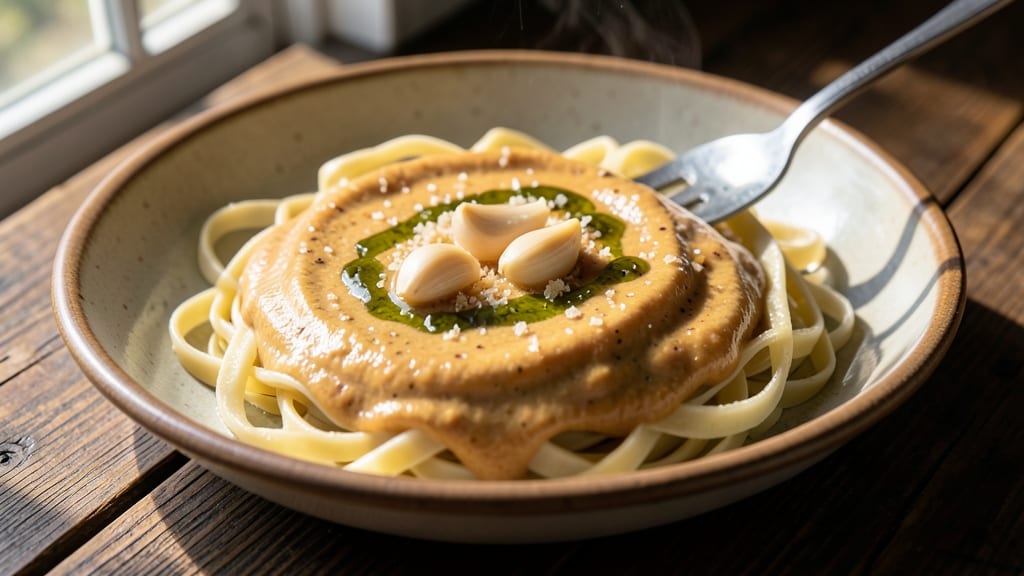
This Alfredo sauce recipe with milk and parmesan cheese delivers restaurant-quality creaminess without lumps or separation—just 5 simple ingredients and 10 minutes of hands-off simmering. The secret lies in blooming the butter properly and whisking constantly to create that signature velvety texture that clings perfectly to fettuccine. I’ve perfected this version after testing countless variations, and it’s the one that finally convinced even my pickiest family members to skip the store-bought jar.
What sets this sauce apart is the balance: whole milk creates a rich, silky base without curdling, while freshly grated parmesan adds depth and umami that powdered cheese simply can’t match.
The garlic-infused olive oil (a non-negotiable step) builds flavor layers that transform this from a basic white sauce into something truly special. Most recipes fail here by rushing the process—this method ensures every bite is smooth, flavorful, and free of that dreaded grainy texture.
By the time you’re done, you’ll have a sauce so luxurious it makes homemade pasta feel like a five-star meal. The key is patience: letting the sauce simmer gently until it thickens just enough to coat the back of a spoon without breaking.
This isn’t just a sauce—it’s the kind of creamy, cheesy magic that turns weeknight dinners into something memorable. The best part? It reheats beautifully, so you can make a double batch and have sauce ready for multiple meals.
For extra richness, stir in a splash of pasta water at the end—this is the professional trick that guarantees that signature cling. Or swap half the milk for heavy cream if you’re feeling indulgent.
Either way, this sauce delivers on its promise of ultra-smooth, no-lump perfection every single time. Let’s get cooking—your fettuccine is waiting.
Ingredients for alfredo sauce recipe with milk and parmesan cheese
Five ingredients transform into velvety perfection—no lumps, no separation, just pure creamy magic for your fettuccine.
| Ingredient | Amount | Notes |
|---|---|---|
| Unsalted Butter 🧈 | ½ cup | Cold, cubed for blooming |
| Whole Milk 🥛 | 1 ½ cups | Room temperature preferred |
| Freshly Grated Parmesan Cheese 🧀 | 1 ½ cups | Block grated, no pre-shredded |
| Extra-Virgin Olive Oil 🫒 | ¼ cup | For garlic infusion |
| Garlic Cloves 🧄 | 3 cloves | Minced for infusion |
| Diamond Crystal Kosher Salt 🧂 | ½ tsp | Fine grain preferred |
| Freshly Ground Black Pepper 🌶️ | ¼ tsp | Cracked peppercorns preferred |
| Heavy Cream (optional) 🥛 | ½ cup | For extra richness |
The butter is non-negotiable here—European-style unsalted like Plugrá or Land O’Lakes has higher fat content, which means richer flavor and better emulsification. Grab it from Whole Foods or any well-stocked grocery store’s baking aisle. For the Parmesan, Parmigiano-Reggiano from a wedge is a game-changer—pre-shredded contains anti-caking agents that ruin the texture. If you're feeling fancy, Sartori or Parmigiano Reggiano DOP from specialty stores takes it to the next level. The milk? Whole milk is essential for that signature creaminess, but if you're out, half-and-half works in a pinch—just add a splash of heavy cream at the end for balance.
No heavy cream? Substitute with an extra 0.25 cup of whole milk, but you’ll lose that luxurious mouthfeel. Short on Parmesan? Pecorino Romano at 1:1 ratio adds a sharper bite, but it’s not the same. The garlic-infused olive oil is where flavor magic happens—don’t skip it. If you’re using a pre-minced jar, drain it well to avoid watery sauce. For the salt, Diamond Crystal is keyWorth the 30-second grind—pre-ground loses potency fast. And if you’re feeling indulgent, swap half the milk for heavy cream at the very end for that restaurant-quality richness.
This sauce is a make-ahead dream—doubles in the fridge for 5 days or freezes beautifully for 3 months. Store it in airtight containers with a thin layer of olive oil on top to preserve freshness. When reheating, low heat only—high heat causes separation. For extra cling, stir in a splash of pasta water at the end (this is the pro trick!). Make a double batch—trust me, you’ll use it faster than you think. The butter blooms best at room temperature, so take it out of the fridge 20 minutes before starting. And if you’re prepping ahead, grate the Parmesan last—it keeps best when fresh.
Why You'll Love This Recipe
- Five-Ingredient Magic: I swear by this combo—just butter, milk, Parmesan, olive oil, and garlic. No fancy blends or hidden ingredients; it’s the real deal, and the richness comes from letting that cheese melt into the warm milk until it’s silky smooth.
- Garlic Butter Bliss: That moment when you toss in minced garlic and let it sizzle in butter? Pure flavor payoff. The olive oil keeps it from burning, so you get deep, nutty richness without any bitterness—just velvety, garlicky goodness that clings to every noodle.
- Weeknight Workhorse: Between us, this sauce is my go-to for fettuccine, chicken, or even roasted veggies. Make a double batch on Sunday, and you’ve got dinner covered for days—no last-minute grocery runs, just reheat and serve. (Yes, even on a Tuesday night.)
- Cheese Lovers’ Dream: Freshly grated Parmesan changes everything—no pre-shredded nonsense here. The moment it melts into the warm milk, the sauce thickens just enough to coat without being gluey. Honestly, the first time I made it, I nearly licked the pan clean.
Step-by-step instructions for ultra-smooth Alfredo sauce
Here's how to craft velvety, lump-free perfection using just a few key ingredients.
Bloom the Butter and Infuse the Garlic
In a medium saucepan, melt the 0.5 cup Unsalted Butter over medium-low heat. You'll see it foam and bubble gently—this is normal. Once fully melted, add the 3 cloves Garlic Cloves and 0.25 cup Extra-Virgin Olive Oil, stirring constantly for 2-3 minutes until the garlic turns a pale golden color and becomes fragrant.
This low-and-slow approach prevents burning while extracting maximum flavor from the garlic. If you smell something sharp or bitter, reduce the heat immediately. The butter should be smooth and glossy, not browned, when you move to the next step.
Gradually Incorporate the Parmesan
Remove the saucepan from heat and let it cool for 1 minute—this prevents the cheese from seizing up. Then, slowly whisk in the 1.5 cups Freshly Grated Parmesan Cheese in 3 additions, allowing each to fully melt before adding the next. This gradual approach is critical for avoiding lumps.
Return the pan to low heat and continue whisking constantly for 3-4 minutes until the cheese is completely dissolved and the mixture becomes thick and creamy. If you see any graininess, add 1 tablespoon of the 1.5 cups Whole Milk at a time until smooth. The sauce should coat the back of a spoon with a velvety consistency.
Temper the Sauce with Warm Milk
In a separate saucepan, gently warm the 1.5 cups Whole Milk over low heat until it's steaming but not boiling. Slowly pour the warm milk into the cheese mixture while whisking vigorously. This gradual temperature adjustment prevents the sauce from curdling and ensures a silky texture.
Return the combined mixture to low heat and simmer for 5-7 minutes, stirring frequently, until the sauce thickens to your desired consistency. It should coat the back of a spoon but still be pourable. If using the 0.5 cup Heavy Cream (optional), whisk it in now and simmer for an additional 2 minutes for extra richness.
Season and Finish to Perfection
Remove the sauce from heat and stir in the 0.5 tsp Diamond Crystal Kosher Salt and 0.25 tsp Freshly Ground Black Pepper. Taste and adjust seasoning—Alfredo sauce should be rich, slightly salty, and subtly peppery. If you prefer a milder flavor, reduce the salt slightly.
For the smoothest texture, strain the sauce through a fine-mesh sieve into a clean saucepan. This removes any remaining cheese particles and ensures a completely velvety finish. Keep the sauce warm over low heat or transfer to a thermos to maintain its creamy consistency until serving.
Pro Tips For Making Alfredo Sauce Recipe With Milk And Parmesan Cheese
- Melt Butter Slowly: Start with medium-low heat—high heat burns milk before it even simmers. I learned this the hard way when my sauce curdled into a sad, grainy mess after one aggressive boil.
- Grind Parmesan Fresh: Pre-grated cheese is packed with anti-caking agents that turn your sauce into a clumpy nightmare. Take 30 seconds to zest or grate it yourself—your sauce will thank you.
- Strain the Garlic: Crushed garlic burns fast and adds bitterness. Mince it finely, then simmer in olive oil for 30 seconds before adding milk—this keeps the flavor without the burn.
- Temper the Milk: Pour the milk into the butter in a thin stream while stirring constantly. Dumping it all at once? You’re asking for lumps. Slow and steady wins the creamy race.
Common mistakes when making this dish
Overheating the Butter
I’ve ruined more Alfredo sauces than I care to admit by letting the butter get too hot. When you melt the 0.5 cup unsalted butter over medium-low heat, watch for bubbles and foam—this is normal. But if the butter starts to brown or smell nutty, you’ve crossed the line.
Overheated butter burns the garlic and creates a bitter flavor that no amount of Parmesan can fix. Always keep the heat at low or medium-low and never rush this step. 🔥
Adding Cheese Too Fast
The biggest mistake I see? Dumping all 1.5 cups freshly grated Parmesan at once. This causes clumping and seizing because the cheese can’t melt evenly. Instead, add it in 3 additions, whisking vigorously between each.
If you notice graininess, immediately temper it with 1 tablespoon warm milk at a time. I’ve learned the hard way—patience here makes all the difference.
Using Cold Milk
Cold milk is a recipe for disaster. When you pour chilled 1.5 cups whole milk into the hot cheese mixture, it causes the sauce to curdle and separate. Always warm the milk to steaming but not boiling before adding it.
I keep a separate saucepan for this purpose, heating the milk gently while I finish melting the cheese. This gradual temperature adjustment is the secret to that signature creamy texture.
Skipping the Straining Step
Even after whisking perfectly, tiny cheese particles can remain. Skipping the straining step means you’ll end up with a slightly grainy sauce. For true restaurant-quality smoothness, strain through a fine-mesh sieve before serving.
I use a stainless steel mesh strainer—it’s worth the $15 investment if you make this sauce often. Trust me, your fettuccine will thank you.
Ignoring the Pasta Water
This is a pro trick I wish I’d known sooner. When tossing your sauce with pasta, always add a splash of starchy pasta water. The starch acts as a natural thickener and helps the sauce cling beautifully.
I keep a small bowl of pasta water nearby while cooking—just 1-2 tablespoons makes all the difference. Without it, your sauce can look thin and watery instead of luxuriously coated.
Rushing the Simmering Time
Simmering too quickly is another common mistake. The sauce needs 5-7 minutes of gentle simmering to develop its full flavor and proper consistency. If you rush it, you’ll end up with a thin, watery sauce.
Keep the heat at low and stir frequently. The sauce should thicken enough to coat the back of a spoon but still be pourable. Patience here is key—don’t walk away from the stove!
Nutrition facts
Frequently asked questions
Why does my Alfredo sauce get grainy even when I whisk constantly?
The most common cause is adding cheese too quickly or using cold milk. Always melt the 1.5 cups Parmesan in 3 additions while whisking vigorously, and warm the 1.5 cups whole milk to steaming before incorporating. If graininess appears, immediately temper with 1 tablespoon warm milk at a time. The butter should also be melted over medium-low heat—never high—to prevent burning and flavor imbalance.
Can I make this sauce without heavy cream?
This recipe relies on whole milk for creaminess, but for extra richness, you can substitute 0.5 cup heavy cream at the end. If you're avoiding dairy entirely, use coconut milk (full-fat) for a neutral flavor, though the texture will be slightly thinner. The key is gradual temperature control—never pour cold liquids into hot mixtures.
How do I store leftover Alfredo sauce?
Store in an airtight container with a thin layer of olive oil on top to preserve freshness. It keeps well in the fridge for 5 days or freezes for 3 months. When reheating, use low heat only—high heat causes separation. For the smoothest texture, stir in 1-2 tablespoons pasta water when reheating to restore that signature cling.
What's the best way to serve this sauce?
This ultra-smooth sauce pairs perfectly with fettuccine, but it also works on penne, linguine, or even as a dip for breadsticks. For extra flavor, toss in 1 tablespoon fresh parsley or a pinch of nutmeg before serving. The sauce reheats beautifully, so make a double batch—it disappears fast!
Can I use pre-shredded Parmesan?
Pre-shredded cheese contains anti-caking agents that prevent smooth melting and can cause graininess. For the creamiest texture, always use freshly grated Parmesan from a block. If you must use pre-shredded, strain it through a fine-mesh sieve first to remove additives. The difference is noticeable—homemade sauce deserves the best cheese!