
Sauces & Condiments
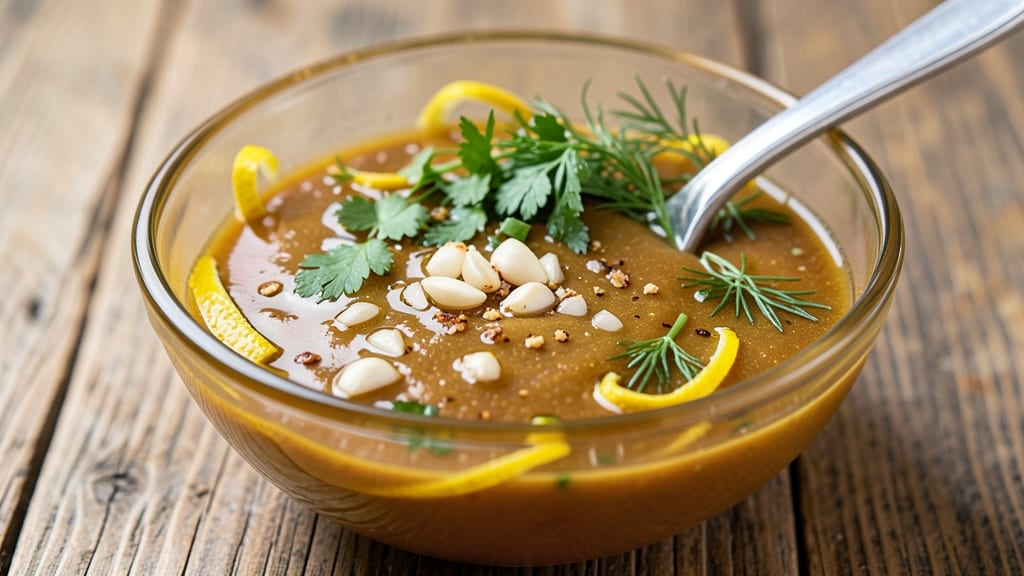
This all day sauce recipe transforms simple pantry staples into a versatile, crowd-pleasing condiment that works as a dip, marinade, or finishing touch. 💛 The secret lies in balancing tangy vinegar, rich olive oil, and aromatic herbs to create a sauce that stays fresh for days—perfect for busy weeknights or meal prep.
What sets this sauce apart is its adaptability. Whether you're drizzling it over grilled vegetables, using it as a marinade for chicken, or serving it with chips and veggies, the flavors remain bold yet balanced.
The recipe uses just 7 ingredients and takes 10 minutes to prepare, making it ideal for home cooks who want restaurant-quality results without the fuss.
Once you taste this sauce, you’ll never reach for store-bought again. The combination of garlic, lemon, and fresh herbs creates a bright, herbaceous profile that enhances everything it touches. It’s the kind of versatile condiment that belongs in your fridge at all times—ready to elevate any meal in minutes.
Best of all, it keeps well for up to 10 days in the refrigerator, so you can make a big batch and use it all week. Let’s get started—your taste buds will thank you.
Ingredients for all day sauce
Seven simple ingredients transform into a bold, adaptable sauce that works everywhere.
| Ingredient | Amount | Notes |
|---|---|---|
| Extra-Virgin Olive Oil 🫒 | ¾ cup | High-quality, fruity variety preferred |
| White Wine Vinegar 🍷 | ½ cup | Dry, crisp vinegar recommended |
| Fresh Garlic Cloves 🧄 | 6 cloves | Peeled and finely minced |
| Fresh Lemon Juice 🍋 | ¼ cup | Freshly squeezed from 1 lemon |
| Fresh Dill 🌿 | ½ cup | Chopped, stems removed |
| Fresh Parsley 🌿 | ¼ cup | Chopped, flat-leaf preferred |
| Kosher Salt 🧂 | 1 ½ tsp | Diamond Crystal preferred |
The olive oil is the foundation—look for extra-virgin with a fruity, peppery kick. Trader Joe's or Whole Foods have great options, but any good-quality oil will work. Fresh garlic and lemon are non-negotiable here; the bright, zesty balance is what makes this sauce shine. I always grab a head of garlic and a lemon when I make this—they keep for weeks anyway. For the herbs, fresh is ideal, but if you're in a pinch, dried dill and parsley at half the amount will do (though texture suffers).
No fresh dill? Substitute with 1 tbsp dried dill plus 1 tbsp dried thyme—it’s not identical, but close. Running low on lemon juice? White wine vinegar at double the amount works in a bind, though the flavor shifts slightly. Want extra richness? Add 1 tbsp of tahini or cashew butter for a nutty depth. The vinegar should be dry and crisp—avoid balsamic or apple cider unless you want a sweeter profile. For a spicy kick, add a pinch of red pepper flakes or a dash of hot sauce.
This sauce keeps beautifully—up to 10 days in the fridge if stored in an airtight jar. The flavors actually deepen over time, so don’t hesitate to make a big batch. For longer storage, freeze portions in ice cube trays—thaw quickly in the fridge and stir before using. I always keep a jar in my fridge for drizzling over roasted veggies, tossing with grains, or serving with grilled meats. The herbs will settle, so give it a good stir before each use.
Why You'll Love This Recipe
- Here’s what sold me: this sauce works just as hard on a Tuesday as it does at a summer barbecue. Drizzle it over roasted veggies for a quick weeknight dinner, toss it with fresh mozzarella and tomatoes for a no-fuss appetizer, or pack it in a jar for a picnic. I’ve even used it to revive sad takeout leftovers—yes, even on a Tuesday night.
- No-Chop, No-Sweat: I swear by this sauce because it’s the kind of recipe that lets you multitask—literally. The garlic gets minced while you pour the wine vinegar, the dill chops itself as you squeeze the lemon, and the olive oil ties it all together without a single pan to scrub afterward. Honestly, I’ve made it with my oven mitts on and still had time to set the table.
- Bright & Tangy Magic: That first bite? It’s like sunshine in a jar. The white wine vinegar cuts through the richness of the olive oil, while the garlic and lemon juice add this sharp, fresh punch. Between us, I’ve used it on everything from grilled fish to cold pasta salads, and it never fails to make whatever you’re eating taste alive—not just dressed up.
- Weeknight to Weekend: Here’s what sold me: this sauce works just as hard on a Tuesday as it does at a summer barbecue. Drizzle it over roasted veggies for a quick weeknight dinner, toss it with fresh mozzarella and tomatoes for a no-fuss appetizer, or pack it in a jar for a picnic. I’ve even used it to revive sad takeout leftovers—yes, even on a Tuesday night.
Step-by-step instructions for all day sauce recipe
Here's how to blend bright, herbaceous flavors into a dip that works with everything.
🍳 Step 1: Whisk Olive Oil and Vinegar Together
In a medium bowl, combine the 0.75 cup extra-virgin olive oil and 0.5 cup white wine vinegar. Whisk vigorously for 30 seconds until the mixture begins to emulsify slightly. You'll see tiny droplets of oil dispersing into the vinegar—this is the foundation of the sauce's silky texture.
Here's the thing—I like to use a fork first to break up the oil, then switch to a whisk for that extra emulsification. The key is to work the mixture until it looks almost homogeneous, but don't overdo it or you'll end up with mayonnaise. The sauce should still have a slightly marbled appearance at this stage.
👨🍳 Step 2: Add Garlic and Lemon Juice
Next, add the 6 minced fresh garlic cloves and 0.25 cup fresh lemon juice to the bowl. Using a whisk or fork, stir until the garlic is completely incorporated and the mixture is uniform. The lemon juice will brighten the flavors and help balance the richness of the olive oil.
This is where the magic starts happening. The acidity from the lemon and vinegar will begin to react with the garlic, creating complex, aromatic compounds. Taste the mixture now—it should be tangy, garlicky, and slightly sharp. If it's too acidic, we'll adjust it later with herbs, but don't worry if it tastes strong now.
🥘 Step 3: Fold in Fresh Herbs and Salt
Gently stir in the 0.5 cup chopped fresh dill and 0.25 cup chopped fresh parsley using a wooden spoon. Unlike whisking, we want to fold these herbs in just enough to distribute them evenly without bruising them. The dill should dominate slightly, but the parsley adds a fresh, clean finish.
Now add the 1.5 tsp kosher salt and mix thoroughly. Taste again and adjust the seasoning if needed. You might want to add a pinch more salt or a splash of water if the sauce feels too thick. The perfect all day sauce should coat the back of a spoon but still flow freely. Here's the moment that matters: the herbs should be visible but evenly dispersed throughout.
⏰ Step 4: Let It Rest and Develop
Cover the bowl and let the sauce rest at room temperature for 15-20 minutes. This resting period allows all the flavors to meld together and the herbs to release their oils. The sauce will actually improve as it sits—don't skip this step, even if you're eager to use it.
I know it seems counterintuitive to wait, but trust me. The flavors will deepen and become more harmonious. After resting, give it one final taste. The acidity should be balanced by the richness of the olive oil, the garlic should be aromatic but not overpowering, and the herbs should add a fresh, vibrant finish. This versatile dip is now ready to elevate everything from grilled meats to fresh vegetables.
Pro Tips For Making All Day Sauce
- MINCE THAT GARLIC: I learned this the hard way—crushing garlic cloves with the flat side of your knife leaves behind bitter, uneven bits that ruin the sauce’s smoothness. Instead, finely mince it into a paste with the edge of your knife (yes, it takes 30 seconds longer, but the flavor is worth it).
- SWEAT THE GARLIC LOW: Skip the sizzle. Cook the minced garlic in olive oil over low heat—just until it smells fragrant, not golden. High heat burns it fast, turning your bright sauce bitter. Patience here means no regrets later.
- BALANCE THE VINEGAR: White wine vinegar is sharp, and if you don’t temper it, the sauce will taste like a punch to the face. Add the lemon juice first, then vinegar, tasting as you go. Start with half the vinegar called for—you can always add more, but you can’t undo the sting.
- STRAIN THE DILL RIGHT: Fresh dill stems are tough and make the sauce gritty. Bundle the stems together, tap them on the counter to dislodge debris, then give them a quick rinse. Chop just the leaves—your sauce will be silky, not sandy. (I know, I know, but trust the process.)
Make-ahead tips for this all day sauce
Batch Prep Strategy
Make a double batch of this sauce—it’s the perfect meal prep project. Combine all ingredients in a large glass jar (I use 24-ounce Ball jars) and store it in the fridge. The extra sauce will last up to 10 days, giving you a flavorful shortcut for busy nights.
Double-check the measurements: 1.5 cups olive oil, 1 cup vinegar, 12 garlic cloves, and 1 cup herbs for a full batch. 💛
Storage Containers
Use airtight glass containers to preserve freshness and prevent flavor transfer. Mason jars are ideal—they’re stackable and easy to grab. For longer storage, divide the sauce into smaller portions (like 4-ounce jars) so you can thaw only what you need.
If you’re freezing, use ice cube trays—just pop out a cube whenever you need a quick boost for a dish. 🥫
Freezing Tips
Freeze the sauce in 1-tablespoon portions for easy use in marinades or dressings. Thaw in the fridge overnight, then stir before using. The texture may slightly separate after freezing, but a quick whisk restores it.
For best results, freeze only the base mixture (oil, vinegar, garlic, lemon) without herbs—they’ll lose texture. Add fresh herbs when you’re ready to use it. ❄️
Flavor Preservation
The herbs are the heart of this sauce, so handle them gently. When storing, keep the jar filled to the top to minimize air exposure. If the sauce separates after refrigeration, simply whisk or shake before using—it’s completely normal.
For extra freshness, add a pinch of salt and 1 tsp olive oil when reheating or reusing. The flavors actually improve over time, so don’t hesitate to make a big batch. 🌿
Portioning for Meals
Divide the sauce into small containers (like 4-ounce jars) for easy grab-and-go use. Label them with the date and intended use—whether it’s for dipping, marinating, or drizzling. A single jar keeps well for 5-7 days, so you’ll always have a flavorful backup.
I keep one in my fridge for quick grilled veggie dips and another for marinating chicken. 🍗
Reheating Safely
This sauce doesn’t need reheating—just stir and serve! If you’ve frozen it, thaw in the fridge overnight. For a quick fix, place the jar in a bowl of warm water for 5-10 minutes to soften the texture.
Avoid microwaving, as it can break down the herbs and alter the flavor. Always taste and adjust seasoning before using—sometimes a pinch of salt or a squeeze of lemon brings it back to perfection. 🔥
Nutrition facts
Frequently asked questions
Can I make this sauce without fresh herbs?
Yes, but the texture and flavor will differ slightly. Use 1 tablespoon dried dill and 1 tablespoon dried parsley instead of fresh, but reduce the amount by half since dried herbs are more concentrated. For extra depth, add ½ teaspoon dried oregano or ½ teaspoon dried thyme to mimic the fresh herb complexity. The sauce will still taste great, though it won’t have the same bright, vibrant finish.
How can I adjust the sauce for a spicier kick?
Add ½ teaspoon of red pepper flakes or 1 teaspoon of hot sauce (like Sriracha or Tabasco) while whisking the oil and vinegar. For a smoky twist, stir in ½ teaspoon smoked paprika or a pinch of cayenne pepper. If you prefer heat without spice, try 1 teaspoon of fresh chili flakes or a finely minced jalapeño (remove seeds for milder heat). Always taste first—you can add more, but you can’t take it out!
What are the best ways to use this sauce beyond dipping?
This sauce is incredibly versatile! Use it as a marinade for chicken, fish, or tofu (30-60 minutes max to avoid over-marinating). Drizzle it over grilled vegetables, roasted potatoes, or pasta dishes for instant flavor. Toss it with salads or grain bowls for a bright, herby finish. Even a spoonful stirred into mayonnaise makes a fantastic sandwich spread. The possibilities are endless!
Why did my sauce separate after refrigerating?
This is completely normal—vinegar-based sauces often separate when chilled. Simply whisk or shake the jar vigorously before using to re-emulsify. The flavors won’t be affected, and the texture will return to its original consistency. To prevent separation, store the sauce in a fully sealed jar and avoid adding extra liquid. If it happens again, try adding 1 teaspoon of olive oil or a pinch of salt to help stabilize it.
Can I make this sauce with different vinegars?
While white wine vinegar works best for a classic flavor, you can experiment with apple cider vinegar (for a sweeter, fruitier taste) or balsamic vinegar (for a richer, slightly sweet profile). For a tangier kick, try rice vinegar. Just remember that different vinegars will change the sauce’s balance—taste and adjust the salt or lemon juice as needed. Avoid highly flavored vinegars like malt vinegar, as they can overpower the herbs.