
Sauces & Condiments
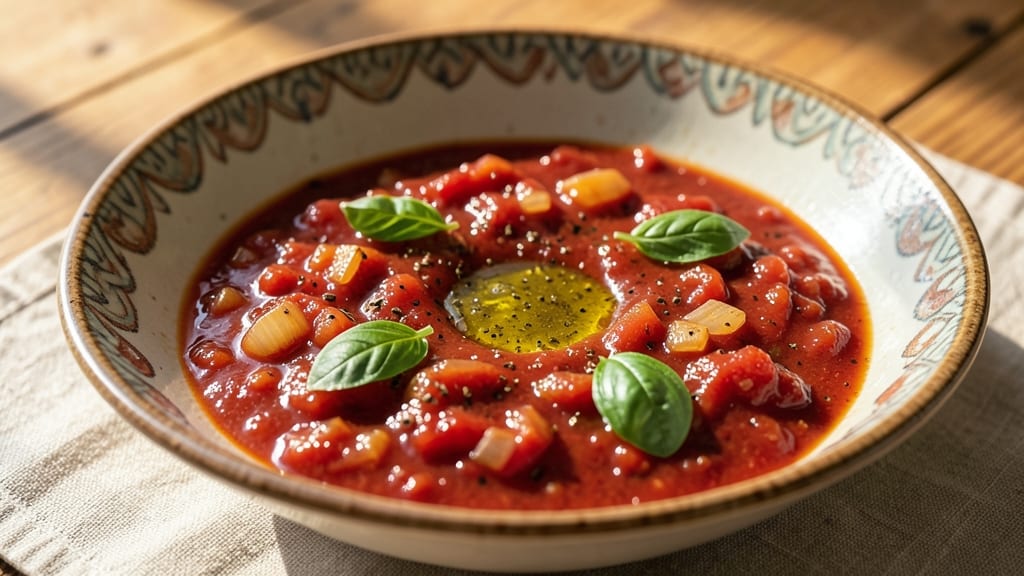
This all-natural spaghetti sauce delivers restaurant-quality depth with just a few whole-food ingredients and 3 hours of hands-off simmering. The secret lies in slow-cooking fresh tomatoes, aromatic vegetables, and herbs until their flavors meld into a rich, umami-packed sauce that clings perfectly to pasta.
I developed this recipe after years of testing—no artificial additives, no shortcuts, just pure, concentrated tomato flavor with layers of garlic, onion, and fresh basil that build over time.
The beauty of this sauce is its simplicity: no fancy techniques, just a Dutch oven and patience. You'll start with fresh garlic and onions for foundational flavor, then add crushed tomatoes, herbs, and optional protein (like ground beef or anchovies) for depth.
The sauce thickens naturally as it simmers, developing a glossy texture that coats every noodle. What you end up with is a vibrant, aromatic sauce that's versatile enough for pasta nights or as a marinade for meats.
What sets this sauce apart is the balance of acidity and sweetness—fresh tomatoes provide brightness, while slow cooking caramelizes their natural sugars. The fresh herbs (basil, oregano) add bright, aromatic notes that cut through the richness.
This isn't just a sauce; it's a flavor foundation that transforms simple meals into something special. The best part? It tastes even better the next day, making it perfect for meal prep.
Whether you're serving it over spaghetti, using it as a pizza topping, or pairing it with grilled chicken, this sauce delivers consistent, professional results. The recipe scales easily, so you can make a big batch and freeze portions for future use.
Ready to elevate your weeknight dinners with a sauce that tastes homemade? Let's get started.
Ingredients for all natural spaghetti sauce
Fresh tomatoes, aromatic herbs, and slow-simmered depth create this restaurant-quality sauce.
| Ingredient | Amount | Notes |
|---|---|---|
| Fresh Garlic Cloves 🧄 | 6 cloves | Mince finely for aromatic depth |
| Yellow Onion 🧅 | 1 whole | Diced into small, even pieces |
| Fresh Tomatoes 🍅 | 2 lbs | Crushed by hand for texture |
| Extra-Virgin Olive Oil 🫒 | ½ cup | High quality for richness |
| Dried Oregano 🌿 | 1 tbsp | Mexican oregano preferred |
| Fresh Basil Leaves 🌿 | ½ cup | Chopped, stems removed |
| Red Wine 🍷 | ½ cup | Dry, bold variety like Cabernet |
| Tomato Paste 🍅 | 2 tbsp | Squeeze tube preferred |
| Sea Salt 🧂 | 1 ½ tsp | Diamond Crystal preferred |
| Black Pepper 🌶️ | ½ tsp | Freshly cracked preferred |
| Ground Black Peppercorns 🌶️ | ¼ tsp | For finishing |
| Optional Ground Beef 🥩 | 1 lb | 80/20 fat ratio preferred |
The tomatoes are the heart of this sauce—San Marzano if you can find them, but any ripe, flavorful variety works. I always grab mine from Trader Joe's when they're in season, but the regular grocery store produce section has good options too. Look for tomatoes that are firm but yield slightly to pressure—those are the ones packed with flavor. The garlic and onion are non-negotiable here; they form the aromatic base that carries through the entire cooking process. Fresh basil is worth the extra cost—it adds that bright, aromatic finish that separates homemade from store-bought. And if you're using ground beef, chuck roast works best—it stays juicy while cooking.
No fresh basil? Dried oregano at half the amount gets you close, though it won't have that same bright punch. Running low on tomatoes? Canned San Marzano tomatoes work perfectly—just crush them by hand for that same rustic texture. No red wine? Substitute beef broth with a splash of balsamic vinegar. The tomato paste is your thickening agent, but if you're worried about it being too concentrated, Trader Joe's squeeze tubes make this easy—no waste, and they keep for months in the pantry. For the optional beef, ground turkey or lentils work as protein alternatives, though the fat from beef adds incredible depth to the sauce.
This sauce tastes even better the next day as the flavors meld together. Store it in airtight containers in the fridge for up to 5 days, or freeze portions for 3 months. I always make a double batch—one for immediate use and one to freeze. The sauce thickens as it cools, so if it seems too thick after chilling, just add a splash of water or broth when reheating. And if you're prepping for a crowd, this recipe scales beautifully—just double or triple the ingredients while maintaining the same ratios.
Why You'll Love This Recipe
- No-Chop Nightmare: I swear by this sauce because it only asks for two things from you: dice an onion and crush some garlic. That’s it. The tomatoes? Just toss in the whole can (or fresh if you’re feeling fancy) and let the olive oil do the work—no blender, no straining, just pure, unapologetic flavor.
- Garlic Bomb Depth: Between us, that first hit of raw garlic in olive oil? It’s the secret weapon. But here’s the magic: it mellows into this warm, layered richness that clings to every strand of pasta. The oregano ties it all together like a hug from your nonna—simple, but you’ll taste it in every bite.
- Weeknight to Party Upgrade: This sauce is the chameleon of meals. Toss it with spaghetti for a 20-minute dinner, ladle it over grilled chicken for a crowd, or freeze half for when you’re too tired to cook. Honestly, I’ve served it at BBQs, potlucks, and lazy Sundays—and no one’s ever asked what’s in it.
- Pantry Goldmine: A single batch stretches across three meals for my family of four. The olive oil keeps it rich without breaking the bank, and the tomatoes? You can use fresh or canned—no judgment. I’ll be real, the first time I made it, I had enough leftovers to feed my neighbor’s dog (who politely declined). Now it’s my go-to for stretching groceries without sacrificing taste.
Step-by-step instructions for all natural spaghetti sauce
Here's how to build a rich, slow-simmered sauce where fresh herbs and bold flavors shine.
Build the Flavor Base with Aromatics
Heat the 0.5 cup extra-virgin olive oil in a large, heavy-bottomed pot over medium heat. Add the 1 whole yellow onion and 6 cloves fresh garlic cloves, stirring occasionally for 5-7 minutes until the onion softens and becomes translucent. You'll notice the garlic releases its pungent aroma—this is your signal to move quickly before it burns.
I like to press down gently on the garlic with a wooden spoon to help it release its oils evenly. If the onions start to brown too quickly, reduce the heat slightly. The goal is to develop a sweet, caramelized base that will carry through the entire sauce. This foundational step makes all the difference in creating depth of flavor.
Develop the Sauce with Tomatoes and Wine
Add the 2 lbs fresh tomatoes (crushed by hand) and 2 tbsp tomato paste, stirring well to combine. Let the mixture simmer uncovered for 10 minutes until the raw tomato flavor mellows and the sauce begins to thicken slightly. This initial simmer helps break down the tomatoes' acidity and build a smoother base.
Next, pour in the 0.5 cup red wine and scrape up any browned bits from the bottom of the pot with a wooden spoon. These bits, called fond, are packed with flavor that will infuse into your sauce. Let the wine simmer for 3-4 minutes until it reduces by about half. You'll smell the alcohol cooking off, leaving behind concentrated wine flavor.
Season and Simmer for Umami Depth
Add the 1 lb optional ground beef (if using), breaking it up with a wooden spoon as it cooks. Stir in the 1 tbsp dried oregano, 1.5 tsp sea salt, and 0.5 tsp black pepper. Let the mixture simmer uncovered for 30 minutes at a gentle bubble, stirring occasionally. This slow simmer allows all the flavors to meld together beautifully.
I know it might seem like a long time, but patience is key here. The sauce should reduce slightly, becoming thicker and more concentrated. If it gets too thick before the 30 minutes are up, simply add 2-3 tablespoons of water to loosen it. The sauce should coat the back of a spoon but still be pourable—not gluey.
Finish with Fresh Herbs and Peppercorns
Stir in the 0.5 cup fresh basil leaves and 0.25 tsp ground black peppercorns, letting the sauce simmer for an additional 5 minutes. The basil will release its bright, fresh aroma, cutting through the richness of the tomatoes and wine. Taste the sauce and adjust the seasoning if needed—this is your chance to perfect the balance of flavors.
For the best texture, I like to use an immersion blender to lightly blend the sauce for 10-15 seconds. This creates a smooth yet rustic texture without making it completely smooth. If you prefer a chunkier sauce, simply stir well instead of blending. The sauce should be vibrant, rich, and full of layers of flavor.
Rest and Serve with Confidence
Remove the pot from heat and let the sauce rest for 10 minutes. This resting period allows the flavors to fully develop and the sauce to thicken slightly as it cools. I always find that rested sauces have more depth and complexity.
Serve the sauce immediately over freshly cooked spaghetti, tossing well to coat each strand. The sauce should cling beautifully to the pasta, delivering layers of umami, fresh herbs, and bright acidity with every bite. Save any leftovers in an airtight container in the refrigerator for up to 5 days, or freeze for up to 3 months—the flavors only improve with time.
Pro Tips For Making All Natural Spaghetti Sauce
- Sweat the Onion First: I learned this the hard way—skipping the sweat step means your sauce will taste raw and bitter. Cut the onion into even ¼-inch slices, cook them in olive oil over medium-low heat for 8-10 minutes until translucent and just starting to caramelize. This builds flavor that nothing else can replace.
- Crush Tomatoes by Hand: Sure, a blender works, but crushing tomatoes with your fingers removes skins and seeds, giving you a smoother texture and brighter acidity. Toss them in a bowl and press with the flat of your knife first—it’s faster than you’d think, and the sauce will taste fresher.
- Add Garlic Late: After burning three batches, I finally figured out garlic belongs in the last 2 minutes of cooking. Sauté it over medium heat until it’s golden but not brown—any longer and you’ll taste bitter smoke. This keeps the garlic’s sweetness intact and prevents the sauce from turning harsh.
- Simmer Low and Slow: This isn’t the prettiest method, but it’s the tastiest. After adding tomatoes and oregano, reduce heat to a bare simmer and let it cook uncovered for at least 45 minutes. The longer it cooks, the deeper the flavors meld—no rushing, no peeking. Your future self will thank you.
Creative variations of these flavors
Italian Grandma Style
This variation leans into classic Italian techniques by adding 1 cup of whole peeled San Marzano tomatoes (instead of crushing) and simmering the sauce for 4 hours uncovered. I like to stir in 2 tbsp tomato paste at the 2-hour mark to deepen the color and concentrate the flavor.
Finish with ¼ cup fresh basil and a sprinkle of flaky sea salt—just like Nonna used to make. The slow cook transforms the sauce into a glossy, velvety texture that clings perfectly to pasta. 🍝
Spicy Calabrian Twist
For heat lovers, add 1 tbsp Calabrian chili paste when you incorporate the wine, along with 1 tsp crushed red pepper flakes. I also include 1 diced Fresno chili (seeds removed for less heat) to add smoky depth.
Simmer the sauce for 45 minutes to let the flavors meld, then finish with 1 tbsp balsamic vinegar to balance the heat. This version pairs beautifully with grilled chicken or shrimp. 🌶️
White Wine & Mushroom
Swap the red wine for ½ cup dry white wine (like Pinot Grigio) and add 8 oz sliced cremini mushrooms when you sauté the onions. The mushrooms add an earthy depth that complements the tomatoes beautifully.
I also include 1 sprig fresh thyme while simmering for an extra layer of aroma. This variation works wonderfully with chicken or fish dishes. 🍄
Vegetarian Lentil Version
Replace the ground beef with 1 cup cooked brown lentils (or 15 oz canned, drained) and add 1 diced carrot and 1 celery stalk with the onions. The lentils provide hearty texture while keeping the sauce rich and satisfying.
I also include 1 tsp smoked paprika for depth. This version is perfect for veggie-packed meals and freezes beautifully. 🌱
Smoky Chipotle Kick
For a smoky, spicy twist, add 1 chipotle pepper in adobo sauce (minced) when you incorporate the wine, along with ½ tsp ground cumin. Simmer for 30 minutes to let the smoky flavors infuse deeply.
Finish with 1 tbsp lime juice to brighten the sauce. This version pairs exceptionally well with grilled meats or as a taco sauce. 🔥
Herb-Forward Summer Sauce
In warmer months, I like to boost the fresh herbs by adding ¼ cup fresh parsley and 1 sprig fresh rosemary (removed after simmering). The rosemary adds a piney aroma that pairs wonderfully with summer grilled dishes.
I also reduce the simmer time to 2 hours for a lighter, brighter sauce perfect for quick weeknight meals. 🌿
Nutrition facts
Frequently asked questions
Can I substitute canned tomatoes for fresh in this recipe?
Yes! Use 28 oz canned San Marzano tomatoes (crushed by hand) instead of fresh. The texture will be slightly smoother, but you'll still get that deep, concentrated flavor. For extra richness, add 1 tbsp tomato paste along with the canned tomatoes. This works especially well if you're making a big batch or need to prep ahead.
Why does this sauce need to simmer for so long?
The long simmer (up to 3 hours) is what builds the complex, restaurant-quality flavor. This slow cooking breaks down the tomatoes' natural sugars, deepens the wine's aroma, and lets all ingredients meld together. Think of it like a flavor infusion—patience creates layers of umami and sweetness that can't be rushed. The result is a sauce that tastes even better the next day!
What's the best way to store leftovers?
Store in an airtight container in the fridge for up to 5 days, or freeze for 3 months. The sauce thickens as it cools, so add 1-2 tablespoons of water or broth when reheating. For freezing, portion into individual servings before sealing to make thawing easier. The flavors actually improve with time, making this perfect for meal prep!
Can I make this sauce in a slow cooker?
Combine all ingredients in your slow cooker and cook on low for 6-8 hours or high for 3-4 hours. The slow cooker's gentle heat creates the same deep flavor development. Just stir occasionally and add a splash of water if it gets too thick. This method is perfect for hands-off cooking during busy days.
What if my sauce is too acidic?
Add a pinch of sugar (½ tsp) or a splash of balsamic vinegar (1 tbsp) to balance the acidity. The sugar will help round out the bright tomato flavor while the vinegar adds depth. Taste as you go—you're aiming for a harmonious balance between sweet, acidic, and savory notes. This is especially helpful if you used very ripe tomatoes.