
Sauces & Condiments
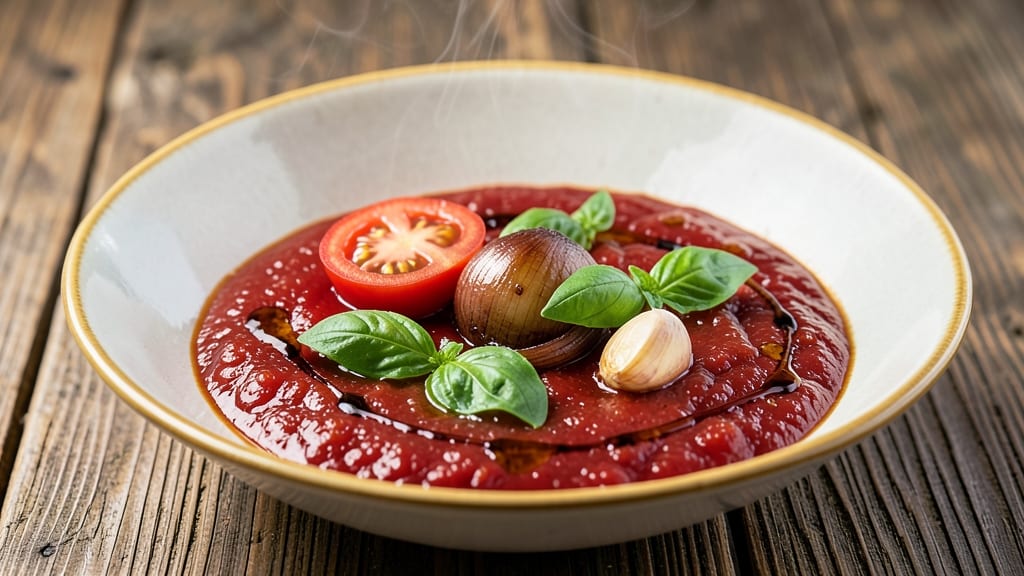
This all-natural tomato sauce recipe transforms simple ingredients into a rich, aromatic sauce that captures summer's essence in every spoonful. The slow-simmering process develops deep, caramelized flavors while preserving the natural sweetness of fresh tomatoes, creating a versatile sauce that elevates any dish.
What sets this recipe apart is the balance between simplicity and complexity—just a handful of ingredients work together to create a sauce that's both restaurant-quality and entirely homemade.
At the heart of this sauce are ripe tomatoes, fresh basil, and garlic, all simmered gently to allow their flavors to meld without losing their natural brightness. The key technique is patience—letting the sauce reduce slowly on the stove transforms basic ingredients into something extraordinary.
This method ensures a sauce that's rich in texture and depth, with none of the artificial additives found in store-bought versions.
The result is a sauce that's perfect for pasta, pizza, or dipping—its vibrant color and rich flavor make it a standout in any meal. What's more, this recipe is designed for flexibility, allowing you to adjust the herbs and spices to suit your taste.
Whether you prefer the bright notes of basil or the earthy warmth of oregano, this sauce adapts effortlessly.
Once you've made it, you'll want to keep a jar on hand for quick meals. The sauce stores well in the refrigerator for up to a week or can be canned for long-term preservation, making it a pantry staple that's always ready when you need it.
Let's get started on creating this versatile, all-natural tomato sauce that will become a favorite in your kitchen.
Ingredients for all natural tomato sauce
Fresh tomatoes, basil, and garlic form the heart of this naturally bright tomato sauce.
| Ingredient | Amount | Notes |
|---|---|---|
| Fresh Tomatoes 🍅 | 2 lb | Ripe, vine-ripened preferred |
| Fresh Basil Leaves 🌿 | ½ cup | Packed, stems removed |
| Garlic Cloves 🧄 | 4 cloves | Peeled, roughly chopped |
| Yellow Onion 🧅 | 1 whole | Medium size, chopped fine |
| Extra-Virgin Olive Oil 🫒 | ½ cup | High quality, fruity |
| Red Wine Vinegar 🍷 | 1 tbsp | For brightness |
| Sea Salt 🧂 | 1 ½ tsp | Diamond Crystal preferred |
| Black Pepper 🌶️ | ½ tsp | Freshly ground preferred |
| Sugar 🍯 | 1 tsp | Balances acidity |
| Dried Oregano 🍃 | ½ tsp | Optional for depth |
The tomatoes are the foundation—look for heirloom or vine-ripened varieties at your local farmers market for the best flavor. Trader Joe's and Whole Foods often carry excellent options, or just grab the freshest looking ones at your grocery store. If you can't find ripe tomatoes, San Marzano canned tomatoes work beautifully—they're sweeter and less acidic than other canned varieties. The basil should be vibrant green with no wilting; stems removed before using. For garlic, freshly peeled cloves make all the difference—pre-minced garlic loses flavor quickly.
No fresh basil? Dried oregano at half the amount works in a pinch, though fresh basil's brightness is unmatched. Substitute red wine vinegar with lemon juice if you prefer, though wine adds a subtle complexity. The sugar balances acidity—use honey or maple syrup if you prefer, but adjust to taste. For a deeper flavor, add a pinch of smoked paprika. If you're short on time, pre-chopped onions from the refrigerated section save prep work without sacrificing quality. The olive oil should be extra-virgin—it's the fat that carries all those beautiful flavors.
Store any leftovers in an airtight container in the fridge for up to 1 week. For longer storage, freeze in ice cube trays or small jars—perfect for single servings. The sauce actually improves after a day as flavors meld. If canning, follow USDA guidelines for safe preservation. I always make a double batch—one for immediate use, one to freeze for future meals. The sauce reheats beautifully, so portion accordingly if you plan to freeze.
Why You'll Love This Recipe
- Here’s what sold me: I make a big batch on Sundays, and it stays fresh for days. Freeze half for lazy nights, or use it to stretch a budget-friendly protein like lentils or ground beef. Less waste, more flavor, zero guilt.
- No Chopping Chaos: I swear by this recipe because it only asks for one onion to dice and a handful of garlic—no finicky seedless tomatoes or endless prep. Just slice, simmer, and let the basil do the heavy lifting.
- Sunshine in a Jar: That first taste of the sauce—bright, herby, with a whisper of garlic—makes me pause mid-stir. Fresh basil and ripe tomatoes turn it from ordinary to ridiculously good, especially when you let it reduce until it’s thick enough to coat the back of a spoon.
- Pasta Party Starter: Between us, this sauce is my go-to for weeknight dinners, potlucks, or when my college-aged kids show up hungry. Toss it with spaghetti, dollop it on bruschetta, or even stir it into scrambled eggs—it’s that kind of reliable.
Step-by-step instructions for slow-simmered tomato sauce
Here's how to transform fresh ingredients into a rich, naturally balanced tomato sauce with vibrant basil notes.
Prepare and Sweat the Aromatics
Heat the 0.5 cup extra-virgin olive oil in a large, heavy-bottomed pot over medium heat. Add the 1 whole yellow onion and cook for 5-6 minutes until softened and translucent, stirring occasionally. This gentle cooking process, called sweating, draws out the onion's natural sugars without browning.
Add the 4 cloves garlic cloves and cook for another 1 minute until fragrant. Watch closely—garlic burns quickly, and you want to preserve its sweet, mellow flavor rather than bitter notes. Remove the pot from heat temporarily while you prepare the tomatoes, but keep the aromatics warm to maintain their flavor development.
Process and Add the Tomatoes
While the aromatics cook, prepare the 2 lb fresh tomatoes. I prefer to blanch them first by plunging into boiling water for 30 seconds, then shocking in ice water. This makes peeling and seeding them much easier. Cut them in half, remove seeds and excess pulp, then chop into ½-inch pieces.
Return the pot to medium heat and add the chopped tomatoes. Stir well to combine with the aromatics. Let them cook for 8-10 minutes until they begin to break down and release their juices. This initial cooking step develops the tomato's natural sweetness and intensifies their flavor through concentration.
Build Flavor with Vinegar and Seasonings
Add the 1 tbsp red wine vinegar, 1.5 tsp sea salt, 0.5 tsp black pepper, and 1 tsp sugar to the pot. The vinegar brightens the sauce while balancing the natural acidity of the tomatoes. Stir well and let the mixture simmer gently for 10 minutes.
During this time, you'll notice the sauce begin to thicken slightly as the tomatoes release their juices and the liquid reduces. This is when the flavors start to meld together. If the sauce appears too thick, add 2-3 tablespoons of water to maintain proper consistency. Taste the sauce now—it should be developing a complex balance of sweet, tangy, and savory notes.
Incorporate Basil and Simmer to Perfection
Add the 0.5 cup fresh basil leaves and the 0.5 tsp dried oregano to the pot. Stir gently to distribute the herbs throughout the sauce. Reduce heat to low and let the sauce simmer uncovered for 20-25 minutes.
This slow simmering time is crucial for developing depth of flavor. You'll see the sauce reduce further and become glossy as it thickens. Stir occasionally to prevent sticking, and taste periodically to monitor the seasoning. The sauce should be well-balanced with bright tomato flavor, herbal notes from the basil, and a touch of earthiness from the oregano.
Finish and Adjust the Sauce
Once the sauce has reached your desired consistency—it should coat the back of a spoon but still be pourable—remove it from heat. Let it cool slightly for 5 minutes before adjusting the seasoning if needed. You might find it needs a touch more salt or a splash of vinegar to perfect the balance.
For the best texture, I recommend blending the sauce briefly with an immersion blender to achieve a smooth, velvety consistency. If you prefer a rustic texture, simply mash the tomatoes slightly with a wooden spoon. The sauce is now ready to use immediately or store for later—it keeps well in the refrigerator for up to 5 days or can be frozen for 3 months.
Pro Tips For Making All Natural Tomato Sauce
- STRIP TOMATO SKINS FIRST: I used to waste time peeling tomatoes after cooking—don’t. Run whole tomatoes under boiling water for 30 seconds, then plunge in ice water. The skins slide off like magic, and you save 15 minutes of scrubbing. (Yes, even if you’re impatient like me.)
- SWEAT ONIONS LOW AND SLOW: After burning three batches of onions, I finally figured out: low heat is your friend. Cook the yellow onion in olive oil for 10-12 minutes until translucent but not brown—this builds flavor without bitterness. If it smells burnt, you’ve gone too far.
- CRUSH GARLIC WITH A PINCH OF SALT: Skip the mincer—smash garlic cloves with the flat side of your knife, then sprinkle with a pinch of salt before adding to the pot. This prevents purpling (oxidation) and makes the garlic release aroma faster. (Your future self will notice the difference.)
- STIR IN BASIL LATE: Tossing basil in at the start kills its bright flavor—it’s delicate, like fresh herbs should be. Add the leaves whole in the last 5 minutes of cooking, then remove them before serving. If you’re using dried basil, halve the amount and add it early, but fresh is worth the wait.
Dietary considerations for all natural tomato sauce
Vegan-Friendly Adaptations
This tomato sauce is already naturally vegan, but you can enhance its depth with plant-based ingredients. Swap the red wine vinegar for balsamic vinegar to add richness, or use nutritional yeast (about 1 tbsp) for a cheesy, umami boost.
I often add mushroom powder (just ½ tsp) for extra savory complexity—it mimics the umami found in meat-based sauces. 🌱
Gluten-Free Safety
All ingredients in this recipe are inherently gluten-free, but always double-check labels on spices and vinegars if you're highly sensitive. The sea salt and black pepper should be certified gluten-free brands like Diamond Crystal Kosher Salt or McCormick Pure Pepper.
For extra precaution, use a dedicated gluten-free kitchen scale to measure ingredients. 🧂
Low-Sodium Options
To reduce sodium, cut the sea salt to 1 tsp and boost flavor with 1 extra tbsp of red wine vinegar or 1 tsp of lemon juice. For a potassium boost, add ½ cup of chopped celery along with the onions—it adds subtle sweetness without salt.
I also recommend using low-sodium vegetable broth (about ¼ cup) instead of water when thinning the sauce. 💡
Allergy Considerations
If you're allergic to nightshades (tomatoes, garlic, onions), this sauce isn't suitable—but you can modify it by replacing tomatoes with roasted zucchini or eggplant (about 2 cups chopped).
For garlic allergies, use asafetida powder (just ⅛ tsp) for a similar aromatic depth. Always test small amounts first, as reactions can vary. 🚨
Sugar-Free Version
Skip the sugar entirely and balance the acidity with an extra ½ tsp of red wine vinegar. The natural sweetness of ripe tomatoes will still shine through.
For a touch of sweetness without sugar, add 1 tbsp of unsweetened applesauce during the simmering process. This works surprisingly well and keeps the sauce naturally balanced. 🍎
Preservative-Free Storage
This sauce stays fresh without preservatives when stored properly. For short-term use, refrigerate in glass jars with airtight lids for up to 5 days. For longer storage, freeze in small portions (like ice cube trays)—perfect for single servings.
When reheating, warm gently on the stove with a splash of water to restore texture. 🧊
Nutrition facts
Frequently asked questions
Can I use canned tomatoes instead of fresh?
Yes, but choose San Marzano canned tomatoes for the best flavor—they're sweeter and less acidic than other varieties. Drain them well before using, and reduce the sugar to ½ tsp since canned tomatoes are naturally sweeter. For extra richness, add 1 tbsp tomato paste during the simmering process.
How do I know when the sauce is ready?
The sauce is perfect when it coats the back of a spoon smoothly but still has a pourable consistency. It should have reduced by about 30-40% from its original volume, with deep color and concentrated flavor. Taste it—it should balance sweet, tangy, and herbal notes without being overly acidic.
What if my sauce tastes too acidic?
Add a pinch of sugar or a splash of water to dilute the acidity, then simmer for 5 more minutes to let flavors rebalance. For a brighter taste, stir in 1 extra tbsp of fresh basil or a pinch of smoked paprika. Avoid over-salting—it can't be reversed easily.
Can I make this sauce in a slow cooker?
Sauté the onions and garlic first, then add all ingredients and cook on low for 4-5 hours. The slow cooker's gentle heat enhances natural sweetness. Stir occasionally and add water if needed to maintain consistency. The texture will be slightly thicker than stovetop, but equally flavorful.
Why did my sauce separate?
This happens when the sauce cooks too vigorously, causing oils to separate. To fix it, whisk in 1 tbsp of cold water or olive oil while the sauce is warm, then simmer gently for 5 minutes. For prevention, keep heat at low-medium and stir occasionally to maintain even cooking.