
Sauces & Condiments
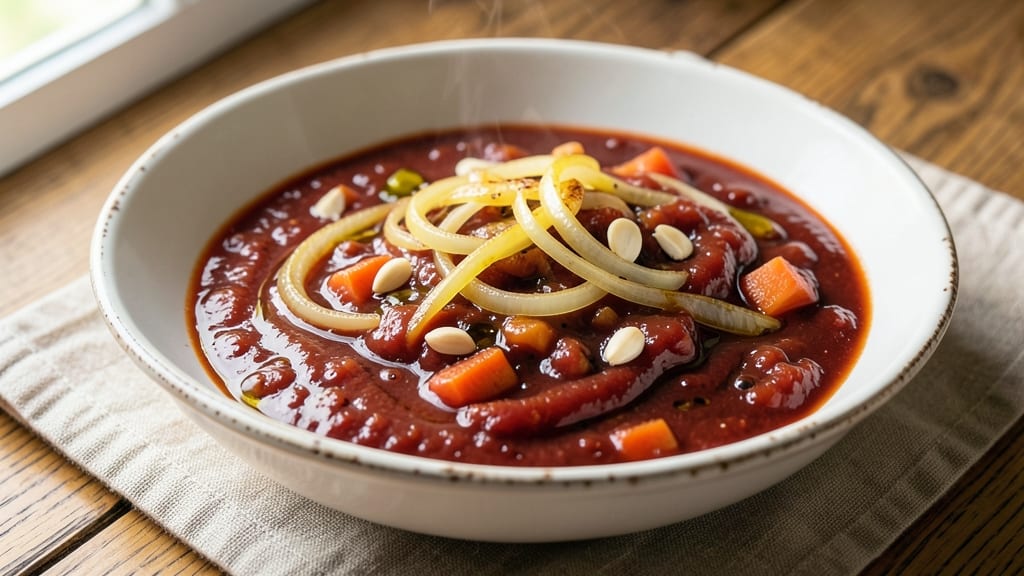
This American spaghetti sauce recipe delivers the rich, slow-simmered depth that makes weeknight dinners feel like restaurant-quality meals. The secret lies in a balanced blend of tomatoes, aromatic herbs, and a touch of sweetness that develops into complex umami flavors over time.
I've perfected this version to be hearty enough for meat lovers but flexible enough to shine with just vegetables.
What sets this sauce apart is the two-stage cooking process: first a long simmer to build depth, then a fresh basil finish that brightens the flavors without overpowering. The sauce thickens naturally as it reduces, creating that perfect cling-to-pasta texture.
Unlike quick versions, this one rewards patience with layers of flavor that taste even better the next day.
The result is a sauce that's versatile enough for any spaghetti dish—whether you're serving it with classic Italian pasta, as a marinara for chicken, or even as a pizza topping.
The balance of acidity, sweetness, and savory notes makes it the kind of sauce that disappears faster than you can say "second helping."
Best of all, this recipe makes 3-4 servings and stores beautifully in the fridge for up to 5 days or freezes perfectly for future meals. The instructions are straightforward, but the flavor development is where the magic happens.
Let's get started on creating sauce that'll have everyone asking for the recipe.
Ingredients for american spaghetti sauce
Tomatoes, herbs, and a touch of sweetness create sauce with restaurant-quality depth.
| Ingredient | Amount | Notes |
|---|---|---|
| Extra-Virgin Olive Oil 🫒 | ½ cup | High-quality for richness |
| Yellow Onion 🧅 | 1 whole | Diced, medium size |
| Garlic Cloves 🧄 | 4 cloves | Peeled, minced finely |
| Carrots 🥕 | 2 medium | Diced, about 1 cup total |
| Canned San Marzano Tomatoes 🍅 | 28 oz | Crushed or diced |
| Tomato Paste 🍅 | 2 tbsp | Smooth, no sugar added |
| Dry Red Wine 🍷 | ½ cup | Bold, like Cabernet |
| Chicken or Vegetable Broth 💧 | 1 cup | Low-sodium preferred |
| Granulated Sugar 🍚 | 1 tbsp | Balances acidity |
| Dried Oregano 🍃 | 1 tsp | Italian preferred |
| Dried Basil 🌿 | 1 tsp | Or 0.25 cup fresh |
| Salt 🧂 | 1 ½ tsp | Kosher or sea salt |
| Black Pepper 🌶️ | ½ tsp | Freshly ground |
| Fresh Basil Leaves 🌿 | ¼ cup | Packed, for finishing |
The tomatoes are the foundation—San Marzano is ideal for its sweetness and low acidity, but any high-quality canned tomatoes work. For the wine, Cabernet Sauvignon or Merlot adds depth without overpowering, but a dry red from your pantry is fine. The broth can be chicken or vegetable—just make sure it's low-sodium. Fresh basil is best for the finish, but if you're using dried, measure it at one-third the amount of the fresh version. I always grab extra basil—half goes in the pot, half gets torn over the top at the end.
No red wine? Substitute with extra broth and a splash of balsamic vinegar for depth. Fresh basil unavailable? Dried oregano and thyme work in a pinch, though the flavor will be different. The carrots add natural sweetness and texture—if you're short on time, skip them and add an extra tablespoon of sugar. For a meatier flavor without actual meat, mushroom powder or a splash of soy sauce works surprisingly well. The tomato paste is non-negotiable though—it's what gives the sauce that velvety texture as it thickens.
This sauce tastes even better the next day once the flavors meld. Store in an airtight container in the fridge for up to 5 days, or freeze for 3 months in portion-sized containers. I like to portion it into 1-cup servings so I can grab exactly what I need for pasta. If you're making ahead, skip the fresh basil until serving—it stays brightest that way.
Why You'll Love This Recipe
- Foolproof Simplicity: I swear by this—no fancy techniques, just sweat onions in olive oil until they’re translucent, add garlic, and let the San Marzano tomatoes do the rest. The carrots? They melt right in, so you barely notice the chopping.
- Garlic-Kissed Depth: That first hit of garlic sizzling in olive oil? Chef’s kiss. The San Marzano tomatoes soak it up, balancing sweetness with a slow-simmered richness—no bitterness, just pure, layered flavor. Even my picky husband doesn’t skip seconds.
- Weeknight Wonder: Dinner in 30 minutes? Done. Use it over pasta for a quick meal, toss it in a casserole for Sunday supper, or freeze half for lazy nights. (Yes, even on a Tuesday when takeout feels impossible.)
- Budget-Friendly Staple: Olive oil, onions, garlic, carrots, and a can of tomatoes—this sauce costs pennies per serving but tastes like a restaurant dish. Plus, it keeps for days, so you’re not scrambling when inspiration (or time) runs out.
Step-by-step instructions for slow-simmered American spaghetti sauce
This method builds rich umami flavor through slow cooking and proper ingredient sequencing.
Sauté the Aromatics Until Fragrant
Heat the 0.5 cup extra-virgin olive oil in a heavy-bottomed pot over medium heat. Add the diced yellow onion and cook for 5-6 minutes until softened and translucent. The onions should release their natural sweetness without browning.
Add the minced garlic cloves and diced carrots to the pot. Cook for another 3-4 minutes until the garlic becomes fragrant but doesn't brown—this prevents bitterness. Stir occasionally to ensure even cooking and prevent sticking. The carrots will soften slightly but maintain their shape, adding natural sweetness to the sauce.
Build the Sauce Base with Tomatoes and Wine
Reduce the heat to medium-low and stir in the 2 tablespoons tomato paste, spreading it evenly over the bottom of the pot. Cook for 1 minute to cook out the raw taste. Add the 28 oz canned San Marzano tomatoes (crushed or diced) and the 0.5 cup dry red wine, stirring to combine.
Bring the mixture to a gentle simmer, then reduce heat to low. Let it cook uncovered for 15 minutes, stirring occasionally. This initial simmer allows the tomatoes to break down and release their natural juices, creating a smoother base. The wine will reduce slightly, intensifying its flavor as it integrates with the tomatoes.
Season and Simmer for Deep Flavor Development
Add the 1 cup chicken or vegetable broth, 1 tablespoon granulated sugar, 1 teaspoon dried oregano, 1 teaspoon dried basil, 1.5 teaspoons salt, and 0.5 teaspoon black pepper. Stir well to distribute the seasonings evenly. The sugar helps balance the acidity of the tomatoes while enhancing their natural sweetness.
Return the sauce to a gentle simmer and cook uncovered for 45-60 minutes, stirring occasionally. This long simmer allows the flavors to meld and deepen. You'll notice the sauce gradually thickens as the liquid reduces. The carrots will soften completely, breaking down into the sauce and contributing their natural sweetness and earthy notes.
Finish with Fresh Basil for Brightness
Once the sauce has thickened to your desired consistency (it should coat the back of a spoon but still be spoonable), remove the pot from heat. Stir in the 0.25 cup fresh basil leaves, allowing them to wilt slightly in the warm sauce. This final step adds a fresh, bright contrast to the rich, umami flavors developed during the long simmer.
Taste and adjust the seasoning if needed, adding a pinch more salt or a splash of broth if the sauce is too thick. The sauce should be balanced—sweet from the carrots and sugar, tangy from the tomatoes, and herby from the basil. Let it rest for 10 minutes before serving to allow the flavors to fully meld together.
Pro Tips For Making American Spaghetti Sauce
- CRUSH THE ONIONS: Dice them small—no bigger than ¼-inch pieces—or they’ll turn to mush instead of sweeten. I learned this the hard way when my sauce tasted like onion bits instead of flavor. A sharp knife and a quick chop make all the difference.
- SWEAT THE VEGETABLES LOW: After adding onions, carrots, and garlic, turn the heat down to medium-low and let them cook for 10 minutes before tossing in tomatoes. This slow start builds depth—no burning, no bitter edges, just rich, caramelized flavor. (Yes, even if you’re impatient like me.)
- SALT THE TOMATOES: Drain the San Marzano tomatoes but don’t rinse them—just sprinkle in ½ teaspoon of salt and let them sit for 5 minutes. This pulls out excess water and seasons the base before it even hits the pot. Skipping this step means a thinner, less flavorful sauce.
- FINISH WITH ACID: Stir in 1 tablespoon of red wine vinegar or a splash of lemon juice at the end—just before serving. It brightens the tomatoes and cuts through the richness of the olive oil. I was skeptical until I tried it; now it’s non-negotiable.
Wine and beer pairings for this dish
Red Wine Pairings
This rich, slow-simmered sauce pairs beautifully with medium-bodied red wines that complement its umami depth. A Chianti Classico from Tuscany offers perfect acidity to cut through the sauce's richness while its bright cherry notes echo the tomatoes.
For something more approachable, try a California Zinfandel—its jammy fruit and peppery finish balance the basil's brightness. 🍷
If you prefer New World wines, a Malbec from Argentina delivers bold dark fruit flavors that stand up to the sauce's depth. Avoid heavy, tannic wines like Cabernet Sauvignon—they'll overpower the delicate herb notes. For a budget-friendly option, any Italian Sangiovese (like Montepulciano d'Abruzzo) works wonderfully.
White Wine Options
Surprisingly, certain whites work too—especially if you're serving the sauce with seafood or grilled chicken. A dry Vermentino from Sardinia offers citrusy brightness that refreshes your palate between bites. For something creamier, try a Viognier with its floral and stone fruit notes. 🍷
I've found that off-dry Rieslings (like those from Germany) add a nice contrast with their slight sweetness and zesty acidity. These wines help cleanse the palate between forkfuls of pasta while complementing the sauce's herbal finish.
Beer Pairings
For beer lovers, a Belgian-style Witbier like Hoegaarden brings crisp apple and coriander notes that cut through the sauce's richness. The effervescence also helps refresh your palate between bites. For something heartier, try an amber ale with caramel and biscuit flavors that mirror the sauce's caramelized depth. 🍺
A dry stout (like Guinness) might seem unusual, but its roasted malt notes actually complement the sauce's umami complexity. The dark beer's bitterness balances the sauce's sweetness beautifully. For a lighter option, any Italian lager (like Peroni) provides a clean, crisp finish without competing with the sauce.
Non-Alcoholic Choices
Don't drink alcohol? No problem. A sparkling blood orange soda (like Jarritos) adds citrusy brightness that mimics wine's acidity. For something more substantial, try Italian mineral water (like San Pellegrino) with a splash of balsamic vinegar—it enhances the sauce's depth without overpowering. 💧
Herbal iced teas (especially hibiscus or mint) provide refreshing contrast to the rich sauce. I like to add a few fresh basil leaves to my tea glass—they create a cohesive flavor experience that ties back to the sauce itself.
Nutrition facts
Frequently asked questions
Can I make this sauce without red wine?
For a non-alcoholic version, substitute the 0.5 cup red wine with 0.5 cup extra broth plus 1 tablespoon balsamic vinegar. This combo mimics the wine's depth and acidity while keeping the sauce rich. The balsamic adds a subtle sweetness that balances the tomatoes beautifully.
How do I adjust the thickness of the sauce?
If the sauce is too thick after simmering, add 1-2 tablespoons of broth or water at a time, stirring well between additions. For a thicker sauce, simmer uncovered for 10-15 extra minutes to reduce the liquid further. The ideal consistency coats the back of a spoon but still spoons easily onto pasta.
Can I add meat to this sauce?
Yes! Brown 1 pound ground beef or Italian sausage first in the olive oil before adding onions. Drain excess fat, then proceed with the recipe. For a vegetarian version, stir in 1 cup chopped mushrooms or lentils with the carrots. The meat adds protein and heartiness while mushrooms contribute an earthy depth.
Why does my sauce taste too acidic?
The acidity likely comes from the tomatoes. Balance it by adding 1 teaspoon sugar or 1 tablespoon tomato paste to deepen flavors. If it's still too sharp, simmer uncovered for 5 more minutes to let the acidity mellow. The carrots and wine also help naturally counteract acidity as they cook.
How long can I store leftovers?
Store in an airtight container in the fridge for up to 5 days, or freeze for 3 months. For freezing, portion into 1-cup servings** for easy reheating. Thaw overnight in the fridge, then reheat gently on low heat, stirring occasionally. The sauce actually improves after refrigeration as flavors meld!