
Sauces & Condiments
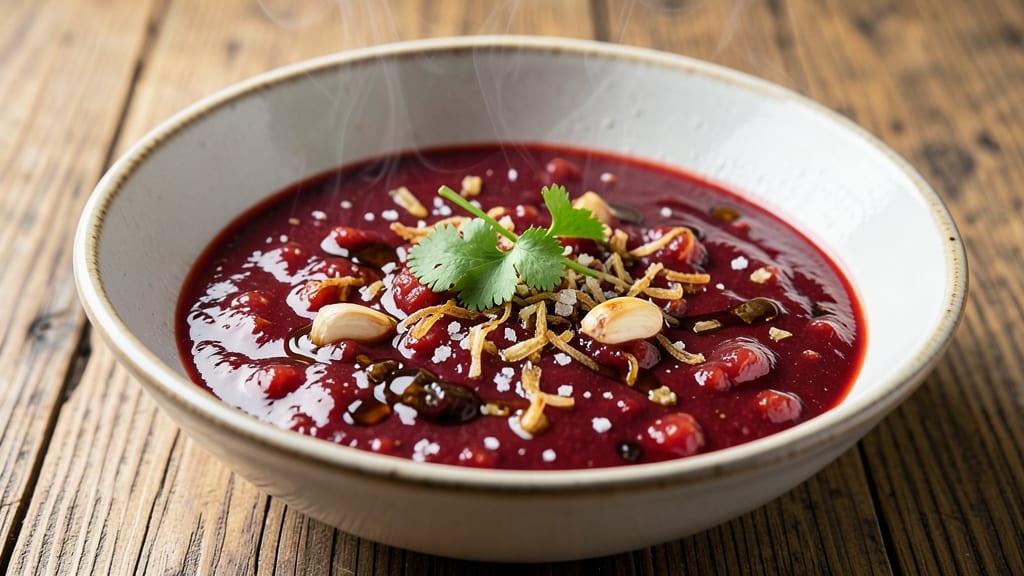
Angelo's Coney Island sauce transforms simple hot dogs into legendary coney dogs with its signature smoky tomato-chipotle depth. This velvety, slightly sweet sauce balances heat and tang perfectly—no shortcuts, just old-school flavor built through slow simmering and careful seasoning.
The secret lies in blending ripe tomatoes with vinegar and spices until it reaches that signature consistency: thick enough to cling but smooth enough to drizzle.
What makes this sauce special is how it marries tomato richness with smoky chipotle and a touch of sugar to balance the acidity. Unlike store-bought versions, this recipe delivers authentic depth by reducing the sauce until it thickens naturally, creating a glossy finish that coats every bite.
The result? A sauce that’s bold enough for a Chicago-style coney dog but versatile enough for burgers or dipping fries.
This sauce is designed to elevate—whether you're serving it on classic coney dogs, loaded hot dogs, or even as a marinade for grilled meats. The slow simmering process develops layers of flavor, while the chipotle adds just the right amount of heat without overpowering.
Store it in the fridge for up to a week, or freeze for longer shelf life.
For those who love heat, add extra chipotle; for tang lovers, increase the vinegar. The key is patience—letting the flavors meld over time creates that unmistakable Angelo’s taste. Ready to make your own legendary sauce? Let’s get started.
Ingredients for angelo's coney island sauce
Nine ingredients, one legendary sauce—simple enough but packed with authentic flavor.
| Ingredient | Amount | Notes |
|---|---|---|
| Canned San Marzano Tomatoes 🍅 | 28 oz | Crushed by hand for texture |
| Red Wine Vinegar 🍷 | ¼ cup | Balsamic works too |
| Chipotle Peppers in Adobo 🌶️ | 2 whole | Mince finely for smokiness |
| Granulated Sugar 🍚 | 2 tbsp | Balances acidity perfectly |
| Garlic Cloves 🧄 | 4 cloves | Minced for aromatic depth |
| Onion 🧅 | ½ whole | Yellow, finely diced |
| Dried Oregano 🌿 | 1 tsp | Mexican preferred |
| Ground Black Pepper 🌶️ | ½ tsp | Freshly cracked |
| Salt 🧂 | 1 ½ tsp | Diamond Crystal preferred |
| Extra-Virgin Olive Oil 🫒 | 2 tbsp | For glossy finish |
The tomatoes are non-negotiable. San Marzano has the perfect balance of sweetness and acidity—Trader Joe's or Whole Foods carry them year-round. Look for cans with no dents or bulges. Chipotle peppers in adobo are essential for that smoky depth; Penzeys or Mexican markets often carry the best quality. The vinegar should be red wine vinegar (balsamic works too), not white. I always grab a bottle of Bragg or Heinz—they're reliable and affordable. Fresh garlic and onion are musts here; frozen won't cut it for this sauce.
No chipotle peppers? Smoked paprika at half the amount gets you close, but you'll lose that authentic smokiness. Short on tomatoes? Tomato paste thinned with water works in a pinch, but reduce the sugar slightly. The oregano is non-negotiable—Mexican oregano has a different flavor profile than Italian, so grab it at a Latin market if you can. For the sugar, brown sugar adds a subtle caramel note, but white works fine too. The olive oil should be extra-virgin—it adds richness and helps create that glossy finish. If you're making this ahead, the sauce actually tastes better the next day as flavors meld.
This sauce keeps for 1 week in the fridge, sealed tightly. For longer storage, freeze in ice cube trays—perfect for single servings. If it thickens too much, just add a splash of water or vinegar when reheating. I always make a double batch because it disappears fast—great on coney dogs, burgers, or even as a marinade for grilled meats. The key is patience: let it simmer low and slow until it reaches that perfect velvety consistency. Trust me, it's worth the wait.
Why You'll Love This Recipe
- Five-Ingredient Magic: I swear by this list—no fancy prep, no hidden pantry raids. Open a can of San Marzano tomatoes, chop a few garlic cloves, and you’re already halfway there. The chipotle in adobo does all the heavy lifting for heat, while the vinegar and sugar balance it in one simmer.
- Smoky-Sweet Balance: That first taste? Chef’s kiss. The smoky depth from the chipotle peppers meets bright acidity from the vinegar, then the sugar rounds it out—like a hug in sauce form. It’s the kind of flavor that makes you pause mid-bite, even on a busy night.
- Weeknight to Weekend: Drizzle it over grilled chicken for a Tuesday dinner, toss it with roasted veggies for a Sunday spread, or use it as a marinade for hours ahead. It’s my go-to for anything needing a little oomph, and it never lets me down.
- Leftovers That Lie: I make a double batch because this sauce begs to be saved. It thickens beautifully over time, so the next night’s tacos or pasta get even richer. Honestly, I’ve found myself sneaking bites straight from the jar—no shame.
Step-by-step instructions for Angelo's coney island sauce
This smoky, velvety sauce comes together in one pot with simple ingredients and careful technique.
Sauté the Aromatics in Olive Oil
Heat the 2 tablespoons extra-virgin olive oil in a medium saucepan over medium heat. Once shimmering but not smoking, add the ½ whole finely diced onion and cook for 5-6 minutes until softened and translucent. Here's the thing—don't rush this step. You'll know it's ready when the onion loses its raw bite and begins to caramelize slightly at the edges.
Add the 4 minced garlic cloves and cook for 30 seconds until fragrant. The garlic should sizzle gently and fill your kitchen with aroma. If it starts to brown too quickly, reduce the heat slightly. This foundational step builds the sauce's depth of flavor, so take your time here. I always stir occasionally to prevent burning, which would make the sauce bitter.
Add Chipotle Peppers and Cook Until Smoky
Remove the saucepan from heat and carefully add the 2 minced chipotle peppers in adobo along with their adobo sauce (about 1 tablespoon). Return to medium-low heat and stir for 2 minutes to distribute the peppers evenly. The heat will help release their smoky flavor without overpowering the sauce.
Here's where it gets good—the chipotles should infuse their smokiness into the aromatics. You'll notice the mixture darken slightly and smell deeply of smoldering wood. If you're sensitive to heat, this is your chance to taste the mixture before proceeding. The sauce should have a subtle, smoky warmth but not be spicy yet. If it's too intense, reduce the heat further or add a pinch of sugar to balance it.
Build the Sauce with Tomatoes and Vinegar
Pour in the 28 oz crushed San Marzano tomatoes, stirring to combine with the aromatics. Add the ½ cup red wine vinegar and 2 tablespoons granulated sugar, then bring to a gentle simmer over medium heat. The vinegar will help brighten the tomatoes' natural sweetness while balancing the acidity.
Let the sauce simmer uncovered for 20-25 minutes, stirring occasionally. You'll see the mixture reduce slightly and thicken as the tomatoes break down. The sauce should coat the back of a spoon and develop a glossy sheen. If it starts to stick to the bottom of the pan, add a splash of water to keep it moving. This simmering process is crucial—it allows all the flavors to meld and develop that signature Coney Island depth.
Season and Simmer to Perfection
Add the 1 teaspoon dried oregano, ½ teaspoon ground black pepper, and 1½ teaspoons salt. Stir well to distribute the seasonings evenly. Taste the sauce now—it should be tangy, slightly sweet, and deeply tomatoey with a hint of smokiness from the chipotles. If it needs more acidity, add a splash more vinegar. If it needs sweetness, add a pinch more sugar.
Continue simmering for another 15-20 minutes until the sauce thickens to your desired consistency. It should coat a spoon smoothly but still be pourable. For a thicker sauce, simmer longer; for a thinner one, add a splash of water or tomato juice. The sauce is ready when it's velvety and balanced in flavor—no single ingredient should overpower the others. This is where patience pays off, so don't rush it.
Finish and Let It Rest
Once the sauce reaches your desired consistency, remove it from heat and let it cool slightly for 5 minutes. This resting period allows the flavors to settle and the sauce to thicken further as it cools. Taste again and adjust the seasoning if needed—this is your final chance to perfect the balance.
The sauce is now ready to use. It should be rich, smoky, and slightly tangy with a velvety texture that clings beautifully to hot dogs or fries. Store any leftovers in an airtight container in the refrigerator for up to 5 days, or freeze for up to 3 months. When reheating, warm it gently over low heat, stirring occasionally, until heated through. This sauce is the heart of Coney Island cuisine—don't skip the resting step, or you'll miss out on its full potential.
Pro Tips For Making Angelo'S Coney Island Sauce
- CRUSH THE GARLIC: Use a garlic press instead of mincing—it releases more flavor and blends faster into the sauce. I learned this the hard way after burning my knuckles and ending up with uneven garlic bits that didn’t dissolve properly.
- SIMMER LOW AND SLOW: After adding the chipotle peppers and vinegar, reduce heat to a bare simmer. The sauce will thicken and meld better over 20-30 minutes—rushing it leaves the acidity sharp and the flavors underdeveloped.
- STRAIN THE CHIPOTLE OIL: Drain the chipotle peppers from the adobo sauce and wipe the peppers dry with a paper towel. The excess oil makes the sauce greasy, and the leftover adobo bits can turn bitter—trust me, you’ll taste the difference.
- SWEAT THE GARLIC FIRST: Cook the minced garlic in oil for 30 seconds until fragrant but not browned. This prevents a harsh, bitter taste from overcooking, which can happen fast when you’re also adding vinegar and tomatoes.
Storing and reheating this dish
Fridge Storage Essentials
Store your freshly made sauce in an airtight container—I use glass jars with tight-sealing lids—and keep it refrigerated for up to 5 days. The flavors actually deepen overnight as the spices meld together beautifully.
Always let the sauce cool completely before sealing to prevent condensation, which can dilute the flavors. I like to press plastic wrap directly on the sauce's surface before adding the lid to create a better seal. 🧊
Freezer Prep Tips
For longer storage, freeze the sauce in ice cube trays—perfect for single servings on hot dogs or burgers. Once frozen, transfer the cubes to a ziplock freezer bag with all air squeezed out. This method preserves the sauce's texture and flavor for up to 3 months.
Label the bag with the date to keep track of freshness. Thaw overnight in the fridge or microwave on low power for quick use.
Reheating Like a Pro
Reheat your sauce gently over low heat on the stovetop, stirring occasionally, until warmed through. Avoid high heat, which can break down the sauce's delicate texture. If it thickens too much during reheating, add a splash of water or vinegar to restore its velvety consistency.
For microwave reheating, use 30-second intervals on 50% power, stirring between each interval to prevent hot spots. Always taste and adjust seasoning after reheating—it often needs a pinch more salt or sugar. 🔥
Texture Rescue Tricks
If your refrigerated sauce becomes too thick, thin it with 1-2 tablespoons of water or red wine vinegar while reheating. For freezer-thawed sauce that's lost its gloss, stir in ½ teaspoon of extra-virgin olive oil to restore richness.
Never add water directly to cold sauce—always warm it first to prevent separation. The key is patience: let the sauce come to room temperature before adjusting consistency, or you might end up with a watery mess. 💡
Portion Control Hacks
Divide the sauce into small, portion-sized containers before storing to make future use easier. I keep one small jar in the fridge for quick coney dog toppings and freeze the rest. This way, you only thaw what you need.
For serving, use a fine-mesh strainer to remove any sediment that might have settled at the bottom during storage. The sauce will taste fresher and smoother when served immediately after reheating. 🍔
Flavor Preservation
To maintain the sauce's vibrant color and depth of flavor, avoid exposing it to light while stored. Keep containers in a dark cabinet or use opaque storage jars. If you notice the sauce developing a dull appearance, a pinch of sugar or vinegar can help revive its brightness.
Remember, this sauce tastes best when used within 1 week of making—its fresh, smoky flavors are at their peak during this time. 💛
Nutrition facts
Frequently asked questions
Can I substitute chipotle peppers with something else?
Yes! If you can't find chipotle peppers in adobo, use 1 teaspoon smoked paprika plus ½ teaspoon cayenne pepper for heat. For a milder version, try ½ teaspoon chipotle powder (found in Latin markets). The smokiness is key—without it, the sauce will lose its signature depth.
How do I adjust the heat level in this sauce?
For less heat, reduce the chipotle to 1 whole pepper or remove seeds before mincing. For extra spice, add ½ teaspoon cayenne pepper or an extra chipotle. Always taste as you go! The sauce should complement, not overpower, your dish.
Why does my sauce taste too tangy?
Too much vinegar or under-simmered tomatoes cause tanginess. Balance it by adding 1 teaspoon sugar or 1 tablespoon tomato paste**, then simmer for another 5 minutes. The sugar will mellow the acidity while the paste adds depth. Taste frequently to avoid over-sweetening.
Can I make this sauce in a slow cooker? Combine all ingredients in your slow cooker and cook on LOW for 4-5 hours or HIGH for 2-3 hours. Stir occasionally and add a splash of water if it gets too thick. The slow cooker enhances the flavors beautifully—just
What's the best way to serve this sauce?
This sauce shines on Coney dogs, hot dogs, or burgers, but it's also perfect for dipping fries or onion rings. For extra drama, drizzle it over grilled corn on the cob or use it as a marinade for chicken wings. The key is to serve it warm—its velvety texture works best when heated through.