
Sauces & Condiments
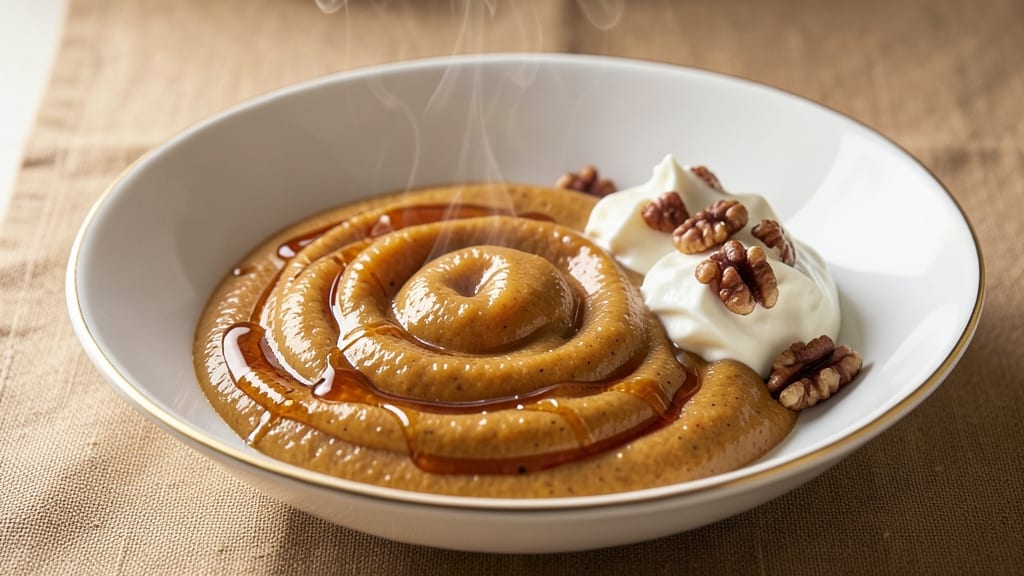
This apple mustard sauce recipe transforms humble pantry staples into a velvety, sweet-tangy condiment that elevates everything from roasted pork to crispy fries. The secret lies in balancing sharp Dijon mustard with caramelized apple purée, creating a sauce that’s rich yet bright—no cooking skills required beyond blending and simmering.
I developed this after craving something that bridged the gap between sweet and savory without overpowering the dish it accompanies.
The foundation starts with cooked apple purée—not raw, which can make the sauce watery—simmered with vinegar to deepen its flavor. A touch of honey or maple syrup rounds out the sweetness, while a splash of cream or Greek yogurt ensures the sauce emulsifies smoothly.
The result? A glossy, clingy sauce that glides effortlessly over meats, drizzles beautifully over cheeses, or doubles as a dipping sauce for pretzels or veggies. It’s the kind of versatile condiment that turns ordinary meals into something special.
What makes this sauce truly stand out is its adaptability. Need it spicier? Add a dash of cayenne or smoked paprika. Prefer it sweeter? Boost the honey. The base recipe keeps it balanced, but the variations let you tailor it to your taste—or the occasion.
A drizzle over roasted chicken or pork tenderloin adds a sophisticated touch, while a dollop on a sandwich transforms it into a gourmet bite. The best part? It stores beautifully in the fridge for up to two weeks, so you’ll always have a flavor-packed sauce on hand.
Ready to make this sauce? The process is simpler than you’d think—just 10 minutes of prep and 15 minutes of simmering. No fancy equipment, no complicated techniques, just a blend of ingredients that come together to create something unexpectedly delicious.
Whether you’re glazing a holiday ham or adding a tangy kick to your favorite charcuterie board, this apple mustard sauce is about to become a staple in your kitchen.
Ingredients for apple mustard sauce
Nine pantry staples transform into a velvety sauce that bridges sweet and tangy perfection.
| Ingredient | Amount | Notes |
|---|---|---|
| Cooked Apple Purée 🍎 | 1 cup | Simmered until thick, no lumps |
| Dijon Mustard 🌶️ | ½ cup | High-quality, grainy preferred |
| Apple Cider Vinegar 🍏 | 2 tbsp | For depth of flavor |
| Pure Maple Syrup 🍯 | ¼ cup | Grade B for robust flavor |
| Heavy Cream 🥛 | ½ cup | Full-fat for emulsification |
| Greek Yogurt 🍶 | ¼ cup | Plain, full-fat preferred |
| Garlic Cloves 🧄 | 2 cloves | Minced for subtle depth |
| Diamond Crystal Kosher Salt 🧂 | ½ tsp | Adjust to taste |
| Fresh Lemon Juice 🍋 | 1 tbsp | Brightens the sauce |
| Extra-Virgin Olive Oil 🫒 | 1 tbsp | For glossy finish |
The apple purée is the backbone—simmer it until thick to avoid a watery sauce. I always use Grade B maple syrup from Trader Joe's for that deep, caramelized flavor. The Dijon mustard should be grainy (like Maille)—it emulsifies better and adds texture. For the purée, Honeycrisp apples work best, but any firm variety will do. If you're short on time, use unsweetened applesauce, but simmer it with a splash of vinegar to deepen the flavor. The Greek yogurt adds tanginess and helps thicken the sauce—full-fat Fage is my go-to, but any plain yogurt works in a pinch.
No heavy cream? Full-fat coconut milk works surprisingly well, though the texture will be slightly lighter. Swap maple syrup for agave nectar if you prefer a milder sweetness. The lemon juice can be bottled, but fresh is ideal—Mexican limes add a bright zing. For a spicier kick, add 1/4 tsp cayenne or smoked paprika. If you're making this ahead, the sauce thickens as it cools—thin with a splash of water or milk if needed. The olive oil at the end isn't just for flavor; it gives that glossy finish that makes the sauce irresistible.
This sauce keeps beautifully—2 weeks in the fridge sealed in a jar. For longer storage, freeze portions in ice cube trays, then transfer to a bag. Reheat gently on the stove or microwave until warm. It reheats beautifully, though the texture might separate slightly—just stir in a splash of warm water or milk to restore smoothness. I always make a double batch—one for glazing roasted pork, another for dipping pretzels. The leftovers? Perfect for drizzling over charcuterie boards or tossing with greens for a tangy salad dressing.
Why You'll Love This Recipe
- Fridge-Friendly Magic: I swear by this sauce for lazy nights—just blend those pantry staples (you probably already have them) and boom, dinner’s saved. The apple purée keeps it silky smooth without extra fuss, and the mustard adds that tangy punch in seconds.
- Sweet-Tangy Balance: That maple syrup and vinegar combo? Chef’s kiss. It’s sweet enough to make your taste buds dance but sharp enough to cut through rich meats or cheeses. Honestly, I’ll take this over store-bought glaze any day—it’s got depth, not just sugar.
- Dinner Party Hack: Serve it warm over pork chops, drizzle it on roasted veggies, or even mix it into mashed potatoes for a gourmet twist. Between us, it’s the kind of sauce that makes you look like a pro without the stress of last-minute prep.
- Make-Ahead MVP: I double the batch every time because it keeps for days in the fridge—no weird textures, just pure flavor. Plus, the heavy cream makes it rich enough to stretch over multiple meals, so your wallet (and leftovers) thank you.
Step-by-step instructions for apple mustard sauce
This sweet-tangy sauce comes together in minutes with simple techniques that guarantee perfect balance.
Whisk Together the Base Ingredients
In a medium saucepan, combine the 1 cup Cooked Apple Purée, 0.5 cup Dijon Mustard, 2 tablespoons Apple Cider Vinegar, and 0.25 cup Pure Maple Syrup. I like to use a whisk here to ensure everything blends smoothly from the start. Place the saucepan over medium heat and bring the mixture to a gentle simmer, stirring occasionally to prevent scorching.
You'll notice the sauce thicken slightly as it heats—this is normal and helps build the sauce's structure. Let it simmer for 3-4 minutes until it reaches a smooth, syrupy consistency. The aroma will be rich and complex, with sweet apple notes mingling with the sharp tang of mustard and vinegar. This is where the foundation of your sauce develops, so don't rush this step.
Incorporate the Cream and Yogurt
Reduce the heat to low and slowly pour in the 0.5 cup Heavy Cream and 0.25 cup Greek Yogurt, whisking constantly to prevent curdling. The cream will help lighten the sauce while the yogurt adds a subtle tang and creaminess that balances the sweetness. Continue whisking for 1-2 minutes until the mixture is completely smooth and homogeneous.
Here's the thing—if you see any lumps forming, don't panic. Simply increase the heat to medium-low for 30 seconds while whisking vigorously. The residual heat will help emulsify the sauce. You're aiming for a velvety texture that coats the back of a spoon, so keep an eye on the consistency as you work.
Add Aromatics and Season
Remove the saucepan from heat and stir in the minced 2 cloves Garlic, 0.5 teaspoon Diamond Crystal Kosher Salt, and 1 tablespoon Fresh Lemon Juice. The garlic adds a subtle depth that complements the sweetness, while the lemon juice brightens the entire sauce. Let the mixture sit off the heat for 2 minutes to allow the flavors to meld.
Taste the sauce and adjust the seasoning if needed. If it feels too sweet, add a splash more of the Apple Cider Vinegar or a pinch of salt. If it needs more brightness, add another ½ teaspoon Lemon Juice. The goal is to achieve a perfect harmony between sweet, tangy, and savory notes—this is where the magic happens.
Finish with Olive Oil for Gloss
Return the sauce to low heat and stir in the 1 tablespoon Extra-Virgin Olive Oil. The oil not only adds richness but also gives the sauce a beautiful, glossy finish. Simmer gently for 1 minute to fully incorporate the oil, then remove from heat once again. The sauce should now be silky, with a sheen that indicates it's ready to serve.
Let the sauce rest for 5 minutes before using. This resting period allows the flavors to fully develop and the texture to set slightly. You'll notice the sauce becomes even more cohesive and flavorful. Serve warm for dipping, glazing, or drizzling—it's perfect over roasted meats, grilled vegetables, or even as a dip for fresh fruit.
Pro Tips For Making Apple Mustard Sauce
- Temper the cream: Warm the heavy cream separately to about 100°F (38°C) before mixing—cold cream will curdle when hit with vinegar, and you’ll end up with a lumpy mess. I learned this after throwing out two batches of sauce that looked like cottage cheese.
- Use whole fruit purée: Skip the store-bought apple sauce—it’s watered down and lacks depth. Simmer peeled, cored apples (like Honeycrisp or Granny Smith) with a splash of water until soft, then strain out the skins. The texture and flavor are worlds better, and you control the sweetness.
- Balance the vinegar: Add the apple cider vinegar gradually, tasting as you go. A splash too much will make the sauce taste harsh, while too little leaves it flat. Start with half the recipe’s amount, then adjust—your mustard and maple syrup will thank you.
- Simmer, don’t boil: Once everything’s combined, keep the sauce at a gentle simmer (tiny bubbles, no splashing) for 3–4 minutes. Boiling burns the maple syrup and turns the cream grainy. Sounds picky, but it’s the difference between smooth and scrappy.
Essential equipment for apple mustard sauce
Blender or Immersion Blender
For the apple purée base, I recommend using a high-speed blender like the Ninja Foodi or Vitamix—they handle fibrous apple skins and cores beautifully, creating a smooth, lump-free purée. If you prefer a hands-off approach, an immersion blender (like the Hamilton Beach Multi-Speed) works well directly in the pot after simmering.
Avoid food processors for purées—they can overheat and make the sauce watery. 🍎
Saucepan with Heat Control
A medium-sized stainless steel saucepan (like the All-Clad Stainless) is ideal for simmering the sauce—it distributes heat evenly and prevents scorching. Avoid nonstick pans for this recipe; they can’t handle the medium heat needed to develop flavors properly.
If you’re short on time, a slow cooker on low heat works too, but stir occasionally to prevent sticking. The key is maintaining gentle, even heat throughout the process.
Whisk for Emulsification
A balloon whisk (like the OXO Good Grips) is your best friend here—it blends the Dijon mustard and heavy cream into a silky emulsion without overworking the sauce. For extra insurance, I keep a handheld immersion whisk nearby to smooth out any lumps as they form.
Pro tip: If your sauce separates, whisk in 1 tablespoon cold water to restore its velvety texture. 🥛
Measuring Spoons & Scale
Precision matters with this sauce—use stainless steel measuring spoons (like OXO’s set) for exact amounts of maple syrup and vinegar, and a kitchen scale for ingredients like Greek yogurt if you’re feeling fancy.
A digital scale (like the Escali Primo) ensures consistency, especially when adjusting sweetness or tang. I’ve ruined sauces before by eyeballing measurements, so trust the tools!
Storage Containers
For leftovers, transfer the sauce to airtight glass jars (like Le Parfait) or silicone-lidded containers (like Rubbermaid Brilliance). Glass preserves flavor better than plastic, and silicone lids prevent freezer burn.
Label with the date—this sauce keeps 2 weeks refrigerated or 3 months frozen. For freezing, portion into ice cube trays for easy single-use servings. ❄️
Nutrition facts
Frequently asked questions
Can I use raw apples instead of cooked purée?
Raw apples will make your sauce watery because they contain more liquid. For best results, always simmer apples until thick and smooth—about 10-15 minutes with a splash of vinegar. If you're short on time, unsweetened applesauce works in a pinch, but simmer it with 1 tablespoon vinegar first to deepen the flavor.
Why did my sauce separate?
Sauce separation usually happens when the cream and yogurt aren't properly emulsified. To fix it, whisk in 1 tablespoon cold water or milk while heating gently on low heat for 30 seconds. For prevention, whisk constantly when adding dairy ingredients and avoid overheating.
What are the best uses for this sauce?
This versatile sauce shines as a glaze for roasted pork or chicken, a dip for pretzels or veggies, and a tangy dressing for cheese boards. It also pairs beautifully with grilled sausages or as a sandwich spread. The sweet-tangy balance makes it perfect for both savory and slightly sweet dishes!
Can I make this sauce dairy-free?
Replace the heavy cream with full-fat coconut milk and the Greek yogurt with dairy-free yogurt (like coconut or almond-based). For extra thickness, add 1 tablespoon cornstarch mixed with water. The texture will be slightly lighter but still delicious.
How do I adjust the sweetness or tang?
Too sweet? Add 1-2 teaspoons apple cider vinegar or a pinch of salt. Too tangy? Stir in 1-2 teaspoons maple syrup or honey. For extra depth, try 1/4 teaspoon cinnamon or smoked paprika. Always taste as you go—this sauce is all about balance!