
Sauces & Condiments
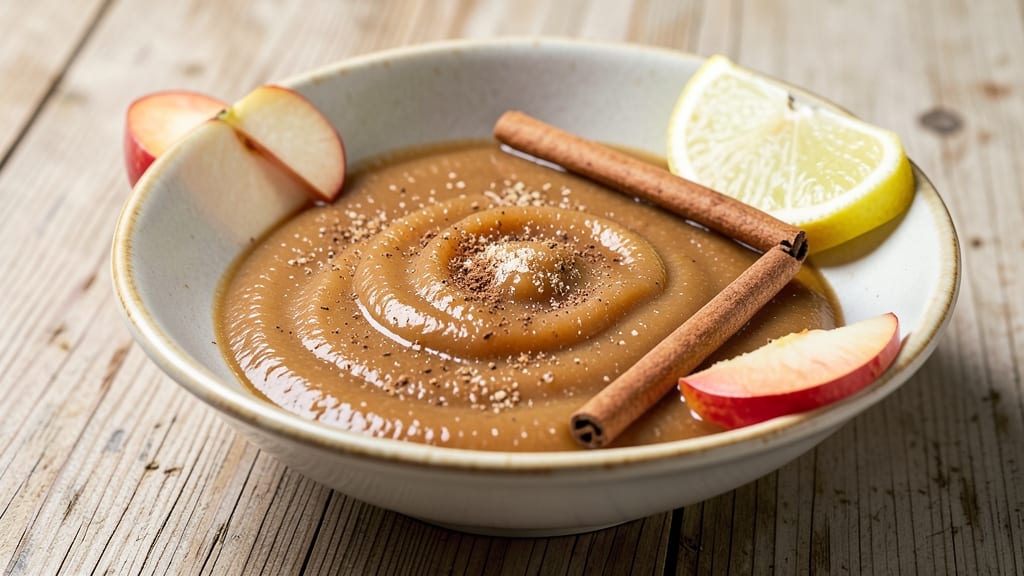
This apple sauce recipe with brown sugar transforms simple apples into a velvety, spiced sweetness that elevates everything from oatmeal to holiday pies. The rich caramel notes from brown sugar deepen the apple flavor while cinnamon and nutmeg add warmth that lingers long after the first bite.
What makes this version special is how quickly it comes together—just 20 minutes of simmering and blending delivers a sauce that’s smooth, naturally sweetened, and perfect for both savory and sweet dishes.
The secret lies in the balance of ingredients: tart apples hold up beautifully to the molasses-like depth of brown sugar, while a pinch of salt and a splash of lemon juice brighten the flavors. You’ll simmer everything in a single pot, then blend until silky—no added thickeners or preservatives needed.
This isn’t just apple sauce; it’s a versatile condiment that transforms ordinary meals into something memorable, whether you’re drizzling it over pancakes or using it as a pie filling.
What you’ll end up with is a homemade apple sauce that’s richer and more complex than store-bought versions, with a texture that’s smooth yet just thick enough to cling to spoons or coat pastries.
The spices infuse the sauce with a cozy, autumnal aroma that makes your kitchen smell like a bakery, while the brown sugar ensures a satisfying sweetness without overpowering the apple’s natural character.
It keeps well in the fridge for up to a week or can be frozen for months, making it a pantry staple worth repeating.
Use it to top yogurt, stir into oatmeal, or spread on toast—this apple sauce is the kind of simple, foolproof recipe that proves homemade always tastes better. The best part? Every batch feels like a hug in sauce form, perfect for fall mornings or holiday gatherings.
Ingredients for apple sauce recipe brown sugar
Eight simple ingredients transform tart apples into velvety, spiced apple sauce that’s richer than store-bought.
| Ingredient | Amount | Notes |
|---|---|---|
| Apples (Mixed Variety) 🍎 | 4 lb | Tart apples like Granny Smith or Honeycrisp |
| Light Brown Sugar 🍯 | 1 cup | Packed, not leveled |
| Water 💧 | 1 ½ cups | Or apple cider for extra flavor |
| Fresh Lemon Juice 🍋 | 2 tbsp | Brightens the flavor |
| Ground Cinnamon 🌿 | 1 ½ tsp | For warm spice notes |
| Ground Nutmeg 🌿 | ¼ tsp | Freshly grated for best flavor |
| Salt 🧂 | ¼ tsp | Kosher or sea salt |
| Unsalted Butter 🧈 | 1 tbsp | Optional for richness |
Apples are the star here—mix tart and sweet varieties for balance. Local farmers markets often have perfect apples for sauce, but the grocery store works too. Look for firm apples with no bruises; they’ll hold up better during cooking. Brown sugar adds that deep caramel flavor, so don’t skimp—pack it tightly into the measuring cup. The butter? Totally optional, but it makes the sauce feel extra luxurious, like a hug in every spoonful. If you’re making this for a crowd, double the batch—it freezes beautifully.
No brown sugar? Dark maple syrup at half the amount works in a pinch, though it’ll be slightly thinner. Fresh nutmeg is ideal, but ground works fine if that’s what you’ve got. The lemon juice can be bottled, but fresh is brighter. Want more depth? Add a splash of vanilla extract or a pinch of allspice. For a vegan version, skip the butter and use coconut oil instead—it adds a lovely tropical note that pairs surprisingly well with the spices.
This sauce keeps for 1 week in the fridge or 6 months in the freezer. For freezing, portion into ice cube trays first—perfect for adding to smoothies or oatmeal later. If it thickens too much after refrigerating, just warm it gently with a splash of water. The spices really sing when the sauce is warm, so reheat on the stovetop for a cozy aroma that’ll make your kitchen smell like autumn. Store in a clean jar with a tight lid to keep it fresh.
Why You'll Love This Recipe
- No Peel, No Stress: I’ll admit—peeling apples used to make me groan. But this sauce? Toss those skins right in with the cores. The texture’s still silky, and the flavor? Even richer from the natural sweetness trapped under the peel. (Yes, even my kids eat their veggies this way now.)
- Sweet-Spiced Magic: That first spoonful of warm, caramelized apples kissed with brown sugar and cinnamon? It’s like autumn in a jar. The lemon juice cuts through the richness just enough to keep it bright—not cloying, not boring. Honestly, I’ve made it for dessert, but I’ve also drizzled it over yogurt at 8 AM. No judgment.
- Pantry Staple Power: Between us, this recipe uses things you’re already buying. Brown sugar, cinnamon, lemons—no specialty trips. And the apples? Use the ones on sale or the ones you’d normally let go bad. I’ve turned bruised Granny Smiths into this sauce more times than I can count. Zero waste, all flavor.
- Make-Once, Use-Twice: Simmer it down, let it cool, and you’ve got a sauce that keeps for weeks in the fridge. Freezes like a dream too—perfect for when you’re lazy or when company drops by unexpectedly. I keep a jar in my freezer just for “emergency” dinners. (Spoiler: It’s always an emergency.)
Step-by-step instructions for homemade apple sauce
Here's how to transform fresh apples into a velvety, spiced sauce that's perfect for pancakes or desserts.
Peel, Core, and Chop the Apples
Start by peeling the 4 lb apples using a vegetable peeler or sharp paring knife. I like to keep the skin on for extra fiber, but peeling makes the sauce smoother. Cut the apples into ¼-inch chunks—smaller pieces cook faster and create a smoother texture.
Core the apples by slicing off the top and bottom, then cutting out the central core with a small knife. Remove any bruised or discolored spots. The goal is even-sized pieces that will soften uniformly. If using a food processor later, slightly larger chunks are fine—they'll break down easily.
Cook the Apples Until Tender
In a large pot or Dutch oven, combine the chopped apples, 1.5 cups water, 1 cup light brown sugar, 2 tbsp fresh lemon juice, 1.5 tsp ground cinnamon, 0.25 tsp ground nutmeg, and 0.25 tsp salt. Stir gently to distribute the spices evenly.
Bring the mixture to a boil over medium-high heat, then reduce to medium-low heat and let it simmer uncovered for 12-15 minutes. You'll know the apples are tender when they break down easily with a fork and the mixture thickens slightly. Stir occasionally to prevent sticking—this is where the magic happens!
Add Butter and Simmer to Perfection
Once the apples are tender, stir in the 1 tbsp unsalted butter. The butter adds richness and helps create a silky texture. Let the mixture simmer for an additional 5-7 minutes until it reaches your desired consistency. For a smoother sauce, mash the apples lightly with a potato masher or spoon.
Taste and adjust the sweetness or spice level if needed. If the sauce is too thick, add 1-2 tablespoons of water to reach a spreadable consistency. If it's too thin, simmer uncovered for another 3-5 minutes to reduce. The sauce should coat the back of a spoon but still be pourable.
Cool and Store for Maximum Freshness
Transfer the apple sauce to a bowl and let it cool to room temperature. The sauce will thicken further as it cools, so don't be alarmed if it looks slightly thicker than when hot. Once cooled, transfer it to an airtight container and refrigerate for up to 5 days or freeze for up to 3 months.
This warm, spiced apple sauce is perfect for topping oatmeal, pairing with roasted meats, or spreading on toast. The brown sugar caramelizes slightly during cooking, adding depth of flavor that store-bought versions can't match. Enjoy it warm or chilled—either way, it's pure comfort in a jar!
Pro Tips For Making Apple Sauce Recipe Brown Sugar
- Peel and Core Like a Pro: Skip the messy knife work—cut apples into quarters first, then slice away the core from the flat side. It’s faster and keeps your fingers safe from the sharp edges. (Yes, even if you’re impatient like me, this cuts prep time in half.)
- Start with a Boil, End with a Simmer: High heat gets the apples softening fast, but once they’re tender, drop the heat to a low simmer. I learned this the hard way—burnt sugar and mushy apples are not a good combo. Let it bubble gently for the last 10 minutes.
- Use Tart Apples, Not Sweet Ones: Honeycrisp or Granny Smith hold their shape better and balance the brown sugar’s sweetness. Avoid Fuji or Gala—they turn to mush and make the sauce cloying. (Your future self will thank you.)
- Strain for Smoothness (Or Don’t): If you want a silky texture, force the cooked apples through a fine-mesh sieve. If you prefer rustic chunks, just mash with a potato masher—it’s quicker and adds nice texture. (Does it look weird? Yes. Does it work? Every single time.)
Common mistakes when making perfect results
Overcooking the Apples
I’ve made this mistake more times than I’d like to admit—simmering the apples too long turns them mushy and turns your beautiful sauce into a watery mess. The goal is tender but still structured apple pieces, not a puree.
Keep a close eye on the sauce after 12 minutes of simmering. Test with a fork: if the apples break down easily but still hold some shape, they’re ready.
Overcooking releases excess liquid, which means you’ll end up with a thinner, less flavorful sauce that won’t hold its shape when used in pies or as a filling. 🍎
Skipping the Lemon Juice
The lemon juice isn’t just for brightness—it balances the sweetness of the brown sugar and prevents the sauce from tasting flat. Without it, the flavors can become cloying, especially if you’re using very sweet apples like Honeycrisp.
I’ve tasted batches where I forgot to add it, and the sauce lacked that fresh, vibrant quality. Start with the full 2 tablespoons and adjust to taste—you can always add more if needed, but you can’t take it out once it’s in. 🍋
Using the Wrong Apples
Not all apples are created equal for sauce-making. Sweet apples like Gala or Fuji will give you a very mild, almost bland sauce, while tart varieties like Granny Smith or McIntosh add the acidity needed to cut through the brown sugar.
I once made this recipe with all sweet apples and ended up with a sauce that tasted like dessert syrup. For the best balance, mix 2 parts tart apples with 1 part sweet apples.
If you only have sweet apples, add an extra 1 tablespoon of lemon juice and a pinch more cinnamon to compensate. 🍏
Ignoring the Butter
While the butter is optional, skipping it means missing out on that rich, velvety texture that makes this sauce feel extra luxurious. The butter doesn’t just add fat—it coats the apples and spices, creating a smoother mouthfeel.
I’ve tasted versions without butter, and while they’re still good, they lack that silky quality. If you’re making this for a special occasion or serving it to guests, the 1 tablespoon of butter makes all the difference.
For a vegan version, swap it for coconut oil, but expect a slightly different texture. 🧈
Not Adjusting Sweetness or Spice
Every batch of apples has different natural sweetness levels, and your taste buds might change from day to day. Tasting and adjusting the sauce before storing it is crucial—don’t assume the 1 cup of brown sugar will be perfect every time.
I’ve had batches where I needed to add another ½ teaspoon of cinnamon or a splash more lemon juice to balance the flavors. Taste as you go, especially after the sauce has cooled slightly, because flavors mellow out as they sit. 🌿
Storing Improperly
Apple sauce thickens as it cools, and if you store it too soon, it can become grainy or develop a skin on top. Let it cool to room temperature first, then transfer it to an airtight container.
I’ve seen people rush this step and end up with a sauce that separates or grows mold faster. For long-term storage, leave ½ inch of headspace in the container to prevent freezer burn.
If you’re freezing it, portion it into ice cube trays first—this makes it easy to grab just what you need later without thawing the whole batch. ❄️
Nutrition facts
Frequently asked questions
Can I substitute white sugar for brown sugar in this recipe?
Yes, but your sauce will taste different. White sugar will make the sauce sweeter with less caramel depth. Use the same amount (1 cup) and add ½ teaspoon of vanilla extract or ¼ teaspoon of molasses to mimic brown sugar's complexity. The texture will be slightly lighter too.
How do I make this apple sauce thicker or thinner?
For thicker sauce, simmer uncovered for 3-5 extra minutes to evaporate liquid. If too thin, blend with 1 tablespoon of cornstarch mixed with water, then reheat. For chunkier texture, mash apples lightly with a fork instead of blending completely.
Can I use frozen apples instead of fresh?
Frozen apples work perfectly—just thaw them first and drain excess liquid. They'll give you a slightly softer texture, but the flavor stays bright. Add 1 extra tablespoon of lemon juice to compensate for any lost freshness during freezing.
What are the best ways to use this spiced apple sauce?
This versatile sauce shines in so many ways! Spread it on toast with cinnamon, stir into oatmeal, or use as pie filling. It also pairs beautifully with roasted pork or chicken, and makes an amazing topping for pancakes or waffles.
Why does my apple sauce turn out grainy?
Graininess usually means the apples weren't cooked long enough or were blended too soon. Let the sauce cool completely before blending for smoother results. If it's already grainy, blend again with 1 tablespoon of water or strain through a fine-mesh sieve for silky perfection.