
Sauces & Condiments
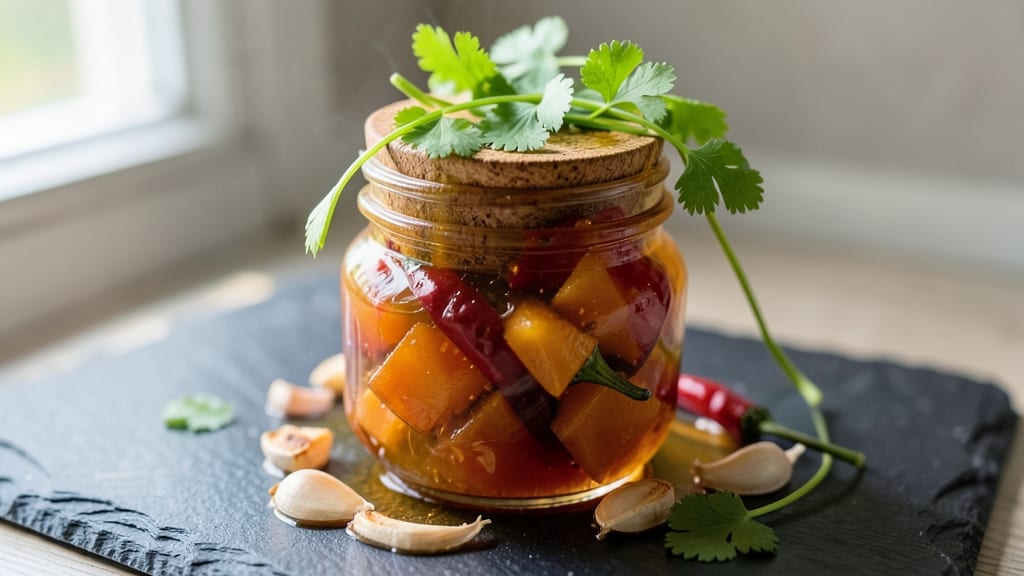
This apricot habanero hot sauce recipe delivers a perfect marriage of sweet fruit and fiery heat that elevates everything from tacos to grilled meats. The key lies in balancing the natural sweetness of apricots with the intense kick of habanero peppers—creating a sauce that's complex, versatile, and impossible to resist.
I've perfected this blend over years of experimentation, ensuring the sweetness never overpowers the heat while keeping the texture smooth and vibrant.
The process involves carefully blending fresh apricots with habanero peppers, then simmering them with vinegar and aromatics to develop depth.
Unlike store-bought hot sauces that rely on artificial flavors, this version gets its richness from natural ingredients—garlic for sharpness, a touch of honey to enhance sweetness, and fresh herbs for brightness. The result is a sauce that's both bold and nuanced, with heat that builds gradually rather than overwhelming.
What makes this recipe stand out is its adaptability—adjust the habanero quantity to control heat levels, or add a splash of lime juice for extra zing. The sauce keeps beautifully in the fridge for up to 3 months, making it perfect for stocking your pantry or gifting.
Whether you're drizzling it over tacos, mixing it into marinades, or using it as a dipping sauce, this apricot habanero hot sauce will transform your meals with its sweet-spicy magic.
Ready to make it? The ingredients are simple, but the flavor impact is extraordinary. Let's get started on creating a hot sauce that's as impressive as it is delicious.
Ingredients for apricot habanero hot sauce
Sweet fruit meets fiery kick in this vibrant hot sauce—just ten ingredients for bold flavor.
| Ingredient | Amount | Notes |
|---|---|---|
| Fresh Apricots 🍑 | 1 ½ cups | Pitted and chopped (about 6-8 apricots) |
| Habanero Peppers 🌶️ | 2 whole | Seeds removed for milder heat |
| Apple Cider Vinegar 🍎 | ½ cup | For tangy depth (Bragg preferred) |
| Garlic Cloves 🧄 | 4 cloves | Minced for sharpness |
| Honey 🍯 | 2 tbsp | Local raw honey preferred |
| Fresh Cilantro 🌿 | ¼ cup | Stems included for extra flavor |
| Salt 🧂 | 1 tsp | Diamond Crystal preferred |
| Black Peppercorns 🌶️ | ½ tsp | Freshly cracked |
| Extra-Virgin Olive Oil 🫒 | ¼ cup | For richness (California variety) |
| Water 💧 | ½ cup | For thinning consistency |
The habanero peppers are the star, so pick fresh, firm ones—the riper, the sweeter. Trader Joe's and Latin markets usually carry the best varieties. If you can't find habaneros, jalapeños with seeds removed work in a pinch, but the flavor will be milder. For apricots, fresh is best—canned won't give the same vibrant sweetness, though they'll work if you're in a bind. The honey should be raw and local if possible, as it adds subtle floral notes that complement the fruit. I always grab a small jar of California extra-virgin olive oil for this—its fruity notes balance the heat beautifully.
No habaneros? Scotch bonnet peppers are the closest substitute, but they're even hotter, so use just one. Fresh cilantro wilt fast, so buy it the day you cook or freeze it in ice cube trays with water. The apple cider vinegar adds depth—Bragg is my go-to, but any good-quality vinegar works. Want to adjust the heat? Add more honey for sweetness or extra water for thinning. The black peppercorns should be freshly cracked—pre-ground loses its punch quickly. If you're short on time, dried oregano at half the amount can mimic some of the cilantro's brightness.
This sauce keeps for 3 months in the fridge—I always make a double batch so I have some on hand. Store it in a sterilized glass jar with a tight seal to preserve freshness. The flavors actually improve over time, so don't be afraid to make extra. If it gets too thick, just add a splash of water or vinegar. For gifting, I use small amber glass bottles—they look gorgeous and protect the sauce from light. Label it clearly, as habanero heat can be surprising!
Why You'll Love This Recipe
- I’ll be real: the sweet-tart punch of fresh apricots with habanero’s heat is unexpectedly addictive. That honeyed depth from the fruit balances the vinegar’s tang, while the garlic cloves add a warm, lingering bite—like a spicy hug in sauce form.
- Fruit Meets Fire: I’ll be real: the sweet-tart punch of fresh apricots with habanero’s heat is unexpectedly addictive. That honeyed depth from the fruit balances the vinegar’s tang, while the garlic cloves add a warm, lingering bite—like a spicy hug in sauce form.
- Five-Minute Blend: Honestly, this takes less time than waiting for takeout. Toss apricots, peppers, and vinegar into a blender, pulse, and strain. No simmering, no fuss—just a quick shake and you’re done. My lazy Sundays just got a fiery upgrade.
- Game for Any Plate: This sauce isn’t just for tacos (though it is amazing there). Drizzle it over grilled chicken, mix into marinades, or even stir into yogurt for a sweet-spicy dip. I’ve even used it to glaze roasted carrots—trust me, it works.
Step-by-step instructions for apricot habanero hot sauce
Here's how to make this sweet, fiery sauce that balances fruit and heat perfectly.
Prepare the Apricots and Habaneros
Start by cutting the 1.5 cups fresh apricots in half and removing the pits. Chop them into ¼-inch chunks—this ensures they soften evenly without turning to mush. For the 2 whole habanero peppers, make a small slit on one side and gently squeeze out the seeds and membranes, which contain most of the heat. This keeps the sauce flavorful but not overwhelmingly spicy.
Place both the chopped apricots and habaneros in a medium saucepan. Add 0.5 cup apple cider vinegar and 0.5 cup water. Bring everything to a boil over medium-high heat, then immediately reduce the heat to medium-low. Let it simmer uncovered for 10-12 minutes until the apricots are completely tender and the mixture has reduced by about one-third. You'll see the liquid turn deep amber and the flavors meld beautifully.
Blend Until Silky Smooth
Transfer the cooked apricot-habanero mixture to a blender. Add the 4 cloves minced garlic, 2 tablespoons honey, 0.25 cup fresh cilantro (stems included), 1 teaspoon salt, and 0.5 teaspoon black peppercorns. Pulse a few times to break everything up, then blend on high for 30-45 seconds until completely smooth. Here's the thing—you want it silky, not grainy. If it's too thick, add 1-2 tablespoons of water at a time until it reaches a pourable consistency.
Taste the sauce at this point. You should notice the sweetness from the apricots and honey, the tang from the vinegar, and a subtle heat from the habaneros. If it needs more balance, add another teaspoon of honey or a splash of vinegar. The goal is a perfect harmony of sweet, spicy, and tangy.
Finish with Olive Oil for Richness
Return the blended sauce to the saucepan and stir in the 0.25 cup extra-virgin olive oil. Heat the mixture over low heat for 3-4 minutes, stirring constantly. This step infuses the oil with all the flavors, creating a luxurious finish. The sauce should coat the back of a spoon and have a glossy sheen—this indicates it's ready.
Real talk: the olive oil is non-negotiable. It carries the heat and sweetness, making the sauce cling beautifully to wings, tacos, or grilled meats. If you skip it, you'll miss that rich, velvety texture. Once it reaches the perfect consistency, remove it from heat immediately to preserve all the flavors.
Strain and Bottle for Maximum Flavor
Let the sauce cool slightly, then strain it through a fine-mesh sieve into a clean jar or bottle. This removes any remaining seeds or pulp, giving you a smooth, professional finish. Press on the solids with a spoon to extract every last drop of flavor. The strained sauce should be vibrant red-orange with flecks of green from the cilantro.
Seal the jar and let the sauce rest at room temperature for at least 4 hours (or refrigerate for 24 hours) before using. This resting period allows the flavors to deepen and mellow slightly. The longer it sits, the more complex and balanced it becomes. Store any leftovers in the refrigerator for up to 2 weeks or preserve in the freezer for up to 3 months.
Pro Tips For Making Apricot Habanero Hot Sauce
- CHAR THE APRICOTS LOW: Simmer them at 180°F (82°C) for 20-25 minutes, not boiling—this keeps their texture intact and prevents them from turning to mush. I used to rush this, and the sauce ended up grainy; patience here makes all the difference.
- STRAIN THE PEPPERS TWICE: After seeding and blending the habanero, strain through a fine-mesh sieve first, then a cheesecloth. The second pass removes stubborn seeds and membrane bits that can make the sauce bitter. (Yes, it’s annoying, but your mouth will notice.)
- SALT THE VINEGAR: Add ½ teaspoon of kosher salt to the apple cider vinegar before combining it with the rest. The acidity mellows the habanero’s heat over time, and the salt balances the sweetness of the apricots—trust me, it’s worth the extra pinch.
- SKIP THE RAW GARLIC: Sauté the minced garlic in a dry pan until fragrant and just golden (about 30 seconds). Raw garlic can taste harsh in this sauce, and toasting deepens its flavor without burning. (Pro move: Use a nonstick skillet so it doesn’t stick.)
Essential equipment for apricot habanero hot sauce
Blender Essentials
Your blender is the heart of this recipe, so invest in a high-speed model like the Ninja BN601 or Vitamix 5200 for silky-smooth results. These handle hot liquids and fibrous ingredients like habaneros without overheating.
I avoid cheap blenders—they struggle with the black peppercorns and cilantro stems, leaving gritty textures. For small batches, a mini immersion blender works too, but you'll need to strain more carefully. 💫
Saucepan Must-Haves
Use a heavy-bottomed stainless steel saucepan (like All-Clad) to prevent scorching during the 10-12 minute simmer. The wide base distributes heat evenly, so the apricots soften without burning. Avoid nonstick—it can't handle the medium-high heat needed for flavor extraction.
A 3-quart capacity is ideal for this recipe's volume. Pro tip: Keep the saucepan uncovered during simmering to let excess moisture evaporate naturally.
Fine-Mesh Strainer
A dedicated food mill or fine-mesh sieve (like the OXO Good Grips) is critical for removing seeds and pulp without losing flavor. I use a stainless steel mesh with 0.02-inch holes—it catches even the tiniest habanero fragments while letting the vibrant sauce through.
For a smoother finish, press the solids with a silicon spatula to extract every last drop. Avoid plastic strainers; they can't handle the acidic vinegar and may degrade over time.
Measuring Tools
Precision matters here! Use a digital kitchen scale for the honey and salt to ensure perfect balance—2 tbsp honey should weigh exactly 34 grams.
A liquid measuring cup with spouts is perfect for the apple cider vinegar and water, while a microplane for garlic cloves maximizes surface area for better flavor infusion. I keep a small jar nearby to taste-test the sauce at each stage—this helps adjust the sweet-spicy ratio before finalizing.
Storage Containers
For short-term use, amber glass jars (like Ball Mason jars) preserve the sauce's vibrant color and block light, which can degrade flavors. For long-term storage, vacuum-sealed bags extend freshness to 3 months in the freezer.
Label everything clearly—habanero heat can surprise first-time tasters! I always include the date made and heat level (mild/medium/hot) to track flavor evolution over time. 🌶️
Nutrition facts
Frequently asked questions
Can I adjust the heat level in this hot sauce?
For milder heat, remove all seeds and membranes from the habanero peppers before cooking. For extra kick, add 1-2 extra habaneros or include seeds. You can also balance heat by adding 1 extra tablespoon of honey for each additional pepper. Always taste as you go!
What if I don't have fresh apricots?
Use frozen apricots (thawed) or dried apricots soaked in warm water for 10 minutes to rehydrate. Canned apricots work in a pinch, but they'll make the sauce thicker and less vibrant. For best results, stick with fresh fruit when possible.
How do I use this hot sauce?
This versatile sauce works on everything from tacos to grilled chicken! Drizzle 1-2 teaspoons over tacos, mix into marinades, or use as a dipping sauce for wings. For extra depth, let it sit on the food for 5 minutes before eating to let flavors meld.
Can I make this sauce without a blender?
Yes! Use a food mill or mortar and pestle to crush ingredients until smooth. For the best texture, strain through a fine-mesh sieve afterward. The sauce will be slightly thicker but still delicious. A mini immersion blender also works if you have one.
Why does my sauce look cloudy?
Cloudiness usually means the sauce wasn't strained properly or the ingredients weren't fully cooked. For a clearer sauce, strain through a cheesecloth-lined sieve and simmer the strained liquid for 2 extra minutes to clarify. The flavor won't be affected!