
Sauces & Condiments
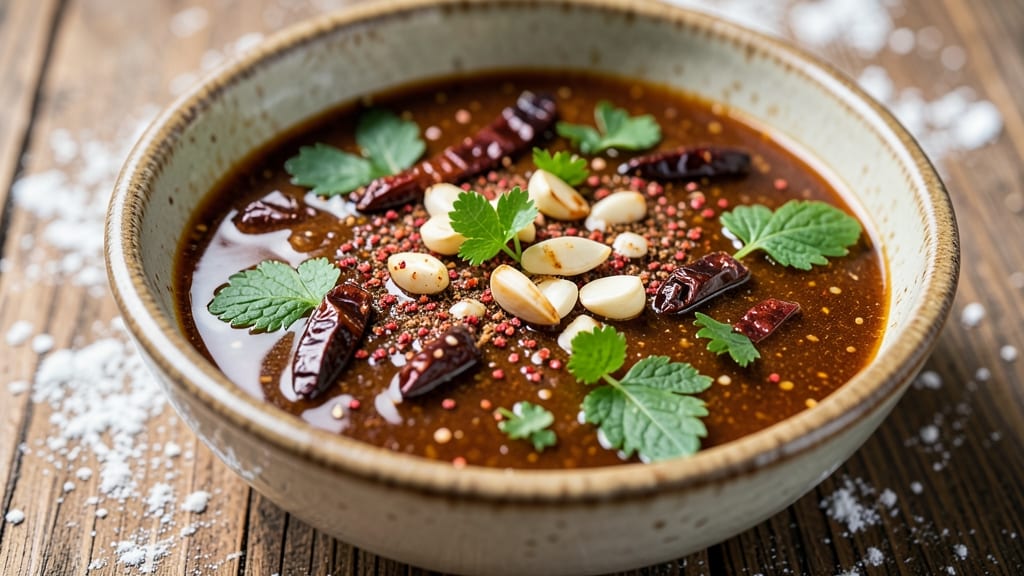
This Arabic hot sauce recipe transforms simple ingredients into a bold, smoky condiment with layers of chili heat and bright herbaceousness. The secret lies in balancing sumac's tangy depth with fresh garlic, chili peppers, and a touch of vinegar—creating a sauce that bridges traditional Middle Eastern flavors with modern versatility.
Unlike store-bought versions, this recipe delivers authentic complexity through careful simmering and blending techniques.
The foundation begins with dried chili peppers and sumac, which infuse the sauce with smoky, citrusy notes that cut through rich dishes. Fresh herbs like parsley or mint add brightness, while garlic and vinegar create that signature tangy kick.
What sets this apart is the optional fermenting step—letting the sauce develop depth over time for a restaurant-quality finish. Even without fermenting, the sauce delivers vibrant heat in just 30 minutes.
Perfect for drizzling over grilled meats, dipping crispy falafel, or brightening up hummus, this hot sauce elevates every bite with its smoky-sweet-spicy profile. The texture is smooth yet vibrant, with just enough body to cling to food.
Best of all, it keeps well in the refrigerator for up to 3 months, making it a pantry staple for bold flavors.
For those who love customization, try adding a touch of pomegranate molasses for fruity depth or smoked paprika for extra smokiness. The recipe scales easily—double the batch for gifting or entertaining. Let's create a sauce that transforms ordinary meals into extraordinary experiences.
Ingredients for arabic hot sauce
Ten ingredients blend smoky, citrusy, and herbaceous notes for a vibrant Arabic hot sauce.
| Ingredient | Amount | Notes |
|---|---|---|
| Dried Chili Peppers (Aleppo or Guajillo) 🌶️ | ½ cup | Crushed for smoky depth |
| Sumac 🌿 | ¼ cup | Ground for citrusy tang |
| Fresh Garlic Cloves 🧄 | 6 cloves | Minced for aromatic punch |
| White Vinegar 🍶 | ½ cup | Distilled for sharp tang |
| Fresh Parsley Leaves 🌿 | ½ cup | Chopped for herbaceous brightness |
| Fresh Mint Leaves 🌿 | ¼ cup | Optional for extra zing |
| Extra-Virgin Olive Oil 🫒 | ½ cup | High-quality for richness |
| Pomegranate Molasses 🍇 | 2 tbsp | Optional for fruity depth |
| Salt 🧂 | 1 tsp | Kosher for balanced seasoning |
| Smoked Paprika 🌶️ | 1 tsp | Optional for extra smokiness |
The dried chili peppers are the heart of this sauce—Aleppo for mild heat or Guajillo for deeper smokiness. Most Middle Eastern markets carry these, but Whole Foods or specialty grocery stores stock them too. Look for vibrant, unbroken pods with no moisture stains. Sumac should be bright red and finely ground, available in bulk bins at Trader Joe's or online. Fresh herbs like parsley and mint add brightness; if using mint, spearmint works best for a classic flavor. For garlic, organic cloves minimize bitterness and enhance aroma.
No sumac? Lemon zest plus a pinch of citric acid mimics its tang, though it won’t replicate the complex sour notes. Substitute dried parsley at half the amount if fresh isn’t available. Vinegar can be swapped for apple cider vinegar, though white vinegar’s sharpness is ideal. Pomegranate molasses adds depth—substitute date syrup if unavailable. The smoked paprika is optional but enhances the sauce’s smoky character; regular paprika at double the amount works in a pinch. For a smoother texture, blend the chili peppers first before adding other ingredients.
This sauce keeps for up to 3 months in the refrigerator, with flavors deepening over time. Store in a clean, airtight glass jar to preserve freshness. For fermenting, add 1 tsp of sea salt and let sit at room temperature for 3-5 days before refrigerating. The sauce thickens as it ferments, so thin with water or vinegar if needed. Portion into small jars for gifting—label with the date to track freshness. Freezing is possible for up to 6 months, though texture may soften slightly.
Why You'll Love This Recipe
- No-Fuss Blend: I swear by this recipe because it’s three ingredients and a blender—no peeling, no straining, no fuss. Toss dried peppers, garlic, and vinegar in, pulse, and boom. Even my lazy Sunday afternoons get a flavor upgrade.
- Sumac Magic: That tangy, citrusy kick from sumac? It’s the secret weapon. The vinegar sharpens the heat, but the sumac softens it into something bright and addictive—like a spicy lemonade for your taste buds. (Yes, even on a Tuesday night.)
- Pantry Staple Power: Honestly, I make a big batch and keep it in my fridge for weeks. Drizzle it on grilled meats, mix it into hummus, or toss it with roasted veggies—it’s the one sauce that makes everything better without trying too hard.
- Budget Booster: Dried peppers and sumac last forever, and garlic and vinegar? Cheap as dirt. I’ve turned $5 worth of ingredients into a jar that feels like a luxury. Plus, it’s way cheaper than store-bought hot sauces that taste like chemicals.
Step-by-step instructions for smoky sumac and chili hot sauce
This method delivers a balanced blend of smoky heat, citrusy brightness, and fresh herb complexity.
Toast and Grind the Dried Chili Peppers
Heat a dry skillet over medium heat. Add the 0.5 cup dried chili peppers (Aleppo or Guajillo) and toast for 1-2 minutes until fragrant and slightly puffed. This step deepens their smoky character and removes any potential bitterness. Watch closely—they'll darken quickly, but you want them aromatic rather than burnt.
Transfer the toasted peppers to a clean spice grinder or mortar and pestle. Grind them into a fine powder, working in batches if needed. The texture should resemble coarse sand—this ensures even distribution throughout the sauce. If using a food processor, pulse briefly to avoid overheating the oil later in the process.
Bloom the Spices and Aromatics
In a heavy-bottomed saucepan, combine the ground chili peppers with the 0.5 cup extra-virgin olive oil over low heat. Stir constantly for 3-4 minutes until the mixture smells rich and the spices release their oils. This infusion process creates the sauce's velvety base while developing complex, layered flavors.
Add the 6 minced fresh garlic cloves and 1 tsp smoked paprika to the pan. Cook for another 1 minute** until the garlic turns golden and fragrant. Remove from heat immediately—garlic burns faster than you might expect, and you want aromatic sweetness, not bitter char.
Incorporate Acid and Tang
Return the pan to medium heat and whisk in the 0.5 cup white vinegar and 2 tbsp pomegranate molasses. Simmer gently for 5 minutes until the mixture reduces slightly and the vinegar's sharpness mellows. The molasses will deepen the sauce's complexity with its fruity undertones, creating a subtle sweet-savory contrast.
Sprinkle in the 0.25 cup sumac and 1 tsp salt, stirring continuously. The sumac will dissolve completely, adding its signature citrusy tang that cuts through the heat. Taste the mixture now—you should detect the chili's warmth, the garlic's pungency, and the vinegar's brightness all working in harmony.
Blend and Finish with Fresh Herbs
Remove the sauce from heat and let it cool slightly for 5 minutes. Transfer to a blender and add the 0.5 cup chopped fresh parsley leaves and 0.25 cup chopped fresh mint leaves. Blend until completely smooth, scraping down the sides as needed. The herbs will add vibrant freshness that balances the smoky, spicy elements.
Strain the sauce through a fine-mesh sieve into a clean jar, pressing gently on the solids to extract maximum flavor. The resulting sauce should be vibrant red with flecks of herb, and its aroma should be complex—smoky, citrusy, and herbaceous with a hint of sweetness from the molasses. Let it cool completely before sealing.
Rest and Adjust for Perfect Balance
Allow the sauce to rest at room temperature for 1 hour before tasting. This resting period lets the flavors meld and intensify. After resting, taste and adjust the seasoning—add more vinegar if it needs more tang, more salt if it's too mild, or a pinch more chili powder if the heat feels subdued.
The sauce should have a perfect balance: the chili's heat should be present but not overwhelming, the sumac's tang should brighten without being sour, and the herbs should add freshness that makes each bite vibrant. Store in an airtight jar in the refrigerator for up to 3 months, or freeze for longer storage. Use it to elevate grilled meats, roasted vegetables, or even drizzle over fresh salads.
Pro Tips For Making Arabic Hot Sauce
- Toast Your Peppers: I learned this the hard way—dry-roasting Aleppo or Guajillo peppers in a skillet over medium heat for 2-3 minutes until fragrant and slightly charred makes a world of difference. The smoky depth they add is what separates good sauce from great sauce, and it only takes 5 minutes of your time.
- Stem and Seed Carefully: Remove stems and seeds from dried peppers before toasting, but leave the membranes intact—they hold the heat and flavor. I used to skip this, and my sauce always tasted uneven. A quick pinch-and-pull with your fingers works better than scissors, which can snip off precious bits.
- Crush Garlic, Don’t Mince: Use the flat side of your knife to smash garlic cloves into a rough paste instead of mincing them fine. This keeps the sauce’s texture balanced and prevents it from turning into a chunky, unblended mess. (Yes, even if you’re impatient like me.)
- Strain Twice for Smoothness: After simmering the sauce, strain it through a fine-mesh sieve first to catch any lingering pepper skins or garlic bits, then press it through a cheesecloth for a silky finish. I was skeptical until I tried it—the difference in mouthfeel is noticeable, and it’s worth the extra 30 seconds.
Regional styles of these flavors
Levantine Style
The Levantine approach focuses on bright citrus notes and herbaceous freshness. In this version, swap the sumac for 1 tbsp lemon zest plus ½ tsp citric acid to mimic its tang.
Boost the herbs with ¼ cup cilantro alongside the parsley and mint, then add 1 tbsp orange blossom water for floral depth. Simmer the sauce with 1 cup tomato paste for a thicker, jam-like consistency—perfect for drizzling over grilled lamb or falafel. 🌿
North African Twist
For a North African take, replace the sumac with 2 tbsp harissa paste (about 1 tsp) and add 1 tsp ground coriander for warmth. Use red wine vinegar instead of white to deepen the acidity, and finish with 1 tsp preserved lemon peel (finely chopped).
This version works beautifully with tagines or spiced chickpea stews, offering a richer, more complex heat profile. 🍷
Smoky Chipotle Fusion
This smoky chipotle variation swaps Aleppo peppers for 3-4 dried chipotle peppers (soaked in ½ cup hot water for 15 minutes first). After toasting, blend the chipotles with their soaking liquid for a deep, smoky base.
Add 1 tsp ground cumin and ½ tsp cinnamon during the blooming step, then finish with 1 tbsp honey to balance the heat. Drizzle over pulled pork tacos or roasted sweet potatoes for a bold, smoky kick. 🔥
Fermented Version
For a fermented hot sauce with probiotic benefits, reduce the vinegar to ¼ cup and add 1 tsp sea salt. After blending, transfer the sauce to a clean glass jar, leaving 1 inch of headspace.
Cover loosely (or use a fermentation lid) and let sit at room temperature for 3-5 days, stirring daily. The sauce will thicken and develop a tangy, funky depth. Refrigerate afterward—this version pairs perfectly with grilled vegetables or sharp cheeses like halloumi. ❄️
Sweet Date Variation
This sweet and spicy twist replaces pomegranate molasses with 3 tbsp date syrup and adds ½ tsp cardamom during the blooming step. Use apple cider vinegar for a milder acidity, and finish with 1 tsp orange zest for brightness.
The result is a sweet-spicy sauce ideal for dipping crispy samosas or glazing grilled chicken skewers. Store in the fridge for up to 4 months—the flavors only improve with time! 🍯
Nutrition facts
Frequently asked questions about Arabic hot sauce
Can I make this hot sauce without sumac?
Sumac adds that signature citrusy tang, but you can substitute with 1 tbsp lemon zest plus ½ tsp citric acid for a similar bright flavor. For extra depth, try ½ tsp dried lemon peel instead. The sauce will still have great complexity, just with a slightly different profile.
How do I adjust the heat level?
Start with Aleppo peppers for mild heat, or swap in Guajillo or chipotle peppers for smokier intensity. For extra spice, add ½ tsp cayenne pepper after blending. If it's too hot, thin with 1 tsp vinegar or water per 2 tbsp sauce. Always taste as you go!
What's the best way to store homemade hot sauce?
Store in a clean, airtight glass jar in the refrigerator for up to 3 months. For longer storage, freeze in ice cube trays (thaw quickly in warm water). Fermented versions keep 4-6 months refrigerated. Always use a clean spoon to avoid contamination, and label with the date.
Can I make this sauce without fresh herbs?
Yes! Use 1 tbsp dried parsley and ½ tbsp dried mint (reduce to ½ the amount of fresh). For extra flavor, add ½ tsp dried thyme. The sauce will still be vibrant, though the texture may be slightly less smooth. Fresh herbs add brightness that dried can't fully replicate.
What are the best foods to serve with this hot sauce?
This sauce shines with grilled meats (lamb, chicken, or beef), falafel, hummus, or roasted vegetables. Drizzle over pita bread for a quick snack, or use as a marinade base. It also elevates seafood dishes like grilled shrimp or octopus. The smoky-sweet-spicy balance works with both rich and light flavors!