
Sauces & Condiments
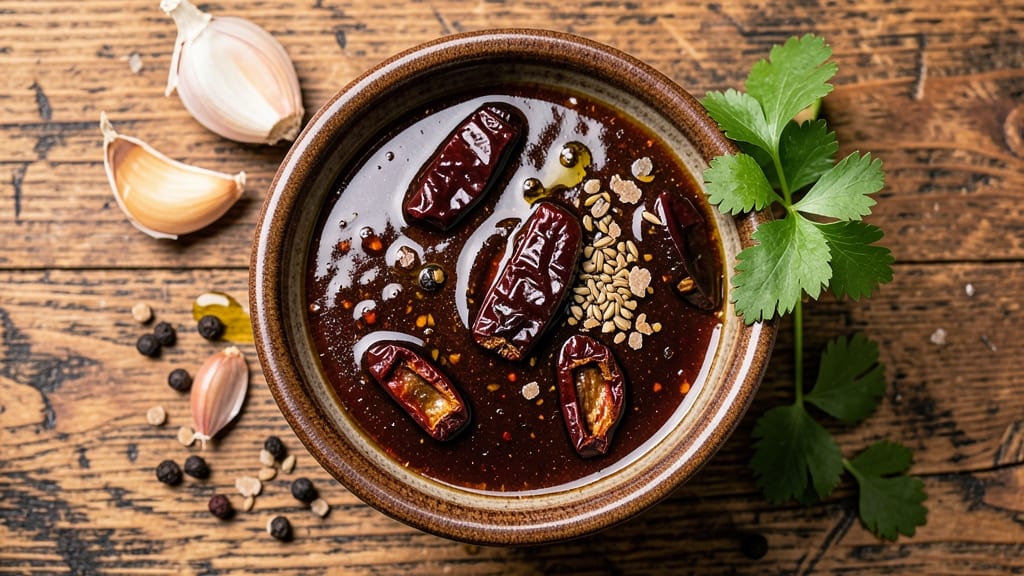
Arbol chile hot sauce delivers the perfect balance of smoky depth, fruity brightness, and lingering heat that elevates everything from tacos to grilled meats. This recipe transforms roasted arbol chiles into a complex, fermented sauce with layers of garlic, vinegar, and a touch of sweetness that keeps the heat from overwhelming. The slow simmering process develops rich, caramelized notes that set it apart from store-bought versions.
The secret to this sauce lies in its fermentation step, which deepens the flavor profile while preserving the chiles' natural fruity undertones. You'll start by roasting the chiles to enhance their smoky character, then blend them with garlic, apple cider vinegar, and a hint of brown sugar for balance.
The sauce thickens slightly as it simmers, creating a glossy finish that clings beautifully to food.
What you'll end up with is a versatile hot sauce that's bold enough to stand alone but nuanced enough to complement complex dishes. The fermentation process adds complexity, while the vinegar base ensures tangy brightness that cuts through richness.
This isn't just heat—it's a multi-dimensional condiment that transforms simple meals into restaurant-quality experiences.
Perfect for gifting, meal prep, or keeping on hand for spontaneous flavor boosts, this sauce stays fresh for months in the refrigerator. Whether you're drizzling it over tacos, mixing into marinades, or using as a dipping sauce, the depth of flavor will impress even the most discerning palates.
Let's get started on creating this exceptional condiment.
Ingredients for arbol chile hot sauce
Nine ingredients transform simple chiles into restaurant-quality hot sauce with smoky depth and fruity complexity.
| Ingredient | Amount | Notes |
|---|---|---|
| Arbol Chile Peppers 🌶️ | 1 cup | Dried, stems removed |
| Apple Cider Vinegar 🍎 | 1 cup | Raw, unfiltered preferred |
| Garlic Cloves 🧄 | 6 whole | Fresh, peeled, slightly crushed |
| Light Brown Sugar 🍚 | ¼ cup | Packed, for subtle sweetness |
| Extra-Virgin Olive Oil 🫒 | ½ cup | For richness and balance |
| Salt 🧂 | 1 ½ tsp | Diamond Crystal preferred |
| Water 💧 | ½ cup | Filtered for clarity |
| Cumin Seeds 🌿 | ½ tsp | Toasted for depth |
| Black Peppercorns 🌶️ | ¼ tsp | Freshly cracked |
The arbol chiles are the heart of this sauce—look for vibrant, deep red dried peppers at Latin markets or specialty stores like La Tienda. They should be completely dry with no moisture, which prevents mold during fermentation. If you can't find them fresh, Penzeys Spices carries dried arbol peppers in bulk. Toast them lightly in a dry skillet before blending to enhance their smoky notes. The vinegar matters too—raw, unfiltered apple cider vinegar adds complexity that pasteurized versions lack.
No arbol chiles? Substitute with a mix of dried guajillo and ancho peppers (half and half) for similar fruity depth. Short on brown sugar? Maple syrup at half the amount works beautifully. The cumin seeds are non-negotiable—they bridge the heat and smokiness. Toast them in a dry pan for 30 seconds until fragrant, then grind lightly with the peppercorns. For a smoother sauce, strain through a fine-mesh sieve after simmering. If you're sensitive to heat, reduce the chiles to 3/4 cup and add 1 extra tbsp of brown sugar for balance.
This sauce ferments beautifully—keep it in a clean glass jar with a loose lid for 2-4 weeks in a cool, dark place. The flavor deepens over time, but it's ready to use after just 48 hours. Once opened, store in the fridge where it'll stay fresh for 6-8 months. I always make a double batch—one jar for immediate use, another to age. The fermentation process develops a tangy richness that's impossible to replicate with quick methods, making this worth the wait.
Why You'll Love This Recipe
- No Chopping Needed: I swear by this—just toss whole arbol peppers into the vinegar, no dicing, no peeling. The heat infuses perfectly, and you’re left with a smooth, fiery sauce that’s ready in 10 minutes of hands-off simmering.
- Sweet Heat Balance: That brown sugar isn’t just for looks—it mellows the arbol’s sharpness into something complex, like a smoky campfire with a caramel finish. Honestly, it’s the kind of sauce that makes you reach for seconds without even thinking.
- Pantry Staple Magic: Between us, this recipe uses things you already own: vinegar, garlic, oil. No specialty trips, no extra shopping. I’ve made it for tacos, eggs, even drizzled it over grilled cheese—it’s the ultimate flavor multiplier.
- Lasts for Weeks: One batch stretches across my fridge for ages. The vinegar preserves it, and the garlic keeps it vibrant. I’ll be real: I’ve had this sauce sit for a month, and it’s still punchy enough to wake up a dull dish. Budget win, shelf-life win.
Step-by-step instructions for arbol chile hot sauce
Here's how to craft a vibrant hot sauce with balanced heat and complexity.
Toast the Spices for Depth of Flavor
In a dry skillet over medium heat, toast the 0.5 tsp cumin seeds and 0.25 tsp black peppercorns for 1-2 minutes until fragrant and lightly browned. You'll smell their aromatic oils releasing—this is when they develop their full depth of flavor. Immediately transfer them to a small bowl and let cool completely before adding to the sauce.
The reason we toast these spices first is to enhance their natural oils without burning them. If they darken too quickly, remove from heat immediately—over-toasted spices will taste bitter rather than aromatic. Keep the toasted spices handy as we'll use them in the next step.
Rehydrate and Prepare the Arbol Chile Peppers
Place the 1 cup dried arbol chile peppers in a heatproof bowl and pour the 1 cup apple cider vinegar over them. Let them soak at room temperature for 30 minutes until fully softened and pliable. This rehydration step is crucial—it helps break down the peppers' cell walls, releasing their natural oils and creating a smoother, more balanced sauce.
While the peppers soak, crush the 6 whole garlic cloves lightly with the flat side of a chef's knife—just enough to break their skins without pulverizing them. This preserves their texture while allowing the flavors to infuse more quickly during cooking. Drain the peppers, reserving the vinegar for later use.
Build the Base with Heat and Sweetness
In a medium saucepan, combine the rehydrated peppers, reserved vinegar, 0.25 cup light brown sugar, 1.5 tsp salt, and 0.5 cup water. Bring to a simmer over medium heat and cook uncovered for 10-12 minutes until the mixture reduces by about one-third and the peppers become tender when pierced with a fork.
Here's where the magic happens—the sugar and salt work together to balance the heat while the vinegar preserves the peppers' natural acidity. Stir occasionally, scraping up any browned bits from the bottom of the pan—they're packed with concentrated flavor. You'll notice the sauce darkening slightly as it reduces, which is perfect for developing that rich, smoky character.
Blend and Emulsify for Silky Texture
Using an immersion blender, carefully blend the pepper mixture until completely smooth. If you prefer a chunkier texture, you can strain the mixture through a fine-mesh sieve instead. With the blender still running, slowly drizzle in the 0.5 cup extra-virgin olive oil while maintaining a steady stream. This creates an emulsion that gives the sauce its signature velvety texture.
I like to add the toasted spices back into the sauce at this stage, giving them one final stir to distribute their flavors evenly. The olive oil not only adds richness but also helps carry the heat throughout each drop of sauce. If the sauce appears too thick after blending, you can thin it with a splash of hot water—just enough to reach your desired consistency.
Rest and Develop Complexity
Transfer the hot sauce to a clean glass jar and let it rest at room temperature for 24 hours before using. This resting period allows all the flavors to meld together and for any initial sharpness to mellow out. You'll notice the colors deepen and the aromas become more complex as the ingredients integrate.
For best results, store the hot sauce in the refrigerator where it will continue to develop flavor over time. The acidity from the vinegar acts as a natural preservative, so it should keep for several months. Each time you open the jar, give it a good stir—the flavors will have settled, and you'll want to redistribute them evenly for maximum impact.
Pro Tips For Making Arbol Chile Hot Sauce
- STEAM THE PEPPERS FIRST: Toss whole arbol peppers into a dry skillet over medium heat for 30 seconds—just until they start to sweat. This softens their tough skins so they release more oil and flavor when blended, without burning. (Yes, they’ll still be bright red, but the texture will be silky.)
- USE RAW GARLIC: Skip the pre-minced stuff—peel and crush whole cloves with the flat side of your knife before adding them. Raw garlic adds a sharper punch and blends more evenly, while pre-minced garlic can turn your sauce bitter. (Trust me, your taste buds will notice.)
- SIMMER LOW AND LONG: Reduce the heat to a bare simmer after adding vinegar and sugar, then let it cook uncovered for 20-25 minutes. This evaporates excess moisture and deepens the caramelized sweetness without scorching. (High heat = burnt vinegar. Low heat = restaurant-quality sauce.)
- STRAIN FOR SMOOTHNESS: After blending, strain the sauce through a fine-mesh sieve lined with cheesecloth to remove seeds and skins. It takes 5 extra minutes, but the result is silky, not gritty. (I used to skip this—now I never go back.)
Regional styles of these flavors
Mexican Tradition
This hot sauce traces its roots to Mexico's Yucatán Peninsula, where arbol chiles have been used for centuries in traditional salsa roja. The fermentation process mirrors ancient methods where chiles were soaked in vinegar to preserve them and develop complex flavors.
In Yucatán, it's commonly used as a dipping sauce for tacos al pastor or mixed into cochinita pibil marinades. 🌶️
Texas Twist
In Texas, the sauce gets a smoky BBQ adaptation by adding mesquite wood chips during simmering (replace 1 tbsp water with wood chips). This version pairs perfectly with brisket or smoked sausage.
I've seen it drizzled over queso dip at Texas BBQ joints, creating a sweet-heat contrast that's addictive. The key is using white vinegar instead of apple cider to complement the smoky profile.
Caribbean Fusion
For a tropical twist, blend in 1 tbsp lime juice and 1 tsp grated ginger during the simmer. This version works beautifully with jerk chicken or grilled mahi-mahi. The citrus brightens the sauce while the ginger adds a subtle warmth.
I first tried this adaptation at a Puerto Rican food festival where it was served as a mojo-style sauce for seafood. The fermentation process actually enhances the tropical notes over time.
Spanish Influence
Spanish settlers introduced paprika to Mexico, and this sauce adapts beautifully by adding 1 tsp smoked paprika during the simmer. The result is a smooth, slightly sweet hot sauce perfect for paella or grilled lamb chops.
I've made this version for Spanish tapas nights—it adds a sophisticated depth that pairs well with manchego cheese and marinated olives. The paprika also helps balance the heat for those sensitive to spice.
Modern Fermented Adaptation
For a contemporary take, extend the fermentation to 4-6 weeks in a mason jar with a loose lid. The longer fermentation develops funky, umami notes similar to hot sauce from Mexico City's street vendors. I've experimented with adding 1 tsp fish sauce during fermentation for an extra layer of complexity.
This version works exceptionally well with ramen broth or as a dipping sauce for dumplings. The texture becomes almost syrupy, perfect for drizzling.
Smoky Grill Version
For outdoor cooking enthusiasts, try smoking the chiles before blending by placing them in a smoker at 200°F for 15 minutes. This adds a campfire aroma that's perfect for grilled steaks or burgers.
I developed this version after a camping trip where we ran out of store-bought hot sauce—using the smoker transformed the sauce into something entirely new. The smoky depth makes it ideal for smoked ribs or grilled corn on the cob. 🔥
Nutrition facts
Frequently asked questions
Why does this recipe use apple cider vinegar instead of white vinegar?
The apple cider vinegar adds fruity depth and complexity that white vinegar can't match. Its natural sweetness helps balance the heat while creating a richer, more nuanced flavor profile perfect for this fermented sauce. The raw, unfiltered version contains trace minerals that enhance the fermentation process too!
How do I adjust the heat level if arbol chiles are too spicy?
Start by reducing the dried chiles to 3/4 cup instead of 1 cup. For extra balance, add 1 extra tablespoon of brown sugar or 1 teaspoon of honey during simmering. The fermentation process will naturally mellow the heat slightly over time, so don't worry if it seems intense at first.
Can I make this hot sauce without fermentation?
Yes, but you'll miss the complex depth! For a quick version, skip the fermentation and use 1/4 cup white vinegar instead of apple cider vinegar, plus 1/2 teaspoon citric acid to preserve it. Simmer for 15 minutes instead of 10-12, then blend with oil. This version will last about 2 months in the fridge but won't develop the same rich character.
What's the best way to use up extra hot sauce?
Freeze in ice cube trays for perfect portions in marinades or soups! It also makes an amazing glaze for grilled meats—brush on during the last 2 minutes of cooking. For seafood lovers, mix with mayonnaise and lime juice for a spicy ceviche sauce. The possibilities are endless once you have this versatile base!
How do I fix a sauce that's too thick or too thin?
For thick sauce, thin with 1 teaspoon hot water at a time while stirring. For thin sauce, simmer uncovered for 5-10 extra minutes to reduce. If using an immersion blender, blend longer to emulsify the oil better. Remember: the sauce will thicken slightly as it cools and rests. The perfect consistency should coat the back of a spoon but still drizzle smoothly.