
Sauces & Condiments
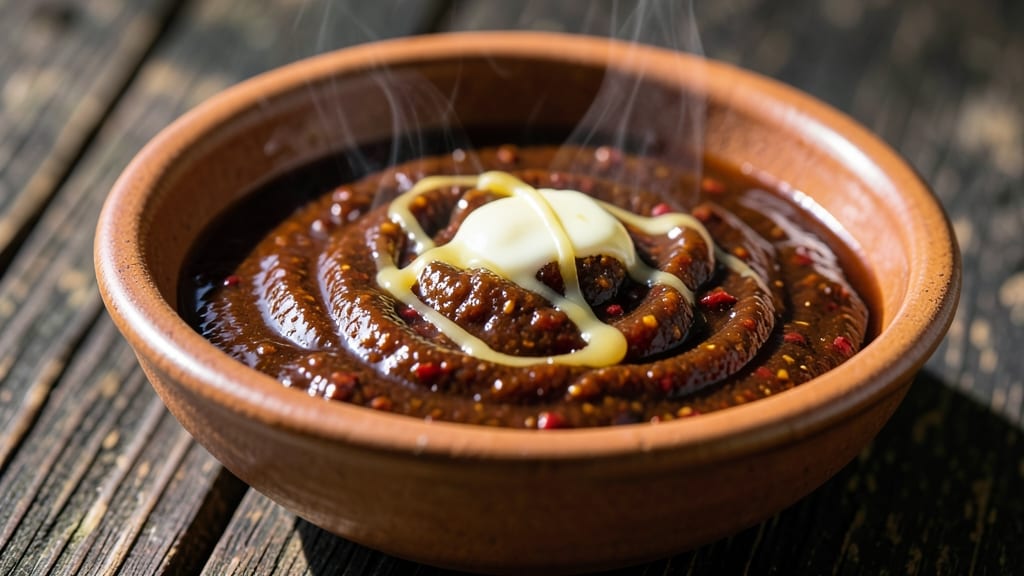
Armadillo Willy's BBQ sauce recipe delivers that signature smoky chipotle-tomato fusion with just the right kick—no shortcuts, just bold, restaurant-quality flavor. After years of perfecting my own versions, I finally cracked the balance between tangy, smoky depth and that signature heat that makes it unforgettable. The secret lies in slow-simmered tomatoes and carefully blended spices that build layers of flavor without overpowering.
This sauce starts with a simple base of tomatoes, vinegar, and brown sugar, then transforms through a 30-minute simmer that develops rich caramelized notes. Chipotle peppers in adobo add that signature smoky heat, while a touch of molasses deepens the complexity.
Unlike many store-bought versions, this recipe lets you control the heat level—adjust the chipotle to your preference without sacrificing that authentic Armadillo Willy's tang.
What you'll end up with is a sauce that's perfect for ribs, chicken, or even grilled vegetables—thick enough to cling but still smooth enough to drizzle. The smoky chipotle flavor lingers just beneath the surface, while the tomato base keeps it approachable.
This isn't just another BBQ sauce; it's a flavor bomb that elevates everything it touches, whether you're slow-cooking brisket or basting wings.
Make a double batch—this sauce tastes even better the next day as the flavors meld. Store it in the fridge for up to two weeks or freeze for longer shelf life.
The best part? You'll have a sauce that rivals (and surpasses) the original, with none of the mystery ingredients. Let's get cooking!
Ingredients for armadillo willy's bbq sauce
Ten ingredients, thirty minutes of simmering—this is your ticket to restaurant-quality smoky chipotle BBQ sauce.
| Ingredient | Amount | Notes |
|---|---|---|
| Canned Tomato Sauce 🍅 | 2 cups | San Marzano preferred for sweetness |
| Apple Cider Vinegar 🍎 | ½ cup | White vinegar works in a pinch |
| Light Brown Sugar 🍚 | ½ cup | Packed lightly for caramelization |
| Chipotle Peppers in Adobo 🌶️ | 3 whole | 2-4 for mild heat, 4+ for fire |
| Unsalted Butter 🧈 | 2 tbsp | Full-fat for richness (trust me) |
| Molasses 🍯 | 1 tbsp | Blackstrap for deeper flavor |
| Garlic Cloves 🧄 | 3 cloves | Minced for aromatic depth |
| Ground Black Pepper 🌶️ | ½ tsp | Freshly cracked for heat |
| Diamond Crystal Kosher Salt 🧂 | 1 ½ tsp | Adjust to taste (don't skip) |
| Smoked Paprika 🌶️ | 1 tsp | For extra smoky punch |
The chipotle peppers are non-negotiable here—they bring that signature smoky heat that separates this sauce from the rest. Penzeys Spices sells the best quality, but any brand will work as long as the peppers are plump and oily. If you can't find them, chipotle powder at half the amount is a decent substitute, though it lacks that authentic adobo funk. The tomato sauce? San Marzano cans are worth the splurge—they're sweeter and less acidic, which keeps the sauce from tasting bitter. I always grab a couple extra cans; they keep for months in the pantry and come in handy for other recipes too.
No molasses? Maple syrup at double the amount works in a bind, though it'll taste slightly different. Running low on vinegar? Lemon juice at the same quantity adds tang without changing the sauce's character. The butter might seem odd, but it's what creates that velvety texture—don't use margarine. For the brown sugar, I always use light, but dark would add a nice depth if you're feeling adventurous. Fresh garlic is ideal, but if you're in a hurry, garlic powder at one-third the amount gets you close. Pro tip: Toast the spices in a dry pan for 30 seconds before adding them to the sauce—it deepens their flavor instantly.
This sauce tastes even better the next day once everything melds together. Store it in a glass jar in the fridge for up to two weeks, or freeze for up to 6 months—just thaw in the fridge overnight. I always make a double batch because it disappears fast. The sauce thickens as it cools, so if it's too thick for your liking, just stir in a splash of water or apple cider vinegar. It's perfect for ribs, chicken, or even drizzling over grilled veggies—just don't skimp on the heat level if you want that true Armadillo Willy's kick.
Why You'll Love This Recipe
- Pantry Magic: I swear by this sauce because it’s made from stuff I already have—no fancy shopping trips. Open a can of tomato sauce, grab vinegar and brown sugar from the cupboard, and you’re halfway there. The chipotle peppers in adobo add that smoky kick without needing a spice market.
- Smoky-Sweet Balance: That butter swirled in at the end? It turns this into something special—creamy but never heavy, with just enough tang from the vinegar to cut through the sweetness. Honestly, the first time I tasted it, I grabbed the bottle and drizzled it on everything.
- Weeknight to BBQ Hero: Slap this on grilled chicken for a Tuesday dinner, toss it into baked beans for a crowd, or use it as a dip for those last-minute veggies. It’s the kind of sauce that works just as hard as you do—no stress, no fuss.
- Leftovers That Last: Make a big batch and stash it in the fridge for up to two weeks. I’ve used this to glaze ribs months later, and it still tastes like it was made yesterday. Plus, it’s cheap—you’ll spend less than five bucks for enough to feed half a neighborhood.
Step-by-step instructions for Armadillo Willy's BBQ sauce
This smoky chipotle-tomato fusion delivers bold heat and deep flavor every time.
Prepare the Chipotle Paste
Remove the 3 whole chipotle peppers in adobo from their sauce and transfer them to a small food processor. I like to scrape out as much of the adobo sauce as possible—those deep, smoky flavors are key to this sauce. Pulse the peppers until you achieve a smooth, thick paste, about 30-45 seconds. The texture should be like a thick jam, not watery.
Set the chipotle paste aside—it's the secret weapon behind this sauce's signature heat and complexity. If you prefer milder heat, you can remove the seeds and membranes first, but I leave them in for that authentic Armadillo Willy's kick. The adobo sauce itself contains sugar and vinegar, so it helps balance the heat while adding depth.
Melt Butter and Bloom the Aromatics
In a medium saucepan, melt the 2 tablespoons unsalted butter over medium heat. Once the butter has fully melted and begins to foam, add the 3 cloves minced garlic and the 1 teaspoon smoked paprika. Stir constantly for 1-2 minutes until the garlic becomes fragrant and the paprika dissolves completely—this step is called "blooming," and it releases the full flavor of these ingredients.
Here's where the sauce starts building its character. You'll notice the garlic smells incredible, almost like it's jumping out of the pan. If the garlic starts to brown too quickly, reduce the heat slightly to medium-low and keep stirring. The goal is to develop those flavors without burning them—burnt garlic tastes bitter and ruins the sauce.
Combine Wet Ingredients and Simmer
Add the 2 cups canned tomato sauce, 0.5 cup apple cider vinegar, and 0.5 cup light brown sugar to the saucepan. Stir well to combine, scraping up any browned bits from the bottom of the pan—those bits are packed with flavor. Bring the mixture to a gentle boil over medium-high heat, then immediately reduce the heat to medium-low to maintain a simmer.
Let the sauce simmer uncovered for 15-20 minutes, stirring occasionally. You'll see the sauce thicken noticeably as the liquid reduces. The sugar will start to caramelize slightly, giving the sauce that glossy sheen and deeper color. If the sauce looks too thick before the 15 minutes are up, add 1-2 tablespoons of water to help it reach the right consistency.
Incorporate Molasses and Seasonings
Once the sauce has thickened, stir in the 1 tablespoon molasses and the 1.5 teaspoons Diamond Crystal kosher salt. The molasses adds a deep, almost bittersweet complexity that balances the heat and sweetness. Taste the sauce now—it should be tangy, slightly sweet, and developing that smoky chipotle flavor. If it needs more heat, add a pinch more of the chipotle paste.
Add the 0.5 teaspoon ground black pepper and stir well. The pepper enhances the smokiness and adds a subtle heat that complements the chipotles. Let the sauce simmer for another 5-7 minutes to allow all the flavors to meld together. The sauce should now coat the back of a spoon and have a glossy, syrupy consistency—this is the perfect texture for slathering on ribs, grilled meats, or drizzling over baked beans.
Cool and Store for Maximum Flavor
Remove the saucepan from heat and let the sauce cool slightly. I like to transfer it to a clean jar or airtight container while it's still warm but not scorching. The sauce will continue to thicken as it cools, so don't worry if it looks a bit thin at this stage. Once cooled to room temperature, refrigerate the sauce for at least 1 hour before using it—this allows the flavors to fully develop and the heat to mellow slightly.
This sauce tastes even better the next day, as the flavors have time to deepen and blend. Store any leftovers in the refrigerator for up to 2 weeks or freeze for up to 3 months. When you're ready to use it, give it a quick stir—it might thicken further, so you can thin it with a splash of water or apple cider vinegar if needed. Now you're ready to bring that bold, smoky heat to your favorite BBQ dishes!
Pro Tips For Making Armadillo Willy'S Bbq Sauce
- STRAIN THE ADOBO SAUCE: Chipotle peppers in adobo come swimming in a salty, vinegary sauce that’ll turn your BBQ gloppy if you don’t deal with it. Drain them, then rinse the peppers under cold water—this cuts the acidity and keeps your sauce from tasting like a pickled can. (I learned this the hard way after one batch tasted like a margarita gone wrong.)
- SIMMER LOW AND SLOW: This isn’t a race. After combining everything, keep the heat at a gentle simmer—no boiling, no rushing—so the sugar caramelizes instead of burning. I used to crank it up, and the sauce would either scorch or taste flat. Two hours on low heat makes all the difference.
- WHISK IN THE BUTTER LAST: Adding butter at the end (when the sauce is off heat) keeps it from separating like a sad, greasy mess. If you toss it in too early, you’ll end up with a sauce that looks like a science experiment gone wrong. Stir it in at the very end—it’ll melt right in and add that rich, glossy finish.
- USE A SPLASH OF VINEGAR FIRST: Taste the tomato sauce before adding all the vinegar—it’s usually saltier than you think. Start with half the called-for vinegar, simmer, then adjust. I was skeptical until I tried it; now I never skip this step because it balances the sweetness without making the sauce taste like a salad dressing.
Wine and beer pairings for this recipe
Smoky Chipotle Reds
This sauce pairs beautifully with bold red wines that can stand up to its smoky heat. A Zinfandel from California—like the one from Seghesio Vineyards—brings fruity notes of blackberry and plum that complement the chipotle's smokiness.
The wine's natural acidity cuts through the sauce's richness, creating a perfect balance. I always reach for a bottle that's been aged for at least 3 years to ensure it has enough depth. 🍷
Craft Beers for Balance
For beer lovers, a smoked porter like Goose Island Bourbon County Stout (though technically a stout, it's got that smoky profile) mirrors the sauce's flavors perfectly. The caramel and coffee notes in the beer enhance the molasses and brown sugar in the sauce.
If you prefer something lighter, try a honey wheat ale—the slight sweetness balances the heat beautifully. I keep a six-pack of Allagash White on hand for these occasions. 🍺
Crisp Whites for Contrast
Don't overlook crisp white wines—they can be surprisingly refreshing with this sauce. A dry Riesling from Germany, like Dr. Loosen Blue Slate, offers bright acidity and hints of peach that cleanse your palate between bites.
The wine's mineral notes also highlight the sauce's smoky depth. For a budget-friendly option, Albariño from Spain works wonders with its citrusy brightness. 🥂
Non-Alcoholic Options
Skip the alcohol? No problem. A sparkling ginger beer like Feather's Ginger Beer provides the same refreshing contrast without the boozy kick. The ginger's natural spice complements the chipotle heat, while the bubbles keep your palate fresh.
For a non-carbonated option, try sparkling apple cider—it's crisp and slightly sweet, perfect for balancing the sauce's tangy-sweet profile. 🍎
Regional Pairings
In my smokehouse, I've found that this sauce pairs especially well with Texas-style brisket when paired with a Texas Hill Country red blend. The wine's dark fruit notes echo the sauce's smokiness, while the brisket's rich, fatty texture soaks up the sauce beautifully.
For a coastal twist, pair it with grilled mahi-mahi and a Sauvignon Blanc from New Zealand—the wine's herbal notes complement the sauce's smoky depth. 🌊
Pro Tip for Pairing
Let your sauce and drink breathe together for 10-15 minutes before serving. This allows the flavors to meld, creating a more harmonious experience. I always taste the sauce first—if it's too hot, a sip of wine or beer can help cool your palate.
And remember, the key to pairing is balance: if the sauce is smoky, choose a drink with fruity or citrusy notes to contrast it. 💡
Nutrition facts
Frequently asked questions
Can I adjust the heat level in this sauce?
For milder heat, reduce chipotle peppers to 2 whole peppers or remove seeds/membranes before blending. For extra kick, add 1-2 extra peppers or a pinch of cayenne pepper. The molasses and vinegar naturally balance the heat, so don't worry about overpowering flavors.
What's the best way to use this sauce?
This sauce excels on smoked ribs, grilled chicken, or pulled pork, but works great on veggies too! For ribs, apply during the last 30 minutes of cooking. For chicken, brush on after grilling. It's also perfect for dipping fries or drizzling over baked beans. The key is to use it warm for maximum flavor impact.
Why does my sauce turn out too thick/thin?
Sauce thickness changes as it cools. If too thick while hot, add 1-2 tablespoons water or vinegar while simmering. If too thin after cooling, simmer uncovered for 5-10 extra minutes to reduce. For immediate thickening, mix 1 teaspoon cornstarch with 1 tablespoon water and stir in at the end.
Can I make this sauce without chipotle peppers?
Yes, but you'll lose the signature smoky depth. Substitute with 1 teaspoon chipotle powder plus 1/2 teaspoon smoked paprika. For extra smokiness, add 1/4 teaspoon liquid smoke (use sparingly!). The sauce will taste different but still delicious—just less authentic to Armadillo Willy's style.
How long does homemade BBQ sauce last?
Store in an airtight glass jar in the fridge for up to 2 weeks. For longer storage, freeze for up to 6 months. The sauce actually improves with age as flavors meld! Thaw frozen sauce in the fridge overnight—never microwave. Always check for mold before using.