
Sauces & Condiments
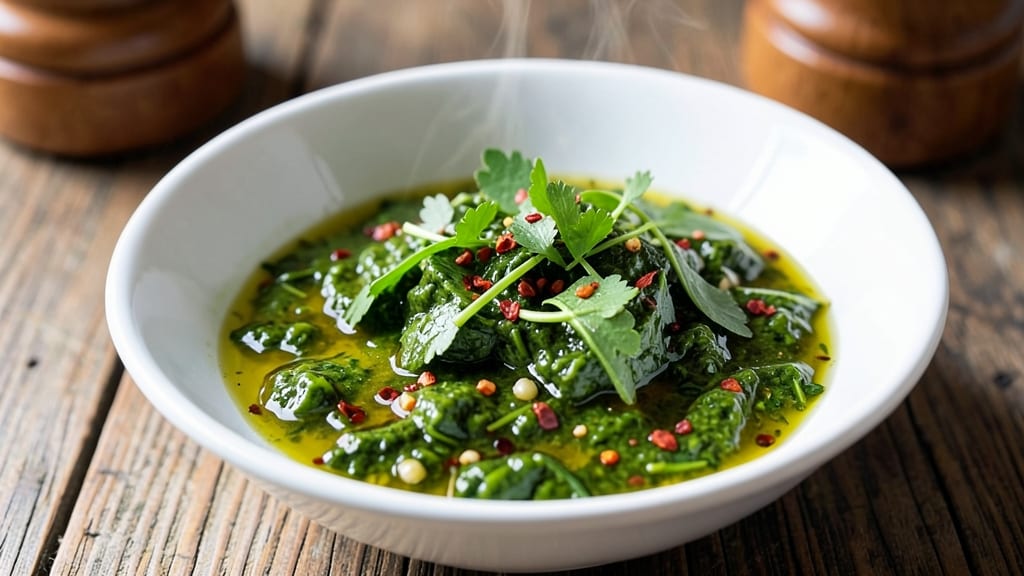
This arugula chimichurri sauce recipe transforms simple ingredients into a vibrant, herb-packed sauce that elevates grilled meats and salads. The secret lies in blending fresh arugula with garlic, olive oil, and red wine vinegar, creating a bright, tangy sauce that stays fresh for days.
Unlike traditional chimichurri, this version uses arugula for a milder, slightly peppery depth that pairs perfectly with steak, chicken, or fish.
The beauty of this sauce is its simplicity—just pulse the ingredients in a food processor until finely chopped, then let it rest for 30 minutes to meld flavors. The arugula adds a unique texture and subtle bitterness that balances the richness of grilled proteins.
For extra heat, add red pepper flakes, or brighten it with a squeeze of lemon juice. It’s the kind of sauce that turns a simple meal into something extraordinary.
What sets this recipe apart is its versatility. Drizzle it over grilled steaks, toss it with roasted vegetables, or use it as a dressing for hearty salads. The flavors only deepen when refrigerated, making it perfect for meal prep.
Store it in an airtight container for up to 5 days, or freeze for longer storage. Every bite will taste like a fresh herb garden in a jar.
Ready in just 10 minutes, this sauce is a game-changer for weeknight dinners and weekend cookouts. The key is using high-quality olive oil and fresh herbs—don’t skip the arugula, as it’s what gives this chimichurri its signature brightness. Let’s get started on this herb-infused masterpiece.
Ingredients for arugula chimichurri sauce
Eight simple ingredients create this vibrant, herb-infused sauce perfect for grilled meats and salads.
| Ingredient | Amount | Notes |
|---|---|---|
| Fresh Arugula Leaves 🌿 | 1 ½ cups | Packed, stems removed |
| Extra-Virgin Olive Oil 🫒 | ½ cup | High-quality, fruity variety |
| Garlic Cloves 🧄 | 4 cloves | Peeled, roughly chopped |
| Red Wine Vinegar 🍷 | ¼ cup | Dry, bold variety preferred |
| Fresh Parsley Leaves 🌿 | ½ cup | Flat-leaf preferred |
| Red Pepper Flakes 🌶️ | ½ tsp | Adjust for heat preference |
| Salt 🧂 | ½ tsp | Fine sea salt preferred |
| Lemon Juice 🍋 | 1 tbsp | Freshly squeezed |
The arugula is the star here—fresh, vibrant leaves from a trusted farmers market make all the difference. Look for bright green, crisp arugula with no yellowing. Whole Foods or Trader Joe's usually carry the best quality, but any well-stocked grocery store should have it. The parsley adds sweetness to balance the arugula's peppery bite, so don't skip it. For the olive oil, California extra-virgin brands like Corto or Otto elevate the flavor—avoid the cheap stuff that tastes like soap. The garlic should be firm and fresh; Woodstock or Gilroy brands are reliable choices.
No red wine vinegar? Balsamic vinegar works in a pinch, though it'll be sweeter. Short on parsley? Cilantro or basil can substitute at the same amount, but the flavor will shift slightly. The red pepper flakes can be omitted entirely if you prefer a milder sauce, or swap in cayenne pepper at half the amount for a different heat profile. Fresh lemon juice is ideal, but bottled lemon juice works if you're in a hurry. For extra brightness, add 1 tsp of honey if you're not strict about raw diets—it balances the acidity beautifully.
This sauce keeps best when stored in an airtight container with a thin layer of olive oil on top to preserve freshness. It's good for 5 days in the fridge, but the flavors actually deepen over time. For longer storage, freeze in ice cube trays—thaw and use as needed. The sauce thickens when chilled, so give it a quick stir before using. If it seems too thick after refrigeration, thin it with 1-2 tsp of water or vinegar. Always taste before serving—adjust salt or lemon as needed.
Why You'll Love This Recipe
- No Pulse Required: I swear, this sauce is the kind of recipe that makes you question why you ever bothered with complicated prep. Just toss arugula, garlic, and parsley into your food processor—no chopping, no straining, no fuss—and let it do the work. The arugula’s peppery bite softens just enough to coat whatever you’re drizzling it on, and honestly? That’s all it takes.
- Herb Bomb Flavor: Between us, this isn’t your average chimichurri. The arugula adds a bright, almost citrusy kick that cuts through the richness of olive oil, while the garlic and red wine vinegar deliver that classic tang. It’s the kind of flavor that makes you pause mid-bite—like when you take a sip of wine and think, Damn, that’s good. And it’s not overpowering; it’s just right.
- Weeknight to Weekend: I use this on everything—grilled steak one night, scrambled eggs the next, even as a marinade for chicken breasts before a picnic. The sauce keeps in the fridge for up to five days, so it’s my go-to for when I’m too tired to improvise. Plus, it’s the kind of thing that makes you look like a cooking genius at dinner parties, even if you’re just throwing it on toast.
- Budget Brightener: Fresh herbs can get pricey, but arugula and parsley are usually affordable, and a little goes a long way. You’re not drowning in ingredients here—just a handful of basics that stretch across multiple meals. I’ll be real: I’ve made this with whatever greens I had on hand, and it still came out crave-worthy. That’s the kind of recipe that doesn’t break the bank but still feels special.
Step-by-step instructions for arugula chimichurri sauce
This vibrant sauce delivers fresh, herbaceous brightness perfect for grilled meats and vegetables.
Prepare the Herb Base
In a food processor, combine the 1.5 cups fresh arugula leaves with the 0.5 cup fresh parsley leaves. Pulse until finely chopped but not pureed—you want visible herb texture for maximum flavor impact. The arugula should be broken down into small pieces, but not turned into a paste. This texture ensures your sauce stays bright and vibrant rather than turning into a thick, muddy consistency.
Here's the thing—arugula has a slightly peppery bite that pairs beautifully with the other ingredients. If you're using very large stems, remove them first as they can make the sauce bitter. Keep the processor bowl cold by letting it sit in the freezer for 5 minutes before processing if your kitchen gets warm. This helps preserve the fresh, crisp quality of the herbs.
Add Aromatics and Acid
Add the 4 peeled garlic cloves and 0.5 tsp salt to the food processor. Pulse just until the garlic is finely minced—you should still see small flecks of white throughout the mixture. Over-processing garlic can turn it bitter, so work quickly here. Then add the 0.25 cup red wine vinegar and 1 tbsp freshly squeezed lemon juice. These acidic components balance the richness of the olive oil and enhance the herbs' natural brightness.
Pulse again just to combine everything. You're aiming for a rough chop rather than a smooth paste—this texture is essential for the chimichurri's signature freshness. The vinegar and lemon juice will begin to soften the herbs slightly, but they should still retain their vibrant green color. If your mixture looks too dry at this point, that's normal—the olive oil will bind everything together in the next step.
Incorporate the Olive Oil
With the food processor running on low speed, slowly drizzle in the 0.5 cup extra-virgin olive oil. This gradual addition prevents the sauce from becoming too thick and allows the oil to emulsify properly with the herb mixture. You'll notice the texture transform from dry to creamy as the oil coats each herb particle. Stop occasionally to scrape down the sides of the bowl with a rubber spatula—this ensures even distribution of all ingredients.
Here's where quality matters: use a high-quality, fruity olive oil. The best varieties have a peppery finish that complements the arugula perfectly. As you add the oil, you should hear a gentle humming sound from the processor—this indicates the sauce is emulsifying correctly. If it looks too thick, add 1 teaspoon more olive oil at a time until you reach a smooth, pourable consistency that still clings to the back of a spoon.
Finish with Heat and Adjust Seasoning
Transfer the chimichurri to a bowl and stir in the 0.5 tsp red pepper flakes. This adds subtle heat that cuts through the richness of the olive oil and enhances the overall complexity of the sauce. Taste and adjust the seasoning—you may need to add a pinch more salt or a splash of lemon juice to balance the flavors. The sauce should be bright, herby, and slightly tangy with just a hint of heat from the red pepper.
Real talk: this sauce tastes best when made fresh, but it will keep in an airtight container in the refrigerator for up to 5 days. The flavors actually improve slightly as the herbs mellow and the oil infuses more deeply. If the sauce thickens in the fridge, simply stir in 1-2 teaspoons of water or lemon juice to restore its original consistency. The vibrant green color is your best indicator of freshness—if it starts to look dull, it's time to make a new batch.
Rest Before Serving (Critical for Best Results)
Let the chimichurri rest for at least 30 minutes before serving. This resting period allows the flavors to meld together and the oil to fully infuse the herbs. During this time, the sauce will develop deeper complexity—you'll notice the garlic becomes sweeter, the herbs release more of their essential oils, and the overall flavor profile becomes more harmonious.
I know it's tempting to use it immediately, but trust me on this step. The difference between fresh-off-the-processor chimichurri and rested chimichurri is like night and day. After resting, give it one final taste and adjust seasoning if needed. The sauce should be vibrant, balanced, and ready to elevate any grilled dish. Use it immediately on hot grilled meats or store it in the refrigerator until ready to serve—it keeps beautifully for up to 5 days while maintaining its fresh, bright character.
Pro Tips For Making Arugula Chimichurri Sauce
- STRIP THE Arugula STEMS: I used to toss the stems into the mix—big mistake. They’re fibrous and bitter. Snip the stems off with kitchen shears (faster than pulling) and reserve them for stock or compost. You’re paying for those leaves, so treat them right.
- PULSE DON’T CHOP: Blitz the arugula and parsley in bursts, not continuously. After 3-4 seconds, stop and scrape the sides—this keeps the texture bright and chunky, not paste-like. Over-pulsing turns your chimichurri into pesto’s sad cousin.
- USE COLD GARLIC: Peel the garlic cloves, then pop them in the freezer for 10 minutes before pulsing. This dulls the sharpness slightly and prevents that harsh, raw bite that ruins the balance. Trust me, your sauce will taste more mature.
- VINEGAR FIRST: Add the red wine vinegar to the oil before the greens. This lets the acid emulsify the oil slightly, so the arugula doesn’t turn to mush when you add it last. Stir it in like you’re angry—just kidding, but don’t skimp on the mix.
Wine and beer pairings for arugula chimichurri sauce
White Wine Pairings
For this vibrant arugula chimichurri, I recommend a crisp Sauvignon Blanc from New Zealand or France—its citrus notes and herbal undertones mirror the sauce's bright acidity and fresh herbs. Look for a Marlborough Sauvignon Blanc like Oyster Bay or a French Sancerre from Domaine Vacheron.
The wine's zesty lemon and grapefruit flavors complement the arugula's peppery bite and the vinegar's tang. 🍷
Red Wine Options
If you prefer red, go for a light-bodied Pinot Noir with bright fruit and earthy notes—think Willamette Valley or Burgundy varieties like Louis Jadot. The wine's delicate red fruit and subtle spice won't overpower the chimichurri but will enhance the garlic and red pepper flakes.
A Malbec from Mendoza works too, especially if you add a touch of sweetness to the sauce with honey.
Beer Pairings
A Belgian Witbier like Stella Artois or Hoegaarden is a fantastic match—its coriander and citrus notes bridge the sauce's herbal and acidic elements beautifully.
For something more robust, try a German Helles Lager like Weihenstephaner or a Mexican Lager such as Modelo Especial, which balances the sauce's peppery depth without competing. 🍺
Cocktail Pairings
For a refreshing twist, serve with a gin-based cocktail like a Gin & Tonic with cucumber and mint. The botanical notes in gin complement the chimichurri's herbs, while the tonic's bitterness cuts through the sauce's richness.
Alternatively, a Aperol Spritz adds a light, citrusy brightness that enhances the arugula's peppery edge. For a non-alcoholic option, try a sparkling lemonade with fresh basil.
Seasonal Adjustments
In summer, when grilling is at its peak, pair the chimichurri with a chilled Rosé—look for a Provence Rosé like Château d'Esclans. Its strawberry and watermelon notes harmonize perfectly with the sauce's fresh herbs.
In winter, swap to a dry Riesling from Germany or Alsace, which adds a touch of spice to complement the red pepper flakes in colder months.
Nutrition facts
Frequently asked questions
Can I substitute spinach for arugula in this recipe?
You can try, but arugula's peppery bite is what makes this sauce special. Spinach will make the sauce milder and less vibrant. If you must substitute, use 1 cup baby spinach plus 0.5 cup parsley to maintain some freshness, but expect a different flavor profile.
How do I prevent the chimichurri from turning brown?
Keep the sauce refrigerated in an airtight container with a thin layer of olive oil on top to preserve freshness. Exposure to air causes oxidation, which turns herbs brown. Also, avoid storing it in metal containers—glass or plastic works best.
Can I make this sauce without a food processor?
Finely chop the arugula, parsley, and garlic by hand with a sharp knife, then mix with the other ingredients in a bowl. The texture will be slightly chunkier, but the flavors will still shine. For best results, use a mortar and pestle for the herbs first.
What's the best way to use leftover chimichurri?
Drizzle it over grilled steaks, chicken, or fish, toss with roasted vegetables, or use as a salad dressing. For extra flavor, let it sit on the meat for 5-10 minutes before serving. It also works as a marinade—just reduce the oil to 2 tablespoons and use it immediately.
Why does my chimichurri taste bitter?
Over-processing the garlic or using old herbs are common culprits. To fix it, add 1 tsp honey or lemon juice to balance the bitterness. For next time, pulse the garlic just until minced and use the freshest herbs possible.