
Sauces & Condiments
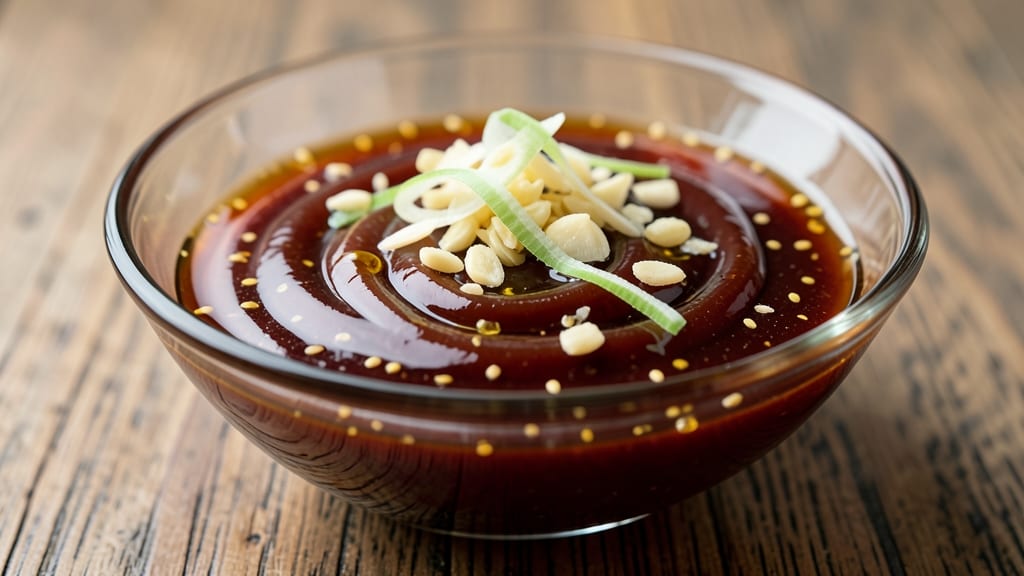
This Asian burger sauce recipe transforms ordinary burgers, sliders, and fries into something extraordinary with its perfect balance of sweet, tangy, and umami flavors. 🌟 The secret lies in combining hoisin sauce, soy sauce, and a touch of honey for that signature sweetness, while garlic, ginger, and a hint of spice add depth and complexity.
Unlike store-bought versions, this homemade sauce stays velvety smooth and packed with real flavor.
The beauty of this sauce is its versatility—it elevates everything from crispy onion rings to juicy beef patties, and it even works as a dipping sauce for spring rolls or dumplings.
What sets it apart is the slow simmering process, which allows the flavors to meld together beautifully, creating a rich, glossy finish that clings to every bite. You’ll never go back to bottled sauces after tasting this.
With just 10 minutes of prep and 15 minutes of simmering, you’ll have a sauce that’s ready to use immediately or store in the fridge for up to a week. The ingredients are simple—soy sauce, hoisin, honey, garlic, ginger, and a splash of vinegar—but the result is restaurant-quality.
This sauce is the perfect way to add an Asian-inspired twist to classic favorites.
Whether you're serving up sliders for a game day gathering or drizzling it over fries for a casual dinner, this sauce brings a burst of flavor that’ll have everyone asking for the recipe. Here’s how to make it—simple, foolproof, and absolutely delicious.
Ingredients for asian burger sauce
Ten simple ingredients create this restaurant-quality Asian burger sauce that’ll transform your next meal.
| Ingredient | Amount | Notes |
|---|---|---|
| Hoisin Sauce 🥄 | ½ cup | Store-bought or homemade |
| Soy Sauce 🥄 | ⅓ cup | Light or dark preferred |
| Honey 🍯 | ¼ cup | Pure, clover variety |
| Garlic Cloves 🧄 | 4 cloves | Freshly minced for punch |
| Fresh Ginger 🌿 | 2 tbsp | Finely grated, not powdered |
| Rice Vinegar 🍶 | 2 tbsp | White or seasoned |
| Sesame Oil 🫒 | 1 tbsp | Toasted for aroma |
| Red Chili Flakes 🌶️ | 1 tsp | Adjust for heat preference |
| Water 💧 | ¼ cup | For thinning consistency |
| Cornstarch 🌾 | 1 tsp | For velvety finish |
Hoisin sauce is the flavor anchor here—Lee Kum Kee is my go-to brand, but any quality hoisin works. Fresh ginger and garlic are non-negotiable for that authentic bite (powdered just won’t cut it). The honey? Local clover adds depth, but any pure honey does the trick. Sesame oil might be pricey, but Trader Joe’s has a great budget option—don’t skip it for that nutty aroma. If you’re feeling adventurous, toast your own sesame oil in a dry pan for 30 seconds before adding—game changer!
No hoisin? Mix 1 tbsp soy sauce + 1 tsp brown sugar + 1 tsp molasses as a quick sub. Running low on rice vinegar? Apple cider vinegar works in a pinch, though it’ll taste slightly different. Chili flakes too spicy? Swap for ½ tsp smoked paprika for warmth without heat. The cornstarch is key for that glossy finish—if you’re vegan, make sure it’s certified cornstarch (not derived from wheat). For extra richness, stir in 1 tbsp tahini at the end, but don’t overdo it or the sauce gets too thick.
This sauce keeps beautifully—1 week in the fridge sealed tight, or 3 months frozen in ice cube trays for single servings. Double the batch and freeze half; you’ll thank yourself later. If it thickens overnight, just add a splash of water to loosen. The flavor actually improves after 24 hours as everything melds together. Pro tip: Drizzle over hot fries or burgers right before serving—it’ll stay glossy and cling perfectly.
Why You'll Love This Recipe
- Five-Ingredient Magic: I swear by this—just hoisin, soy, honey, garlic, and ginger. No fancy gadgets, no stress. My blender does the work while I chop veggies for the rest of dinner.
- Sweet-Savory Balance: That honey cuts through the soy’s saltiness while the ginger adds a zing. Honestly? It’s the kind of sauce that makes a simple burger taste like a restaurant meal without trying.
- Game for Any Meal: Slather it on burgers, drizzle it over fries, or toss it with noodles. Even my picky teen asks for seconds when I serve it with chicken tenders. (Yes, even on a Tuesday night.)
- Leftovers That Work: Make a double batch—it keeps for weeks in the fridge. I use the extra on takeout nights or as a quick marinade for stir-fry. Less waste, more flavor, zero guilt.
Step-by-step instructions for Asian burger sauce
This velvety sauce comes together in minutes—sweet, tangy, and packed with umami!
🍳 Step 1: Cook Aromatics Until Fragrant
Heat a small saucepan over medium heat and add the 1 tablespoon sesame oil. Once shimmering, add the 4 cloves minced garlic cloves and 2 tablespoons finely grated fresh ginger. Cook for 1-2 minutes until the garlic turns golden and the ginger loses its raw bite—this releases their full flavor. Watch closely; garlic burns fast!
Here's the thing—don't skip this step. The aroma from these aromatics is the foundation of your sauce. If you smell something bitter, you've gone too far. Remove the pan immediately and start over if needed. This is where the magic begins!
🍳 Step 2: Build the Sauce Base
Pour in the 0.5 cup hoisin sauce, 0.33 cup soy sauce, and 0.25 cup honey. Stir constantly for 2-3 minutes until everything combines smoothly. The mixture will bubble gently—this is normal. You're creating a thick, glossy base that's the heart of your sauce.
I like to taste at this stage. The sauce should be sweet, salty, and slightly tangy. If it's too thick, add 1 tablespoon water now. If it's too thin, we'll fix that in the next step. The goal is a balance that's rich but still pourable.
🥘 Step 3: Thicken and Finish with Vinegar
In a small bowl, whisk together the 1 teaspoon cornstarch and 2 tablespoons rice vinegar until smooth. Slowly pour this mixture into the saucepan while stirring constantly. The sauce will begin to thicken immediately—keep stirring for 1-2 minutes until it reaches a velvety consistency that coats the back of a spoon.
This is the moment that matters: the cornstarch acts as a natural thickener, while the vinegar adds that bright, tangy kick that cuts through the sweetness. The sauce should now be glossy and smooth, with just the right body to cling beautifully to burgers or fries.
⏰ Step 4: Add Heat and Rest
Remove the sauce from heat and stir in the 1 teaspoon red chili flakes. Let the sauce cool for 5 minutes—this allows all the flavors to meld together. The chili flakes will give it a subtle kick without overwhelming the sweet-tangy base. Taste and adjust seasoning if needed; you might want to add a pinch more salt or a drizzle of honey.
Real talk: if you make this ahead, store it in an airtight container in the fridge for up to 1 week. The flavors actually improve as it sits! Just give it a quick stir before using. This sauce is so versatile—drizzle it over sliders, use it as a dipping sauce for fries, or even toss it with noodles.
Pro Tips For Making Asian Burger Sauce
- Simmer Slow and Low: This isn’t a race—cook the sauce on medium-low heat. I learned this the hard way after charring my first batch of ginger and garlic. Let it bubble gently for 5-7 minutes, stirring occasionally, so the flavors meld without burning. The sauce will thicken naturally, and you’ll avoid that bitter, overcooked taste that ruins everything.
- Grate, Don’t Mince Ginger: Skip the knife for ginger—use a microplane or the large holes of a box grater. This releases more oils and blends smoother into the sauce. I used to mince it finely, but it would clump and make the sauce grainy. Freshly grated ginger also brightens the whole dish, so don’t skip it.
- Balance the Sweet Early: Taste the sauce before adding all the honey—soy and hoisin can be salty. Start with half the honey, let it simmer, then adjust. I once dumped in all the honey at once and ended up with a gloppy, one-note sauce. A splash of rice vinegar (1 tsp) can cut the sweetness if needed.
- Toast the Garlic First: Smash the garlic cloves with the flat side of your knife before adding them to the pan. This exposes more surface area and prevents them from turning to mush. Let them sizzle for 30 seconds until fragrant—this builds depth. I was skeptical at first, but it makes the sauce taste way more complex.
Storing and reheating your asian burger sauce
Fridge Storage Tips
Store your homemade Asian burger sauce in an airtight container made of glass or BPA-free plastic. I use Leviton glass jars because they’re sturdy and won’t absorb odors.
Keep it refrigerated at 40°F or below for up to 1 week—the flavors actually deepen over time, becoming richer and more complex. Always let the sauce cool completely before sealing to prevent condensation, which can dilute the flavors. 💫
Freezer Preservation
For longer storage, freeze the sauce in ice cube trays—this makes it easy to grab just what you need later. Once frozen, transfer the cubes to a ziplock freezer bag and label with the date. It’ll keep for 3 months without losing quality.
Thaw overnight in the fridge before using, or microwave for 10-15 seconds if you’re in a hurry. The texture stays velvety smooth after freezing, though it might thicken slightly—just add a splash of water to restore consistency.
Reheating Methods
For the best results, reheat the sauce on the stovetop over low heat for 2-3 minutes, stirring constantly. This prevents the cornstarch from breaking down too much, which can make the sauce grainy.
If you’re short on time, microwave it in 20-second bursts, stirring between each, until it reaches 165°F. Avoid boiling—it’ll turn the sauce too thin and lose its glossy finish. A quick stir with ½ teaspoon water can help restore thickness if needed. 🔥
Reviving Thickened Sauce
If your sauce thickens in the fridge, don’t panic! Add 1 teaspoon water at a time while stirring until it reaches a smooth, pourable consistency. For extra richness, mix in ½ teaspoon toasted sesame oil—it’ll enhance the aroma and balance any watered-down flavors.
If the sauce separates, whisk vigorously or blend briefly with an immersion blender to restore its velvety texture. This trick works every time, and you’ll never waste a drop of sauce again.
Portion Control
Use small glass jars or silicone sauce bottles for single servings—perfect for game day sliders or quick takeout-style meals. These containers are microwave-safe, so you can reheat just what you need without defrosting the whole batch.
Label each with the date to track freshness, and store them in the fridge for up to 5 days or freeze for 2 months. This method keeps your sauce fresh and ready whenever cravings strike. ✨
Nutrition facts
Frequently asked questions
Can I make this sauce without hoisin?
Yes! Mix 1 tablespoon soy sauce, 1 teaspoon brown sugar, and 1 teaspoon molasses as a substitute. The sauce will still taste rich and savory, though it’ll lack hoisin’s distinct fermented depth. For extra umami, add ½ teaspoon fish sauce or 1 teaspoon oyster sauce if available.
How spicy should this sauce be?
The recipe calls for 1 teaspoon chili flakes, which adds a mild heat. For less spice, reduce to ½ teaspoon or swap for ¼ teaspoon cayenne pepper. If you love heat, add 1 extra teaspoon or a dash of sriracha at the end. Taste as you go—adjust gradually!
What’s the best way to use leftover sauce?
This sauce is incredibly versatile! Drizzle it over sliders, fries, or grilled chicken, use it as a dip for spring rolls or dumplings, or toss it with cold noodles for a quick meal. For extra flavor, mix in 1 tablespoon lime juice before serving to brighten the sauce.
Why did my sauce turn out too thick?
Overcooking or too much cornstarch can thicken the sauce. Thin it with 1 teaspoon water at a time while stirring. If it’s still too thick, add ½ teaspoon water and reheat gently. For future batches, reduce the cornstarch by ¼ teaspoon** or simmer for 1 minute less.
Can I make this sauce gluten-free?
Yes! Use tamari or coconut aminos instead of soy sauce, and ensure your hoisin is gluten-free (like San-J brand). For extra richness, add 1 teaspoon gluten-free oyster sauce. Double-check all ingredients—sesame oil and rice vinegar are typically gluten-free, but always verify labels.