
Sauces & Condiments
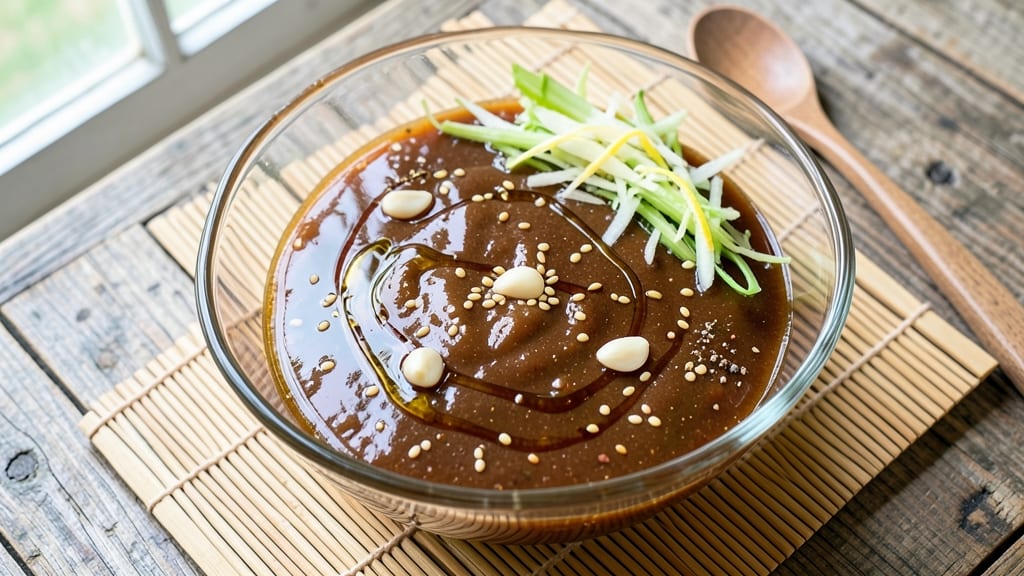
This Asian coleslaw sauce recipe delivers the perfect balance of tangy, spiced, and umami-rich flavors that elevate any dish. The secret lies in combining soy sauce, sesame oil, and rice vinegar for a bold yet refined taste profile.
With just a few simple ingredients, you'll create a sauce that transforms ordinary coleslaw into something extraordinary.
The sauce features a harmonious blend of sweet and savory notes, thanks to a touch of honey or sugar, while fresh ginger and garlic add depth. This versatile dressing works beautifully with Asian-inspired salads, grilled meats, or even as a dipping sauce.
The preparation is straightforward, requiring only a whisk and a few minutes of your time.
What sets this sauce apart is its ability to stay fresh and flavorful for up to a week when stored in the refrigerator. The ingredients are easy to find, and the measurements are precise, ensuring consistent results every time.
Whether you're serving it at a summer BBQ or adding it to a weeknight meal, this sauce will be a game-changer.
Once you've mastered this recipe, you can experiment with variations like adding a splash of lime juice for extra brightness or a pinch of chili flakes for a subtle kick. The possibilities are endless, but the foundation remains the same—simple, flavorful, and impossible to resist.
Ingredients for asian coleslaw sauce
Nine simple ingredients blend into a sauce that transforms ordinary coleslaw into a restaurant-quality dish.
| Ingredient | Amount | Notes |
|---|---|---|
| Soy Sauce 🥢 | ⅓ cup | Light or dark variety preferred |
| Rice Vinegar 🍶 | ¼ cup | Unseasoned for best flavor |
| Sesame Oil 🫒 | 2 tbsp | Toasted sesame oil for aroma |
| Honey 🍯 | 2 tbsp | Or granulated sugar substitute |
| Fresh Ginger 🌿 | 2 tbsp | Finely grated, fresh preferred |
| Garlic Cloves 🧄 | 3 cloves | Minced or finely chopped |
| Vegetable Oil 🫒 | 2 tbsp | Light neutral oil for thinning |
| Sesame Seeds 🌰 | 1 tbsp | Toasted for garnish and crunch |
| Salt 🧂 | ½ tsp | Adjust to taste after blending |
| Ground Black Pepper 🌶️ | ¼ tsp | Freshly ground preferred |
The soy sauce and rice vinegar form the sauce's backbone. Kikkoman soy sauce or Japanese rice vinegar from specialty stores elevate the flavor, but any quality brand works. Fresh ginger and garlic are non-negotiable—organic ginger from the produce section at Whole Foods or Trader Joe's has the most punch. Toast the sesame seeds in a dry pan for 30 seconds until fragrant; this adds depth beyond just the oil. For honey, Manuka or clover honey works best, but any liquid honey will do.
No sesame oil? Toasted peanut oil adds a similar nutty depth, though the aroma won't be identical. Substitute agave nectar for honey if you prefer a vegan option, though the sweetness level will differ slightly. Pre-minced garlic from a jar works in a pinch, but fresh is always better. The vegetable oil is just for thinning—avocado or canola oil both work well. For extra brightness, add a splash of lime juice (about 1 tbsp) at the end, but omit it if you prefer a more traditional taste.
This sauce keeps beautifully in an airtight container for up to 1 week in the fridge. For longer storage, freeze portions in ice cube trays, then transfer to a bag for up to 3 monthsup to 2 weeks.
Why You'll Love This Recipe
- No-Fuss Mixing: I swear by this sauce—just whisk five ingredients in a bowl while dinner simmers. No blender, no fancy techniques, just a sharp knife for the ginger and a quick stir. That’s it.
- Umami Bomb: The soy and ginger hit like a flavor grenade, but the honey and sesame oil soften it into something silky and addictive. Honestly, I’ll take this over store-bought dressing any day—it’s got layers, not just sweet or sour.
- Leftover Hero: This sauce keeps for a week in the fridge, and it’s even better the second day. Drizzle it on takeout noodles, toss it with cold cuts, or use it as a quick marinade. I’ve lost count of how many times I’ve saved it from becoming “waste.”
- Budget Brightener: Fresh ginger and sesame oil might sound fancy, but they stretch this sauce far—enough to dress a whole head of cabbage or bulk up a stir-fry. Between us, I buy ginger in bulk and freeze it, so the cost is practically nothing.
Step-by-step instructions for Asian coleslaw sauce
This tangy-spiced vinaigrette delivers perfect balance every time—bright, umami-rich, and effortlessly adaptable.
Toast Sesame Seeds for Nutty Depth
Heat a dry skillet over medium-low heat and add the 1 tablespoon sesame seeds. Toast for 1-2 minutes until they release their aroma and turn a rich golden color. Watch closely—they'll darken quickly. Immediately transfer them to a small bowl and set aside for garnish.
This toasting step unlocks their nutty flavor and prevents them from becoming bitter in the sauce. The aroma alone signals when they're ready—your kitchen should smell toasty and warm. Let them cool completely before using, as hot seeds can alter the sauce's consistency.
Grate Ginger and Mince Garlic
Using a fine grater, grate the 2 tablespoons fresh ginger into a small bowl. For the 3 cloves garlic, finely mince them using a chef's knife or pulse briefly in a food processor. You're aiming for a paste-like texture that will blend smoothly without graininess.
Fresh ginger adds bright, zesty warmth while garlic contributes savory depth. Both ingredients should be finely textured—no visible chunks. If using pre-minced garlic, drain it well to avoid excess moisture in your sauce. The grated ginger should look like fine yellow threads when complete.
Whisk Wet Ingredients Together
In a medium bowl, combine the 0.33 cup soy sauce, 0.25 cup rice vinegar, 2 tablespoons honey, and 2 tablespoons vegetable oil. Using a whisk, blend vigorously for 30 seconds until the honey dissolves completely and the mixture becomes smooth and homogeneous.
This initial combination creates the sauce's flavor foundation. The soy sauce provides umami, rice vinegar adds tang, honey balances with sweetness, and vegetable oil helps emulsify. Whisking thoroughly prevents any separation later. If the mixture looks cloudy, whisk another 10 seconds—it should become translucent.
Incorporate Aromatics and Seasonings
Add the grated ginger, minced garlic, 0.5 teaspoon salt, and 0.25 teaspoon ground black pepper to the wet ingredients. Stir well with a spoon to fully incorporate, then let the mixture sit for 5 minutes at room temperature. This resting period allows the flavors to meld before final blending.
The ginger and garlic will infuse their flavors into the base, while the salt and pepper enhance all components. The mixture should smell vibrant—bright from the vinegar, savory from the soy, and aromatic from the fresh ingredients. If you taste it now, you'll notice the raw flavors that will harmonize beautifully once combined.
Finish with Sesame Oil and Adjust
Pour in the 2 tablespoons sesame oil and whisk vigorously for 30 seconds until fully emulsified. The sauce should have a glossy sheen and coat the back of a spoon. Taste and adjust seasoning—add more rice vinegar for increased tang, honey for sweetness, or salt for saltiness as needed.
The sesame oil adds a delicate nutty aroma that ties all flavors together. The sauce should balance all five taste elements: sweet, salty, sour, umami, and a subtle heat from the ginger. If it's too thick, thin with 1 teaspoon water at a time until reaching a pourable consistency. For best results, let the sauce rest for 10 minutes before using to allow flavors to fully develop.
Pro Tips For Making Asian Coleslaw Sauce
- STRAIN THE GINGER: Grate it fresh, then press the pulp through a fine-mesh sieve to remove fibers—trust me, you don’t want gritty bits in your sauce. I used to just mash it with a spoon, and let’s say the texture wasn’t ideal.
- WHISK IN STAGES: Start with soy sauce and honey, then add rice vinegar and sesame oil last—this keeps the sesame oil from turning bitter too soon. Stirring it all at once makes the sauce separate faster than you’d like.
- SALT THE GINGER: Toss grated ginger in a pinch of salt for 5 minutes before adding it to the sauce—this draws out moisture and mellows the sharpness. Skipping this means your sauce will taste raw and aggressive.
- CHILL BEFORE USING: Let the sauce sit in the fridge for at least 30 minutes after mixing—flavors meld better and the sesame oil won’t overwhelm. I know, you’re eager, but rushing this step makes the sauce taste flat and one-dimensional.
Flavor customization for asian coleslaw sauce
Sweet Heat Level
Adjust the ginger-to-honey ratio to control sweetness and spice. For a milder sauce, reduce ginger to 1 tablespoon and increase honey to 3 tablespoons. For bold heat, add 1 teaspoon grated ginger and ½ teaspoon red pepper flakes, then balance with 1 extra tablespoon honey.
I love adding 1 teaspoon lime zest for a citrusy kick that brightens the whole dish. 🌶️
Umami Boost Variations
Swap soy sauce for 1 tablespoon fish sauce (like Red Boat) for deeper umami, or add 1 teaspoon miso paste (white or red) for richness. For a vegetarian option, blend 1 tablespoon tahini with 1 tablespoon water to replace sesame oil.
These tweaks transform the sauce into a dipping sauce for spring rolls or grilled tofu. 🍜
Creamy Texture Options
For a creamy version, stir in 2 tablespoons Greek yogurt or vegan mayo after whisking. Thin with 1 tablespoon water if needed. This works beautifully with shredded cabbage and carrot for a Korean-style bibimbap slaw. Keep the sauce chilled until serving to maintain its velvety texture. 🥗
Herb Infusions
Add 1 tablespoon chopped cilantro or thai basil for freshness, or 1 teaspoon toasted coriander seeds (ground) for warmth. For a garlic-chive twist, blend 2 tablespoons finely chopped chives into the sauce.
These herbs add complexity without overpowering the core flavors. Store herbs separately and mix in just before serving. 🌿
Spicy Chili Additions
For heat lovers, stir in ½ teaspoon gochujang (Korean chili paste) or 1 teaspoon sambal oelek for smoky-spicy depth. Balance with ½ extra tablespoon honey to soften the intensity. This version pairs perfectly with spicy tuna rolls or grilled shrimp skewers. Always taste before serving—adjust gradually! 🔥
Storage-Friendly Adjustments
To extend shelf life, add ½ teaspoon xanthan gum when blending—it stabilizes the sauce for up to 2 weeks in the fridge. For freezing, omit sesame seeds (they separate) and store the base sauce in ice cube trays.
Thaw overnight in the fridge before using. The texture may thin slightly after freezing, so adjust consistency with a whisk. ❄️
Nutrition facts
Frequently asked questions
Can I use this sauce on other vegetables besides coleslaw?
This versatile sauce works beautifully with shredded carrots, green beans, or even cucumber salads. It also elevates grilled vegetables like eggplant or zucchini. For extra flavor, toss it with cooked quinoa or rice for a quick Asian-inspired bowl.
How do I adjust the sauce for a vegan diet?
Replace honey with agave nectar or maple syrup, and use vegan mayo or silken tofu blended with water to replace sesame oil. For umami depth, add 1 teaspoon miso paste or 1 tablespoon nutritional yeast. The sauce will still deliver that signature tangy-spiced flavor.
Why did my sauce separate? How can I fix it?
Sauce separation happens when oil and water ingredients aren't properly emulsified. Whisk vigorously for another 30 seconds or use a blender to combine. If it still separates, add 1 teaspoon cornstarch mixed with 1 tablespoon water and stir until thickened. Always store in an airtight container to prevent future separation.
Can I make this sauce without sesame oil?
Yes! Substitute with toasted peanut oil or avocado oil for a similar nutty depth. For a lighter option, use 1 tablespoon tahini thinned with 1 tablespoon water. Just note the flavor will differ slightly—sesame oil is key for that authentic Asian aroma.
How long can I store this sauce in the fridge?
The sauce stays fresh for up to 1 week when refrigerated in an airtight container. For longer storage, freeze the base sauce (without seeds) in ice cube trays for up to 3 months. Thaw overnight in the fridge before using—stir well as the texture may thin slightly after freezing.