
Sauces & Condiments
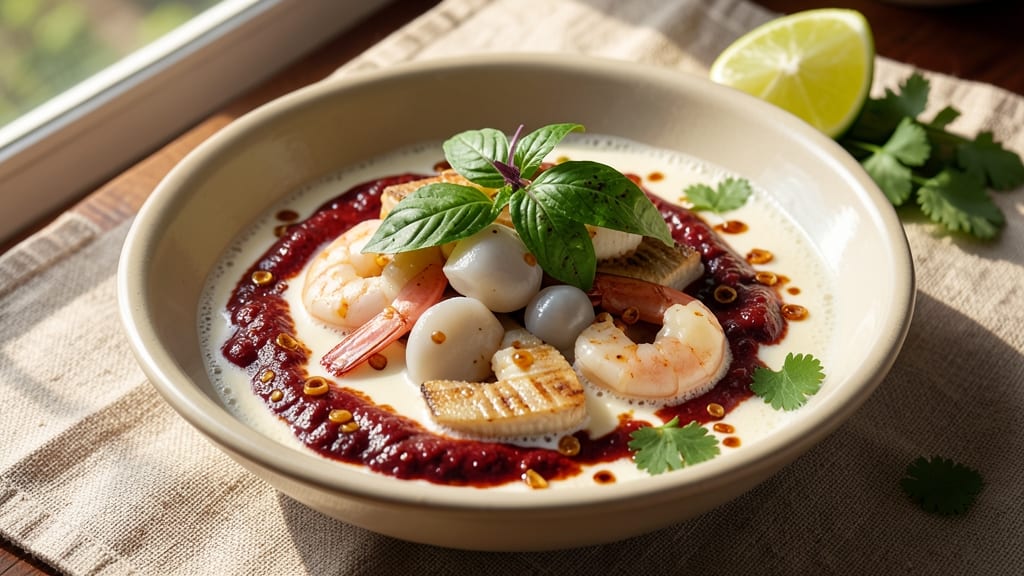
This Asian seafood sauce recipe transforms simple ingredients into a complex, umami-rich condiment that elevates everything from grilled shrimp to noodle dishes. The foundation lies in balancing sweet, salty, and tangy flavors—fish sauce delivers that signature depth, while fresh herbs like cilantro and Thai basil add a bright, aromatic finish.
What makes this sauce special is its versatility: use it as a dipping sauce, stir it into soups, or drizzle it over steamed vegetables for instant restaurant-quality flavor.
The secret to success is patience—letting the aromatics (garlic, ginger, and shallots) bloom in the oil before adding liquids creates layers of flavor that bottled sauces can’t match. A touch of heat from chili or sriracha rounds out the profile, while a splash of lime juice keeps the sauce vibrant.
Unlike many Asian sauces, this one stays fresh in the refrigerator for up to a week, making it perfect for meal prep.
What you’ll end up with is a glossy, aromatic sauce that clings to every bite, delivering a perfect harmony of savory, spicy, and fresh. The texture is silky yet balanced, with just enough body to coat without overwhelming.
It’s the kind of sauce that turns a simple seafood dish into something extraordinary—without requiring advanced techniques or expensive ingredients.
Whether you’re marinating fish for the grill, tossing it with stir-fried vegetables, or serving it alongside sushi, this sauce adapts effortlessly. The best part? You can adjust the heat and sweetness to suit your taste, ensuring every batch is tailored to your preferences.
Let’s get started on creating this flavor-packed essential.
Ingredients for asian seafood sauce
Eleven ingredients create this vibrant, umami-rich sauce that transforms seafood dishes instantly.
| Ingredient | Amount | Notes |
|---|---|---|
| Red Curry Paste 🌶️ | 2 tbsp | High-quality paste for depth |
| Fish Sauce 🐟 | ½ cup | Red Boat preferred for quality |
| Fresh Lime Juice 🍋 | ¼ cup | Freshly squeezed for tang |
| Coconut Milk 🥥 | ½ cup | Full-fat for creaminess |
| Fresh Thai Basil Leaves 🌿 | ½ cup | Stems removed for texture |
| Fresh Cilantro Leaves 🌱 | ¼ cup | Chopped for freshness |
| Garlic Cloves 🧄 | 4 cloves | Minced for aromatic punch |
| Fresh Ginger 🌿 | 1 ½ tbsp | Grated for zing |
| Sriracha Sauce 🌶️ | 1 tbsp | Adjust for heat preference |
| Honey 🍯 | 1 tbsp | Balances heat with sweetness |
| Extra-Virgin Olive Oil 🫒 | 2 tbsp | High smoke point for blooming |
| Shallots 🧅 | 2 whole | Finely minced for sweetness |
The foundation begins with Red Boat fish sauce—this brand delivers the authentic umami depth without overpowering fishy notes. Grab a small bottle from Asian markets or the international aisle at Whole Foods if you can’t find it locally. Fresh ginger and garlic are non-negotiable here; organic ginger from the produce section (not the jarred kind) gives the best zing. For Thai basil, Thai grocery stores often carry it fresh, but if you’re stuck with regular basil, it’ll still work—just double the amount. The curry paste? Maesri or Thai Kitchen brands are my go-tos—they’re packed with aromatic spices that sing when bloomed in oil.
No fish sauce? Soy sauce plus a dash of anchovy paste (just ½ teaspoon) gets you close, though it won’t be identical. Swapping lime juice for lemon works, but you’ll lose that bright, tropical finish. Short on Thai basil? Fresh cilantro plus a pinch of lemongrass paste (if you’ve got it) mimics the herbal complexity. Sriracha too spicy? Substitute with a mix of cayenne and honey—start with ½ teaspoon cayenne to 1 teaspoon honey. The coconut milk can be swapped for light coconut cream if you prefer a richer texture, but full-fat gives that luxurious mouthfeel. For the shallots, green onions work in a pinch, though they’ll add a slightly sharper bite.
This sauce keeps beautifully in an airtight jar for up to 7 days in the fridge—trust me, you’ll want leftovers. For longer storage, freeze in ice cube trays (thaw quickly in warm water) or small portions in a freezer-safe container for up to 3 months. The herbs will soften over time, so add fresh basil or cilantro when reheating if you’re using it after a few days. A splash of warm water thins it out beautifully if it thickens; otherwise, whisk vigorously to restore silkiness. Double the batch—it disappears faster than you’d think!
Why You'll Love This Recipe
- Pantry-to-Pot Magic: I swear by this sauce—just stir, simmer, and boom, flavor explosion. No fancy prep, no chopping mountains of herbs; the curry paste and fish sauce do the heavy lifting while I sip my coffee.
- Umami Bomb: That first spoonful of coconut milk meeting the tangy lime and fish sauce? It’s like a hug for your taste buds. The Thai basil finishes it with a bright, herby punch that makes every bite sing.
- Weeknight Wonder: Dinner with friends? Date night? Lazy Sunday? This sauce works for all of it. Dump it over shrimp, toss it with tofu, or even drizzle it on rice—it’s my go-to when I don’t want to overthink.
- Leftovers That Shine: Make a double batch and thank me later. The flavors actually deepened after two days in the fridge, and reheating it? Zero struggle. Perfect for when you’re too tired to cook but still crave something special.
Step-by-step instructions for Asian seafood sauce
This vibrant sauce balances bold flavors with fresh herb brightness—perfect for seafood dishes.
Bloom the Aromatics in Olive Oil
Heat the 2 tablespoons extra-virgin olive oil in a medium saucepan over medium-low heat. Add the 2 whole shallots, finely minced, and cook for 3-4 minutes until translucent but not browned. This gentle cooking draws out their sweetness without bitterness.
Next, add the 4 cloves garlic cloves, minced, and the 1.5 tablespoons fresh ginger, grated. Cook for another 1-2 minutes until fragrant—you should smell that pungent, zesty aroma. Here's the thing: don't let them brown, or you'll taste bitterness instead of sweetness. Keep the heat low and stir frequently to prevent burning.
Build the Sauce Base with Curry and Fish Sauce
Reduce the heat to low and stir in the 2 tablespoons red curry paste. Let it cook for 1 minute to toast the spices and deepen their flavors. This step unlocks the curry's complexity—you'll notice the aroma intensify as the oils release.
Pour in the 0.5 cup fish sauce and let it simmer for 2-3 minutes until slightly reduced. The sauce should smell rich and umami-forward. If it looks too thick, add 1 tablespoon water to loosen it slightly. This is where the magic happens—the fish sauce's saltiness and funk meld with the curry's heat, creating the sauce's foundation.
Balance with Sweet and Tangy Elements
Add the 1 tablespoon honey and 1 tablespoon Sriracha sauce, stirring to combine. The honey will mellow the heat while adding depth, and the Sriracha adds a bright, spicy kick. Let the mixture simmer for 1 minute to integrate the flavors.
Now, pour in the 0.25 cup fresh lime juice and 0.5 cup coconut milk, stirring gently. The lime juice brightens the sauce, cutting through the richness, while the coconut milk adds creaminess. Simmer for 2-3 minutes until the sauce thickens slightly but remains smooth. Taste and adjust—if it needs more tang, add a splash more lime; if it's too sharp, a touch more honey balances it.
Finish with Fresh Herbs
Remove the sauce from heat and stir in the 0.5 cup fresh Thai basil leaves and 0.25 cup fresh cilantro leaves, chopped. The basil adds an anise-like sweetness, while the cilantro introduces a bright, citrusy freshness. Let the herbs steep for 1-2 minutes off the heat—they'll soften slightly and infuse the sauce with their vibrant flavors.
Strain the sauce through a fine-mesh sieve if you prefer a smoother texture, or leave it slightly chunky for added texture. Taste again and make any final adjustments—this is your chance to dial in the perfect balance of spicy, sweet, tangy, and umami. Serve immediately over grilled seafood, noodles, or rice for the ultimate flavor experience.
Pro Tips For Making Asian Seafood Sauce
- Bloom the Paste First: I learned this the hard way—skip blooming the red curry paste in oil, and you’ll end up with a muddy, underflavored sauce. Fry it in 1 tablespoon of oil over medium heat for 2-3 minutes until it fragrant and slightly darkened (not burnt). This step unlocks the paste’s depth before coconut milk even enters the picture.
- Strain the Coconut Milk: The first time I used canned coconut milk straight from the can, my sauce looked like a swamp. Save 10 minutes and strain it through a fine-mesh sieve lined with cheesecloth—this removes the gritty pulp that makes the sauce look (and taste) unrefined. Yes, it’s a pain, but the result is silky.
- Add Fish Sauce Last: Dump fish sauce in early, and your sauce will taste like a punch to the face. Wait until the coconut milk has simmered for 5-7 minutes, then stir in the fish sauce with the lime juice. This lets the sauce mellow before the umami and acidity hit, balancing the flavors perfectly.
- Toast the Basil: Tossing in raw Thai basil at the end is lazy—it just wilts into a sad pile. Instead, fry the whole leaves in a dry pan for 10 seconds per side until fragrant and slightly crisp. This preserves their bright flavor and adds a textural punch that makes the dish feel restaurant-worthy. (Your future self will thank you.)
Dietary considerations for this recipe
Gluten-Free Adaptations
This sauce is naturally gluten-free when using certified gluten-free fish sauce like Red Boat or Three Crabs. Always check labels—some brands process fish sauce in facilities that handle gluten-containing products.
For extra safety, I recommend Soy Vay fish sauce, which is certified gluten-free and delivers that same rich umami punch without worry. 🌱
Pescatarian-Friendly
The recipe is already 100% pescatarian, relying solely on seafood-derived fish sauce and coconut milk. Unlike many Asian sauces that contain chicken or pork, this version keeps it clean for seafood lovers.
The Thai basil and cilantro add freshness without any animal products, making it perfect for plant-based seafood dishes like tofu or veggie stir-fries when paired with seafood. 🐟
Low-Sodium Options
If you're watching your sodium intake, reduce the fish sauce to ¼ cup and replace the remaining ¼ cup with low-sodium soy sauce or coconut aminos.
For even more control, I’ve found that 1 tablespoon of white miso paste (mixed with 1 tablespoon water) adds umami depth while cutting sodium by nearly half. Taste as you go—this adjustment works best in small increments. ⚡
Dairy-Free & Vegan
This sauce is already dairy-free and vegan-friendly, thanks to its coconut milk base and plant-derived ingredients. For extra richness, swap the honey for agave nectar or maple syrup to keep it plant-based.
The Red Boat fish sauce is vegan-certified, so no substitutions are needed there. Just ensure your Sriracha is also vegan—Huy Fong is a safe bet. 🌿
Allergen Considerations
For shellfish allergies, this sauce is safe as long as you’re not allergic to fish (the fish sauce is derived from anchovies). If you’re avoiding all seafood, replace the fish sauce with 1 tablespoon soy sauce + ½ teaspoon anchovy-free umami paste (like Veggie Umami from Annie’s).
For nut allergies, use coconut-free versions of the sauce by substituting coconut milk with cashew cream (blend ½ cup soaked cashews + ½ cup water) or oat milk for a neutral base. 💡
Heat Adjustments
To make the sauce milder, reduce the Sriracha to ½ tablespoon or swap it for 1 teaspoon of mild chili paste. For extra heat, add 1 teaspoon of gochujang (Korean chili paste) or ½ teaspoon of cayenne pepper.
I’ve found that 1-2 drops of liquid smoke (just a pinch!) adds a smoky depth that pairs beautifully with grilled seafood—use sparingly, though. 🌶️
Nutrition facts
Frequently asked questions
Can I make this sauce without fish sauce?
Yes! For a vegetarian version, replace the ½ cup fish sauce with ¼ cup soy sauce plus ½ teaspoon anchovy-free umami paste (like vegan fish sauce). The flavor won't be identical, but it'll still deliver that savory depth. For extra umami, add 1 tablespoon of white miso paste mixed with 1 tablespoon water—it works surprisingly well!
How long will this sauce keep in the fridge?
This vibrant sauce stays fresh for up to 7 days when stored in an airtight container in the refrigerator. The herbs will soften slightly over time, so add fresh Thai basil or cilantro when reheating. For longer storage, freeze in ice cube trays—thaw quickly in warm water when ready to use.
Can I adjust the heat level?
For milder heat, reduce the Sriracha to ½ tablespoon or swap it for 1 teaspoon of mild chili paste. For extra spice, add ½ teaspoon of cayenne pepper or 1 teaspoon of gochujang. Pro tip: 1-2 drops of liquid smoke adds a smoky depth that pairs perfectly with grilled seafood!
What's the best way to use leftover sauce?
This sauce is incredibly versatile! Drizzle it over grilled shrimp or fish, toss it with stir-fried vegetables, or use it as a dipping sauce for spring rolls or dumplings. It also elevates noodle dishes like pad Thai or ramen. For extra richness, simmer with 1 tablespoon of coconut cream before serving.
Why did my sauce turn out too thick?
If your sauce thickens too much, stir in 1-2 tablespoons of warm water or coconut milk to loosen it. The sauce should coat the back of a spoon but remain smooth. For future batches, simmer for 1-2 minutes less when adding the coconut milk and lime juice—this helps control the consistency.