
Sauces & Condiments
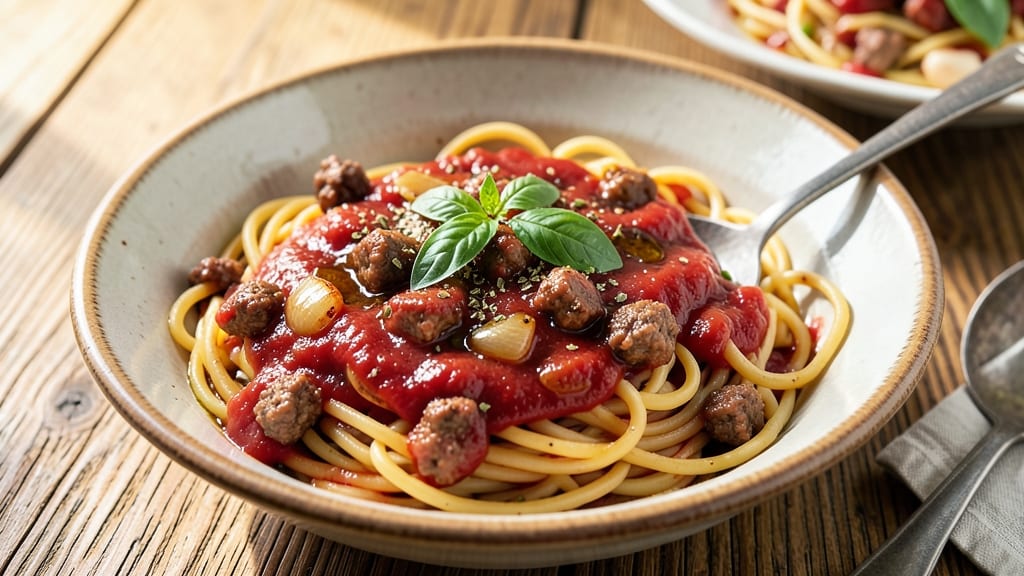
Aunt Millie's spaghetti sauce recipe is the kind of family treasure that transforms simple ingredients into something extraordinary—deep, layered umami with a bright finish from fresh basil. The secret lies in slow-simmering the sauce for hours, allowing flavors to meld into a rich, velvety consistency that clings perfectly to pasta.
I first tasted this sauce at Millie's kitchen table, where she'd let it bubble away while we chatted, and it became my benchmark for homemade spaghetti sauce.
What makes this sauce special is the balance of sweet and savory—ground beef adds depth, while tomatoes provide a tangy base that's caramelized into perfection. Garlic and onions form the aromatic foundation, while herbs like oregano and basil brighten the flavor profile.
The key technique? Low-and-slow cooking, which develops complex flavors without overpowering the natural taste of the ingredients.
By the time you're done, you'll have a sauce so rich and flavorful it turns any pasta dish into a restaurant-quality meal. The texture is velvety yet still holds its shape, with just the right amount of acidity to keep it vibrant.
It's the kind of sauce that tastes even better the next day, making it perfect for meal prep or gifting in jars.
Use it as a classic spaghetti sauce, drizzle it over meatball subs, or spread it on homemade pizza—this versatile sauce elevates everything it touches.
The recipe includes storage tips to keep it fresh for up to a week, so you can enjoy the taste of Aunt Millie's kitchen long after the pot is empty.
Ingredients for aunt millie's spaghetti sauce
The heart of Millie's sauce: beef, tomatoes, and fresh basil working their magic together.
| Ingredient | Amount | Notes |
|---|---|---|
| Ground Beef 🥩 | 1 ½ lb | 80% lean for best flavor |
| Yellow Onions 🧅 | 2 whole | Medium-sized, finely chopped |
| Garlic Cloves 🧄 | 6 cloves | Freshly minced for aroma |
| Canned San Marzano Tomatoes 🍅 | 28 oz | Crushed or whole, no salt added |
| Tomato Paste 🍅 | 2 tbsp | Smooth, no added salt |
| Dried Oregano 🍃 | 1 tbsp | Italian or Mediterranean blend |
| Fresh Basil Leaves 🌿 | ½ cup | Packed, stems removed |
| Extra-Virgin Olive Oil 🫒 | 2 tbsp | For sautéing, fruity variety |
| Red Wine 🍷 | ½ cup | Bold dry red like Cabernet |
| Beef Broth 💧 | 1 cup | Low-sodium preferred |
| Granulated Sugar 🍚 | 1 tsp | Balances acidity |
| Salt 🧂 | 1 ½ tsp | Kosher or sea salt |
| Black Pepper 🌶️ | ½ tsp | Freshly cracked |
The ground beef is where the umami magic starts—80% lean gives you that rich, meaty depth without too much fat. Grab a family-sized package from the butcher section, not the pre-ground stuff in the plastic tubs. Trader Joe's or Whole Foods have great options if you want to splurge. San Marzano tomatoes are non-negotiable here—they're sweeter and less acidic than regular canned tomatoes, which is key for that balanced flavor Millie always got. If you can't find them, Muir Glen is a solid backup. The onions and garlic? Fresh is always best, but if you're in a pinch, frozen chopped onions work fine (just thaw them first).
No red wine? Beef broth with a splash of balsamic vinegar does the trick—same depth, different vibe. Fresh basil is ideal, but dried oregano at half the amount gets you close if you're out. The tomato paste can be the squeeze-tube kind from Trader Joe's—it's perfect for this recipe since you only need a couple tablespoons. Sugar seems weird in sauce, but trust me, it rounds out the acidity from the tomatoes. If you're watching sugar, you can skip it, but the sauce won't be quite as balanced. The olive oil matters too—use something you'd actually drizzle on bread, not the cheap stuff. California Olive Ranch is my go-to for this.
This sauce gets better with time—3-4 days in the fridge is ideal if you can wait. Portion it into jars for easy storage, and it keeps for up to 6 months in the freezer. Millie always made extra to freeze—nothing worse than running out when you're craving pasta. The basil wilts fast, so store it wrapped in damp paper towels in a baggie. And if you're gifting jars? Add a sprig of fresh basil on top before sealing—looks gorgeous and keeps the flavor bright.
Why You'll Love This Recipe
- No Chopping Nightmare: I swear by this sauce because it only needs one onion, diced—no fancy techniques, no tears. The ground beef browns fast, and the San Marzano tomatoes handle the rest while you toss a salad or set the table.
- San Marzano Magic: That canned tomato choice isn’t just fancy—it’s game-changing. Sweet, meaty, and thick enough to coat without thinning out. Add the paste? Instant depth. My husband still asks why I didn’t always use this before.
- Leftovers That Beg: This sauce tastes better the next day. I make a double batch on Sundays, freeze half, and reheat it for lazy nights. (Yes, even on a Tuesday night.) The flavors meld into something richer—no one ever complains.
- Budget-Friendly Feast: Ground beef, onions, garlic, and a can of tomatoes? This feeds six for under $15. No splurges, no waste—just pure, reliable comfort. My college kids survived on this for weeks. (They still ask for it now.)
Step-by-step instructions for Aunt Millie's spaghetti sauce
Here's how to build rich, slow-simmered sauce with layers of flavor that'll make you feel like family.
Brown the Ground Beef Thoroughly
Heat the 2 tablespoons extra-virgin olive oil in a large Dutch oven over medium-high heat. Add the 1.5 pounds ground beef, breaking it up with a wooden spoon as it cooks. Let it brown undisturbed for 5-6 minutes until the meat loses its raw color and pulls away from the pan in chunks.
Here's the thing—this browning step creates the deep umami foundation. Don't rush it or you'll end up with bland sauce. Once the beef is browned, use a slotted spoon to transfer it to a plate, leaving all those flavorful browned bits behind in the pot. Those bits are pure magic for building sauce depth.
Sauté Onions and Garlic Until Soft
In the same Dutch oven, add the 2 whole yellow onions that you've finely chopped. Cook them over medium heat for 8-10 minutes until they become translucent and their edges start to turn golden. This takes patience—don't walk away.
After the onions soften, add the 6 cloves minced garlic and stir for 30 seconds until you smell that irresistible aroma. The onions should be completely tender with no bite left, and the garlic should be fragrant but not browned. If they start to color too quickly, reduce the heat slightly. This step ensures your sauce won't be overpoweringly onion-y later.
Build the Sauce Base with Wine and Tomatoes
Pour in the ½ cup red wine and scrape up all those browned bits from the bottom of the pot with a wooden spoon. Let the wine simmer for 3-4 minutes until it reduces by about half. This deglazing step captures all the meaty flavors that would otherwise stick to the pot.
Next, stir in the 2 tablespoons tomato paste and let it cook for 1 minute until it darkens slightly. Then add the 28 ounces canned San Marzano tomatoes (crushed or whole), 1 cup beef broth, 1 tablespoon dried oregano, 1 teaspoon granulated sugar, 1.5 teaspoons salt, and ½ teaspoon black pepper. Stir everything together until well combined.
Slow-Simmer to Develop Deep Flavor
Bring the sauce to a gentle simmer over low heat. Here's where the magic happens: let it cook uncovered for 45-60 minutes, stirring occasionally. You want the sauce to reduce and thicken gradually. The liquid should evaporate until the sauce coats the back of a spoon when you stir it.
I like to taste it after 30 minutes to check the seasoning. If it needs more salt or acidity, adjust now. The sauce should be rich and slightly thickened, with the tomatoes breaking down into a smooth consistency. This slow cooking is what creates that restaurant-quality depth of flavor that makes this sauce special.
Finish with Fresh Basil and Rest
Once the sauce has thickened to your liking, remove it from the heat. Stir in the ½ cup fresh basil leaves (packed, stems removed) and let the sauce sit for 5 minutes off the heat. This allows the basil to infuse its bright, fresh flavor without wilting completely.
Give the sauce one final taste and adjust the seasoning if needed. The sauce should be perfectly balanced—rich from the meat, bright from the basil, and well-seasoned. Serve it immediately over your favorite pasta, or let it cool slightly before storing. This sauce tastes even better the next day as the flavors continue to meld together.
Pro Tips For Making Aunt Millie'S Spaghetti Sauce
- CRACK THE ONIONS FIRST: I learned this the hard way—sweating onions low and slow before adding beef keeps the sauce from tasting raw. Dice them into 1/4-inch pieces (smaller than you think) and cook them in the same pot you’ll brown the meat, stirring often until they’re translucent but not browned. That’s the foundation of flavor, and skipping it makes the whole dish taste flat.
- BROWN THE BEEF WELL: Don’t just cook the beef until it’s no longer pink—get it deep brown, almost crusty in spots. Break it into small, even pieces first (about 1/2-inch chunks), then spread them out in the pot so they sizzle, not steam. If you crowd the pan, you’ll end up with greasy, gray meat instead of rich, savory crumbles.
- SALT THE TOMATO PASTE: The tomato paste is where you can sneak in half the sauce’s seasoning. Stir it into the onions before adding beef, then sprinkle 1/2 teaspoon of salt right on top—this dissolves into the paste and infuses the whole sauce. I was skeptical until I tried it; the flavor is way more balanced than adding salt later.
- SIMMER NOT BOIL: Once the tomatoes are added, resist the urge to crank the heat. A gentle simmer (small bubbles, occasional stirs) prevents the sauce from splitting or turning mealy. If it looks too thick after 30 minutes, add a splash of water—but don’t let it boil again. Patience here makes the difference between a thick, glossy sauce and a sad, watery one.
Serving suggestions for aunt millie's spaghetti sauce
Classic Spaghetti Pairing
This sauce is designed to shine with al dente spaghetti—cook 12 ounces of pasta until it has a slight bite, then toss with 2 tablespoons olive oil and a pinch of salt.
The sauce clings beautifully to the strands, creating that iconic Italian restaurant experience. For extra richness, add a sprinkle of Parmigiano-Reggiano right before serving. 🍝
Meatball Sub Sandwich
Transform this sauce into a hearty sub by layering it with homemade meatballs (about 6-8) on a toasted ciabatta roll or hoagie bun. Add a handful of baby arugula and a drizzle of balsamic glaze for brightness.
The slow-cooked flavors stand up perfectly to the bread's texture. Serve with garlic knots on the side.
Homemade Pizza Topping
Use this sauce as a base for pizza by spreading ½ cup over a pre-baked 12-inch dough. Top with mozzarella slices, sliced pepperoni, and fresh basil leaves.
Bake at 475°F for 10-12 minutes until the crust is golden. The sauce's depth elevates any pizza into a gourmet meal. 🍕
Pasta Bake Twist
For a comforting bake, mix 2 cups cooked penne with 1½ cups sauce, 1 cup ricotta cheese, and ½ cup grated Pecorino Romano.
Top with breadcrumbs and bake at 375°F for 20 minutes until bubbly. The sauce's richness blends perfectly with the creamy ricotta, creating a crowd-pleasing dish.
Breakfast Hash
Yes, you read that right! Use leftover sauce as a breakfast topping for crispy breakfast potatoes and fried eggs. The savory depth pairs surprisingly well with morning flavors.
I like to add a sprinkle of feta cheese and crispy bacon bits for extra texture. It’s a weekend brunch game-changer. 🍳
Garnish Like a Pro
Finish any dish with these simple garnishes: a sprinkle of freshly grated Parmesan, a few basil leaves torn by hand, or a drizzle of high-quality olive oil.
For extra flair, add a pinch of red pepper flakes if you love heat. These small touches elevate the sauce from homemade to restaurant-worthy.
Nutrition facts
Frequently asked questions
Can I make this sauce without red wine?
Replace the ½ cup red wine with ½ cup beef broth plus 1 tablespoon balsamic vinegar for similar depth. The vinegar adds acidity that mimics wine's brightness, while the broth keeps the sauce rich. For extra umami, add ½ teaspoon Worcestershire sauce to the broth mixture.
How long can I store this sauce in the fridge?
The sauce tastes best within 3-4 days in an airtight container in the fridge. For longer storage, portion into jars and freeze for up to 6 months. Thaw overnight in the fridge—never at room temperature—to preserve texture. The flavors actually deepen over time, making it perfect for meal prep!
What if I don't have San Marzano tomatoes?
Use high-quality crushed tomatoes like Muir Glen or Rao's as your next best option. Avoid tomato sauces with added sugar or salt. For extra richness, add 1 extra tablespoon tomato paste to compensate for any lack of natural sweetness. The key is balancing acidity—adjust with a pinch of sugar if needed.
Can I make this sauce vegetarian?
Swap the beef for 1.5 pounds mushrooms (cremini or portobello) or 1 can lentils (drained). For umami depth, add 1 teaspoon soy sauce or ½ teaspoon smoked paprika to the mushrooms. The slow simmer will still develop rich flavors, though the texture will be slightly different.
Why does my sauce taste too acidic?
Add a pinch of sugar (½ teaspoon at a time) to balance the acidity, or stir in 1 tablespoon tomato paste to thicken and mellow the flavor. If it's still too sharp, a small splash of beef broth (1-2 tablespoons) will dilute the acid while maintaining richness. Taste as you go!