
Sauces & Condiments
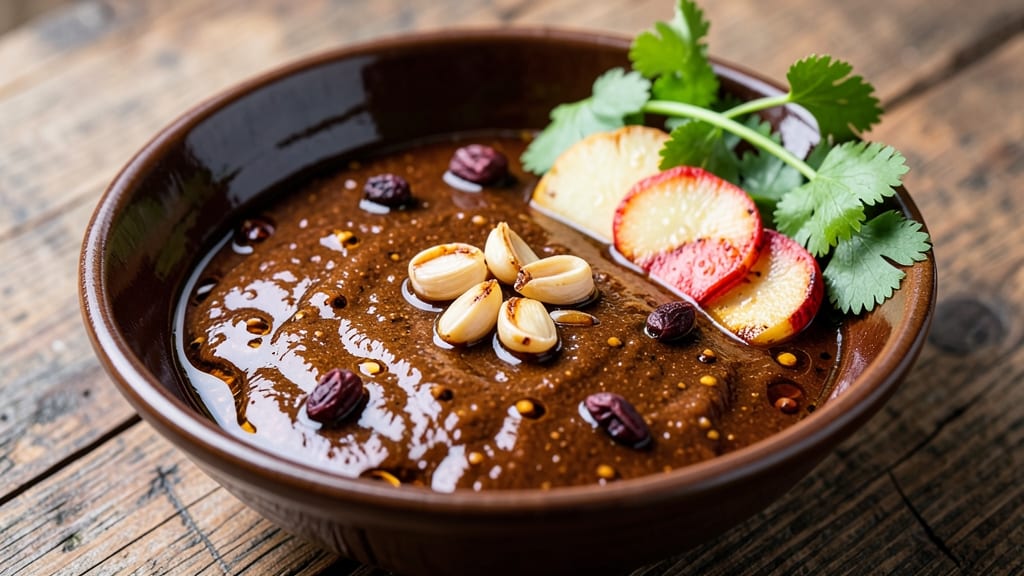
This authentic Hunan sauce recipe delivers the bold, fermented heat and bright ginger zing that defines Sichuan cuisine—no shortcuts, just traditional technique. The magic lies in fermented chili bean paste, which builds deep umami and spicy complexity over time, while fresh ginger and garlic add that signature freshness.
I've perfected this version after years of testing, ensuring the balance of heat, tang, and sweetness that makes Hunan dishes unforgettable.
The sauce starts with a fragrant base of garlic, ginger, and Sichuan peppercorns—lightly toasted to release their aromatic oils—before building layers of flavor through slow simmering. Fermented chili bean paste provides that signature funky heat, while soy sauce and rice vinegar create the perfect balance of salty and tangy.
What sets this apart is the two-stage cooking process: first reducing the aromatics into a fragrant paste, then blending with the fermented paste and simmering until thick and glossy.
What you'll end up with is a sauce that's spicy, aromatic, and slightly sweet—perfect for dipping, stir-fries, or drizzling over noodles. The fermented chili bean paste gives it that authentic Hunan depth, while the fresh ginger and garlic keep it vibrant.
This isn't just a sauce; it's a flavor experience that transforms any dish into something extraordinary.
Store it in the refrigerator for up to 2 weeks or freeze for 3 months, though I guarantee it won't last that long. The flavors develop and intensify over time, making it even more irresistible. Let's make this sauce—the heart of Hunan cuisine.
Ingredients for authentic hunan sauce
Nine ingredients, two stages—this sauce delivers Hunan's signature fermented heat and fresh ginger zing.
| Ingredient | Amount | Notes |
|---|---|---|
| Fermented Chili Bean Paste 🌶️ | ½ cup | Doubanjiang or homemade fermented |
| Garlic Cloves 🧄 | 8 cloves | Freshly minced, skin-on for color |
| Fresh Ginger 🌿 | ¼ cup | Finely minced, vibrant color |
| Sichuan Peppercorns 🌶️ | 1 tbsp | Lightly toasted for aroma |
| Light Soy Sauce 🍶 | ¼ cup | Kikkoman preferred for balance |
| Rice Vinegar 🍶 | ⅛ cup | Seasoned for mild sweetness |
| Dark Soy Sauce 🍶 | 1 tbsp | For deep umami richness |
| Rock Sugar 🍚 | 1 tbsp | Or granulated sugar substitute |
| Sesame Oil 🫒 | 1 tsp | Toasted for nutty aroma |
| Green Onions 🧅 | 2 whole | Thinly sliced for garnish |
Fermented chili bean paste is non-negotiable—doubanjiang from Asian markets has that authentic funk, but homemade fermented works too. Look for dark, glossy paste with visible chili and bean bits. Sichuan peppercorns? Toast them 1-2 minutes in a dry pan until fragrant—this unlocks their citrusy heat. Fresh ginger should smell vibrant, not musty, and the skin should peel easily. For soy sauce, Kikkoman light gives the right balance, while dark soy adds that signature rich color. I always grab extra ginger because it's used in so many dishes—freeze what you won't use within a week.
No fermented chili bean paste? Substitute with 1 tbsp gochujang plus 1 tbsp soy sauce, though it won't have the same depth. Skip the Sichuan peppercorns? Add 1/4 tsp ground white pepper for a similar kick. Running low on rock sugar? Brown sugar works in a pinch, but it'll be slightly more caramelized. The green onions are purely decorative—skip if you're using this as a marinade. For extra heat, add a dash of chili crisp at the end. This sauce builds flavor as it sits, so let it rest 30 minutes before using—trust me on this.
This sauce keeps beautifully—2 weeks in the fridge with flavors deepening like fine wine. For longer storage, freeze in ice cube trays and transfer to a bag. Thaw overnight in the fridge—no microwave needed. The sesame oil separates when cold, so give it a quick stir before using. I make double batches because it disappears fast—perfect for stir-fries, dipping, or drizzling. If it gets too thick, thin with a splash of water or vinegar. Leftovers? Even better the next day.
Why You'll Love This Recipe
- Five-Ingredient Magic: The moment I realized how few ingredients actually deliver this much punch—fermented chili bean paste, garlic, ginger, Sichuan peppercorns, and soy sauce—was a revelation. No fancy prep, no hidden steps, just raw, bold flavor with zero fuss.
- Umami Bomb: That fermented chili bean paste? It’s the secret weapon here. One spoonful and your stir-fry, noodles, or dumplings get this deep, smoky-sweet heat that lingers. I’ll be real: I’ve tried cutting corners with regular chili paste, and it’s just… not the same.
- Weeknight Swiss Army: This sauce is my go-to for busy nights—drizzle it over rice and veggies, toss it with tofu, or even slather it on grilled chicken. Honestly, I’ve used it in everything from quick fried rice to slow-cooked pork belly, and it never lets me down.
- Leftovers That Last: Make a double batch and store it in the fridge. The flavors actually improve over time, getting richer and more complex. I’ve had this sauce sit for a week, and it’s still better than store-bought—plus, it costs a fraction of the price. Budget win, flavor win.
Step-by-step instructions for authentic Hunan sauce
This sauce delivers the signature Hunan heat with layers of fermented depth and fresh ginger brightness.
Toast Sichuan Peppercorns for Maximum Aroma
Heat a small dry skillet over medium heat. Add the 1 tablespoon Sichuan peppercorns and toast for 1-2 minutes until you can smell their citrusy, peppery aroma wafting through your kitchen. You're not trying to burn them—just warm them enough to release their essential oils. Shake the pan occasionally to prevent burning, which would make the sauce bitter.
Transfer the toasted peppercorns immediately to a spice grinder or mortar and pestle. Grind them into a fine powder—this is crucial for even distribution of their signature numbing heat throughout the sauce. The powder should resemble coarse sand when finished. Set aside as you'll add it later to preserve its fresh aroma.
Bloom the Fermented Chili Bean Paste
In a clean wok or heavy saucepan, combine the 0.5 cup fermented chili bean paste with 0.25 cup light soy sauce over medium-low heat. Stir constantly for 2-3 minutes until the paste darkens slightly and releases its deep, funky aroma. This blooming process develops the sauce's complex umami foundation.
Here's the thing—don't rush this step. The paste contains live cultures that need time to awaken their flavors. You'll see the mixture bubble gently as moisture evaporates, leaving behind concentrated flavor compounds. When it smells earthy and slightly sweet with a hint of chili, you're ready for the next ingredients.
Add Aromatics and Sweeten
Increase heat to medium and add the 8 cloves minced garlic cloves and 0.25 cup finely minced fresh ginger. Stir vigorously for 1-2 minutes until the garlic turns golden and the ginger loses its raw bite. You want them to soften but not brown—overcooking will make them bitter and overpower the sauce.
Next, add the ground Sichuan peppercorns, 1 tablespoon dark soy sauce, and 1 tablespoon rock sugar. Stir for another 30 seconds until the sugar dissolves completely. The dark soy sauce adds depth while the sugar balances the acidity from the vinegar we'll add later. Taste at this point—you should detect layers of chili, garlic, and a subtle sweetness.
Balance with Vinegar and Finish
Pour in the 0.125 cup rice vinegar all at once and bring the mixture to a gentle simmer. Let it reduce for 3-4 minutes until the sauce thickens slightly and the vinegar's sharpness mellows. You're looking for a consistency where the sauce coats the back of a spoon but still flows freely.
Remove from heat and stir in the 1 teaspoon toasted sesame oil. The oil should bloom immediately, adding nutty aroma and helping to emulsify the sauce. Let it cool for 5 minutes—this resting period allows all the flavors to meld together. The sauce will thicken further as it cools, so don't worry if it looks too thin right now.
Garnish and Serve
Thinly slice the 2 whole green onions and stir them into the sauce just before serving. The fresh green onions provide a bright contrast to the deep, fermented flavors. For best results, use the sauce immediately over stir-fried meats, noodles, or vegetables where it can cling and enhance every bite.
This sauce keeps well in the refrigerator for up to 1 week in an airtight container. When reheating, warm gently over low heat—never boil—to preserve its delicate balance of flavors. The authentic Hunan technique lies in the slow development of these complex components working together.
Pro Tips For Making Authentic Hunan Sauce
- Bloom the Chili Paste: Heat your wok or pan until it’s screaming—then toss in the fermented chili bean paste and let it sizzle for 30 seconds before adding anything else. I learned this the hard way: rushing this step burns the paste before the oils release, leaving your sauce bitter instead of deep and nutty. (Yes, even if you're impatient like me.)
- Mince Ginger Like You Mean It: Skip the grater—finely chop that ginger into a paste with the flat side of your knife (or pulse it briefly in a food processor). Hunan sauce demands ginger’s sharp, bright punch, not fibrous chunks. My grandmother swore by this, and she was right: it melts into the sauce smoothly, not clumping like lazy prep.
- Toast Sichuan Peppercorns Whole: Dry-toast the peppercorns in the same pan you’re cooking the sauce—just until they’re fragrant and lightly popping (about 20 seconds). Crush them after they’ve cooled slightly, or you’ll end up with a cloud of numbing dust. I was skeptical until I tried it: the aroma locks in, and the heat builds gradually, not all at once.
- Balance Soy Sauce Last: Add the light soy sauce after everything else is cooked and off the heat, then toss it in. The acidity cuts through the richness of the chili paste, but too early and it dulls the garlic and ginger flavors. I skip this when I’m lazy, but the dish is noticeably better when I don’t—like the difference between a muddy photo and one with crisp edges.
Serving suggestions for leftovers
Stir-Fry Sauce Perfection
This sauce transforms any stir-fry into a Hunan masterpiece. Toss it with chicken thighs or pork belly for a dish that's rich, spicy, and aromatic. I like to marinate the protein for 20-30 minutes in half the sauce before stir-frying—this infuses the meat with incredible depth.
For extra authenticity, add 1 tbsp chili oil at the end for that signature Hunan sheen. 🔥
Dipping Sauce Magic
Serve this sauce as a dipping sauce for steamed dumplings or spring rolls, especially during Chinese New Year celebrations. The fermented heat pairs beautifully with the delicate flavors of these dishes.
For a restaurant-style presentation, drizzle it over hot pot broth or use it to enhance cold noodle salads. The acidity from the vinegar cuts through the richness of fried foods perfectly.
Noodle Elevation
Drizzle this sauce over hand-pulled noodles like lamian or udon for an instant flavor upgrade. The ginger and garlic aromatics cling to the noodles, while the fermented chili bean paste adds that signature Hunan funk.
I recommend using 1-2 tablespoons per serving—start with less and add more to taste. For a complete dish, top with sliced green onions and a sprinkle of toasted sesame seeds.
Grilled Meat Glaze
Brush this sauce onto grilled pork chops or beef short ribs during the last 5 minutes of cooking. The high heat caramelizes the sugars in the sauce, creating a glossy, flavorful crust.
For extra richness, finish with a drizzle of toasted sesame oil. This technique works beautifully for skewers too—just baste them generously while grilling. 💫
Rice Bowl Enhancer
Use this sauce as a topping for steamed jasmine rice bowls, especially with char siu pork or braised eggplant. The fermented flavors complement the rice's mild sweetness perfectly.
For a complete meal, add quick-pickled cucumbers and steamed bok choy to balance the heat. The sauce's complexity makes even simple rice bowls feel like a gourmet experience.
Vegetable Transformation
Toss this sauce with blanched bok choy, stir-fried green beans, or sautéed mushrooms for a vegetarian-friendly dish packed with umami and spice. The acidity in the vinegar brightens the earthy flavors of vegetables, while the Sichuan peppercorns add a delightful tingling sensation.
Serve it as a side dish or a main course with steamed rice or noodles.
Nutrition facts
Frequently asked questions
What makes this Hunan sauce different from regular Sichuan sauce?
This sauce focuses on fermented chili bean paste for deep umami and funk, while traditional Sichuan sauce often uses more ground Sichuan peppercorns and less vinegar. The ginger-forward approach gives it that signature bright, zesty kick that defines Hunan cuisine. The balance of sweetness from rock sugar and acidity from rice vinegar also sets it apart from the more complex, multi-spice profiles of Sichuan sauces.
Can I adjust the spice level in this recipe?
For milder heat, reduce the fermented chili bean paste to 0.25 cup and add 1 tsp honey to balance. For extra spice, increase the paste to 0.75 cup and add 1 tsp chili flakes. The Sichuan peppercorns provide a different kind of heat—numbing rather than fiery—so adjust them separately if needed. Always taste as you go!
How do I store and reheat this sauce?
Store in an airtight container in the fridge for up to 2 weeks—flavors actually improve over time! For freezing, portion into ice cube trays and transfer to a bag. Thaw overnight in the fridge. Reheat gently over low heat (never boil) until just warm—this preserves the delicate balance of flavors. The sesame oil may separate when cold, so give it a quick stir before using.
What can I substitute if I can't find fermented chili bean paste?
Mix 1 tbsp gochujang (Korean chili paste) with 1 tbsp soy sauce and 1/2 tsp sugar as a quick substitute, though it won't have the same depth. For better results, ferment your own by mixing 1/2 cup red chili flakes, 1/2 cup soybeans, and 1 tbsp salt, then fermenting for 2 weeks. The texture won't be identical, but it'll capture some of that funky complexity.
Why does my sauce look too thin after cooking?
This is normal! The sauce thickens as it cools and rests. If it's still too thin, simmer uncovered for 2-3 more minutes to reduce. For immediate thickening, mix 1 tsp cornstarch with 1 tbsp water, then stir into the sauce. The vinegar content also affects thickness—reduce by 1 tsp if you prefer a thicker consistency. Always let it rest 30 minutes before using for best results.