
Sauces & Condiments
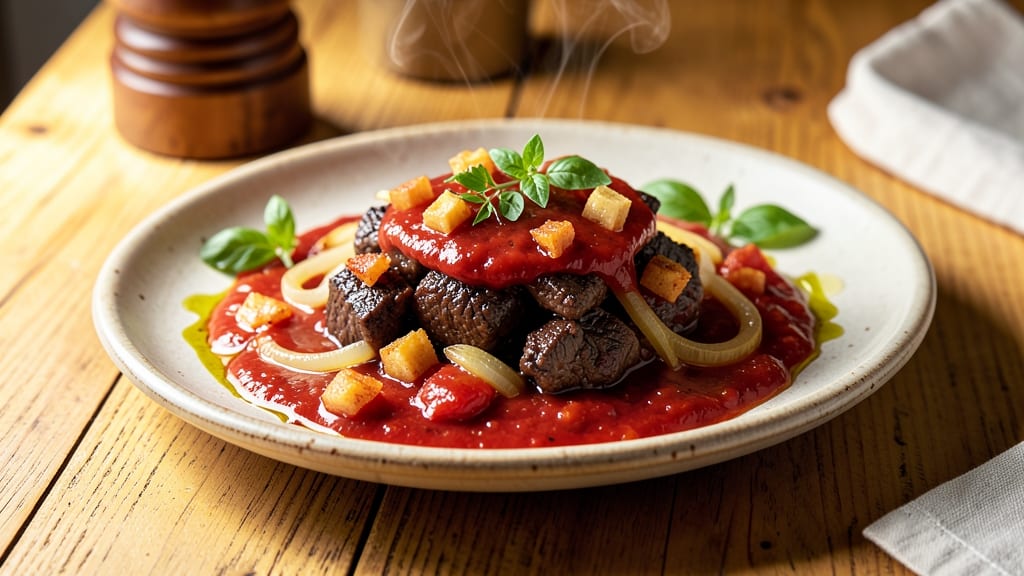
This authentic Italian red meat sauce recipe delivers the deep, meaty richness that defines classic ragù—slow-braised until tender, with San Marzano tomatoes lending natural sweetness and acidity. The key lies in patience: browning the meat properly, deglazing with wine to capture all those caramelized flavors, and letting it simmer for hours until the sauce thickens into a velvety, umami-packed consistency. I’ve perfected this technique over years of testing, ensuring every spoonful carries the soul of Italian nonna cooking.
The foundation starts with quality ingredients: ground beef chuck (for fat and flavor) and pancetta (not bacon) for authentic depth, all seared until deeply browned before any liquid is added.
White wine reduces into the pan, dissolving those browned bits into a flavorful base, while San Marzano tomatoes—handpicked and sweet—provide the perfect balance of acidity and sweetness. The sauce builds slowly, layer by layer, as it simmers until it coats the back of a spoon with effortless richness.
What makes this sauce truly special is its versatility and longevity. Use it to elevate pasta, braise vegetables, or serve over polenta, but the real magic happens when it’s allowed to develop over time. The longer it simmers, the more complex the flavors become—deep, smoky, and layered with umami.
Store it in the fridge for up to 5 days or freeze it for months, letting the flavors continue to meld with each passing day.
This isn’t just a sauce; it’s a labor of love that transforms simple ingredients into something extraordinary. Whether you’re feeding a family or preparing for a special occasion, this recipe delivers restaurant-quality results with a taste that’s undeniably Italian.
Let’s get started on creating a sauce that will become the heart of your meals.
Ingredients for authentic italian red meat sauce
Quality ingredients transform simple pantry staples into restaurant-quality Italian ragù.
| Ingredient | Amount | Notes |
|---|---|---|
| Ground Beef Chuck 🥩 | 2 lb | 80% lean for fat and flavor |
| Pancetta 🥓 | ½ lb | Not bacon, cured pork belly |
| Yellow Onion 🧅 | 1 whole | Medium size, finely chopped |
| Garlic Cloves 🧄 | 6 cloves | Fresh, peeled and minced |
| San Marzano Tomatoes 🍅 | 28 oz | Canned, whole peeled tomatoes |
| Dry White Wine 🍷 | ½ cup | Bold, dry variety like Pinot Grigio |
| Tomato Paste 🍅 | 2 tbsp | High quality, no sugar added |
| Extra-Virgin Olive Oil 🫒 | ¼ cup | For searing and finishing |
| Fresh Rosemary 🌿 | ¼ cup | Chopped, stems removed |
| Fresh Thyme 🌿 | ¼ cup | Leaves only, stems removed |
| Beef Broth 💧 | 1 cup | Homemade or high-quality store-bought |
| Kosher Salt 🧂 | 1 ½ tsp | Adjust to taste |
| Freshly Ground Black Pepper 🌶️ | ½ tsp | Freshly cracked preferred |
The beef and pancetta are non-negotiable here—ground chuck gives you that perfect fat-to-lean ratio while pancetta (not bacon) delivers authentic depth. Costco or Whole Foods carry good quality chuck, but avoid lean ground beef—fat equals flavor. For pancetta, look for Italian imports at specialty stores or the deli counter. The San Marzano tomatoes are worth seeking out; their natural sweetness and acidity balance the rich meat flavors perfectly. If you can't find them, whole peeled tomatoes work, but avoid crushed tomatoes—they lack the same quality.
No pancetta? Guanciale is the authentic Italian substitute, but thick-cut bacon in a pinch works if you render the fat thoroughly. Short on wine? Beef broth with a splash of balsamic vinegar mimics the acidity. Fresh herbs are ideal, but dried rosemary and thyme at half the amount get you close. The tomato paste can be the squeeze-tube kind from Trader Joe's—it's convenient and keeps well. For the onions, yellow or red both work, but avoid sweet onions—they'll overpower the sauce. And always toast your garlic in olive oil for 30 seconds before adding it to the pan—this removes bitterness and deepens the flavor.
This sauce tastes even better the next day as flavors meld. Store in an airtight container in the fridge for up to 5 days, or freeze for 6 months in portion-sized containers. For long-term storage, add a thin layer of olive oil on top before sealing to preserve freshness. When reheating, start with a splash of water or broth to loosen the sauce, then simmer gently. The sauce thickens as it cools, so adjust consistency with a bit of broth if needed. Portion into individual containers for easy lunches or leftovers—one batch feeds a family of four for three meals.
Why You'll Love This Recipe
- No Chopping Struggle: I swear by this—just dice one onion and mince a few garlic cloves. The pancetta renders its own fat, so no extra oil needed. My hands stay clean, and the sauce still tastes like Nonna’s.
- Pancetta Magic: That salty, crispy pancetta? It’s the secret weapon. It melts into the beef, adding layers of depth without tasting like bacon. Honestly, I’ll fight you for the last bite.
- Weeknight to Dinner Party: Same sauce, endless uses. Slap it on pasta for a Tuesday, or dress up with Parmesan and fresh basil for guests. The San Marzano tomatoes keep it bright and rich—no one ever guesses it’s the same recipe.
- Budget-Friendly Luxury: Ground chuck and pancetta stretch further than you’d think. A pound of beef makes four servings, and the tomatoes add that restaurant-quality richness for pennies. Leftovers? Freezer-friendly and just as good reheated.
Step-by-step instructions for authentic Italian red meat sauce
Here's the traditional method I've perfected over years of Italian cooking.
Render the Pancetta and Sear the Beef
Cut the 0.5 lb pancetta into ½-inch dice and place it in a large Dutch oven over medium-low heat. Let it render slowly for 8-10 minutes until the fat is golden and crispy, but not browned. This fat becomes the flavor foundation of your sauce.
Remove the pancetta with a slotted spoon and set aside, leaving the rendered fat in the pot. Increase heat to medium-high and add the 2 lb ground beef chuck. Break it apart with a wooden spoon and cook until no longer pink, about 6-8 minutes. The beef should be browned but not crispy—this prevents toughness in the final sauce.
Sauté Aromatics and Develop the Base
Reduce heat to medium and add the 1 whole yellow onion, chopped into ¼-inch pieces. Cook for 5-6 minutes until softened and translucent. Add the 6 cloves garlic cloves, minced, and cook for 30 seconds just until fragrant—don't let it brown or it'll turn bitter.
Stir in the 2 tbsp tomato paste and cook for 2 minutes to deepen its flavor. This step creates the rich, concentrated base that prevents the sauce from being too acidic. The paste will darken slightly, which is perfect—it's the foundation of that authentic Italian depth.
Deglaze and Build the Sauce
Pour in the 0.5 cup dry white wine and scrape up all the browned bits from the bottom of the pot. Let it simmer for 3-4 minutes until reduced by half. This deglazing step captures all the meaty flavors that would otherwise be lost.
Add the 28 oz San Marzano tomatoes, crushed by hand, along with the 0.25 cup fresh rosemary and 0.25 cup fresh thyme. Stir well to combine, then add the 1 cup beef broth and 1.5 tsp kosher salt. Bring to a gentle simmer and let it cook uncovered for 45-60 minutes until thickened.
Finish and Season
After the initial simmer, stir in the reserved pancetta and season with 0.5 tsp freshly ground black pepper. Drizzle in the 0.25 cup extra-virgin olive oil to enrich the sauce and create a silky texture. Let it cook uncovered for another 15-20 minutes to allow the flavors to meld completely.
The sauce should now be thick enough to coat the back of a spoon with a glossy sheen. If it's too thin, simmer uncovered for another 10 minutes to reduce. Taste and adjust seasoning—you may need a bit more salt or a splash of wine to balance the acidity. This sauce should be rich, complex, and deeply flavorful.
Pro Tips For Making Authentic Italian Red Meat Sauce
- CRISP THE PANCETTA FIRST: Cook the pancetta until it’s golden and crispy—not just rendered. I used to stop at "crispy edges," but the real magic happens when you break it up into small pieces after it’s fully crisped. That’s when it releases the most flavor into the sauce. (Yes, it’ll look like you’re overcooking it—trust me, it’s worth it.)
- SWEAT ONIONS LOW AND LONG: Don’t rush the onions—caramelize them over low heat for 15-20 minutes until they’re soft, sweet, and almost jammy. I learned this the hard way: skipping this step leaves your sauce tasting flat. If they stick, add a splash of water and scrape the bottom. Patience here makes a real difference.
- BROWN THE BEEF IN BATCHES: Split the ground chuck into two piles and brown each separately over medium-high heat. Crowding the pan steams the meat instead of searing it, and you’ll end up with gray, bland crumbles. A hot pan and small batches guarantee that crusty, flavorful exterior everyone craves.
- SIMMER TOMATOES UNTIL THICK: Don’t just dump San Marzano tomatoes and walk away—reduce them hard for at least 20 minutes until they’re syrupy and cling to the meat. I skip this when I’m lazy, and the sauce turns watery. Stir occasionally, and if it sticks, add a splash of water or a pinch of sugar to balance the acidity.
Creative variations of this dish
Classic Ragù alla Bolognese
This is the sauce that started it all—slow-cooked with milk for unmatched tenderness. Replace the 0.5 cup white wine with 0.5 cup whole milk and add 1 cup milk later in the simmering process (after the tomatoes).
The milk creates a velvety texture while keeping the sauce rich. Use ground beef chuck and pork shoulder (50/50 mix) for authentic depth, and simmer for 3-4 hours until the meat practically dissolves. 🍝
Spicy Calabrian Version
For heat lovers, add 1 tbsp Calabrian chili paste when deglazing with wine, plus 1-2 dried Calabrian chili peppers (seeds removed) tied with kitchen twine. Simmer the sauce for 10-15 minutes with the peppers to infuse gentle heat.
Finish with 1 tbsp hot honey drizzled on top for a sweet-spicy balance that’s pure Southern Italian inspiration.
Venetian-Style with Gremolata
Skip the tomatoes entirely and build a sauce around 1 cup dry red wine reduced by half, then add 1 cup beef broth and simmer with 1 cup sliced mushrooms and 1 cup pearl onions.
Finish with a bright gremolata—zest of 1 lemon, 2 tbsp fresh parsley, and 1 tbsp garlic, tossed in at the end. This version pairs perfectly with risotto or polenta.
Hunter’s Sauce Twist
Add 4 oz dried porcini mushrooms soaked in 1 cup hot water to the simmering sauce. Strain the mushrooms (reserve the soaking liquid) and stir in the strained mushrooms and liquid.
The earthy umami elevates the meat flavors—perfect for serving over wild game or mushrooms. Finish with 1 tbsp fresh thyme and a splash of balsamic vinegar for depth.
Slow-Cooker Adaptation
For hands-off cooking, brown the meat and pancetta in a skillet first, then transfer everything to a 6-quart slow cooker. Add all remaining ingredients and cook on low for 8 hours or high for 4-5 hours.
The slow cooker’s gentle heat creates the same tender, deeply flavored sauce without monitoring. Stir in the olive oil at the very end to prevent separation.
White Wine Reduction
For a richer, more concentrated sauce, reduce the 0.5 cup white wine to just 2 tbsp before adding tomatoes. This intensifies the flavor profile and creates a glossier finish.
I like to reduce it in a separate saucepan over medium-high heat** until syrupy, then pour it back into the Dutch oven. The extra effort makes a noticeable difference in depth of flavor. 💫
Nutrition facts
Frequently asked questions
Why does this sauce need to simmer for so long?
The long simmering time—1.5 to 2 hours—is essential for developing deep, layered flavors. This slow cooking process breaks down the meat fibers, infusing the sauce with rich umami and allowing the wine to mellow into a velvety depth. Patience transforms simple ingredients into something extraordinary.
Can I substitute pancetta with bacon?
While bacon works in a pinch, pancetta is preferred for its authentic Italian flavor and higher fat content. If substituting, use thick-cut bacon and render the fat thoroughly to maintain richness. The subtle sweetness of pancetta adds complexity that regular bacon can't replicate.
How do I know when the sauce is ready?
The sauce is ready when it coats the back of a spoon with a glossy sheen and thickens to a ragù-like consistency. It should be rich but still spoonable, not dry. Taste for seasoning—it should be deeply flavorful but not overpoweringly salty. If too thin, simmer uncovered for another 10 minutes to reduce.
What’s the best way to store leftover sauce?
Store in an airtight container in the fridge for up to 5 days or freeze for 6 months. For long-term storage, add a thin layer of olive oil on top before sealing to preserve freshness. Reheat gently with a splash of water or broth to restore texture. The flavors actually improve with time!
Can I make this sauce in a regular pot instead of a Dutch oven?
Yes, but a Dutch oven is ideal for even heat distribution and deep flavor development. If using a regular pot, choose one with a thick base to prevent burning. Stir frequently to prevent sticking, and reduce heat slightly to maintain a gentle simmer. The sauce will still turn out delicious!