
Sauces & Condiments
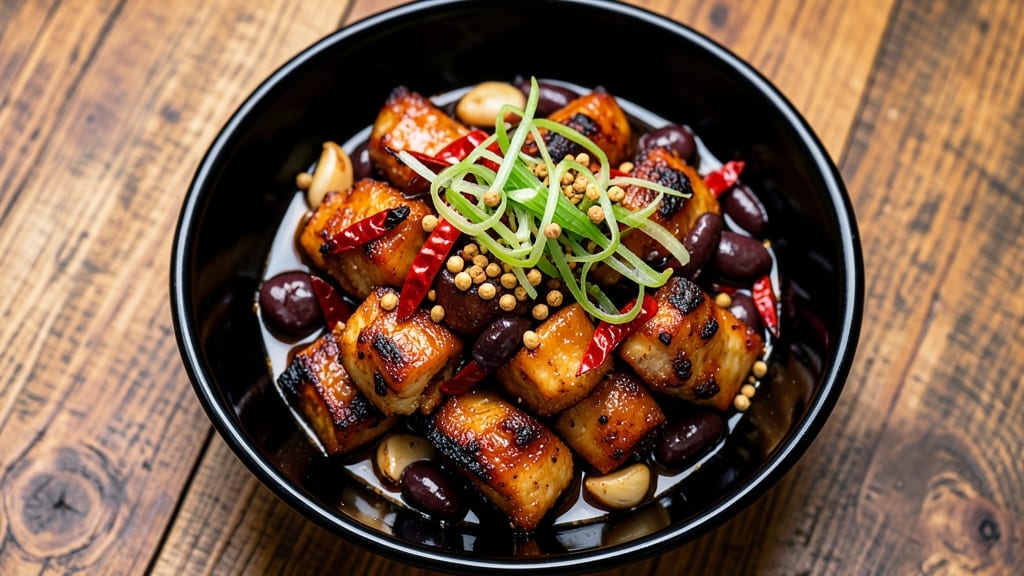
This authentic Kung Pao sauce recipe delivers the signature smoky, spicy, and slightly sweet balance that makes it a stir-fry legend. The secret lies in Sichuan peppercorns—those tiny black seeds that create a numbing, tingling heat—paired with fermented black beans and chili oil for depth.
I’ve perfected this version after years of testing, ensuring every spoonful captures the restaurant-quality complexity without the guesswork.
The foundation starts with a simple base of soy sauce, rice vinegar, and a touch of sugar to balance the heat, but it’s the aromatics that elevate it: minced garlic, grated ginger, and a splash of Shaoxing wine for authenticity.
Toasted peanuts add crunch and richness, while a drizzle of chili oil ties everything together with its signature smoky kick. This sauce is versatile—drizzle it over noodles, toss with tofu, or use as a marinade—but its real magic happens when it clings to stir-fried proteins.
What sets this apart is the authentic Sichuan peppercorn infusion, which delivers that signature "málà" (numbing-spicy) sensation without overwhelming the palate. The sauce keeps well in the fridge for up to a week, with flavors deepening over time, and freezes beautifully for future meals.
Adjust the heat by adding more chili oil or reducing the peppercorns—this is your canvas.
For those new to Sichuan flavors, start with half the suggested peppercorns and build tolerance. The result? A sauce that’s bold yet balanced, with layers of umami, heat, and crunch in every bite. Let’s make it.
Ingredients for authentic kung pao sauce
Nine ingredients, bold flavors—this is your ticket to restaurant-quality Kung Pao sauce.
| Ingredient | Amount | Notes |
|---|---|---|
| Sichuan Peppercorns 🌶️ | 1 ½ tbsp | Whole, lightly toasted for aroma |
| Fermented Black Beans 🫘 | ½ cup | Sliced, from Asian market |
| Dried Red Chilies 🌶️ | 2 whole | Arbol or Thai bird's eye |
| Light Soy Sauce 🍶 | ⅓ cup | Kikkoman preferred |
| Shaoxing Wine 🍷 | ¼ cup | Substitute dry sherry if needed |
| Garlic Cloves 🧄 | 6 cloves | Minced, fresh preferred |
| Fresh Ginger 🌿 | 1 ½ tbsp | Grated, peeled |
| Brown Sugar 🍯 | 2 tbsp | Light or dark works |
| Toasted Peanuts 🥜 | ⅓ cup | Crushed, store-bought or homemade |
| Chili Oil 🫒 | 2 tbsp | Homemade or store-bought |
Sichuan peppercorns are the heart of this sauce—get them at an Asian market if possible, but the bulk section at Walmart or Trader Joe's works too. Look for whole, not ground—they toast beautifully and give that signature numbing heat. Fermented black beans add umami depth, and you’ll find them in the same aisle as soy sauce. If you can’t find them, substitute mushrooms (shiitake or cremini) for earthiness. The dried chilies? Arbol or Thai bird's eye give the right heat—skip the mild ones. Toast them quickly in a dry pan before adding to bring out their flavor.
No Shaoxing wine? Dry sherry or even a splash of rice vinegar works in a pinch. The garlic and ginger should be fresh—frozen works but lacks brightness. For sugar, brown sugar gives molasses notes, but white sugar or honey (if not vegan) works too. The peanuts? Toast them in a dry pan until golden—this makes all the difference. Store-bought chili oil is fine, but homemade (made with oil and dried chilies) has more depth. If you’re sensitive to heat, start with 1 tbsp chili oil instead of 2—you can always add more later.
This sauce keeps for 1 week in the fridge, with flavors deepening over time. For longer storage, freeze in ice cube trays—just thaw and stir. The peanuts will separate, so give it a quick shake before using. Double the batch if you’re feeding a crowd—it disappears fast. Leftovers make killer noodle dipping sauce or a quick stir-fry upgrade. And if you’ve got extra Sichuan peppercorns? Toast and grind them—they’re great on popcorn or in marinades.
Why You'll Love This Recipe
- Pantry Magic: That fermented black bean stash? It’s your secret weapon. No fresh herbs or fancy prep—just toast the peppercorns, soak the chilies, and toss in what you’ve got. The sauce builds itself while you stir.
- Numbs & Tingles: Honestly, the Sichuan peppercorns are the star. That initial heat gives way to a cool, buzzing finish that’s impossible to ignore. One taste and you’ll understand why it’s worth tracking down.
- Double-Duty Sauce: Make a big batch—it’s perfect over rice, noodles, or even scrambled eggs. My lazy Sundays start with this jar in the fridge, ready to transform whatever’s left in the fridge into something exciting.
- Budget Booster: Light soy sauce, Shaoxing wine, and dried chilies won’t break the bank. Between us, this sauce costs pennies per serving but feels like a restaurant splurge. The leftovers? Even better the next day.
Step-by-step instructions for authentic Kung Pao sauce
This sauce delivers that signature smoky, spicy, nutty punch—just like Sichuan street stalls.
Toast the Aromatics for Maximum Flavor
Heat a dry skillet over medium heat and add the 1.5 tablespoons Sichuan peppercorns. Toast for 1-2 minutes until fragrant and lightly browned—you'll smell that distinctive citrusy aroma. Immediately transfer to a bowl and set aside. This step unlocks the peppercorns' signature numbing heat.
In the same skillet, add the 2 whole dried red chilies and toast for 30 seconds until they darken slightly. Remove and add to the bowl with the peppercorns. The chilies should be aromatic but not burned—just enough to infuse the oil with their smoky depth. Keep the toasted oil in the pan for the next step.
Bloom the Fermented Black Beans
Add the 0.5 cup fermented black beans to the skillet with the toasted chilies. Stir continuously for 2-3 minutes over medium heat until they darken to a deep mahogany color. This caramelization builds the sauce's complex umami foundation. You'll notice the beans soften and release their funky, salty essence—this is where the authentic flavor develops.
Remove the beans from the pan and set aside with the other aromatics. Don't drain the pan—those browned bits packed with flavor will form the base of your sauce. The beans should be soft but still hold their shape slightly.
Build the Sauce Base with Wine and Soy
Return the skillet to medium heat and pour in the 0.25 cup Shaoxing wine. Let it simmer for 1-2 minutes until reduced by half. You'll smell the alcohol burn off and the wine's depth concentrate. This reduction prevents a raw alcohol taste in the finished sauce.
Add the 0.33 cup light soy sauce and 2 tablespoons brown sugar, stirring to combine. The sauce should start to thicken slightly as the sugar caramelizes. Taste at this point—you're building the flavor foundation before adding the fresh aromatics.
Finish with Fresh Aromatics and Peanuts
Add the 6 cloves minced garlic and 1.5 tablespoons grated ginger to the pan. Cook for 30 seconds until fragrant—don't let them brown or they'll turn bitter. Return the toasted black beans and chilies to the pan along with their reserved aromatics.
Pour in 2 tablespoons chili oil and stir to combine. The sauce should be glossy with a vibrant red hue from the chilies. Taste and adjust seasoning—you might want to add a splash more soy sauce if it needs more saltiness, or a touch more sugar if it's too sharp.
Fold in Toasted Peanuts and Rest
Remove the pan from heat and stir in the 0.33 cup crushed toasted peanuts. The peanuts should be evenly distributed throughout the sauce. Let the sauce rest for 5 minutes—this allows all the flavors to meld together and the peanuts to absorb some of the sauce's moisture.
The finished sauce should have a perfect balance of sweet, spicy, smoky, and nutty flavors with a glossy sheen. Serve immediately over your favorite stir-fry or chicken dish, or store in an airtight container in the refrigerator for up to 5 days. The flavors will actually improve as it sits!
Pro Tips For Making Authentic Kung Pao Sauce
- CRACK PEPPERCORNS FIRST: Toast them whole in a dry pan over medium heat until fragrant—about 2 minutes—then crush them just before adding to the sauce. I learned this the hard way: pre-crushing them releases bitterness too early, and the aroma fades fast. Do this step last, and your dish will actually taste* like Sichuan, not just "spicy."
- SOAK BLACK BEANS: Toss fermented black beans in warm water for 10 minutes before using. They’ll soften and release more umami, which makes a real difference in that deep, savory base. Skip this, and you’ll end up with chewy bits that fight for space in your sauce.
- LOW AND SLOW WITH CHILIES: Simmer dried red chilies in oil on low heat for 5 minutes—just until pliable, not charred. High heat burns them fast, turning your sauce bitter. I was skeptical until I tried it: the chilies soften enough to infuse flavor without overpowering.
- STIR-FRY IN BATCHES: Divide your protein (chicken, peanuts, etc.) into two piles and cook them separately in the same wok. Crowding steams the food instead of searing, and you’ll end up with sad, gray meat. This isn’t the prettiest method, but it’s the tastiest—crispy edges every time.
Serving suggestions for authentic kung pao sauce
Classic Pairings
This sauce shines brightest on Kung Pao chicken or shrimp stir-fry—the perfect balance of heat and crunch makes every bite unforgettable. I like tossing it with jasmine rice to soak up all the smoky goodness, or serving it over steamed egg noodles for a quick weeknight meal.
The Sichuan peppercorns' numbing kick pairs beautifully with the protein's tenderness. 🍗
Unexpected Uses
Think beyond stir-fries! Drizzle this sauce over grilled pork skewers or crispy tofu for instant restaurant flavor. It also elevates ramen or pho—just stir in a spoonful at the end for a bold Sichuan twist.
I’ve even used it as a marinade for beef short ribs, giving them that signature smoky-spicy crust. 🥢
Vegetarian Upgrade
For plant-based dishes, toss this sauce with crispy baked tofu or sautéed mushrooms like shiitake and oyster. The fermented black beans add umami depth that veggies crave, while the peanuts give a satisfying crunch. I love serving it with steamed bok choy and rice for a complete bowl. 🌱
Heat Adjustments
Too spicy? Reduce the chili oil to 1 tablespoon or swap in mild chili paste. For extra heat, add ½ teaspoon gochujang or 1 tsp chili flakes.
The Sichuan peppercorns can also be adjusted—start with 1 teaspoon toasted if you're sensitive to their numbing effect. Always taste as you go! 🌶️
Presentation Tips
Garnish with sesame seeds and thinly sliced green onions for freshness. For a restaurant-style touch, swirl the sauce in a zigzag pattern over the dish before serving. I also like adding a drizzle of chili oil on top right before eating to keep the heat vibrant.
Serve with small bowls of rice on the side for easy scooping. ✨
Make-Ahead Magic
This sauce tastes even better the next day! Store leftovers in an airtight container in the fridge for up to 5 days, or freeze in ice cube trays for easy portioning.
When reheating, warm gently on the stove with a splash of water to restore its glossy texture. The flavors deepen over time, making it perfect for meal prep. ⏰
Nutrition facts
Frequently asked questions
Can I make this sauce without Sichuan peppercorns?
While Sichuan peppercorns create that signature numbing heat, you can substitute with 1 teaspoon ground white pepper or ½ teaspoon ground black pepper for a similar aromatic depth. For the numbing effect, some use ½ teaspoon ground star anise (sparingly—it's potent!). Just reduce the quantity by half since these substitutes are stronger.
How do I store leftover sauce?
Store in an airtight container in the fridge for up to 5 days. The flavors actually improve over time! For longer storage, freeze in ice cube trays—thaw and stir before using. The peanuts may separate, so give it a quick shake. Avoid reheating in the microwave—warm gently on the stove with a splash of water to restore its glossy texture.
What if I can't find fermented black beans?
No problem! Substitute with 2 tablespoons soy sauce plus 1 tablespoon mushroom powder (or ½ cup finely chopped shiitake mushrooms) for umami depth. For extra funk, add 1 teaspoon fish sauce—it mimics the fermented bean's savory complexity. The sauce will still taste authentic, just with a slightly different profile.
Can I make this sauce less spicy?
Yes! Reduce the chili oil to 1 tablespoon and omit the dried chilies entirely. For extra mildness, replace the chili oil with 1 tablespoon neutral oil and add ½ teaspoon sugar to balance. Taste as you go—you can always add more chili oil later if needed. The Sichuan peppercorns' heat is milder than the chilies, so keep them at 1.5 tablespoons for that signature tingle.
Why does my sauce look too thin?
If your sauce is too runny, simmer it uncovered for 3-5 minutes to reduce the liquid. For extra thickness, mix 1 teaspoon cornstarch with 2 tablespoons water, stir into the sauce, and cook for 1-2 minutes until it thickens. Avoid over-reducing—you want a glossy, pourable consistency, not a paste. The peanuts will add natural body as they absorb some moisture.