
Sauces & Condiments
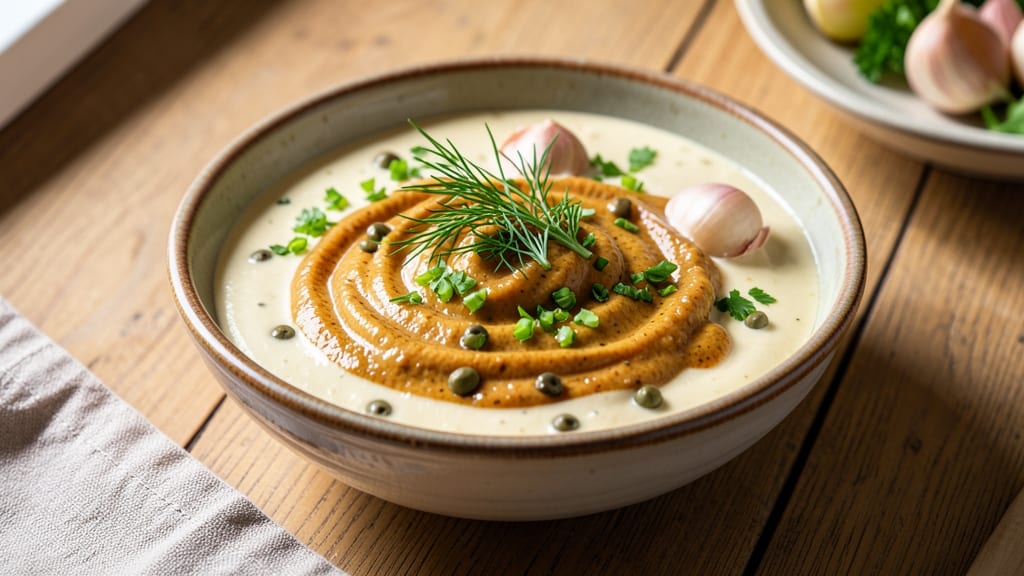
This authentic remoulade sauce recipe delivers the bold, tangy harmony of Louisiana's coastal cuisine—where mustard, capers, and herbs create a sauce that transforms simple dishes into something extraordinary. 💛 The secret lies in balancing sharp Dijon mustard with creamy mayo, bright pickles, and briny capers, all tied together with fresh herbs and garlic for that signature depth.
What sets this sauce apart is its versatility—equally at home on crispy fried shrimp, a classic po’boy, or grilled fish. The traditional method involves whisking ingredients together just before serving to preserve that vibrant, slightly grainy texture that defines remoulade.
No shortcuts here; this is the real deal, built layer by layer for maximum flavor impact.
By the time you finish, you’ll have a sauce that’s tangy yet balanced, with just the right kick from mustard and a touch of sweetness from pickles. It’s the kind of condiment that elevates every bite, turning ordinary meals into something memorable.
The best part? It keeps well in the fridge for up to a week, ready to enhance your next seafood feast.
For an extra dimension, consider adding a pinch of cayenne for heat or swapping mayo for vegan alternatives. The possibilities are endless, but the foundation remains the same—authentic, bold, and impossible to resist.
Ingredients for authentic remoulade sauce
Bold flavors and briny depth—here’s what you’ll need for Louisiana’s iconic remoulade sauce.
| Ingredient | Amount | Notes |
|---|---|---|
| Dijon Mustard 🌶️ | ½ cup | High-quality, sharp Dijon preferred |
| Mayonnaise 🥫 | ½ cup | Classic or vegan alternative |
| Capers 🫒 | ¼ cup | Briny, packed in brine, chopped |
| Fresh Dill 🌿 | ¼ cup | Finely chopped, stems removed |
| Fresh Parsley 🌿 | ¼ cup | Finely chopped, flat-leaf preferred |
| Garlic Cloves 🧄 | 3 cloves | Minced, fresh preferred |
| Pickle Juice 🥒 | ¼ cup | From dill or bread-and-butter pickles |
| Extra-Virgin Olive Oil 🫒 | ¼ cup | For richness and depth |
| Lemon Juice 🍋 | 2 tbsp | Freshly squeezed, for brightness |
| Salt 🧂 | 1 tsp | Kosher or sea salt |
| Black Pepper 🌶️ | ½ tsp | Freshly ground, for warmth |
| Cayenne Pepper 🔥 | ¼ tsp | Optional, for heat |
The mustard is non-negotiable—Dijon delivers that signature sharpness. Maille or Amora are the gold standard, but any high-quality brand works. Capers should be briny and packed in brine, not vinegar. Trader Joe’s or Whole Foods carry the best quality, but check the label for 'non-pasteurized' if you can. Fresh herbs are essential: dill and parsley should be vibrant green with no wilting. If you’re short on time, dried herbs work at half the amount, but the texture won’t be as vibrant. The garlic? Fresh, minced is a must—jarred garlic lacks the depth.
No mayo? Vegan mayo or Greek yogurt keeps it creamy without dairy. Short on capers? Pickle juice plus a pinch of salt mimics the brininess, though texture will differ. Swapping Dijon for whole-grain mustard adds texture but mellows the sharpness. For extra tang, add 1 tsp hot sauce or Worcestershire sauce. The olive oil should be fruity and peppery—California or Italian varieties work best. If your sauce feels too thick, thin it with 1 tsp water or pickle juice. For heat, cayenne is key, but red pepper flakes or hot sauce work in a pinch.
This sauce keeps beautifully in an airtight jar for up to 1 week in the fridge. The flavors actually deepen over time, so make extra for po’boys or shrimp. For longer storage, freeze in ice cube trays—thaw and whisk before using. If the herbs separate, give it a quick stir. The mayo may rise to the top, but a gentle whisk restores the emulsification. Always taste before serving—adjust salt, lemon, or cayenne as needed.
Why You'll Love This Recipe
- No-Fuss Mixing: I swear by this—just stir, taste, adjust. No blenders, no straining, no fuss. The capers and Dijon do all the work while I chop parsley in 30 seconds flat.
- Tangy, Herby Magic: That first bite? The briny capers cut through the mayo’s creaminess, while the dill and parsley add a freshness that makes it impossible to stop dipping. Honestly, it’s the kind of flavor that sneaks up on you.
- Game for Any Plate: Slather it on fried fish for a seafood shack vibe, toss it with grilled chicken for a picnic-worthy sandwich, or even drizzle it over roasted potatoes. I’ve used it for everything from weeknight dinners to potlucks—no one ever asks what’s in it.
- Makes Leftovers Worth It: The sauce actually improves after a day in the fridge. The flavors meld in the best way, and a little extra goes a long way. I keep a jar in my fridge for lazy nights—just grab, dollop, and eat. Budget-friendly? Absolutely.
Step-by-step instructions for authentic remoulade sauce
This classic sauce balances bold mustard, briny capers, and fresh herbs—here's how to perfect it.
👨🍳 Step 1: Combine Base Ingredients
In a medium bowl, whisk together the 0.5 cup Dijon Mustard and 0.5 cup Mayonnaise until fully combined. I like to use a fork for this step—it creates small air pockets that prevent the sauce from becoming too dense. The mustard should be fully incorporated with no streaks remaining.
Next, add the 0.25 cup Capers (drained and chopped) and 3 cloves Garlic Cloves (minced). Stir well to distribute the capers evenly. The briny flavor from the capers and sharpness of the garlic will develop as you mix. Here's the thing—if you use whole capers, chop them finely so they blend seamlessly into the sauce rather than creating texture contrasts.
🍳 Step 2: Add Herbs and Acid Components
Fold in the 0.25 cup Fresh Dill and 0.25 cup Fresh Parsley (both finely chopped). I always use a rubber spatula for this to ensure the herbs are evenly distributed without crushing them. The parsley adds freshness while the dill provides that signature herby brightness.
Now add the 0.25 cup Pickle Juice and 2 tbsp Lemon Juice, mixing gently. This is where the sauce gets its signature tangy balance. The pickle juice brings that subtle sweetness from the original pickles, while the lemon juice adds brightness. Taste as you go—you want a balance between the sharp mustard and the acidity. If it's too sharp, add a tiny bit more mayonnaise to mellow it out.
🥘 Step 3: Finish with Oil and Seasonings
Drizzle in the 0.25 cup Extra-Virgin Olive Oil while whisking continuously. This is where the sauce comes together—watch as it transforms from a thick paste to a smooth, emulsified sauce. If it starts to separate, add another tablespoon of mayonnaise to help stabilize it.
Finally, add the 1 tsp Salt, 0.5 tsp Black Pepper, and 0.25 tsp Cayenne Pepper. Mix thoroughly and taste again. The salt should enhance all the flavors, the pepper adds warmth, and the cayenne gives just a hint of heat. Adjust each seasoning individually—sometimes the mustard needs more salt, or the capers need more pepper to balance the lemon.
⏰ Step 4: Rest and Adjust
Let the sauce sit at room temperature for 15-20 minutes. This resting period allows all the flavors to meld together. I know it's tempting to taste it immediately, but patience here makes a difference—you'll notice how the mustard's sharpness mellows slightly and the herbs release more of their aromatic oils.
After resting, give it one final taste and adjust if needed. If it's too thick, thin with a splash of pickle juice or water. If it's too thin, add a bit more mayonnaise. The perfect remoulade should coat the back of a spoon with a smooth, velvety texture while maintaining its vibrant color. Serve immediately or store in an airtight container in the refrigerator for up to 5 days—it actually gets better as it sits!
Pro Tips For Making Authentic Remoulade Sauce
- Whisk the Mustard First: Don’t just dump everything in at once—mix the Dijon mustard with a splash of warm water (about 1 tablespoon) until smooth before adding mayo. This prevents lumps and gives the sauce a silkier texture right from the start. (I used to ignore this and ended up with a grainy mess every time.)
- Rinse and Pat Capers Dry: Brine-soaked capers add moisture you don’t want in your sauce. Drain them, then rinse under cold water and pat very dry with a paper towel—this keeps the sauce from thinning out. Skipping this step means a watery, sad remoulade.
- Pulse Herbs, Don’t Chop: Use a food processor for the parsley and dill—pulse them into tiny, even bits instead of chopping by hand. This distributes their flavor more evenly and saves your wrists from rebellion. (Yes, I’ve cried over this.)
- Balance Acid Last: Taste before adding lemon juice or vinegar—remoulade can turn sharp fast. Add it drop by drop while stirring, because you can’t take it out once it’s in. I learned this after ruining a batch by overdoing it.
Dietary considerations for these flavors
Vegan Adaptations
Swap the mayo for vegan mayo (like Hellmann’s Vegan or Sir Kensington’s) to keep the sauce creamy without dairy. Use Greek yogurt for a tangier alternative—just ensure it’s unsweetened. The texture will be slightly lighter, but the bold mustard and capers still shine. 🌱
Gluten-Free Options
Most remoulade is naturally gluten-free, but check your Dijon mustard label—some brands contain wheat. Amora and Maille are typically safe, but always verify. For extra security, use gluten-free mustard like Annie’s or French’s. The rest of the ingredients (capers, herbs, mayo) are universally gluten-free.
Low-Fat Versions
Reduce the mayo by ¼ cup and replace it with Greek yogurt or avocado for creaminess. Blend ½ ripe avocado with the mustard and herbs for a luscious, fat-free base.
The sauce will be lighter but still packed with flavor. Taste as you go—you may need extra lemon juice to brighten the texture.
Allergen-Friendly Swaps
For egg-free remoulade, ensure your mayo is egg-free (like Just Mayo or Follow Your Heart). If you’re avoiding shellfish, skip the capers and boost the pickle juice by 2 tbsp for brininess. For dairy-free, stick to vegan mayo and check all labels—some brands add hidden dairy.
Spicy Adjustments
Add ½ tsp smoked paprika for depth or 1 tsp hot sauce (like Crystal or Tabasco) for heat. For a Cajun kick, mix in ½ tsp Cajun seasoning (like Tony Chachere’s) with the cayenne.
If you love fiery flavors, try ½ tsp gochujang for umami heat. Always start small—you can always add more!
Sweet Variations
Balance the tang with 1 tsp honey or maple syrup to mellow the mustard’s sharpness. For a fruitier twist, stir in 1 tbsp finely diced mango or pineapple (great with shrimp dishes).
The sweetness pairs beautifully with the briny capers—just don’t overdo it, or the sauce will lose its signature boldness.
Nutrition facts
Frequently asked questions
Can I make remoulade sauce ahead of time?
Yes! This sauce actually improves when made 1-2 days ahead—the flavors meld beautifully. Store it in an airtight container in the fridge, and give it a quick whisk before serving. If the herbs separate, just stir them back in. For longer storage, freeze in ice cube trays and thaw overnight in the fridge.
What's the best way to adjust the texture if it's too thick?
If your remoulade feels too thick, thin it gradually with 1 tsp pickle juice or water at a time while whisking. Start small—you can always add more. For a smoother texture, blend briefly in a food processor (but this will break down the herbs more). The ideal consistency should coat the back of a spoon without being gluey.
How do I prevent remoulade from separating?
Separation happens when oil and mayo split. To avoid this, whisk continuously when adding the olive oil, and use a high-quality mayo (like Hellmann's or Duke's). If it does separate, whisk in 1 tsp more mayo or a splash of pickle juice to re-emulsify. Always taste as you go—balance is key!
Can I use jarred capers instead of fresh?
Just drain and chop the capers finely—whole capers will create texture you might not want. Rinse them briefly under cold water to remove excess brine, then pat dry. For extra brininess, add 1 tsp more pickle juice to compensate. The flavor stays authentic, just with a slightly different mouthfeel.
What's the best way to serve remoulade sauce?
This versatile sauce shines on fried shrimp, po'boys, grilled fish, or even as a dip for veggies. For extra flair, drizzle it over seafood dishes or use it as a sandwich spread. The tangy, herby notes cut through rich fried foods perfectly. Try it with cornichons or lemon wedges for a classic Louisiana touch!