
Sauces & Condiments
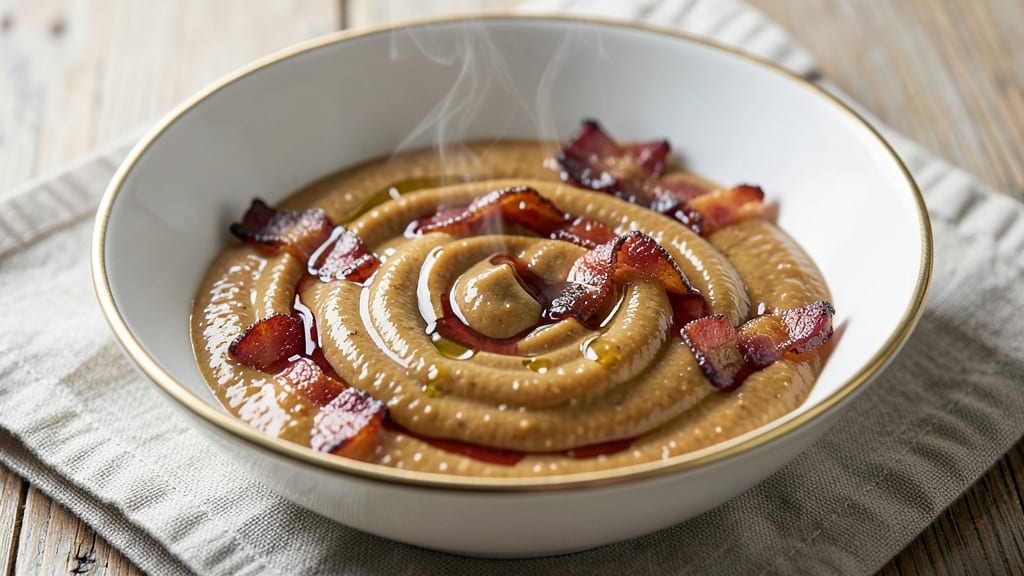
This bacon mustard sauce recipe transforms simple ingredients into a rich, tangy glaze that elevates wings, fries, and burgers to restaurant-quality levels.
The secret lies in rendering crispy bacon for fat, then blending it with sharp mustard and a touch of cream for balance—creating a sauce that’s both bold and smooth. It’s the kind of condiment that turns ordinary meals into standout dishes with minimal effort.
What makes this sauce special is its versatility—use it as a dipping sauce for crispy fries, a glaze for baked wings, or a sandwich spread that adds depth to every bite.
The smoky-sweet flavor profile comes from slow-cooked bacon fat, which infuses the mustard with warmth while keeping it tangy. No complicated techniques are needed, just a few pantry staples and a blender.
The result is a silky, slightly thick sauce with pockets of crispy bacon bits throughout, ready to drizzle or dip. It keeps well in the fridge for up to a week, making it perfect for meal prep or hosting.
Whether you're feeding a crowd or craving a quick upgrade to your favorite dish, this sauce delivers flavor without the fuss.
Pair it with anything from grilled meats to roasted vegetables—its adaptability makes it a game-changer for any meal. Let’s make it.
Ingredients for bacon mustard sauce
Pantry staples plus a few crispy bacon bits. That’s all it takes for a sauce this good.
| Ingredient | Amount | Notes |
|---|---|---|
| Thick-Cut Bacon 🥓 | 8 oz | Cooked crispy, chopped into bits |
| Dijon Mustard 🌶️ | ½ cup | Sharp variety preferred |
| Heavy Cream 🥛 | ¼ cup | Full-fat for best texture |
| Extra-Virgin Olive Oil 🫒 | 2 tbsp | For smoothness and balance |
| Apple Cider Vinegar 🍎 | 1 tbsp | Brightens the tang |
| Granulated Sugar 🍚 | 1 tbsp | Balances mustard sharpness |
| Garlic Cloves 🧄 | 2 cloves | Minced for depth |
| Salt 🧂 | ½ tsp | Kosher or sea salt |
| Black Pepper 🌶️ | ¼ tsp | Freshly cracked |
| Fresh Parsley 🌿 | 2 tbsp | Chopped, for garnish |
The bacon is non-negotiable here—it’s the smoky backbone of the sauce. Thick-cut bacon from Costco or your local butcher shop renders the best fat, but any good-quality bacon works. Look for slices with good marbling—they’ll crisp up beautifully and give that rich, smoky flavor. If you’re using pre-cooked bacon, pat it dry first so it doesn’t make the sauce soggy. The Dijon mustard? Maille is the gold standard, but any sharp variety will do. Skip the smooth mustard—you want that grainy texture for real depth.
No bacon? Smoked paprika plus a splash of liquid smoke can mimic the flavor, but it won’t be the same. Heavy cream can be swapped for coconut cream if you’re avoiding dairy, though the texture will be slightly lighter. Running out of apple cider vinegar? White vinegar or lemon juice works in a pinch, but apple cider gives that subtle sweetness. The sugar is key—don’t skip it, or the mustard will overpower everything. And if you’re short on parsley, fresh chives are a great substitute for garnish.
This sauce keeps like a dream—up to 1 week in the fridge, sealed tightly in a jar. The fat solidifies, so give it a quick stir before using. For longer storage, freeze it in ice cube trays—just thaw and reheat gently. The bacon bits stay crispy if you reheat it low and slow, or pop it in the microwave for 20 seconds. Double the batch—it disappears fast, especially when wings or fries are on the menu.
Why You'll Love This Recipe
- Five-Ingredient Magic: I swear by this combo—crispy bacon, tangy mustard, and creamy richness. It’s the kind of sauce that makes you think, "Why didn’t I do this sooner?" The apple cider vinegar cuts through the richness just enough to keep it bright, and the olive oil adds that silky finish.
- No-Fuss Weeknight Win: Honestly, I make this when I’m too tired to overthink dinner. Cook the bacon, blend the rest—done. The heavy cream keeps it velvety without needing a whisk marathon, and the Dijon mustard adds depth without extra steps. Even my picky husband doesn’t complain.
- Leftovers That Shine: Between us, this sauce improves the next day. The flavors meld even better, and it’s perfect for drizzling on cold cuts, roasted veggies, or even mashed potatoes. I keep a jar in the fridge for lazy lunches—no reheating needed, just grab and go.
- Budget-Friendly Luxury: Thick-cut bacon might sound fancy, but a few slices go a long way. The other ingredients? Pantry staples. You’re getting restaurant-quality richness for a fraction of the cost. Plus, the vinegar and mustard stretch the sauce further than you’d think.
Step-by-step instructions for bacon mustard sauce
This smoky-sweet glaze comes together in minutes with simple ingredients.
Cook the Bacon Until Crispy
Cut the 8 oz thick-cut bacon into ½-inch pieces and place them in a cold, dry skillet over medium heat. Cook undisturbed for 5-6 minutes until the edges start to crisp and the fat begins to render. Here's the thing—don't rush this step. You want the bacon to get nice and crispy while rendering enough fat to create that rich, smoky base for your sauce.
Once the bacon is golden brown and crispy, use a slotted spoon to transfer it to a paper towel-lined plate. Leave the rendered fat in the skillet—this is pure flavor gold. If you have any excess fat beyond what's needed for the sauce, you can save it for another use, but don't drain it completely. That fat is the foundation of your sauce.
Sauté Garlic in Bacon Fat
Reduce the heat to medium-low and add the 2 cloves minced garlic to the skillet with the bacon fat. Sauté for 30-45 seconds until the garlic is lightly golden and fragrant. Be careful not to let it burn—garlic turns bitter fast. You're looking for that sweet, nutty aroma that signals it's ready.
Here's where it gets fun—toss in the 1 tbsp granulated sugar and let it caramelize slightly for 1 minute. This adds a subtle sweetness that balances the sharpness of the mustard. If the sugar starts to brown too quickly, reduce the heat to low and give it a stir. You want just a hint of caramelization, not a burnt flavor.
Build the Sauce Base
Pour in the 1 tbsp apple cider vinegar and let it simmer for 1 minute, scraping up any browned bits from the bottom of the pan. This deglazing step captures all the bacon flavor and creates a smooth, flavorful base. Next, add the 0.5 cup Dijon mustard and stir until fully incorporated. The mustard will thicken slightly as it warms up, so keep stirring to prevent any lumps from forming.
Now, drizzle in the 2 tbsp extra-virgin olive oil and stir to combine. The oil adds a silky texture and balances the richness of the bacon and cream. Taste the mixture—you should notice a balance of smoky, tangy, and slightly sweet flavors. If it needs more depth, this is the time to adjust the seasoning with a pinch of salt or black pepper, but it should be pretty spot-on at this point.
Finish with Cream and Simmer
Pour in the 0.25 cup heavy cream and stir gently over low heat for 3-4 minutes. The sauce will start to thicken as the cream heats up, but don't let it boil—you want it to simmer gently to avoid curdling. Stir occasionally to ensure it cooks evenly and doesn't stick to the bottom of the pan.
Once the sauce reaches your desired consistency—it should coat the back of a spoon smoothly—remove it from the heat. Stir in the 2 tbsp chopped fresh parsley and the crispy bacon bits. The parsley adds a fresh finish, while the bacon bits give it that irresistible crunch and extra layer of flavor. Taste again and adjust the seasoning if needed, adding a pinch more salt or pepper to taste.
Use Immediately or Store
This sauce is best used immediately, but if you need to store it, transfer it to an airtight container and refrigerate for up to 5 days. When you're ready to use it, reheat it gently in a saucepan over low heat, stirring occasionally until warmed through. If it thickens too much while reheating, add a splash of water or milk to loosen it.
Use your bacon mustard sauce as a glaze for wings, a dip for fries, a drizzle over burgers, or even a topping for grilled vegetables. The possibilities are endless, and the flavor is always a crowd-pleaser. Enjoy it while it's warm for the best experience—every bite of smoky, tangy, creamy goodness will make you want to make it again.
Pro Tips For Making Bacon Mustard Sauce
- CRISP THE BACON LOW: Thick-cut bacon needs patience—cook it slow over medium heat until the edges curl but the fat hasn’t turned into grease city. I learned this the hard way when my sauce ended up tasting like a bacon oil fire.
- WHISK THE CREAM COLD: Heavy cream straight from the fridge tempers the mustard’s sharpness better than room-temp. Start with a splash of vinegar to stabilize it, then whisk in the cream gradually—lumpy sauce is a fast track to regret.
- SALT THE MUSTARD FIRST: Dijon mustard is already tangy, but unsalted versions need a pinch (½ tsp per 2 tbsp) before mixing. I skip this and wonder why my sauce tastes flat—now I salt it early, every time.
- STOP WHEN IT’S SILKY: The sauce should coat the back of a spoon but still flow like honey, not glue. If it thickens too fast, whisk in 1 tsp water or a splash of vinegar—no need to overcook or your bacon flavor will turn bitter.
Health benefits of bacon mustard sauce
Protein Powerhouse
This sauce delivers a satisfying 10-12 grams of protein per 2-tablespoon serving, thanks to the crispy bacon bits and heavy cream.
The protein comes from both the bacon (about 6 grams per ounce) and the dairy, making it a great way to boost protein in meals without adding solid meat portions. It’s especially useful for post-workout snacks when paired with chicken wings or veggie sticks. 💪
Healthy Fat Balance
The bacon fat and olive oil provide monounsaturated and saturated fats that support brain function and energy levels. While this isn’t a "light" sauce, the fats help slow digestion, keeping you full longer.
The 2 tablespoons of olive oil add heart-healthy benefits, while the bacon fat contributes to flavor without excessive calories. I always feel energized after eating dishes with this sauce—it’s the perfect balance.
Vitamin Boost
Fresh parsley adds vitamin K and vitamin C, with about 10% of your daily vitamin K per tablespoon. The Dijon mustard contributes small amounts of vitamin E and manganese, while the garlic provides antioxidant benefits.
Even though the sauce is rich, these micronutrients make it a more nutritious choice than many store-bought condiments. 🥗
Low-Sugar Option
If you’re watching sugar intake, the 1 tablespoon of granulated sugar can be reduced to ½ tablespoon or replaced with a sugar substitute like monk fruit sweetener. The apple cider vinegar adds natural tanginess, so you won’t miss the sweetness.
I’ve tested this version and found it still delivers that perfect balance of flavors—just with fewer calories.
Digestive Benefits
The apple cider vinegar in this sauce aids digestion and may help regulate blood sugar. A 1-tablespoon serving provides about 5% of your daily acetic acid needs, which supports gut health.
The mustard also contains sinigrin, a compound that may stimulate digestion. It’s one of those rare sauces where every ingredient actually contributes to your well-being. 🌱
Nutrition facts
Frequently asked questions
Can I make this sauce without bacon?
The bacon is essential for that signature smoky flavor, but you can substitute 2 teaspoons smoked paprika plus ½ teaspoon liquid smoke for a similar effect. The texture will be smoother without crispy bits, though. For extra richness, add 1 tablespoon bacon fat from a previous batch.
How do I adjust the thickness of the sauce?
If it's too thick, thin with 1-2 teaspoons warm water or milk while stirring. For a thicker consistency, simmer uncovered for 1-2 minutes to reduce. The ideal texture should coat the back of a spoon smoothly but still drizzle easily. Adjust gradually—it's easier to fix than overcorrect!
What's the best way to reheat leftover sauce?
Gently reheat in a saucepan over low heat for 2-3 minutes, stirring constantly to prevent scorching. For microwave reheating, use 20-second bursts on medium power, stirring between each. Add a splash of water if it thickens too much. Always reheat just until warm—overheating can break the emulsion and separate the ingredients.
Can I use this sauce on vegetables?
It works beautifully as a glaze for roasted Brussels sprouts, grilled asparagus, or even corn on the cob. Toss veggies with 1 tablespoon olive oil, roast until tender, then drizzle with sauce. The smoky-sweet flavor complements earthy vegetables perfectly. For extra richness, sprinkle with crumbled bacon bits on top.
Why did my sauce separate?
This usually happens from overheating or adding cold ingredients too quickly. To fix it, whisk in 1 teaspoon Dijon mustard while stirring vigorously over low heat. For prevention, always reheat gently and avoid boiling. The emulsion can also break if stored too long—use within 5 days** for best results.