
Sauces & Condiments
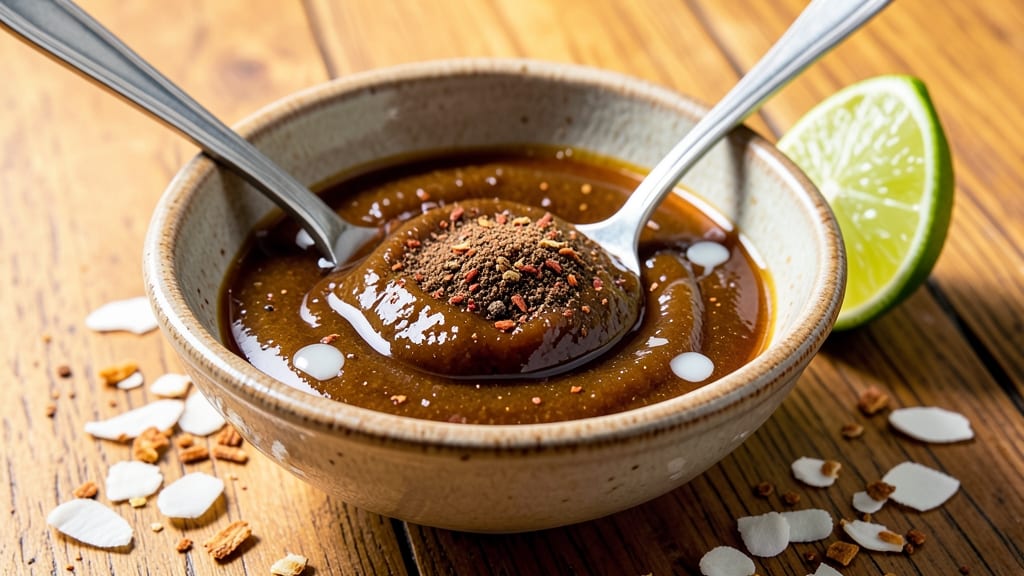
This Bahamian tamarind sauce recipe transforms simple ingredients into a vibrant, tangy-sweet glaze that elevates grilled fish, jerk chicken, and even fried plantains. The balance of tamarind’s tartness, warm spices, and just enough sweetness makes it a staple in Bahamian cuisine—perfect for adding depth to any dish.
What sets this sauce apart is its versatility: use it as a dip, drizzle, or marinade, and you’ll taste the islands in every bite.
The secret lies in simmering tamarind paste with aromatic spices like allspice and cinnamon until the flavors meld into a smooth, pourable consistency. Unlike store-bought versions, this homemade sauce delivers a richer, more complex taste—no artificial aftertaste here.
The process is straightforward, but the patience in reducing the mixture ensures a sauce that’s bold yet balanced, with just the right tang to cut through rich meats or fried sides.
What you’ll end up with is a glossy, aromatic sauce that clings beautifully to grilled fish or jerky, adding a bright contrast to smoky, spiced proteins. The texture is ideal for drizzling over dishes or serving as a dip for crispy plantains.
One batch keeps well in the fridge for up to two weeks, making it a go-to for meal prep or entertaining.
Whether you’re recreating a Bahamian feast or simply craving a flavor-packed sauce, this recipe delivers restaurant-quality results at home. The key is in the slow simmer—don’t rush it. Here’s how to make it perfectly every time.
Ingredients for bahamian tamarind sauce
Simple ingredients that pack a punch—tamarind’s tang meets warm spices for a sauce that’s bold yet balanced.
| Ingredient | Amount | Notes |
|---|---|---|
| Tamarind Paste 🍈 | ½ cup | High-quality, block or paste form |
| Dark Brown Sugar 🍚 | ½ cup | Packed, not granulated |
| Water 💧 | 1 cup | Filtered or bottled preferred |
| White Vinegar 🍶 | ¼ cup | For tangy brightness |
| Ground Allspice 🌶️ | 1 tbsp | Freshly ground preferred |
| Ground Cinnamon 🌿 | ½ tbsp | Sweet, not cassia |
| Ground Nutmeg 🌿 | ¼ tsp | Freshly grated preferred |
| Ground Ginger 🌶️ | ½ tsp | Freshly ground preferred |
| Salt 🧂 | ½ tsp | Diamond Crystal kosher |
| Fresh Lime Juice 🍋 | ¼ cup | Freshly squeezed, strained |
The tamarind paste is the heart of this sauce, so quality matters. Look for blocks at Latin markets or Asian grocery stores—they’re more concentrated and less processed than the paste in tubes. Trader Joe’s often carries a good paste, but if you can find whole tamarind pods, soaking and grinding them yourself gives the deepest flavor. The brown sugar adds sweetness without overpowering, so don’t substitute white—it won’t caramelize the same way. For the spices, Penzeys or bulk bins at natural food stores are your best bet for freshness, but regular grocery store jars work in a pinch. Just make sure your allspice hasn’t lost its aroma—it should smell warm and peppery, not dusty.
No tamarind paste? Lime juice plus a splash of date syrup can mimic the tang, though it won’t be identical. Running short on brown sugar? Maple syrup or agave at half the amount works, but the sauce will be slightly lighter. Fresh lime juice is non-negotiable here—bottled just won’t cut it. The spices can be swapped for convenience: pre-ground cinnamon and nutmeg are fine, but if you’ve got whole spices, toast and grind them for extra depth. For a quicker version, jerk seasoning at 1 tbsp adds a similar warmth, though it’ll skew slightly smokier. The vinegar is key for brightness—apple cider vinegar adds a fruity note, but white keeps it classic.
This sauce thickens as it cools, so store it in a glass jar with a tight seal to keep it glossy. It’ll last 2 weeks in the fridge, but if you’ve got extra, freeze it in ice cube trays for single-use portions. The flavor actually improves after a day or two as the spices meld. For best results, reheat gently on the stove—microwaving can make it grainy. A drizzle over grilled fish or a dip for plantains is where it truly shines, but it’s also fantastic as a marinade for jerk chicken. Make a double batch—you’ll want it on hand.
Why You'll Love This Recipe
- Five-Ingredient Magic: I swear by this recipe—just tamarind paste, brown sugar, vinegar, water, and allspice. That’s it. No fancy prep, no last-minute grocery runs. The sauce practically makes itself while you stir.
- Tangy-Sweet Balance: The tamarind’s sharp bite softens into something rich and caramelized thanks to the brown sugar, then the vinegar cuts right through—like a Bahamian sunset. Add a pinch of allspice, and it’s ridiculously good on grilled fish or roasted veggies.
- Pantry Staple Power: Honestly, I keep this in my fridge year-round. It’s my go-to for quick marinades, drizzled over fried plantains, or even mixed into cocktails. No extra shopping, no stress—just flavor on demand.
- Leftover Goldmine: This sauce thickens beautifully when refrigerated, so I make a big batch and use it for days. A splash here, a spoonful there—it’s my secret weapon for transforming simple meals into something special without extra effort.
Step-by-step instructions for Bahamian tamarind sauce
This vibrant glaze balances sweet, tangy, and spiced notes perfectly—here's how to make it.
Combine Base Ingredients in a Saucepan
In a medium saucepan, combine the 0.5 cup tamarind paste, 0.5 cup dark brown sugar, and 1 cup water. Stir over medium heat until the sugar fully dissolves, which should take about 3-4 minutes. You'll notice the mixture thicken slightly as the tamarind paste activates.
This initial step creates the foundational sweet-tart balance. The tamarind paste provides that signature Bahamian tang, while the brown sugar adds depth. Keep stirring occasionally to prevent sticking—tamarind paste can clump when heated. The sauce should be smooth and slightly syrupy by the end of this stage, with no visible sugar granules remaining.
Add Vinegar and Spices for Complex Flavor
Once the base is smooth, pour in the 0.25 cup white vinegar and add the 1 tablespoon ground allspice, 0.5 tablespoon ground cinnamon, 0.25 teaspoon ground nutmeg, and 0.5 teaspoon ground ginger. Stir well to distribute the spices evenly throughout the mixture.
The vinegar brightens the sauce with acidity, cutting through the sweetness. The warm spices—especially allspice and cinnamon—create that signature Bahamian warmth. Let the mixture simmer gently for 5-7 minutes, stirring occasionally. You'll smell the spices infusing deeply into the sauce. If the mixture starts to thicken too much, add 1-2 tablespoons water to maintain a pourable consistency.
Finish with Lime Juice and Seasoning
Remove the saucepan from heat and stir in the 0.25 cup fresh lime juice and 0.5 teaspoon salt. Taste immediately to assess the balance—you want a harmonious blend of sweet, tangy, and spiced flavors. The lime juice adds a final citrus brightness that elevates the sauce.
Let the sauce rest for 10 minutes at room temperature. This allows the flavors to meld fully. If you find the sauce is too thick after resting, thin it with a splash of warm water until it reaches a glossy, glaze-like consistency. The ideal texture should coat the back of a spoon smoothly without being syrupy.
Strain and Store for Optimal Freshness
For a silky-smooth finish, strain the sauce through a fine-mesh sieve into a clean bowl or jar. This removes any residual tamarind fibers or spice particles, giving you a velvety glaze. The strained sauce is perfect for drizzling over grilled fish, basting jerk chicken, or even glazing roasted vegetables.
Store the sauce in an airtight container in the refrigerator for up to 2 weeks. When ready to use, reheat gently over low heat, stirring occasionally, until warmed through. The sauce will thicken slightly as it cools, so adjust with water if needed. This versatile glaze pairs beautifully with grilled seafood, jerk dishes, or even as a marinade for meats.
Pro Tips For Making Bahamian Tamarind Sauce
- Bloom the Allspice: Toast the ground allspice in a dry pan for 30 seconds until fragrant—it deepens the flavor and cuts through the tamarind’s tartness. I used to skip this, and the spice always tasted dull in the final sauce.
- Simmer Slow and Low: Bring the sauce to a boil first, then drop to a gentle simmer and let it cook uncovered for 15-20 minutes. Rushing this step leaves gritty sugar and unblended tamarind paste—patience makes it silky smooth.
- Strain Like a Pro: Use a fine-mesh sieve or cheesecloth to strain the sauce, pressing with a spoon to extract every last drop. Skipping this leaves fibrous bits that ruin the texture—your future self will notice.
- Balance the Vinegar: Add the white vinegar last and taste as you go—start with 1 tablespoon, then adjust. Too much makes it harsh; too little weakens the tang. I learned this after over-acidifying three batches in a row.
Flavor customization for bahamian tamarind sauce
Spicier Kick
For a bolder heat profile, add 1 teaspoon Scotch bonnet powder or ½ teaspoon cayenne pepper when combining the spices. I’ve found that 1 teaspoon of Penzeys’ Scotch bonnet powder adds just the right amount of fire without overpowering the tamarind’s tang.
If you prefer fresh heat, blend 1-2 finely chopped Scotch bonnet peppers into the sauce after straining—just be cautious, as the heat builds as it cools! 🌶️
Smoky Depth
Infuse the sauce with a smoky character by adding ½ teaspoon smoked paprika or 1 teaspoon liquid smoke (like La Choy) when simmering the spices. For a more authentic Bahamian touch, toast 1 teaspoon coriander seeds in a dry pan until fragrant, then grind them into the sauce.
This adds a subtle earthiness that pairs beautifully with grilled meats and fried sides.
Herbaceous Twist
Brighten the sauce with fresh herbs like cilantro or thyme. Finely chop 2 tablespoons fresh cilantro or 1 tablespoon fresh thyme leaves and stir them in during the final resting period.
For a more robust flavor, blend 1 tablespoon chopped fresh mint into the strained sauce—it adds a refreshing contrast that works especially well with grilled fish or jerk chicken.
Sweet Variations
Adjust the sweetness to your taste by swapping the brown sugar for agave syrup or maple syrup. For a richer flavor, replace half the brown sugar with ½ cup honey—this adds a floral note that complements the tamarind beautifully.
If you prefer a caramelized depth, add 1 tablespoon molasses during the simmering stage for a molasses-like richness that pairs well with spiced meats.
Thicker or Thinner
Need a thicker sauce for glazing? Simmer the mixture uncovered for an extra 5-7 minutes to reduce it further. For a thinner, more pourable consistency, add 1-2 tablespoons water or lime juice while reheating.
The key is achieving a balance—thick enough to cling to food but still smooth enough to drizzle. I often adjust the consistency right before serving to match the dish.
Fruity Fusion
Add a tropical twist by blending in 2 tablespoons mango purée or 1 tablespoon pineapple juice during the final resting period. This works especially well if you’re using the sauce as a glaze for grilled pineapple or mango salsa.
For a berry-infused version, stir in 1 tablespoon raspberry jam while simmering—it adds a subtle tartness that enhances the tamarind’s natural tang.
Nutrition facts
Frequently asked questions
Can I substitute tamarind paste with something else?
If you can't find tamarind paste, mix ½ cup lime juice with 1 tablespoon date syrup or molasses for a similar tangy-sweet profile. For deeper flavor, blend 1 cup soaked tamarind pods (peeled and seeded) until smooth. The texture will differ slightly, but the taste remains authentic.
How do I adjust the spice level in this sauce?
Start with the base recipe, then add ½ teaspoon cayenne or 1 teaspoon Scotch bonnet powder for heat. For mild heat, reduce the allspice to ½ tablespoon. Always taste as you go—spices intensify as the sauce cools. A little goes a long way with warm spices!
What’s the best way to use leftover sauce?
Drizzle over grilled fish, chicken, or pork for instant flavor. Use as a marinade for 2-4 hours before cooking, or serve as a dip for fried plantains. Freeze extras in ice cube trays for single-use portions—thaw and reheat gently to maintain texture.
Why does my sauce look grainy after straining?
Graininess often comes from undissolved sugar or tamarind fibers. Simmer the mixture longer (5-7 extra minutes) to break down fibers, or blend the strained sauce briefly for a silky finish. If using block tamarind, ensure it’s fully dissolved in the initial water step. Patience is key!
Can I make this sauce without vinegar?
Yes, but the sauce will lack brightness. Replace vinegar with ¼ cup extra lime juice or 2 tablespoons lemon juice for acidity. The tang will be subtler, but still effective. For a deeper flavor, add ½ teaspoon citric acid (common in baking) to mimic vinegar’s sharpness.