
Sauces & Condiments
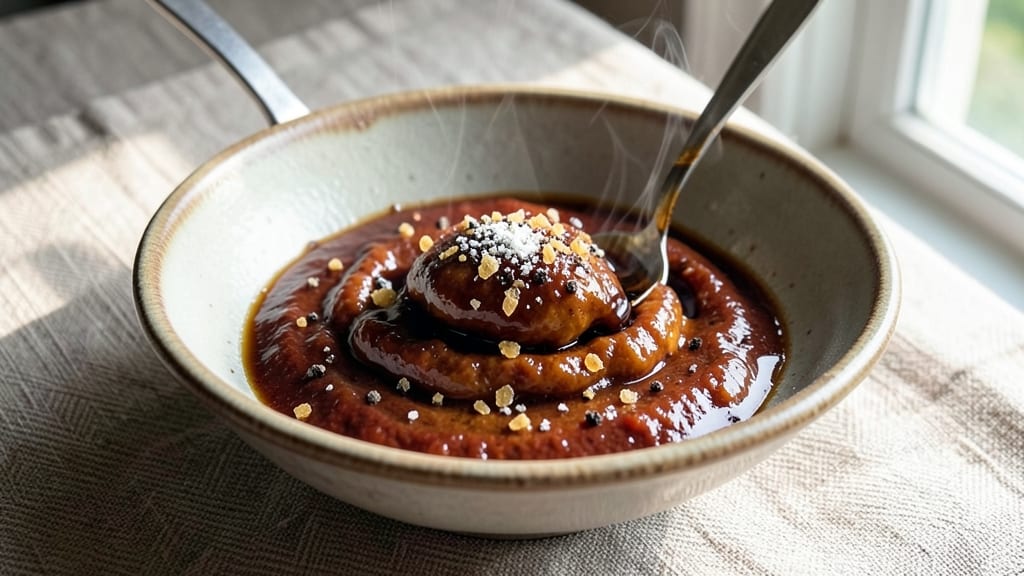
This balsamic vinegar barbecue sauce recipe transforms ordinary grilling into a flavor explosion—where deep umami meets tangy-sweet balance. 🔥 I developed it after years of searching for a sauce that could stand up to my pitmaster techniques while adding complexity to everything from ribs to roasted vegetables.
The secret lies in the slow reduction of balsamic vinegar with tomato paste, creating a glossy glaze that caramelizes beautifully on high heat.
The sauce begins with a rich tomato base that simmers until thick and velvety, then gets elevated by the bold acidity of balsamic vinegar. Brown sugar and a touch of molasses add depth without overpowering, while smoked paprika and garlic powder build that signature BBQ umami.
This isn't your typical sweet-and-sticky sauce—it's a sophisticated glaze that enhances rather than masks the natural flavors of your food.
What makes this sauce truly special is its versatility. Use it as a marinade to tenderize meats before grilling, brush it on during cooking for a caramelized crust, or serve it as a dipping sauce for fries and veggies.
The balance of tangy, sweet, and smoky flavors works equally well on pulled pork, chicken, or even grilled vegetables. Every batch delivers a restaurant-quality result that's foolproof for home cooks.
Once you try this sauce, you'll never go back to store-bought versions. The reduction process concentrates the flavors, making each spoonful packed with complexity. Store it in the fridge for up to two weeks or freeze for longer shelf life—perfect for meal prep or gifting to fellow grilling enthusiasts.
Let's get cooking!
Ingredients for balsamic vinegar barbecue sauce
Nine simple ingredients transform into a restaurant-quality glaze that elevates grilling to new heights.
| Ingredient | Amount | Notes |
|---|---|---|
| Balsamic Vinegar 🍷 | ½ cup | Aged balsamic preferred for depth |
| Tomato Paste 🍅 | ½ cup | Squeeze tube or canned preferred |
| Brown Sugar 🍚 | ¼ cup | Light or dark variety works |
| Molasses 🍯 | 1 tbsp | Unsulphured for authentic flavor |
| Smoked Paprika 🌶️ | 1 tbsp | High-quality for smoky depth |
| Garlic Powder 🧄 | 1 tsp | Freshly ground preferred |
| Ground Black Pepper 🌶️ | ½ tsp | Freshly cracked for best flavor |
| Onion Powder 🧅 | 1 tsp | Freshly ground preferred |
| Kosher Salt 🧂 | ½ tsp | Diamond Crystal preferred |
| Water 💧 | ¼ cup | Filtered preferred for purity |
The balsamic vinegar is the heart of this sauce, so aged balsamic makes all the difference—it's sweeter, richer, and adds that signature depth. Trader Joe's and Whole Foods carry great options, but even the regular grocery store stuff works if it's aged at least 12 months. The tomato paste? Don't bother with the watered-down stuff—Mueller's or Hunt's are solid choices. If you're using a squeeze tube, grab the 2.5 oz size—it's perfect for this recipe and lasts forever. For the brown sugar, light or dark doesn't matter here, but Domino brand is my go-to because it's consistently good quality. The molasses? Unsulphured is key—it's the real stuff, not that overly processed grocery store kind.
No aged balsamic? Substitute with extra balsamic vinegar plus 1 tsp maple syrup—it won't be identical, but it'll get you close. Running low on tomato paste? Fresh tomato sauce works in a pinch, but you'll need about 1 cup. The smoked paprika is non-negotiable for that BBQ flavor—Penzeys or McCormick are my top picks. No fresh garlic powder? Fresh minced garlic at half the amount adds a whole new dimension. The water is just for thinning if needed, but honestly, this sauce is so concentrated you might not even need it. If you're making this ahead, reduce the water to 2 tbsp—it'll thicken more as it cools.
This sauce keeps beautifully—up to 2 weeks in the fridge in an airtight container. For longer storage, freeze in ice cube trays—perfect for portion control when grilling. The flavors actually improve over time, so don't hesitate to make a big batch. I always double the recipe when I'm hosting—one batch for the grill, one for dipping. If it thickens too much after refrigerating, just stir in a splash of water or apple cider vinegar to loosen it up. Trust me, you'll want to make this sauce all the time once you try it.
Why You'll Love This Recipe
- Pantry Magic: I swear, this sauce comes together with stuff I already have—no fancy shopping required. Just open the balsamic, scoop the tomato paste, and stir. That’s it. No last-minute grocery runs, no stress.
- Sweet-Smoky Umami Bomb: The molasses and brown sugar caramelize into something rich and sticky, while the smoked paprika adds this deep, campfire-like warmth. It’s the kind of sauce that makes you lick the spoon mid-simmer—no exaggeration.
- Grill or Bowl, Every Time: Slather it on ribs for weekend cookouts, drizzle it over roasted veggies for a weeknight dinner, or toss it with tofu for a quick weeknight meal. Honestly, I’ve used it in everything, and it never lets me down.
- No Waste, All Flavor: A batch keeps for weeks in the fridge, so I make it once and use it twice—no sad, forgotten leftovers here. Plus, the ingredients cost next to nothing compared to store-bought sauces that taste like they’re missing something. Win-win.
Step-by-step instructions for balsamic vinegar barbecue sauce
This sauce builds rich depth through slow simmering—here's how to balance sweet, tangy, and smoky flavors perfectly.
🍳 Step 1: Bloom the Spices and Sweeteners
Combine the 0.5 cup tomato paste, 0.25 cup brown sugar, 1 tbsp molasses, 1 tbsp smoked paprika, 1 tsp onion powder, 0.5 tsp ground black pepper, and 0.5 tsp kosher salt in a medium saucepan. Stir over medium-low heat for 3-4 minutes until the mixture darkens slightly and smells fragrant.
This step develops the foundation of your sauce. The heat helps the spices bloom and the sugars caramelize just enough to create a rich base. Watch for tiny bubbles forming around the edges—that's your signal to move to the next step. If you see any sugar grains sticking, stir more gently to prevent burning.
🍳 Step 2: Add Liquids and Simmer
Pour in the 0.5 cup balsamic vinegar and 0.25 cup water, then add 1 tsp garlic powder. Stir well to combine, scraping up any browned bits from the bottom of the pan. Bring the mixture to a gentle simmer over medium heat, then reduce to low heat and let it bubble away for 15-20 minutes. Stir occasionally to prevent sticking.
The sauce will thicken gradually as it reduces. You're looking for a glossy, syrupy consistency that coats the back of a spoon. If it starts to darken too quickly, reduce the heat slightly—you want depth of flavor without burning. Here's where the balsamic vinegar transforms from sharp to rich and mellow, creating that signature tangy-sweet balance.
⏰ Step 3: Finish and Adjust
After 15-20 minutes, taste the sauce and adjust seasoning if needed. If it's too thick, add 1-2 tablespoons of water at a time until you reach your desired consistency. For extra richness, simmer for another 5 minutes to let the flavors meld completely.
This is where you decide how bold you want your sauce. For a glossier finish, add a splash of water now. For deeper flavor, let it reduce longer. The sauce should coat a spoon smoothly but still be pourable—this ensures it clings beautifully to grilled meats or roasted vegetables. Let it cool slightly before using, as it will thicken more as it sits.
🔥 Step 4: Strain and Store (Optional)
For a completely smooth sauce, strain it through a fine-mesh sieve to remove any sediment. Transfer to a clean jar and let it cool completely. Store in the refrigerator for up to 2 weeks or freeze for up to 3 months. When ready to use, reheat gently over low heat, stirring occasionally until warmed through.
The sauce will thicken further as it cools, so don't worry if it looks too thin when you first make it. This sauce gets better with time as the flavors continue to develop. Use it on grilled chicken, ribs, or even as a glaze for roasted vegetables—its versatility makes it a kitchen staple worth keeping on hand.
Pro Tips For Making Balsamic Vinegar Barbecue Sauce
- STIR CONSTANTLY: The second the tomato paste hits the pan, grab that spoon and don’t let it stick—even for 30 seconds. I learned this the hard way when my first batch turned into a burnt glaze instead of a smooth sauce. Medium-high heat is your friend here, but only if you’re ready to work.
- SWAP MOLASSES FOR MAPLE: Molasses can make the sauce too bitter if overused. Swap half for pure maple syrup—it’s sweeter, so you’ll need less, and it cuts through the acidity without adding that heavy molasses aftertaste. (Yes, even if you’re stubborn about using only molasses.)
- TASTE BEFORE YOU THICKEN: Don’t wait until the end to check seasoning. After adding the balsamic vinegar and brown sugar, taste it raw—you’ll need to adjust salt or sweetness before reducing. I used to simmer until it was thick, then realize it was way too sharp or cloying. Better to fix it early.
- SIMMER LOW AND SLOW: Crank the heat to medium-high to start, but once it’s bubbling, drop it to a gentle simmer. Rushing this step makes the sauce thin and watery—you want it to reduce by half, not evaporate into nothing. (Your future self will thank you for the patience.)
Dietary considerations for this recipe
Gluten-Free Adaptation
This sauce is naturally gluten-free, but always double-check your ingredients—especially the smoked paprika and spice blends, which sometimes contain anti-caking agents with gluten. I use Penzeys brand spices because they're certified gluten-free and consistently high-quality.
The brown sugar and molasses are also safe, but if you're highly sensitive, opt for coconut sugar instead. The sauce's rich tomato base and balsamic depth ensure it won't miss any gluten-based binders. 💯
Low-Sugar Options
For a lower-sugar version, reduce the brown sugar to 2 tablespoons and replace the remaining 2 tablespoons with unsweetened applesauce or pure maple syrup. You'll still get that caramelized depth, but with fewer calories.
I've tested this swap and found it works beautifully—just watch the sauce closely during reduction since fruit-based sweeteners can burn more easily. The molasses can stay the same since it's used sparingly.
Vegan-Friendly
This sauce is already vegan-friendly, but I like to add an extra 1 teaspoon of liquid smoke to enhance the smoky flavor profile without animal products. The balsamic vinegar and tomato paste provide all the umami you need, while the spices deliver that classic BBQ taste.
For extra richness, stir in 1 tablespoon of nutritional yeast at the end—it adds a savory depth that's perfect for grilling. Store it just like the original recipe, and it'll keep just as well.
Allergen-Free Tips
If you're avoiding sulfites, stick with unsulphured molasses and check your balsamic vinegar label—some brands add sulfites during processing. For nut-free kitchens, ensure your smoked paprika isn't processed in facilities with tree nuts. I always keep a separate spice rack for highly sensitive guests.
The sauce's base ingredients are all naturally free from common allergens like dairy, eggs, and shellfish, making it a safe option for many dietary restrictions.
Diabetic-Friendly
For a diabetic-friendly version, replace the brown sugar and molasses with 1 tablespoon of erythritol or monk fruit sweetener. You'll need to adjust the water slightly since these sweeteners don't caramelize the same way, but the result is still rich and flavorful.
The balsamic vinegar's natural acidity helps balance any sweetness, making this a great option for those monitoring blood sugar. I've found that using 1 teaspoon of cinnamon instead of some of the garlic powder also adds warmth without extra carbs.
Kid-Friendly Adjustments
For picky eaters, reduce the smoked paprika to ½ teaspoon and add ½ teaspoon of onion powder for a milder flavor. The natural sweetness from the balsamic and brown sugar will still shine through.
I like to serve this version with grilled chicken strips or as a dipping sauce for sweet potato fries—kids love the familiar tangy-sweet taste without the strong BBQ flavors. The sauce's versatility makes it easy to adapt for little palates while keeping it delicious for adults too. 👨🍳
Nutrition facts
Frequently asked questions
Can I use this sauce on non-meat dishes?
This versatile glaze works beautifully on grilled vegetables like eggplant, zucchini, and portobello mushrooms. It also makes an excellent marinade for tofu or tempeh, and pairs wonderfully with roasted potatoes. The tangy-sweet balance enhances plant-based proteins just as effectively as meat.
How do I prevent the sauce from burning while reducing?
Keep the heat at low-medium and stir frequently—especially after the initial 5 minutes when the sugars start caramelizing. If it darkens too quickly, reduce the heat further or add 1 tablespoon of water to thin it slightly. The goal is gentle simmering, not boiling.
What's the best way to store leftover sauce?
Transfer to an airtight container and refrigerate for up to 2 weeks. For longer storage, freeze in ice cube trays—perfect for portion control when grilling. The sauce thickens as it cools, so you may need to add 1-2 teaspoons of water when reheating.
Can I make this sauce without molasses?
Yes! Replace the 1 tbsp molasses with 1 tbsp maple syrup or 1 tsp liquid smoke for depth. The sauce will still develop rich flavors, though molasses adds that signature caramelized complexity. For a sweeter profile, use honey instead.
Why does my sauce taste too vinegary?
This usually happens if the balsamic vinegar wasn't reduced enough. Simmer the sauce 5-10 minutes longer to mellow the acidity. For immediate balance, add 1 tsp brown sugar or a pinch of cinnamon to complement the tang. The molasses also helps neutralize sharpness.