
Sauces & Condiments
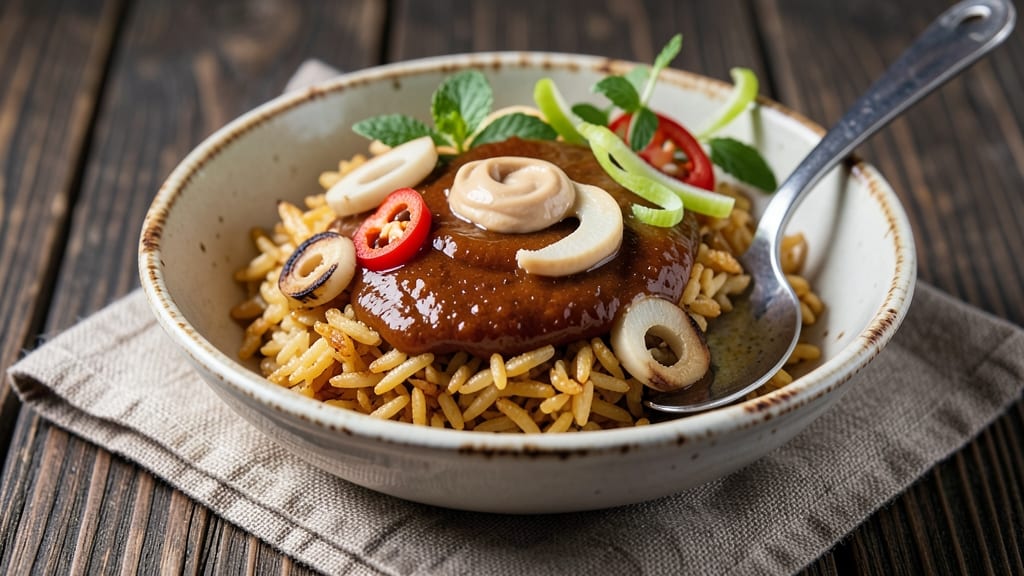
This bamboo sauce recipe transforms simple ingredients into a rich, umami-packed condiment that elevates everything from stir-fries to grilled meats. The secret lies in fermented bamboo shoots—a rare ingredient with a deep, earthy flavor that pairs beautifully with soy, garlic, and a touch of sweetness.
What makes this sauce special is its versatility: use it as a glaze, marinade, or dipping sauce for crispy celery crowns or roasted vegetables.
The preparation is straightforward yet rewarding, blending traditional East Asian techniques with modern simplicity. You’ll simmer bamboo shoots with soy sauce, garlic, and ginger until the flavors meld into a thick, glossy sauce.
The addition of a light peanut cream twist adds a nutty depth that makes this sauce stand out. Unlike store-bought versions, this homemade recipe delivers a balanced flavor profile—savory, slightly sweet, and subtly tangy.
What you’ll end up with is a sauce that’s crispy when drizzled over hot dishes and velvety when used as a dip. It’s the kind of condiment that transforms ordinary meals into something extraordinary, with just a few simple ingredients.
Perfect for weeknight dinners or special occasions, this sauce keeps well in the fridge for up to two weeks, making it a pantry staple worth repeating.
Pair it with grilled meats, noodle dishes, or even as a glaze for crispy fried vegetables. The nutty peanut cream twist adds a layer of complexity that makes this sauce unforgettable. Ready to elevate your cooking? Let’s get started.
Ingredients for bamboo sauce
Nine ingredients blend traditional umami with nutty depth for an extraordinary condiment.
| Ingredient | Amount | Notes |
|---|---|---|
| Fermented Bamboo Shoots 🌿 | 1 cup | Packed, drained well |
| Light Soy Sauce 🥄 | ½ cup | Kikkoman preferred |
| Garlic Cloves 🧄 | 6 cloves | Minced for depth |
| Fresh Ginger 🌿 | 2 tbsp | Finely grated, aromatic |
| Peanut Butter 🥜 | ¼ cup | Creamy, unsweetened |
| Peanut Oil 🫒 | ½ cup | For nutty richness |
| Honey 🍯 | 2 tbsp | Subtle sweetness |
| Sesame Oil 🫒 | 1 tbsp | Toasted, aromatic |
| Rice Vinegar 🍶 | 1 tbsp | Balances flavors |
| Red Chili Flakes 🌶️ | 1 tsp | Adjust for heat |
Fermented bamboo shoots are the heart of this sauce—look for jars in Asian markets or specialty stores like H Mart. If unavailable, miso paste at half the amount mimics the funky depth. The peanut butter should be creamy (no crunchy bits), and Trader Joe's or Costco carry excellent unsweetened varieties. Fresh ginger and garlic are non-negotiable here; frozen works in a pinch but lacks brightness. For the peanut oil, La Choy is a reliable brand that delivers consistent flavor without overpowering.
No bamboo shoots? Mushroom stems or miso paste bridge the gap, though texture will differ. Light soy sauce can be swapped for tamari, but Kikkoman remains the gold standard for this application. The peanut cream twist relies on peanut butter's fat content—if you're avoiding nuts, cashew cream at equal volume works beautifully. Sesame oil should be toasted (not refined), and Lee Kum Kee offers a premium option. Red chili flakes can be omitted entirely for a mild sauce, or gochugaru for a smoother heat. The honey adds just enough sweetness to balance the umami; avoid agave if you prefer traditional flavor profiles.
This sauce thickens as it cools, so store it in a sealed jar with a thin layer of peanut oil on top to preserve freshness. Keeps for 2 weeks refrigerated—the flavors deepen over time, making it even more complex. For long-term storage, freeze in ice cube trays for single-use portions. The crispy texture when drizzled over hot dishes comes from the peanut oil's high smoke point; always reheat gently to maintain glossiness. Use within 3 months frozen for peak quality.
Why You'll Love This Recipe
- Here’s what sold me: this sauce actually improves after sitting overnight. The flavors meld, the peanut butter smooths out, and it’s still vibrant. I make a double batch on Sundays, store it in the fridge, and use it all week—no sad, watered-down leftovers here.
- No-Fuss Pantry Staples: Honestly, I keep all the ingredients on hand—fermented bamboo shoots in the fridge, peanut butter in the cupboard, and that jar of soy sauce just waiting. No last-minute grocery runs, no hunting for obscure spices. The only prep? Mince garlic and ginger (five minutes, tops).
- Umami Bomb Combo: That fermented bamboo? It’s funky and deep, like a cross between soy sauce and a tangy pickle. Add the peanut butter, and suddenly you’ve got this rich, nutty-savory punch that sticks to everything—stir-fries, noodles, even grilled chicken. My mouth waters just thinking about it.
- Weeknight to Potluck Hero: Between us, this sauce is my secret weapon for lazy nights and impressing guests. Drizzle it over rice and veggies for a quick dinner, or bring it in a jar for a potluck—people will ask for the recipe, and I’ll just smile and say, “It’s easy.”
Step-by-step instructions for bamboo sauce with crispy celery crowns
This method transforms fermented bamboo shoots into a rich, umami-forward sauce with a perfect balance of nutty depth and subtle heat.
Prepare the Fermented Bamboo Shoots
Drain and rinse the 1 cup Fermented Bamboo Shoots thoroughly under cold water to remove any excess brine or sediment. This step is crucial—fermented bamboo shoots can be quite salty, and you want to preserve the delicate balance of flavors in your sauce. Cut them into ¼-inch thick slices using a sharp chef's knife, ensuring even pieces for consistent cooking.
Transfer the sliced bamboo shoots to a small saucepan and cover them with ½ cup Light Soy Sauce. Bring to a simmer over medium heat and cook for 10-12 minutes until the liquid reduces by half and the bamboo shoots soften slightly. You'll notice the aroma becoming more pronounced—this is your cue that the fermentation flavors are melding with the soy's umami. Remove from heat and let cool completely before proceeding.
Build the Nutty Peanut Base
In a clean skillet, heat ½ cup Peanut Oil over medium-low heat. Add the 6 cloves minced Garlic Cloves and 2 tbsp finely grated Fresh Ginger, cooking for 2-3 minutes until fragrant but not browned. The garlic should release its sweet, pungent aroma without burning—this is the foundation of your sauce's depth.
Reduce heat to low and stir in the 0.25 cup Peanut Butter, allowing it to melt completely into the oil. Once fully incorporated, add the 2 tbsp Honey and 1 tbsp Rice Vinegar, whisking continuously for 1 minute until smooth. The mixture should thicken slightly, creating a velvety peanut cream. Remove from heat and set aside—this base will carry the sauce's signature nutty richness.
Combine and Simmer the Sauce
Return the cooled bamboo shoot mixture to the skillet with the peanut base. Add 1 tbsp Sesame Oil and 1 tsp Red Chili Flakes, stirring to combine. Increase heat to medium and bring to a gentle simmer, allowing the sauce to reduce for 8-10 minutes until it thickens to a glossy consistency. You're aiming for a sauce that coats the back of a spoon—this ensures it clings beautifully to crispy celery crowns or noodles.
Taste and adjust seasoning: if the sauce needs more brightness, add a splash of additional Rice Vinegar; if it requires depth, a drizzle of Light Soy Sauce will enhance the umami. The final sauce should balance sweet, nutty, tangy, and slightly spicy notes harmoniously. Remove from heat and let cool to room temperature before serving.
Crisp the Celery Crowns (Optional)
While the sauce cools, prepare celery crowns for serving: cut 4 large celery stalks into 1-inch thick rounds. Toss them in 1 tbsp Peanut Oil and ½ tsp Red Chili Flakes, then pan-fry in a hot skillet over medium-high heat for 3-4 minutes per side until deep golden brown and crispy. The edges should develop a caramelized crust while the centers remain tender—a perfect textural contrast to the silky sauce.
Serve the sauce immediately over the crispy celery crowns or drizzle generously over noodles, rice, or grilled proteins. The sauce's complexity shines when paired with the crunch of celery, creating a satisfying interplay of textures and flavors. Store any leftovers in an airtight container in the refrigerator for up to 5 days, though it's best enjoyed fresh.
Pro Tips For Making Bamboo Sauce
- SOAK BAMBOO SHOOTS FIRST: Fermented bamboo shoots are packed with salt, so give them a quick 10-minute soak in warm water before using—just enough to soften them without dissolving all the flavor. I learned this the hard way when my sauce turned bitter; a rinse and soak saves the day.
- LOW AND SLOW WITH PEANUTS: Peanut butter burns faster than you’d think. Simmer the sauce on low heat after adding peanut butter—just until it melts and blends smoothly. After burning three batches, I finally figured out that patience here means a creamy, not scorched, sauce.
- GRATE GINGER FINE: Skip the mincer and grate ginger with a microplane for maximum flavor without the texture. The fine shreds dissolve into the sauce instead of sitting as chunks, making every bite more aromatic. My grandmother swore by this, and she was right.
- BALANCE SALT AND SOY: Fermented bamboo shoots and soy sauce are both salty—taste as you go. Start with half the soy sauce called for and adjust; you can always add more, but you can’t unsalt a sauce. I was skeptical until I tried it, and now I never guess.
Common mistakes when making great bamboo sauce
Overcooking Bamboo Shoots
Fermented bamboo shoots are delicate—cooking them too long turns them mushy and destroys their signature funky depth. Simmer for only 10-12 minutes over medium heat until softened but still holding shape.
I once ruined a batch by boiling them for 20 minutes, and the sauce lost all its complexity. 🌿
Skipping the Cooling Step
Never rush the cooling process between steps. The bamboo shoot mixture must cool completely before combining with the peanut base, or you'll end up with a broken emulsion—think curdled peanut cream instead of smooth sauce.
I learned this the hard way when my first batch separated into oily layers. Patience here ensures a silky texture. ⏰
Using Low-Quality Soy Sauce
Light soy sauce is the flavor backbone, so don't substitute with dark soy or salt-free versions. I recommend Kikkoman for its balanced umami. Once, I used a generic store brand, and the sauce tasted flat. The difference is night and day—good soy sauce makes the bamboo shoots' funk shine. 🥄
Ignoring the Peanut Oil
The ½ cup peanut oil isn't just for cooking—it creates that signature crispy sheen when drizzled over hot dishes. Using regular vegetable oil will leave your sauce dull and less flavorful. I always keep a bottle of La Choy peanut oil on hand specifically for this recipe. 🫒
Over-Simming the Final Sauce
Reducing the sauce too aggressively concentrates the flavors unevenly, making it bitter. Aim for 8-10 minutes of gentle simmering until it coats the back of a spoon. I once let mine reduce for 15 minutes and had to start over—now I set a timer to avoid this mistake. 🕒
Underestimating the Chili Flakes
That 1 tsp red chili flakes might seem small, but it builds heat gradually. Taste before adding more—once, I doubled it thinking it needed more kick, and the sauce became overwhelming. Start with the full amount and adjust only if needed. 🌶️
Nutrition facts
Frequently asked questions
What makes fermented bamboo shoots special in this sauce?
Fermented bamboo shoots bring a unique funky, earthy depth that's hard to replicate. Their tangy-sour notes balance the sauce's sweetness and nutty richness, creating a complex flavor profile that's both savory and slightly umami. This makes the sauce stand out from typical soy-based condiments.
Can I make this sauce without peanut butter?
Yes! For a nut-free version, replace the peanut butter with ¼ cup tahini or cashew cream made by blending soaked cashews with water. The texture will be slightly thinner but still delicious. The peanut oil can be swapped for sesame oil to maintain the nutty aroma.
How long does this sauce keep, and can I freeze it?
The sauce stays fresh in the fridge for up to 2 weeks in an airtight container with a thin layer of peanut oil on top. For longer storage, freeze in ice cube trays for single-use portions. Thaw overnight in the fridge—never microwave directly. The flavors actually improve over time!
What dishes pair best with bamboo sauce?
This versatile sauce works beautifully as a glaze for grilled meats, a dipping sauce for crispy vegetables, or a marinade for tofu or chicken. Try it over ramen noodles, drizzled on fried rice, or even as a sandwich spread. The peanut cream twist makes it especially great with Asian-inspired dishes.
Why does my sauce look separated?
Sauce separation usually happens when ingredients aren't fully cooled between steps or when using low-quality oils. Always let the bamboo mixture cool completely before combining with the peanut base. If it separates, whisk in 1 tsp cornstarch mixed with water and heat gently until smooth.