
Sauces & Condiments
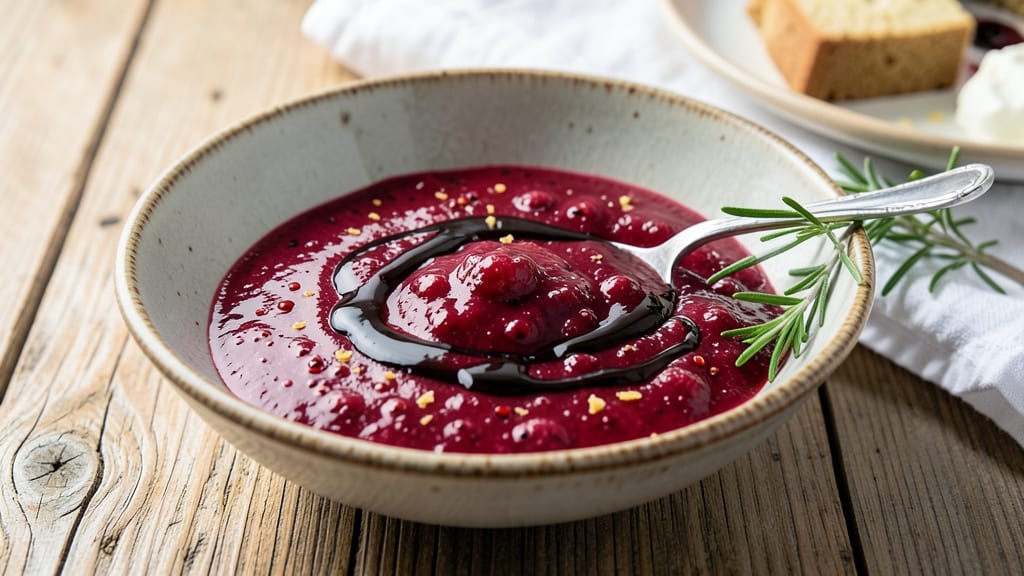
This Barefoot Contessa raspberry sauce transforms fresh berries into a vibrant, tangy glaze that elevates desserts and savory dishes alike.
The secret lies in simmering raspberries with sugar and lemon juice until thickened into a glossy, fragrant sauce—rich enough to drizzle over pancakes yet bright enough to cut through rich cheese platters.
I developed this recipe after realizing how versatile a well-balanced raspberry sauce could be, moving beyond just fruit compote territory.
The process is straightforward: combine raspberries, sugar, and lemon juice, then simmer until reduced by half, creating a concentrated burst of flavor. A splash of balsamic vinegar deepens the complexity, while a touch of cornstarch ensures the perfect consistency—neither too thin nor cloyingly thick.
This sauce delivers restaurant-quality results with just 15 minutes of active time, plus cooling.
What makes this sauce truly special is its dual purpose—it works as a dessert glaze for cakes and cheesecakes, a tangy dip for pound cake or shortbread, or even a surprising glaze for grilled chicken or pork.
The acidity balances sweetness perfectly, making it far more versatile than store-bought versions. Once you taste the difference, you'll never reach for that jar again.
Store it in the refrigerator for up to 2 weeks, or freeze for 3 months—the flavors only deepen with time. Whether you're prepping for a brunch spread or adding a sophisticated touch to a holiday dessert, this raspberry sauce delivers bright, professional-quality results with minimal effort.
Let's get started!
Ingredients for barefoot contessa raspberry sauce
Eight simple ingredients transform into a restaurant-quality raspberry glaze for desserts and dips.
| Ingredient | Amount | Notes |
|---|---|---|
| Fresh Raspberries 🍇 | 2 cups | Frozen works in a pinch |
| Granulated Sugar 🍚 | ¾ cup | Light brown sugar for depth |
| Fresh Lemon Juice 🍋 | ¼ cup | From 2-3 lemons |
| Balsamic Vinegar 🍷 | 1 tbsp | Aged variety preferred |
| Cornstarch 🌾 | ½ tsp | For perfect thickening |
| Extra-Virgin Olive Oil 🫒 | 1 tsp | For glossy finish |
| Pinch of Salt 🧂 | ⅛ tsp | Enhances all flavors |
| Water 💧 | 1 tbsp | For cornstarch slurry |
The raspberries are the star, so pick the freshest you can find—look for deep red, plump berries at Whole Foods or your local farmers market. If using frozen, don't thaw them first—just toss them in the pot straight from the freezer. The sugar is key here: light brown sugar adds subtle caramel notes that make this sauce stand out from basic raspberry compotes. I always grab the Domino brand from the grocery store—it's consistent and affordable. For the lemon juice, fresh is non-negotiable; bottled just won't cut it. If you're making this for a crowd, grab a juicer—it saves time and gives you more juice per lemon.
No fresh raspberries? Frozen works perfectly—just use the same amount. Running low on balsamic vinegar? Red wine vinegar at half the amount gives a similar tang. The cornstarch slurry is non-negotiable for that silky texture—don't skip it. If you're avoiding gluten, arrowroot powder works 1:1. For a more intense flavor, add 1 tsp raspberry extract (trust me, it's worth it). The olive oil at the end isn't just for shine—it adds a subtle richness that balances the acidity. And if you're feeling fancy, finish with a sprinkle of flaky sea salt—it takes this sauce to the next level.
This sauce keeps beautifully—2 weeks in the fridge in a sealed jar, or 3 months frozen. I like to portion it into small containers so I can grab just what I need. It thickens as it cools, so if it seems too stiff when warm, just reheat it gently with a splash of water. The flavors actually improve over time, so make a double batch if you can. For serving, I love drizzling it over warm pancakes or using it as a glaze for seared pork chops. The possibilities are endless once you've got this bright, tangy base.
Why You'll Love This Recipe
- No-Fuss Simplicity: I swear by this recipe because it’s literally dump-and-stir. You mash the berries, toss in sugar and vinegar, then let that cornstarch slurry do the heavy lifting—no blender, no straining, no stress. My kids even "help" by mashing the raspberries (most of them end up on the counter, but whatever).
- Tangy-Sweet Magic: That lemon juice and balsamic combo? It’s the secret weapon. The acid brightens the raspberries so they sing, while the vinegar adds this deep, almost wine-like richness. Honestly, I’ve tried store-bought sauces, and this one makes them taste like a sad imitation.
- Pantry-to-Table Versatility: This sauce works on everything—drizzled over vanilla ice cream, spooned into yogurt, or slathered on grilled chicken. I’ve even used it as a glaze for pork tenderloin (trust me, it’s amazing). The best part? It’s ready when you are, no last-minute shopping needed.
- Make-Ahead Goldmine: Between us, I make a double batch every summer and stash it in the fridge. It thickens perfectly after a few hours, so you can toss it into overnight oats, use it as a topping for pancakes, or even freeze it for months. Zero waste, all flavor—plus, it’s cheaper than buying fancy jam.
Step-by-step instructions for Barefoot Contessa raspberry sauce
Here's how to create a velvety, tangy raspberry glaze that elevates desserts and dips with its perfect balance of sweet and tart.
Prepare the Raspberry Purée
Place the 2 cups fresh raspberries in a medium saucepan and cook over medium-high heat for 5-7 minutes, stirring occasionally, until they break down into a thick purée. You'll know it's ready when the berries release their juices and the mixture becomes smooth and glossy—almost like a jam.
Real talk: if you're using frozen raspberries, there's no need to thaw them first. They'll melt right into the sauce as they heat up. Once the purée forms, reduce the heat to medium-low and let it simmer for another 3-4 minutes to ensure all the flavors meld together. This step builds the foundation of your sauce, so don't rush it—patience here makes all the difference.
Add Sugar and Lemon for Balance
Remove the saucepan from heat and stir in the 0.75 cup granulated sugar and 0.25 cup fresh lemon juice. The sugar will dissolve quickly, but give it a moment to fully incorporate. Then return the pan to medium heat and let the mixture simmer for 5 minutes, stirring occasionally. You're looking for a smooth, syrupy consistency that coats the back of a spoon.
Here's the thing—this is where the magic happens. The lemon juice brightens the raspberry flavor and prevents the sauce from tasting overly sweet. If you taste it now, you'll notice the perfect harmony of tart and sweet. Keep an eye on it as it simmers; you don't want it to boil vigorously, or the sauce could turn grainy.
Thicken with Cornstarch Slurry
In a small bowl, whisk together the 0.5 tsp cornstarch and 1 tbsp water until smooth. This creates a slurry that will thicken your sauce beautifully. Slowly pour the slurry into the simmering raspberry mixture while stirring constantly. Return the pan to medium heat and let it cook for 3-5 minutes, stirring frequently, until the sauce thickens to a glossy, coatable consistency.
You'll know it's done when the sauce pulls away from the sides of the pan and leaves a slight sheen. If it's still too thin, add another 0.25 tsp cornstarch mixed with 1 tsp water and simmer for another minute. The sauce should coat the back of a spoon but still be pourable—like a thick glaze. This is the moment that matters: getting the texture just right ensures your sauce will cling to desserts and dips perfectly.
Finish with Olive Oil and Salt
Remove the sauce from heat and stir in the 1 tsp extra-virgin olive oil and 0.125 tsp pinch of salt. The olive oil adds a luxurious finish and helps the sauce glaze beautifully, while the salt enhances all the flavors. Let the sauce cool slightly—it will thicken even more as it sits. Taste and adjust the sweetness or acidity if needed; you can add a splash more lemon juice or a pinch of sugar to fine-tune it.
This is the final touch that transforms a good sauce into a great one. The olive oil gives it a silky mouthfeel, and the salt ties everything together. Let it cool completely before serving, as it will continue to thicken. Once chilled, it should hold its shape when drizzled but still be easy to spread or dip with.
Incorporate Balsamic Vinegar for Depth
Just before serving, stir in the 1 tbsp balsamic vinegar. This step adds a sophisticated depth of flavor that elevates the sauce from simple to extraordinary. The balsamic vinegar should be aged—it has a richer, smoother taste that complements the raspberry beautifully. Stir well to distribute it evenly, and let the sauce sit for 5 minutes to allow the flavors to meld.
Your raspberry sauce is now ready to use. It's perfect for drizzling over pound cake, swirling into yogurt, or serving as a dip for fresh fruit or shortbread cookies. The balsamic vinegar adds a subtle tang that cuts through the sweetness, making every bite more complex and satisfying. Store any leftovers in an airtight container in the refrigerator for up to 1 week—it'll only get better as it sits!
Pro Tips For Making Barefoot Contessa Raspberry Sauce
- Mash Raspberries First: I learned this the hard way—dumping whole raspberries into the pot and expecting them to break down evenly is a recipe for uneven texture. Use a potato masher or fork to crush them before heating, so the sauce thickens smoothly without clumps.
- Use Cold Water for Slurry: Skip the urge to mix cornstarch with warm liquid—it’ll clump like a science experiment gone wrong. Stir the cornstarch into cold water first (about 2 tablespoons water per 1 teaspoon cornstarch), then whisk it into the simmering sauce. Smooth every time.
- Simmer, Don’t Boil: This sauce needs patience. Once the cornstarch slurry hits the pot, reduce heat to gentle simmering—no rolling boils. Boiling turns raspberries mushy and dulls the bright acidity from the lemon. Keep it at a low, steady bubble.
- Add Balsamic Last: The Barefoot Contessa recipe calls for balsamic at the end, and there’s a reason: adding it early makes the sauce taste vinegary instead of rich. Stir in the vinegar after the sauce has thickened and cooled slightly. It mellows out the sharpness beautifully.
Essential equipment for perfect results
Medium Saucepan
A 3-quart stainless steel saucepan is ideal for this recipe—it gives you enough room to stir without spills while allowing the sauce to reduce properly. I use my All-Clad stainless steel saucepan because it heats evenly and prevents scorching.
If you don’t have one, a heavy-bottomed enameled cast iron (like Le Creuset) works beautifully too. Avoid thin, reactive metals like aluminum for this sauce—they can alter flavors. 🌡️
Fine-Mesh Strainer
If you prefer a smoother sauce, a fine-mesh strainer (like the OXO Good Grips) removes raspberry seeds while keeping the purée intact. Simply press the cooked raspberries through the strainer after breaking them down—this step isn’t mandatory, but it gives a silky texture perfect for drizzling.
For a rustic look, skip straining and embrace the seeds for added texture. 🍇
Whisk or Rubber Spatula
A heat-resistant silicone spatula (I love the OXO Good Grips) is your best friend for stirring the sauce without scratching the pan. It also helps scrape up any stuck-on bits for a clean finish.
For the cornstarch slurry, a small whisk ensures no lumps form—this is critical for a smooth, glossy sauce. Avoid metal utensils when the pan is hot to prevent scorching. 🍳
Small Mixing Bowl
Use a small glass or ceramic bowl (about 8-ounce capacity) to mix the cornstarch slurry. Glass is ideal because it won’t absorb flavors, and it’s easy to clean. I keep a Pyrex mixing bowl on hand for this exact purpose—it’s heat-safe and sturdy.
Stir the cornstarch and water vigorously to avoid clumps, which can create grainy spots in your sauce. 🥄
Measuring Spoons & Scale
Precision matters here! A set of stainless steel measuring spoons (like West Bend) ensures accurate measurements for the cornstarch, salt, and olive oil. For the sugar, a digital kitchen scale (I use the OXO Good Grips) is more reliable than volume measurements—it guarantees consistent sweetness every time.
Weighing the sugar also prevents over-sweetening, which can happen when scooping from a jar. ⚖️
Air-Tight Storage Container
Once your sauce is ready, transfer it to a small glass jar (like Ball mason jars) or airtight plastic container for storage. Glass is best for long-term fridge storage, as it preserves flavors and prevents absorption.
Label with the date—this sauce keeps for 2 weeks refrigerated or 3 months frozen. For freezing, leave ½-inch headspace to prevent expansion cracks. ✨
Nutrition facts
Frequently asked questions
Can I substitute frozen raspberries for fresh?
Frozen raspberries work perfectly—just use the same 2 cups without thawing first. They'll melt right into the sauce as they heat up, creating the same rich flavor. For best results, look for unsweetened frozen raspberries without added sugars or preservatives.
How do I adjust the sweetness if my raspberries are extra tart?
Start with the full 0.75 cup sugar, then taste after simmering. If it's too tart, add 1-2 tablespoons more sugar and simmer another 2 minutes. For a more natural balance, you could also reduce the lemon juice slightly (try 0.2 tbsp less)—the balsamic vinegar will help round out the flavors.
What are the best ways to use this raspberry sauce?
This versatile sauce shines as a drizzle for pancakes or waffles, a glaze for grilled chicken or pork, or a dip for pound cake and shortbread. It also pairs beautifully with goat cheese on a charcuterie board or swirled into vanilla yogurt. The balsamic depth makes it surprisingly sophisticated for savory dishes too!
Why did my sauce turn grainy?
Graininess usually happens from either boiling too vigorously (which can cook the starch) or adding cornstarch too quickly without stirring constantly. For next time, whisk the cornstarch slurry vigorously and add it slowly while stirring continuously. If it happens, strain the sauce through a fine-mesh sieve to smooth it out.
Can I make this sauce ahead of time?
Yes! This sauce actually tastes better after resting. Store it in an airtight container in the fridge for up to 2 weeks—the flavors deepen and the texture becomes even more velvety. For longer storage, freeze it for 3 months. Just thaw it gently in the fridge before using, and stir in a splash of water if it thickens too much.