
Sauces & Condiments
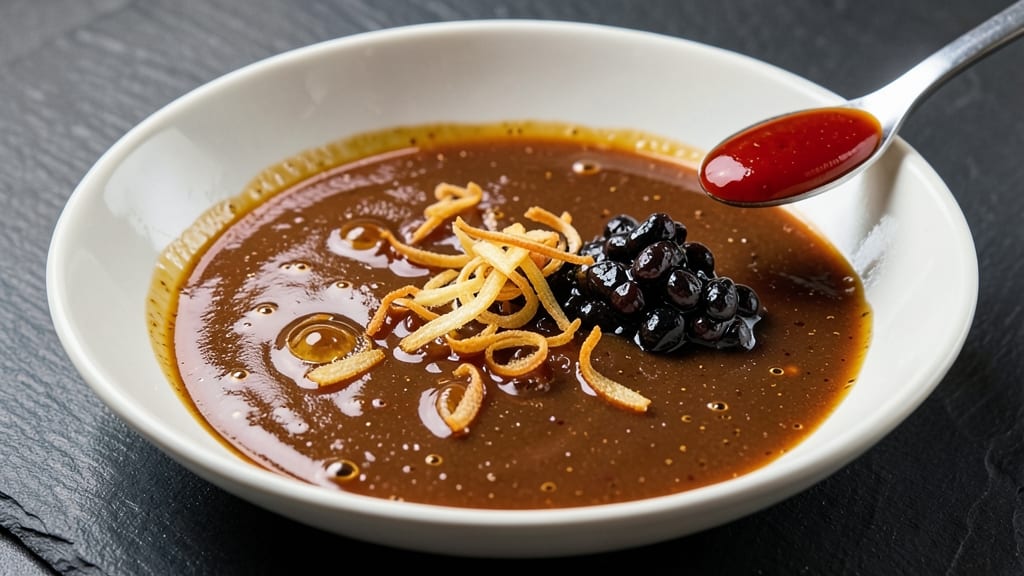
This basic Chinese brown sauce recipe transforms ordinary stir-fries into restaurant-quality masterpieces with just a few pantry staples. 🔥 The secret lies in simmering soy sauce, hoisin, and fermented bean paste until thick and glossy, creating that signature umami depth that elevates every dish.
I developed this version after years of testing—it's the one I reach for when I need quick, reliable flavor without complicated ingredients.
What makes this sauce special is its versatility—use it as a stir-fry glaze, noodle dressing, or dipping sauce for dumplings. The slow reduction process concentrates the flavors, giving you a rich, caramelized sauce that clings beautifully to ingredients.
Unlike store-bought versions, this homemade recipe delivers authentic taste with no artificial additives.
The process is straightforward: combine your ingredients in a saucepan, bring to a simmer, then reduce until thickened. This takes just 15 minutes of active time, with most of that being hands-off simmering.
The result is a glossy, umami-packed sauce that adds depth to any dish while keeping the preparation simple.
Once made, this sauce keeps for up to 3 months in the refrigerator, making it perfect for meal prep. Double the batch—you'll want to use it everywhere. Let's get started on creating your flavor foundation!"
Ingredients for basic chinese brown sauce
Just 10 ingredients transform any stir-fry into a restaurant-worthy dish—no fancy tools needed.
| Ingredient | Amount | Notes |
|---|---|---|
| Light Soy Sauce 🧂 | ½ cup | Kikkoman preferred for balance |
| Dark Soy Sauce 🧂 | ¼ cup | For deeper color and richness |
| Hoisin Sauce 🍶 | ¼ cup | Thick, sweet-savory base |
| Fermented Black Bean Paste 🥫 | 2 tbsp | Or substitute with 1 tbsp black bean sauce |
| Brown Sugar 🍚 | 2 tbsp | Packed, for caramelization |
| Cornstarch 🌾 | 1 tbsp | For thickening, not instant |
| Garlic Cloves 🧄 | 3 cloves | Minced for aromatic depth |
| Fresh Ginger 🌿 | 1 tbsp | Grated, aromatic kick |
| Sesame Oil 🫒 | 1 tbsp | Toasted, for nutty finish |
| Water 💧 | ½ cup | For thinning as needed |
The soy sauces are the backbone here—Kikkoman light for clean saltiness and Lee Kum Kee dark for that signature mahogany hue. Grab the fermented black bean paste from the Asian aisle (not the shelf-stable jarred version)—it’s worth the extra effort for that deep umami punch. Brown sugar isn’t just for sweetness; it caramelizes during simmering, adding that glossy sheen. If you’re short on time, Trader Joe’s has pre-minced garlic and ginger in little jars—game-changer for busy weeknights.
No hoisin? Substitute with 1 tbsp soy sauce + 1 tsp molasses, though you’ll lose some complexity. Running out of black bean paste? Mashed fermented soybeans (douchi) work in a pinch, but taste it first—some brands are saltier. The cornstarch is non-negotiable for that silky texture; instant cornstarch won’t cut it here. Sesame oil should be toasted—look for the dark, nutty kind at Whole Foods or Asian markets. And if your sauce gets too thick? Just add a splash of water and simmer again.
This sauce is a pantry MVP—keeps for 3 months in the fridge once made, and freezes beautifully for up to 6 months. I always double the batch; it disappears fast. Store it in a glass jar with a tight seal to preserve that glossy sheen. Pro tip: Add a pinch of white pepper when reheating to wake up the flavors. Trust me, you’ll reach for this sauce more than you think.
Why You'll Love This Recipe
- I use this on everything: noodles, dumplings, even grilled chicken. (Yes, even on a Tuesday night.) The leftovers? They last for days, so I make a big batch and freeze it—no more scrambling for takeout.
- Pantry Magic: I swear, this sauce comes together with ingredients I already had—no last-minute grocery runs. Just a quick simmer of soy sauces, hoisin, and that deep umami from fermented black beans, and boom, flavor without the fuss.
- Sweet-Savory Balance: Honestly, the brown sugar caramelizes into something addictive—rich but not cloying, thanks to the dark soy’s depth. One taste and you’ll understand why this is my go-to for stir-fries or dipping.
- Weeknight Workhorse: I use this on everything: noodles, dumplings, even grilled chicken. (Yes, even on a Tuesday night.) The leftovers? They last for days, so I make a big batch and freeze it—no more scrambling for takeout.
Step-by-step instructions for Chinese brown sauce
Here's how to build a rich, glossy sauce that transforms stir-fries into restaurant-quality dishes.
🍳 Step 1: Bloom the Aromatics in Oil
Heat a small saucepan over medium heat and add the 1 tablespoon sesame oil. Let it shimmer for 30 seconds until fragrant—this releases its nutty depth. Add the 3 minced garlic cloves and 1 tablespoon grated fresh ginger, cooking for 1 minute until the garlic turns golden and aromatic. Watch closely—ginger burns faster than garlic, so don't walk away.
Here's the thing—this initial step is what gives your sauce that authentic, layered flavor. The sesame oil carries the aromatics while protecting them from burning. If your ginger starts to darken too quickly, reduce heat to low immediately. These aromatics form the flavor foundation, so take your time here.
🍳 Step 2: Combine Wet Ingredients
Pour in the 0.5 cup light soy sauce, 0.25 cup dark soy sauce, and 0.25 cup hoisin sauce all at once. Stir to dissolve any lumps in the hoisin, then add the 2 tablespoons brown sugar and 2 tablespoons fermented black bean paste. Bring the mixture to a gentle simmer over medium heat, stirring constantly for 3-4 minutes until the sugar begins to caramelize slightly.
You'll notice the sauce darken and thicken as it cooks. The dark soy sauce adds that signature mahogany color while balancing the sweetness of the hoisin. If the mixture looks too thin at this stage, don't panic—we'll address that in the next step. The caramelization from the brown sugar is what gives this sauce its signature glossy finish.
🥘 Step 3: Thicken and Finish
In a small bowl, whisk together the 1 tablespoon cornstarch with the 0.5 cup water until completely dissolved. Slowly pour this slurry into the simmering sauce while stirring vigorously with a wooden spoon. The sauce should begin to thicken immediately—keep stirring for 2-3 minutes until it reaches a glossy, coatable consistency that clings to a spoon.
This is where the magic happens. The cornstarch slurry creates that perfect balance between glossy and thick—just right for tossing with noodles or coating stir-fry ingredients. If it thickens too quickly, add a splash of hot water to loosen it. The sauce should coat the back of a spoon but still be pourable. Taste and adjust seasoning—you might want to add a touch more soy sauce for saltiness or a bit more sugar for sweetness.
⏰ Step 4: Rest and Adjust
Remove the sauce from heat and let it rest for 5 minutes. This resting period allows the flavors to meld and the sauce to thicken further. Give it a final taste and adjust the balance—more soy for salt, more sugar for sweetness, or a splash of water if it's too thick. The sauce should be glossy, rich, and perfectly balanced between sweet, salty, and umami.
Here's my pro tip: If you're using this sauce for stir-fries, heat it gently before tossing with your ingredients. The residual heat will help it cling beautifully to your proteins and vegetables. For noodles, toss them with the warm sauce right before serving to prevent them from becoming soggy. This sauce keeps well in the refrigerator for up to 2 weeks, making it perfect for meal prep.
Pro Tips For Making Basic Chinese Brown Sauce
- Simmer Low and Slow: Start on medium heat, but once the sauce thickens—usually after 5-7 minutes—drop it to the lowest setting you can tolerate. I learned this the hard way after charring hoisin sauce into oblivion. The goal is to let flavors meld, not burn the sugar.
- Bloom the Fermented Black Bean Paste: Add the black bean paste first, then let it sit for 30 seconds before stirring. This lets its deep, funky flavor wake up instead of just dissolving into the mix. Skip this, and your sauce will taste flat, like someone forgot the soul of the dish.
- Balance the Soy Sauces First: Mix equal parts light and dark soy sauce before adding anything else. Taste it plain—if it’s too salty, halve the dark soy (it’s stronger). I used to wing it, and my sauce always ended up either bland or overpowering.
- Dissolve the Sugar Properly: Stir in the brown sugar after the sauce has thickened slightly, then return to heat for 1-2 minutes to fully incorporate. Cold sugar clumps like a stubborn child, and you’ll end up with grainy bits that ruin the texture. A splash of water helps if needed—just don’t overdo it.
Health benefits of this dish
Umami Powerhouse
This sauce is a nutritional powerhouse packed with fermented ingredients that boost gut health and digestion. The fermented black bean paste and hoisin sauce contain probiotics that support your microbiome, while the soy sauce provides plant-based protein and essential amino acids.
A 2-tablespoon serving delivers about 3 grams of protein and 10% of your daily iron needs, making it a great addition to vegetarian meals. 💪
Balanced Flavor Profile
The combination of sweet, salty, and umami flavors creates a nutritionally balanced sauce that satisfies cravings without overloading on sugar or sodium. The brown sugar provides quick energy, while the soy sauces contribute essential minerals like manganese and copper.
Unlike many store-bought sauces, this homemade version avoids artificial additives, making it a cleaner option for health-conscious cooks.
Blood Sugar Benefits
Unlike sugary bottled sauces, this recipe uses natural sweeteners in controlled amounts. The brown sugar caramelizes during cooking, creating a lower glycemic impact than refined sugar.
Pairing it with complex carbs like noodles or vegetables helps stabilize blood sugar levels, making it a better choice for those monitoring their glucose intake. I've found it's especially satisfying when used as a glaze for grilled proteins.
Versatile Nutrition Booster
Use this sauce to enhance the nutritional profile of your meals. Toss it with stir-fried vegetables to increase their antioxidant content or drizzle over tofu for added protein.
The sesame oil provides heart-healthy fats, while the ginger and garlic offer anti-inflammatory benefits. It's the perfect way to add depth to healthy dishes without sacrificing flavor. ✨
Meal Prep Friendly
This sauce's long shelf life makes it ideal for health-focused meal prep. Store it in an airtight glass container in your fridge for up to 3 months or freeze for 6 months, preserving all its nutritional benefits.
The concentrated flavors mean you can use smaller amounts, reducing both sodium and sugar intake per serving. I always keep a jar in my pantry for quick, nutritious flavor boosts.
Allergy Considerations
While this sauce is generally safe for most diets, it contains soy and may include sesame (check your sesame oil label). For gluten-free needs, use tamari instead of soy sauce and verify all ingredients are certified gluten-free.
The recipe is naturally dairy-free, nut-free, and egg-free, making it suitable for many common dietary restrictions. Always check individual ingredient labels when substituting.
Nutrition facts
Frequently asked questions
What's the difference between this brown sauce and hoisin sauce?
This brown sauce is richer and more complex than hoisin—it combines hoisin with soy sauces, fermented bean paste, and aromatics for deeper umami flavor. Hoisin is thicker and sweeter on its own, while this sauce has that signature glossy finish perfect for stir-fries. Think of it as an upgraded, more versatile version of hoisin.
Can I make this sauce without cornstarch?
Yes, but the texture will be thinner. Replace the 1 tablespoon cornstarch with 1 teaspoon arrowroot powder for similar thickening power, or use 1 tablespoon tapioca starch for a slightly chewier consistency. The sauce will still taste great, just less glossy and clingy.
How can I use this sauce beyond stir-fries?
This versatile sauce works as a dipping sauce for dumplings, a glaze for grilled meats, or a marinade for tofu. Try tossing it with cold noodles for instant flavor, or drizzle it over rice bowls. It even adds depth to soups when stirred in at the end. The possibilities are endless!
Why did my sauce turn too thick?
Over-simmering or using too much cornstarch causes thickening. Thin it with 1-2 teaspoons warm water while stirring constantly. If it's still too thick, add a splash more water and simmer gently for another 1-2 minutes. The sauce should coat the back of a spoon but remain pourable.
Can I substitute honey for brown sugar?
Yes, but reduce the amount by half—1 tablespoon honey equals 2 tablespoons brown sugar. The sauce will be slightly less caramelized but still delicious. For best results, use a mild honey like clover rather than strong floral varieties that might overpower the sauce.