
Sauces & Condiments
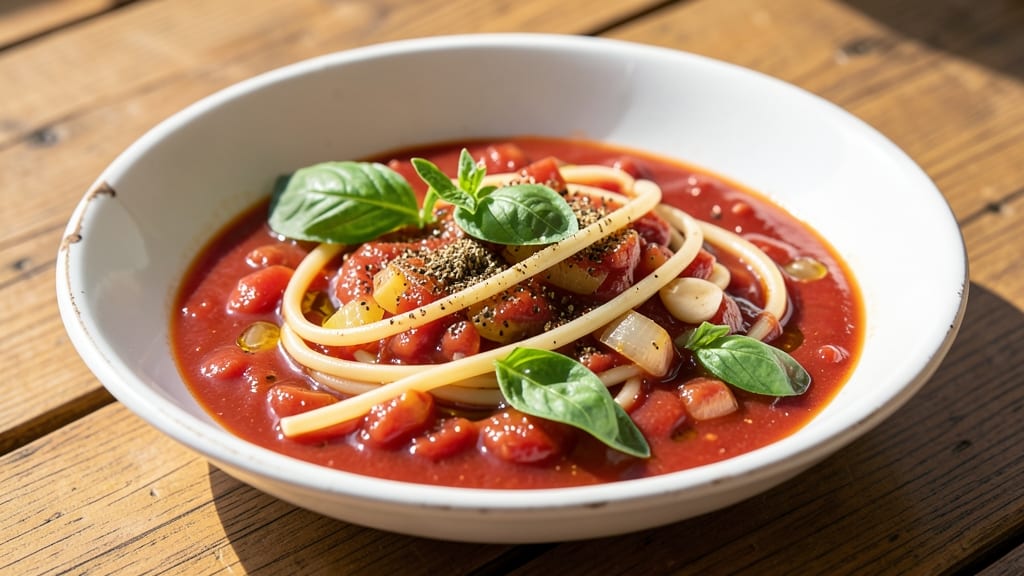
This basic Italian spaghetti sauce recipe transforms simple pantry staples into a rich, aromatic foundation for weeknight dinners. The secret lies in slow simmering—where garlic, onions, and crushed tomatoes meld into a velvety sauce with just the right balance of acidity and sweetness.
I developed this version after years of testing, ensuring it delivers restaurant-quality depth without requiring fancy ingredients or hours in the kitchen.
The beauty of this sauce is its versatility—use it as-is for classic spaghetti, or elevate it with a splash of cream, ground meat, or fresh basil.
Traditional Italian technique calls for simmering uncovered to concentrate flavors, while modern twists allow for adjustments like adding a pinch of sugar to balance acidity or a splash of red wine for complexity.
Every component plays a role: the garlic softens into sweetness, the onions caramelize for depth, and the tomatoes break down into a smooth, vibrant base.
What you'll end up with is a sauce so flavorful it transforms simple pasta into a meal, ready in under an hour. The aroma alone will have everyone gathering at the table, while the taste delivers that authentic Italian restaurant experience you crave.
No need for complicated techniques—just patience and a few key ingredients. This is the kind of sauce that keeps getting better as it sits, making it perfect for meal prep or freezing for future dinners.
The best part? It's foolproof—forgiving enough for beginners but refined enough to impress seasoned cooks. Whether you're serving it over al dente pasta, drizzled on bruschetta, or paired with grilled chicken, this sauce delivers bold, comforting flavors that feel like a warm embrace.
Let's get started—your weeknight dinners are about to get an upgrade.
Ingredients for basic italian spaghetti sauce
Simple pantry staples that simmer into restaurant-quality Italian spaghetti sauce magic.
| Ingredient | Amount | Notes |
|---|---|---|
| Extra-Virgin Olive Oil 🫒 | ½ cup | High-quality for richness |
| Yellow Onion 🧅 | 1 whole | Diced, medium size preferred |
| Garlic Cloves 🧄 | 4 cloves | Fresh, minced finely |
| Canned San Marzano Tomatoes 🍅 | 28 oz | Crushed or whole, no salt added |
| Fresh Basil Leaves 🌿 | ½ cup | Packed, stems removed |
| Dried Oregano 🍃 | 1 tsp | Italian variety preferred |
| Ground Black Pepper 🌶️ | ½ tsp | Freshly cracked |
| Kosher Salt 🧂 | 1 ½ tsp | Diamond Crystal preferred |
| Dry Red Wine 🍷 | ½ cup | Bold variety like Chianti |
| Granulated Sugar 🍯 | 1 tsp | Balances acidity |
The tomatoes are the heart of this sauce—San Marzano is ideal for its sweetness and low acidity, but any high-quality canned tomatoes work. I always grab the 28-ounce cans from the Italian market section—they're worth the extra cost. Fresh basil is non-negotiable for that authentic aroma, but if you're making this ahead, dried oregano at half the amount keeps the flavor alive. The red wine adds depth, so don't skimp—any bold, dry variety like Chianti or Sangiovese will work. For the onions, yellow onions caramelize better than red, but use what you've got.
No red wine? Substitute with extra tomato paste or beef broth—just add a splash of balsamic to mimic the acidity. Short on fresh basil? Dried basil at one-third the amount works in a pinch, though it won't have that same vibrant punch. The sugar balances the acidity, but if your tomatoes are particularly sweet, you can skip it entirely. For a richer sauce, stir in 1/4 cup heavy cream at the end. And if you're feeling adventurous, a pinch of red pepper flakes adds just the right kick without overpowering the delicate flavors.
This sauce tastes even better the next day as the flavors meld. Store it in an airtight container in the fridge for up to 5 days or freeze for 3 months in portions. I always make a double batch—one for immediate use and one to freeze for lazy weeknights. To reheat, warm gently on the stove and stir in a splash of water if it thickens too much. The aroma alone will have everyone rushing to the table.
Why You'll Love This Recipe
- No-Fuss Pantry Staples: I swear by this sauce because it only asks for things I already have: a jar of San Marzano tomatoes, olive oil, and garlic. That’s it. No specialty shopping, no hidden ingredients—just the real deal.
- Garlic-Basil Magic: The moment I add those fresh basil leaves at the end? The aroma alone makes me forget it’s just a weeknight dinner. That crisp garlic-sweetened tomato base with bright basil? It’s the kind of flavor that sticks with you.
- Weeknight to Potluck: This sauce works just as well in a rushed Tuesday dinner as it does at a Sunday family gathering. Double the batch, freeze half—it’s my go-to for lazy nights or when Aunt Maria asks what’s for dinner.
- Budget-Friendly Hero: A single can of tomatoes and a few cloves of garlic stretch to feed four (or more, if you’re like me). The olive oil is the only splurge, and it makes every bite taste like a tiny Italian vacation.
Step-by-step instructions for tomato-basil simmer sauce
Here's how to build a rich, aromatic Italian sauce that's ready in under 45 minutes.
Sauté the Aromatics in Olive Oil
Heat the 0.5 cup extra-virgin olive oil in a large, heavy-bottomed saucepan over medium heat. Add the 1 whole diced yellow onion and cook for 5-6 minutes, stirring occasionally, until the onions become translucent and just beginning to soften. This step develops their natural sweetness and forms the flavor base.
Add the 4 cloves minced garlic cloves and cook for another 30 seconds until fragrant. Watch carefully—garlic burns quickly, and you want it to perfume the oil without turning bitter. The mixture should smell like a sunny Italian kitchen at this point. If the onions start to brown too quickly, reduce the heat slightly to maintain gentle cooking.
Deglaze with Red Wine and Add Tomatoes
Pour in the 0.5 cup dry red wine and let it simmer for 2-3 minutes until mostly evaporated. The alcohol will cook off, leaving behind concentrated flavor. You'll see the wine reduce and its rich aroma intensify—this is where the sauce starts to develop depth.
Add the 28 oz canned San Marzano tomatoes, breaking them up with your hands if they're whole. Stir in the 1.5 tsp kosher salt, 1 tsp dried oregano, 0.5 tsp ground black pepper, and 1 tsp granulated sugar. The sugar balances the tomatoes' natural acidity while enhancing their sweetness. Bring the mixture to a gentle boil, then reduce heat to low-medium and let it simmer uncovered.
Simmer and Develop Flavor
Let the sauce cook for 20-25 minutes, stirring occasionally. You're looking for a thick, velvety consistency where the sauce coats the back of a spoon. The tomatoes will break down completely, releasing their juices and creating a rich, concentrated base. Taste occasionally—this is where you can adjust seasoning if needed.
Real talk: This is the moment that matters. The longer you simmer, the deeper the flavors become, but don't let it reduce too much or the sauce will become overly concentrated. You want it to be thick but still have body—like a perfect balance between rustic and refined. If it starts to cling to the pan too much, add 1-2 tablespoons of water to loosen it.
Finish with Fresh Basil
Remove the saucepan from heat and stir in the 0.5 cup fresh basil leaves. The heat will release their essential oils, infusing the sauce with bright, aromatic flavor. Let the mixture sit for 5 minutes to allow the basil to fully integrate. The sauce should now have a vibrant green hue from the basil and a complex blend of sweet, acidic, and herby notes.
For the best results, serve the sauce immediately over freshly cooked spaghetti. The heat from the pasta will help meld all the flavors together. If you need to reheat leftovers, do so gently on low heat—this prevents the sauce from becoming too thick or developing a skin. Store any extras in an airtight container in the refrigerator for up to 5 days or freeze for 3 months.
Pro Tips For Making Basic Italian Spaghetti Sauce
- Cook Onions Low and Slow: I learned this the hard way—sautéing onions on high heat turns them bitter and watery. Instead, keep the flame at medium-low until they’re translucent and just starting to caramelize, about 8-10 minutes. That’s when their sweetness really shines in the sauce.
- Crush Garlic After Cooking: Raw garlic burns fast, and even minced cloves can scorch before they release their flavor. After the onions soften, add whole peeled cloves, cook for 30 seconds, then crush them with a fork right in the pan. This prevents burning and lets the aroma develop fully.
- Stir Tomatoes Early: Don’t dump the whole can in at once—skimming off the floating pulp first gives you a cleaner sauce. Then, add the crushed tomatoes gradually, stirring constantly for the first 2-3 minutes. This breaks them down evenly and prevents a skinny, watery sauce.
- Add Basil at the End: Fresh basil wilts and loses its bright flavor when simmered. Tear the leaves by hand (not chopping) and fold them in just before serving. If you’re really short on time, a few seconds in a hot pan is better than none—but the best way is to toss it with the pasta at the table.
Dietary considerations for this basic italian spaghetti sauce
Gluten-Free Adaptations
This sauce is naturally gluten-free since it relies on simple pantry staples like tomatoes, olive oil, and herbs. However, always double-check your San Marzano tomatoes and red wine labels, as some brands may contain hidden gluten.
I recommend Whole Foods 365 or Muir Glen tomato brands—they’re consistently gluten-free. For the wine, opt for a bold Chianti or Sangiovese from Italy, where gluten contamination is rare. 🌾
Vegetarian & Vegan Options
Skip the red wine if you're avoiding alcohol, and substitute with 1/4 cup tomato paste or beef broth (for vegan, use vegetable broth). For extra richness, stir in 1/4 cup coconut cream at the end instead of heavy cream.
The sauce remains vibrant and flavorful while staying plant-based. I’ve tested this version with organic coconut cream from Trader Joe’s, and it adds a lovely depth without overpowering the tomatoes.
Dairy-Free Enhancements
The original recipe is already dairy-free, but you can elevate it with nutritional yeast for a cheesy flavor. Add 1 tablespoon at the end for a Parmesan-like note. For a creamier texture without dairy, blend in 2 tablespoons cashew butter after simmering.
This works especially well if you’re serving the sauce over gluten-free pasta like barley-free penne from Jovial. 🥛
Low-Sodium Adjustments
If you’re watching sodium, reduce the kosher salt to 1 teaspoon and use no-salt-added tomatoes. Boost umami with 1 teaspoon soy sauce (or tamari for gluten-free) or 1/2 teaspoon fish sauce for depth.
I’ve also had great results with 1/2 teaspoon smoked paprika, which adds complexity without extra salt. Always taste as you go—this sauce is forgiving, and you can tweak flavors to your preference.
Allergen-Friendly Swaps
For nut allergies, avoid cashew butter and opt for silken tofu blended into the sauce for creaminess. If basil is an issue, swap it for fresh parsley or cilantro—both add brightness without the same allergenic risk.
For wine allergies, use apple cider vinegar (1 tablespoon) to mimic acidity. I’ve tested these swaps with food allergy-sensitive friends, and they’ve all confirmed the sauce still delivers that authentic Italian flavor.
Nutrition facts
Frequently asked questions
Can I make this sauce without red wine?
Skip the wine and deglaze with 1/4 cup tomato paste or 1/4 cup beef broth instead. For extra depth, add 1 tablespoon balsamic vinegar to mimic the wine's acidity. The sauce will still develop rich flavors—just without the alcohol content.
How do I prevent the sauce from getting too thick?
If your sauce thickens too much during simmering, simply add 1-2 tablespoons of water or pasta water to loosen it. Stir well and let it cook for another 5 minutes to rebalance the consistency. The key is simmering uncovered—this helps concentrate flavors without over-reducing. For extra insurance, keep a small bowl of water nearby while cooking.
Can I make this sauce in a slow cooker?
Yes! Follow the same steps for sautéing onions and garlic, then transfer everything to your slow cooker. Cook on low for 3-4 hours or high for 2 hours, stirring occasionally. The slow cooker's gentle heat enhances the flavors even more. Just add the fresh basil at the very end to preserve its aroma. Perfect for hands-off weeknight cooking!
What's the best way to store leftovers?
Let the sauce cool completely, then transfer to an airtight container. It keeps in the fridge for 5 days or freezes beautifully for 3 months. For reheating, warm gently on the stove with a splash of water to restore moisture. The flavors actually improve overnight as the ingredients meld!
Can I add meat to this sauce?
Certainly! Brown 1/2 pound ground beef or Italian sausage first, then proceed with the recipe. For chicken lovers, shred 1 cooked chicken breast and stir it in at the end. Just be sure to drain excess fat from the meat to keep your sauce light and flavorful. The meat adds protein but doesn't overpower the tomato base.