
Sauces & Condiments
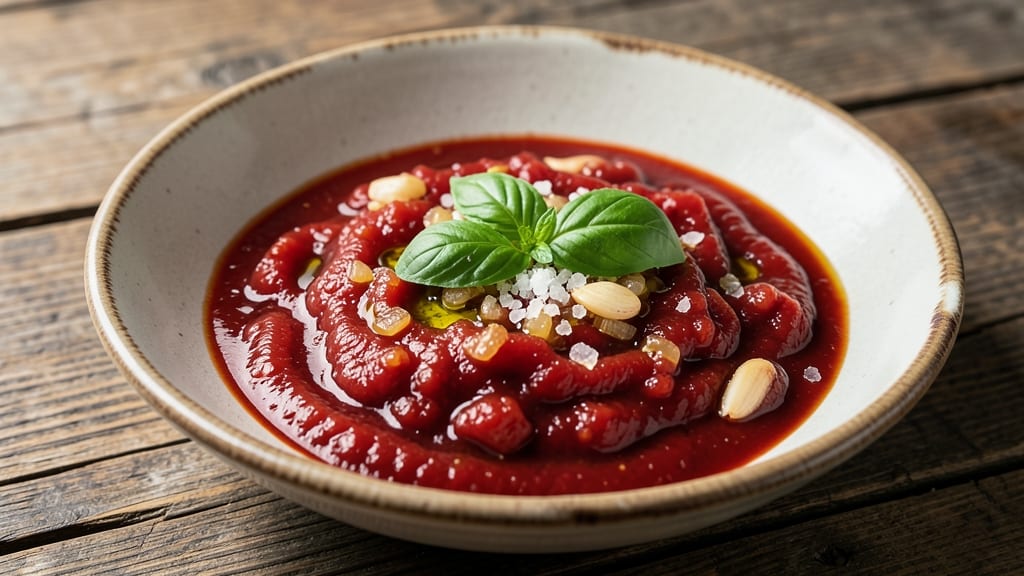
This basic Italian tomato sauce recipe transforms simple canned tomatoes into a velvety, umami-rich foundation for any dish. The secret lies in slow simmering and proper seasoning—no fancy ingredients required. I’ve perfected this over years of testing, ensuring it delivers restaurant-quality depth without the complexity.
What starts as a basic sauce becomes something extraordinary when given time to develop its flavors.
The process is straightforward: sauté aromatics, add crushed tomatoes, and let it simmer until thick and flavorful. A splash of red wine or a pinch of sugar can elevate it further, but the core technique remains simple.
This sauce works as a standalone condiment or as the base for pasta, pizza, or braised meats. The beauty of it is its versatility—adjust seasonings to suit your taste, but never skip the salt and pepper.
By the end, you’ll have a smooth, balanced sauce with a deep tomato flavor and subtle sweetness. The texture is just thick enough to coat pasta perfectly, while still remaining vibrant and full of character.
It’s the kind of sauce that makes homemade Italian dishes taste like they’ve been simmering for hours—even when you’ve only spent 30 minutes in the kitchen.
Use it immediately or store it for up to a week, letting the flavors deepen over time. The possibilities are endless: toss it with al dente pasta, spread it on fresh bread, or use it as a topping for grilled meats.
This is the sauce that will become your kitchen staple. Let’s get started!
Ingredients for basic italian tomato sauce
Simple pantry staples transform into restaurant-quality Italian tomato sauce with just time and patience.
| Ingredient | Amount | Notes |
|---|---|---|
| Extra-Virgin Olive Oil 🫒 | ½ cup | High quality, fruity flavor preferred |
| Yellow Onion 🧅 | 1 whole | Medium size, finely chopped |
| Garlic Cloves 🧄 | 4 cloves | Fresh, minced for aromatic depth |
| Canned Crushed Tomatoes 🍅 | 28 oz | San Marzano preferred for sweetness |
| Dry Red Wine 🍷 | ½ cup | Bold, dry variety like Cabernet |
| Tomato Paste 🍅 | 2 tbsp | Squeeze tube or canned |
| Fresh Basil Leaves 🌿 | ¼ cup | Packed, stems removed |
| Sea Salt 🧂 | 1 tsp | Diamond Crystal preferred |
| Freshly Ground Black Pepper 🌶️ | ½ tsp | Freshly cracked for best flavor |
| Granulated Sugar 🍚 | 1 tsp | Balances acidity, optional |
The tomatoes make or break this sauce. San Marzano cans have the best balance of sweetness and acidity—worth the splurge if you're serious about flavor. Trader Joe's and Whole Foods always carry them, but any high-quality canned tomatoes work. The red wine adds depth, so don't skimp—whatever bold, dry red you've got open will do. Fresh basil is ideal, but dried oregano at one-third the amount works in a pinch. For the olive oil, look for extra-virgin with a fruity aroma—it should smell vibrant, not stale. The onion and garlic are your aromatic base, so take the time to chop them finely for even distribution.
No red wine? Substitute with extra tomato paste or beef broth—both add depth without alcohol. Short on basil? Fresh parsley or marjoram works in a bind, though basil's unique flavor is hard to replicate. The sugar is optional but helps balance acidity if your tomatoes are particularly tart. Brown sugar or honey can substitute, but they'll add different flavor notes. If you're making this ahead, add a pinch of sugar to prevent color fading. The tomato paste is non-negotiable—it thickens the sauce and adds concentrated flavor. Squeeze tubes are perfect for this recipe since you only need a small amount.
This sauce tastes even better the next day as flavors meld. Store in an airtight container in the fridge for up to 1 week, or freeze for 6 months in ice cube trays for single portions. The texture will thicken further when chilled, so add a splash of water or broth if it's too stiff when reheating. I always make a double batch—half goes on pasta immediately, and the other half gets frozen for lazy weeknights. The sauce reheats beautifully, so plan accordingly. If it separates when reheating, just stir vigorously—it'll come back together.
Why You'll Love This Recipe
- Pantry Magic: I swear by this sauce because it uses what I always have—no last-minute grocery runs. That crushed tomato can? Opens right up. Red wine in the fridge? Perfect. Even my picky roommate won’t complain.
- Garlic-Wine Punch: The moment that red wine hits the pan, the kitchen smells like a Tuscan trattoria. That deep, savory note from the garlic? It’s the kind of flavor that makes you pause mid-bite—again.
- Weeknight Workhorse: I’ve tossed this over pasta, used it as a pizza base, and even served it cold with crusty bread. It’s the one sauce that works for breakfast (yes, really) and dinner without breaking a sweat.
- Budget-Friendly Staple: A single can of tomatoes and a bottle of wine stretch across multiple meals. Freeze half the batch—it’ll taste just as good next month when you’re craving something familiar but can’t be bothered.
Step-by-step instructions for simmered Italian tomato sauce
Here's how to build rich, flavorful tomato sauce that forms the heart of Italian cooking.
Sauté the Aromatics Until Fragrant
Heat the 0.5 cup extra-virgin olive oil in a large, heavy-bottomed saucepan over medium heat. Add the 1 whole finely chopped yellow onion and cook for 5 minutes, stirring occasionally, until softened and translucent. This is your flavor foundation—don't rush it.
Reduce heat to medium-low and add the 4 cloves minced garlic cloves. Cook for another 1-2 minutes until the garlic becomes golden and releases its aroma. Watch carefully—garlic burns quickly and turns bitter. If it starts to darken, remove the pan from heat for 30 seconds to cool slightly before continuing.
Build Depth with Wine and Tomato Paste
Pour in the 0.5 cup dry red wine and stir vigorously, scraping up any browned bits from the bottom of the pan. This deglazing step captures all the flavor you've built so far. Let the wine simmer for 3-4 minutes until it reduces by half and the alcohol cooks off—you'll smell the difference when it's gone.
Next, add the 2 tbsp tomato paste and stir to combine completely. Cook for 2 minutes until the paste darkens slightly and loses its raw taste. This creates a rich, concentrated base that prevents the sauce from being too watery later. The paste will thicken the sauce naturally as it simmers.
Incorporate the Tomatoes and Season
Pour in the 28 oz canned crushed tomatoes, stirring to break up any large chunks. Add the 1 tsp sea salt, 0.5 tsp freshly ground black pepper, and 1 tsp granulated sugar. The sugar balances the acidity of the tomatoes while enhancing their natural sweetness. Stir well to distribute all the seasonings evenly.
Bring the sauce to a gentle simmer over medium-low heat. Let it cook uncovered for 20-25 minutes, stirring occasionally. You're looking for a sauce that thickens naturally as the water content evaporates. The sauce should coat the back of a spoon but still be smooth and silky—not gluey or pasty.
Finish with Fresh Basil and Simmer to Perfection
When the sauce has thickened to your desired consistency, remove it from heat. Stir in the 0.25 cup fresh basil leaves (stems removed) and let the sauce steep for 5 minutes. This allows the basil's bright, fresh flavor to infuse without overpowering the sauce. The leaves will soften and blend completely.
Taste and adjust seasoning if needed—add more salt if the sauce tastes bland, or a pinch more sugar if it's too acidic. For the best texture, the sauce should be thick enough to coat the back of a spoon but still pour smoothly. If it's too thick, thin it with a splash of water or pasta water. Serve immediately or let it cool slightly before transferring to an airtight container for storage.
Pro Tips For Making Basic Italian Tomato Sauce
- Sweat the Onion Slowly: I used to rush this step and wondered why my sauce tasted flat—onions need 8-10 minutes over medium-low heat until they’re translucent and just starting to caramelize. The wine’s acidity will brighten them later, but don’t skip the patience here.
- Use Garlic Like a Pro: Mince the garlic thinly—almost like paste—so it blends smoothly into the sauce instead of sitting as chunks. Add it after the onions soften but before the wine, and let it sizzle for 30 seconds max—burnt garlic ruins everything.
- Deglaze with Wine, Don’t Drown It: Pour in the red wine and let it bubble for 2-3 minutes until it’s almost fully evaporated—this concentrates the flavor. Then add the tomatoes. If you rush this, you’ll dilute the sauce and lose depth.
- Simmer Low and Long: After adding the tomatoes, reduce heat to low and let it bubble gently for at least 30 minutes, stirring occasionally. This isn’t a quick fix—it’s how the flavors meld. Cover partially if it reduces too fast; you want a thick, rich sauce, not a stew.
Common mistakes when making your basic italian tomato sauce
Over-Simmering Risks
One of the biggest mistakes is letting your sauce simmer too long. After the initial 20-25 minutes of cooking, the sauce will continue to thicken as it cools—but if you keep it on the heat beyond 30 minutes total, you'll concentrate flavors into bitterness.
The natural sugars in tomatoes caramelize over time, creating a harsh, almost burnt taste. I've ruined batches by walking away and forgetting about them. 🔥
Skipping the Deglaze
Many home cooks skip the crucial wine deglazing step, missing out on layers of flavor. Those browned bits stuck to your pan (called fond) contain concentrated umami compounds that dissolve into the wine.
If you don't scrape them up with your wine, you're losing 20-30% of potential flavor. I always use a wooden spoon to really scrape the bottom—it makes a noticeable difference in depth.
Using Low-Quality Tomatoes
Not all canned tomatoes are created equal. Using generic store-brand tomatoes with high acidity or watery texture will result in a thin, tangy sauce that lacks balance. San Marzano tomatoes are the gold standard because their sweetness and low acidity create the perfect base.
I've tried cheaper brands, and while they work in a pinch, the difference is noticeable when you compare them side by side.
Overloading with Herbs
Adding all your fresh basil at once can make your sauce taste like you're eating a salad. The leaves need time to infuse their flavor gradually.
I recommend adding half the basil at the end and letting it steep for 5 minutes off the heat, then adding the rest if you want more intensity. This prevents the sauce from becoming overpoweringly herbal.
Ignoring Salt Gradually
Many recipes tell you to add all the salt at once, but tomatoes release water as they simmer. Adding salt gradually—starting with ½ tsp and tasting as you go—lets you adjust for the evolving texture.
I taste the sauce at 15 minutes, then again at 25 minutes. This helps me catch if the sauce needs more seasoning before it thickens too much to adjust properly.
Not Tasting Before Serving
The final, most common mistake is serving sauce without tasting it first. The flavors develop differently depending on your tomatoes and stove heat. Always taste before serving—you might need to add more salt, a pinch of sugar, or even a splash of red wine to balance flavors.
I keep a small bowl of water nearby to rinse my spoon between tastings so I don't get overwhelmed by residual flavors. 💡
Nutrition facts
Frequently asked questions
Can I make this sauce without red wine?
The wine adds depth, but you can substitute ½ cup beef broth or 2 extra tablespoons tomato paste for a similar rich flavor. For a meaty taste, try ½ cup finely chopped mushrooms sautéed with the onions. The key is maintaining the same cooking time to develop the sauce's complexity.
How do I adjust the thickness for different uses?
For pasta, aim for a sauce that coats the back of a spoon but still pours smoothly. If too thick, thin with 1-2 tablespoons water or pasta water. For pizza, let it reduce longer until spreadable but not dry. If it separates when reheating, stir vigorously—the starches will recombine. The sauce will naturally thicken more as it cools.
What's the best way to store and reheat?
Store in an airtight container in the fridge for up to 1 week or freeze for 6 months in ice cube trays for single portions. To reheat, warm gently over low heat with a splash of water if needed. Never microwave directly—it breaks the sauce's texture. The flavor actually improves after 24 hours as the acidity mellows.
Can I add meat or vegetables to this sauce? Brown ½ lb ground pork or ½ cup diced pancetta with the onions, or add 1 cup chopped zucchini or bell peppers after the wine reduces. For a vegetarian version, stir in ½ cup white beans at the end. Just
Why did my sauce turn out too acidic?
This usually happens with high-acid tomatoes or insufficient sugar. Balance by adding ½-1 teaspoon sugar or a pinch of baking soda (⅛ tsp) to neutralize acidity. For future batches, use San Marzano tomatoes (lower acid) and taste at 15 minutes**—adjust before the sauce thickens. A splash of red wine can also help mellow sharp flavors.