
Sauces & Condiments
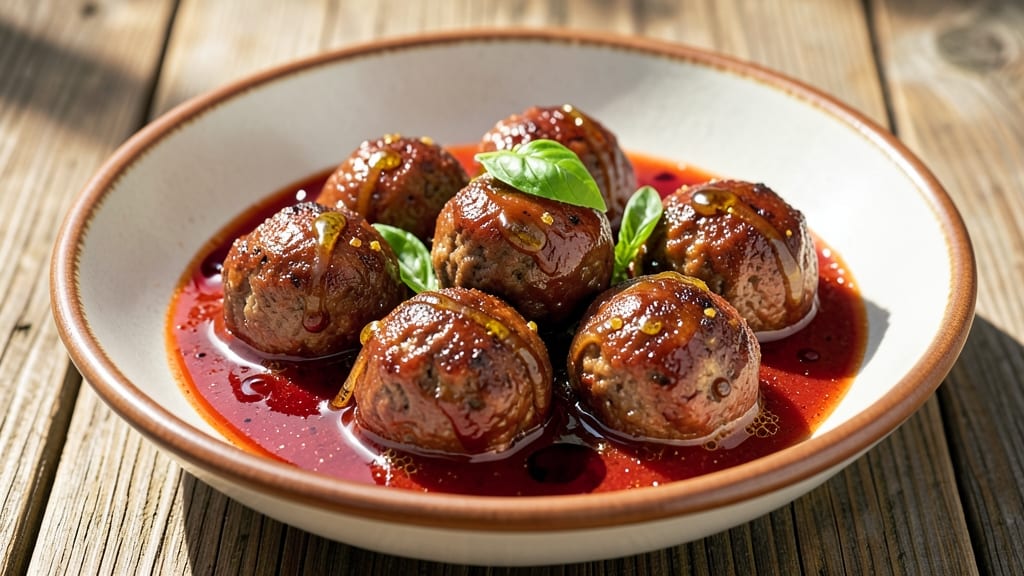
A basic meatball sauce recipe transforms simple ingredients into a rich, velvety foundation that elevates any dish. This sauce delivers tomato depth without relying on shortcuts—just a few pantry staples and 30 minutes of simmering.
The key lies in balancing acidity, sweetness, and herbs to create a sauce that's both bold and versatile, perfect for pairing with Swedish, Italian, or pan-style meatballs.
What sets this sauce apart is its simplicity—no fancy techniques, just a slow reduction that concentrates flavors. Aromatic garlic and fresh herbs infuse the tomatoes while simmering, while a splash of broth or wine adds richness.
The result is a sauce that's restaurant-quality but built for home cooks, with no added preservatives or artificial flavors.
By the time you're done, you'll have a smooth, well-seasoned sauce with just the right balance of tang and sweetness. It clings perfectly to meatballs, soaking in without turning watery, and tastes even better the next day as flavors meld.
This is the kind of sauce that makes weeknight dinners feel like a special occasion.
The beauty of this recipe is its versatility—use it as a dipping sauce, a pasta topping, or a base for casseroles. It freezes beautifully too, so you can make a big batch and have it ready whenever cravings strike. Let's get started on creating this crowd-pleasing foundation.
Ingredients for basic meatball sauce
These twelve ingredients create a velvety tomato sauce with restaurant-quality depth and balance.
| Ingredient | Amount | Notes |
|---|---|---|
| Extra-Virgin Olive Oil 🫒 | ½ cup | High-quality, fruity variety preferred |
| Yellow Onion 🧅 | 1 whole | Finely diced, about 1.5 cups |
| Garlic Cloves 🧄 | 4 cloves | Peeled and minced finely |
| Canned San Marzano Tomatoes 🍅 | 28 oz | Crushed by hand or blended |
| Tomato Paste 🍅 | 2 tbsp | Smooth, no-sugar-added preferred |
| Dry Red Wine 🍷 | ½ cup | Bold variety like Cabernet Sauvignon |
| Vegetable Broth 💧 | 1 cup | Low-sodium preferred |
| Fresh Basil Leaves 🌿 | ¼ cup | Chopped finely, stems removed |
| Fresh Oregano Leaves 🍃 | 1 tbsp | Chopped, or 1 tsp dried |
| Granulated Sugar 🍬 | 1 tsp | Balances acidity |
| Kosher Salt 🧂 | 1 ½ tsp | Diamond Crystal preferred |
| Freshly Ground Black Pepper 🌶️ | ½ tsp | Adjust to taste |
The foundation starts with San Marzano tomatoes—their natural sweetness and low acidity create the ideal base. Whole Foods or Trader Joe's carry high-quality cans, or look for brands labeled 'crushed' to avoid pre-blended sauces with additives. Fresh garlic and onion should be vibrant and firm, not sprouting or soft. For the red wine, bold varieties like Cabernet Sauvignon work best—avoid sweet dessert wines. The extra-virgin olive oil matters too; use something peppery and fruity that you'd drizzle on bread, not the cheap cooking oil. Fresh herbs like basil and oregano should be bright green and aromatic—if they smell dull, they're past their prime.
No red wine? Dry white wine or additional vegetable broth works in a pinch, though the color will differ. Substitute dried herbs at one-third the amount of fresh, but the flavor won't be as bright. For a deeper tomato flavor without paste, blend 1 cup of crushed tomatoes until smooth. The sugar can be omitted if your tomatoes are particularly sweet, but it helps balance the acidity from the wine. If you're avoiding alcohol entirely, use an extra 0.25 cup of broth and a splash of balsamic vinegar for depth. The tomato paste can be skipped if you prefer a lighter sauce, though it adds a concentrated umami richness.
This sauce improves with time—plan to simmer for at least 30 minutes to develop full flavor. Store in an airtight container in the fridge for up to 5 days, or freeze for 3 months in portion-sized containers. For best results, reheat gently on the stove over low heat, stirring occasionally. The sauce thickens as it cools, so add a splash of broth if it becomes too stiff. Double the batch and freeze half; you'll thank yourself later when cravings strike on a random Tuesday.
Why You'll Love This Recipe
- Pantry Magic: I swear by this sauce because it’s built on what’s already in my cupboard—no fancy shopping required. That jar of San Marzano tomatoes? Chef’s kiss. The paste deepens the flavor without extra effort, and the onion and garlic soften into something rich while I sip my coffee.
- Simmered Depth: The slow cook of olive oil, garlic, and crushed tomatoes transforms into something so much better than takeout. That first spoonful—sweet, savory, with just a hint of smokiness—makes me forget I didn’t even try that hard.
- Leftovers That Shine: Between us, this sauce only gets better after day two. I’ll make a double batch on Sunday and freeze half; reheating it with a splash of water brings it back to life, perfect for lazy nights or when friends drop by unannounced.
- Weeknight Win: No chopping, no fuss—just dice an onion, crush some garlic, and let the stove do the work. Honestly, I’ve made this while waiting for the meatballs to bake, and it still comes out tender and flavorful every time. (Yes, even on a Tuesday night.)
Step-by-step instructions for simmered tomato sauce
Here's the method for building rich, balanced tomato sauce that stands up to meatballs.
Sauté Onion and Garlic Until Translucent
Heat the 0.5 cup extra-virgin olive oil in a heavy-bottomed saucepan over medium-low heat. Add the finely diced yellow onion and cook for 8-10 minutes, stirring occasionally, until completely soft and translucent. The onions should release their moisture and collapse, creating a sweet base for the sauce.
Reduce heat to low and add the 4 cloves minced garlic. Cook for 1-2 minutes until fragrant but not browned—this prevents bitter flavors. Here's the thing: garlic burns quickly, so keep your eye on the pan. You want aroma, not color.
Build the Sauce Base with Wine and Tomatoes
Increase heat to medium and stir in the 2 tbsp tomato paste, cooking for 2 minutes until it darkens slightly and releases its deep flavor. Pour in the 0.5 cup dry red wine, scraping up any browned bits from the bottom of the pan. This deglazing step captures all the fond flavors you've built.
Add the 28 oz crushed San Marzano tomatoes and 1 cup vegetable broth, stirring to combine. Bring to a gentle simmer, then reduce heat to low. The sauce should bubble softly—this gentle heat prevents scorching while allowing flavors to meld. Let it simmer uncovered for 15 minutes, stirring occasionally.
Season and Simmer for Depth
Add the 1 tsp granulated sugar, 1.5 tsp kosher salt, and 0.5 tsp freshly ground black pepper, stirring well to distribute. The sugar balances the acidity of the tomatoes while the salt enhances all flavors. Taste the sauce now—it should be bright and tangy, with no single flavor overpowering.
Stir in the 0.25 cup chopped fresh basil and 1 tbsp chopped fresh oregano, reserving a small handful for garnish. Return to a simmer and cook uncovered for 20-25 minutes, stirring occasionally. You're looking for a sauce that coats the back of a spoon with a velvety texture—not watery, but not thickened yet.
Finish and Adjust Consistency
Remove from heat and let the sauce rest for 5 minutes. This resting period allows flavors to settle and the sauce to thicken slightly from residual heat. Taste again and adjust seasoning if needed—this is where you fine-tune the balance between acidity, sweetness, and saltiness.
For a smoother sauce, use an immersion blender to gently blend, or transfer to a blender and pulse briefly. Return to low heat if you prefer it thicker, simmering for 5-10 minutes longer while stirring occasionally. The sauce should coat the back of a spoon but remain spoonable, not glued to the pan.
Pro Tips For Making Basic Meatball Sauce
- Sweat the Onion First: Don’t rush this—cut the onion into even ¼-inch slices and cook them in the olive oil over medium-low heat until they’re translucent and just starting to caramelize (about 8-10 minutes). I used to burn them because I cranked the heat too high, and it made the whole sauce taste bitter. Patience here means deeper flavor later.
- Bloom the Garlic Right: Add the minced garlic after the onions have softened, and cook it for exactly 30 seconds—no more, or it’ll turn bitter. I learned this the hard way after making my sauce taste like a chemistry experiment. If you’re worried about burning it, pull the pan off the heat for the last 10 seconds and let the residual heat finish the job.
- Stir the Tomato Paste: Once the onions and garlic are done, turn the heat down to low and stir in the tomato paste with a wooden spoon for 2-3 minutes before adding the tomatoes. This step builds a richer base—skipping it means your sauce will taste thin and one-dimensional. (Yes, even if you’re impatient like me.)
- Simmer Uncovered: After adding the San Marzano tomatoes, bring the sauce to a gentle simmer and let it cook uncovered for at least 20 minutes. This lets the alcohol and excess water evaporate, concentrating the flavor. I used to cover it to save time, but the sauce always ended up watery. Trust the process—your future self will thank you.
Common mistakes when making great basic meatball sauce
Overcooking the Sauce
One of the biggest mistakes is letting your sauce simmer too long, which turns it bitter and concentrated. I’ve seen sauces go from perfect to ruined just by walking away for 10 minutes.
Keep a close eye on it after the 20-25 minute mark—once it reaches that velvety texture, remove it from heat immediately. If you need to thicken it later, do it on low heat with a cornstarch slurry instead of boiling it down. 🌡️
Skipping the Deglaze
Many home cooks forget to deglaze the pan after cooking the onions and garlic. Those browned bits—called fond—pack serious umami flavor. Pour in your 0.5 cup red wine and scrape every last bit from the bottom with a wooden spoon.
This step makes all the difference in depth of flavor. Trust me, your taste buds will notice!
Using Low-Quality Tomatoes
Not all canned tomatoes are created equal. Cheap, watery brands with added salt or preservatives will make your sauce taste flat. Stick with San Marzano tomatoes or other high-quality crushed tomatoes.
The difference in sweetness and texture is noticeable from the first spoonful. If you’re using whole canned tomatoes, crush them by hand for better texture control.
Ignoring the Resting Time
After simmering, letting the sauce rest for 5 minutes off the heat is crucial. This allows flavors to meld and the sauce to naturally thicken slightly. Skipping this step often leads to a sauce that’s either too thin or unevenly seasoned. I’ve learned this the hard way—rushing always backfires!
Over-Salting Early
Many recipes tell you to add all the salt upfront, but that’s a mistake. Tomatoes vary in saltiness, and adding all 1.5 tsp kosher salt at once can make your sauce taste bland or overly salty.
Instead, add half the salt with the other seasonings, then taste and adjust at the end. This way, you have full control over the final balance. 🧂
Using Dried Herbs Directly
Substituting dried herbs for fresh without adjusting quantities ruins the sauce’s brightness. Dried herbs are more concentrated, so if you must use them, reduce the amount to ⅓ of the fresh quantity. For example, use 1 teaspoon dried oregano instead of 1 tablespoon fresh.
Fresh herbs add a vibrant, aromatic quality that dried just can’t match. Save dried herbs for rubs or long-cooked dishes where their earthiness works better.
Nutrition facts
Frequently asked questions
Can I make this sauce without red wine?
Replace the 0.5 cup red wine with 0.5 cup dry white wine or an extra 0.25 cup vegetable broth plus 1 tbsp balsamic vinegar for depth. The color will be lighter, but the flavor will still be rich and balanced. For a completely alcohol-free version, use 0.75 cup broth instead.
How do I adjust the thickness of the sauce?
For a thicker sauce, simmer uncovered for 5-10 more minutes to reduce. If it's too thick, thin with 1-2 tbsp broth or water. For immediate thickening, mix 1 tbsp cornstarch with 2 tbsp cold water, stir into the sauce, and simmer for 2 minutes until it reaches your desired consistency.
Can I freeze this meatball sauce?
Yes! Let the sauce cool completely, then transfer to airtight containers or freezer bags, leaving 1-inch headspace for expansion. It freezes beautifully for up to 3 months. Thaw overnight in the fridge and reheat gently on the stove, stirring occasionally. Avoid microwave reheating to preserve texture.
What's the best way to use leftover sauce?
This versatile sauce works perfectly with meatball subs, pasta, or as a dipping sauce for garlic bread. For extra richness, stir in 1 tbsp butter or 2 oz grated Parmesan when reheating. It also makes a great base for lasagna or manicotti—just add a layer of cheese before baking.
Why does my sauce taste bitter?
Bitterness usually comes from overcooking or using low-quality tomatoes. Remove from heat immediately after reaching 20-25 minutes of simmering. If the bitterness persists, balance it with a pinch of sugar or a splash of broth. For future batches, use San Marzano tomatoes and avoid boiling the sauce vigorously.