
Sauces & Condiments
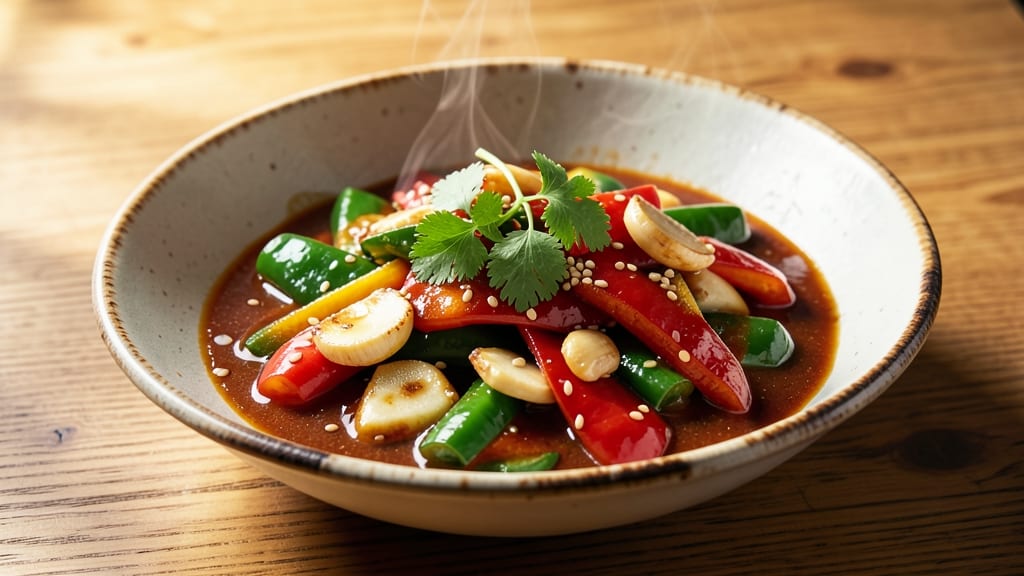
This gochujang stir-fry sauce recipe transforms your weeknight cooking with its perfect balance of fermented heat, sweet umami, and aromatic depth. The key lies in simmering gochujang with garlic, ginger, and a touch of brown sugar until it develops a rich, glossy texture that clings beautifully to proteins and vegetables.
I developed this sauce after years of experimenting with Korean flavors, and it's now my go-to for adding restaurant-quality depth to stir-fries, marinades, and glazes.
The foundation of this sauce is gochujang—a fermented chili paste that brings both sweetness and heat, along with sesame oil for nutty richness and rice vinegar for brightness. Unlike store-bought versions, this homemade recipe lets you control the heat level and sweetness perfectly.
The sauce thickens as it simmers, creating a perfect consistency that's neither too thin nor overly sticky, ensuring every bite delivers balanced flavor.
What makes this sauce truly special is its versatility. Use it as a marinade for chicken or tofu, a glaze for grilled meats, or a finishing sauce for stir-fries.
The aromatic blend of garlic, ginger, and sesame oil ensures every dish gets that signature umami punch, while the gochujang adds a subtle tang that elevates simple ingredients.
With just 10 minutes of active prep and 15 minutes of simmering, you'll have a sauce that transforms ordinary meals into extraordinary ones.
Store the sauce in an airtight container in the refrigerator for up to two weeks, or freeze it for longer storage. The flavors actually deepen over time, making this a perfect make-ahead sauce for busy weeknights.
Whether you're cooking for a crowd or meal prepping for the week, this gochujang stir-fry sauce will become your new kitchen essential.
Ingredients for gochujang stir fry sauce
Fermented heat meets aromatic depth—just ten ingredients transform ordinary stir-fries into extraordinary ones.
| Ingredient | Amount | Notes |
|---|---|---|
| Gochujang 🌶️ | ½ cup | Korean fermented chili paste |
| Sesame Oil 🫒 | 2 tbsp | Toasted for nutty aroma |
| Rice Vinegar 🍶 | ¼ cup | White or seasoned variety |
| Brown Sugar 🍚 | ¼ cup | Light or dark preferred |
| Garlic Cloves 🧄 | 4 cloves | Minced for aromatic depth |
| Fresh Ginger 🌿 | 1 tbsp | Grated, skinless preferred |
| Soy Sauce 🥢 | ¼ cup | Light or dark preferred |
| Sesame Seeds 🌰 | 1 tbsp | Toasted for garnish |
| Water 💧 | ¼ cup | For thinning consistency |
| Salt 🧂 | ½ tsp | Adjust to taste |
Gochujang is the soul of this sauce—Maesil Gochujang from Korean markets delivers the most authentic flavor, but Hanjin or Dae Jang work beautifully too. If you can't find it, gochugaru (Korean chili flakes) mixed with a little honey creates a decent substitute, though it won't have the same fermented depth. The sesame oil? Toast it first—heat 1 tbsp in a dry pan for 30 seconds until fragrant, then cool before adding. Fresh ginger and garlic should be vibrant, not woody, and grate the ginger with the skin on for extra zing. For brown sugar, light brown adds subtle molasses notes, while dark brown gives deeper caramelization—choose based on your heat preference.
No gochujang? Mix 2 tbsp gochugaru with 1 tbsp honey and 1 tbsp water for a quick fix, though texture will differ. Swap rice vinegar for apple cider vinegar (same acidity, slightly sweeter) or mirin (adds sweetness). The soy sauce can be tamari for gluten-free, but traditional soy brings deeper umami. For a smoother sauce, blend everything briefly before simmering—though purists argue the texture should stay rustic. Double the batch if you're using it as a marinade; the flavors intensify overnight.
This sauce thickens as it cools, so thin with water or vinegar if too stiff. Store in a sterilized glass jar in the fridge for up to 2 weeks—flavors deepen like fine wine. Freeze in ice cube trays for single-use portions; thaw quickly in warm water. Garnish with toasted sesame seeds before serving, or mix them in for extra crunch. The sauce works wonders on grilled chicken, tofu, or even fries—trust me, you'll reach for this every time.
Why You'll Love This Recipe
- Five-Ingredient Magic: This sauce is my lazy-day hero—just toss gochujang, sesame oil, vinegar, sugar, and garlic into a bowl, whisk it once, and boom. No measuring cups, no fancy techniques, just pure, unapologetic flavor with zero fuss.
- Umami Bomb: That first hit of gochujang—sweet, spicy, funky—hits different. The brown sugar rounds out the heat while the garlic sizzles in sesame oil, giving everything a caramelized depth that makes me reach for seconds. (Yes, even on a Tuesday night.)
- Sauce for Everything: Drizzle it over rice bowls, toss it with noodles, or slather it on grilled chicken—this stuff doesn’t judge. I’ve used it for breakfast (yes, eggs), lunch (stir-fries), and dinner (you guessed it, more stir-fries), and it’s never let me down.
- Leftovers That Shine: Unlike sauces that turn sad after day two, this one actually improves when stored. The flavors meld even better, and a quick reheat with a splash of water keeps it glossy. I make double batches just so I can have it on hand—because who has time to measure spices daily?
Step-by-step instructions for fermented gochujang stir-fry sauce
This sauce delivers bold, balanced flavors with just a few simple techniques.
Bloom the Gochujang with Sesame Oil
In a medium saucepan, combine the 0.5 cup gochujang with the 2 tablespoons sesame oil over medium-low heat. Stir constantly for 3-4 minutes until the mixture becomes fragrant and slightly thickened. You'll notice the gochujang deepens in color and releases its complex, fermented aroma—this is where all the flavor magic begins.
Here's the thing: blooming the gochujang with oil first prevents it from burning when you add the other ingredients. The oil also helps distribute the gochujang's heat evenly throughout the sauce. If you rush this step, you'll get a bitter, overcooked taste instead of that perfect sweet-spicy balance.
Add Aromatics and Sweetener
Reduce heat to low and add the 4 minced garlic cloves, 1 tablespoon grated fresh ginger, 0.25 cup brown sugar, and 0.5 teaspoon salt. Stir continuously for 2-3 minutes until the garlic turns golden and the ginger becomes translucent. The sugar will begin to dissolve, creating a glossy sheen in the sauce.
This is where the sauce starts building its depth. The garlic should smell intoxicatingly fragrant without burning. If you see any brown spots developing, reduce the heat immediately. The brown sugar isn't just for sweetness—it helps balance the gochujang's heat and creates that beautiful caramelized depth in the final sauce.
Incorporate Acid and Umami Layers
Pour in the 0.25 cup rice vinegar and 0.25 cup soy sauce, stirring well to combine. Let the mixture simmer gently for 4-5 minutes until slightly reduced. You'll notice the sauce becoming thicker and more cohesive as the vinegar brightens the flavors and the soy sauce adds that essential umami punch.
This is the moment that matters: the acidity from the rice vinegar cuts through the richness of the gochujang, while the soy sauce ties everything together. If the sauce looks too thick at this stage, that's normal—we'll adjust the consistency in the next step. The key is to let these flavors meld without rushing the process.
Balance and Thin the Sauce
Add the 0.25 cup water and simmer for another 3-4 minutes until the sauce reaches your desired consistency. It should coat the back of a spoon but still be pourable enough to glaze stir-fried vegetables or proteins. Taste and adjust seasoning—you might need a touch more salt or sugar depending on your preference.
Real talk: this is where many home cooks get it wrong. Some people skip the water entirely, resulting in a thick, gloppy sauce that's hard to work with. Others add too much, diluting the flavors completely. Aim for that perfect balance where the sauce is glossy but still clings beautifully to whatever you're cooking.
Finish and Garnish
Remove the sauce from heat and stir in 1 tablespoon toasted sesame seeds. Let it cool for 5 minutes before serving—this resting period allows all the flavors to fully develop and settle. The sesame seeds add a beautiful textural contrast and nutty aroma that complements the fermented heat.
This sauce is incredibly versatile—use it immediately for stir-fries, or store it in an airtight container in the refrigerator for up to 2 weeks. The flavors actually improve with time as the ingredients continue to meld. When ready to use, simply reheat gently on the stove and adjust consistency with a splash of water if needed.
Pro Tips For Making Gochujang Stir Fry Sauce
- Bloom the Garlic First: Toss minced garlic into the pan with a splash of water or sesame oil before adding gochujang—this prevents it from burning instantly. I learned this the hard way when my sauce turned bitter; garlic needs 30 seconds max to soften, not char.
- Balance the Heat: Taste as you go—gochujang’s spice level varies wildly. If it’s too sharp, cut it with ½ teaspoon more brown sugar or a dash of rice vinegar. I keep a small bowl of vinegar nearby to neutralize the burn without killing the flavor.
- Warm the Gochujang: Stir the paste into the pan after the garlic has cooked for 30 seconds—cold gochujang thickens the sauce like glue. A quick 10-second splash of water or vinegar thins it out instantly if needed.
- Toast the Sugar: Cook the brown sugar with garlic for 1-2 minutes until it turns a deep amber—this caramelizes the flavor and cuts the vinegar’s sharpness. Skimp here, and the sauce tastes flat; don’t rush it, or it’ll taste burnt.
Regional styles of this gochujang stir fry sauce
Korean Core Sauce
The original gochujang stir-fry sauce comes from Korea, where it's called gochujang jeongol—a fermented chili paste sauce that forms the backbone of many traditional dishes. In Korean cuisine, this sauce is used for bulgogi marinades, kimchi stews, and stir-fried vegetables.
The key difference is the addition of gochugaru (Korean chili flakes) in some versions, but authentic gochujang delivers that deeper, funkier flavor. I first discovered this sauce while cooking bibimbap—the umami depth it adds to rice and vegetables is unmatched. 🌶️
Japanese Goma Sauce Twist
In Japan, this sauce transforms into goma gochujang, where the sesame element takes center stage. The Japanese version often includes white miso paste instead of soy sauce, creating a lighter, more delicate flavor profile.
This variation works beautifully with yaki udon noodles or as a glaze for grilled ahi tuna. The secret here is using toasted white sesame seeds for garnish, which adds a subtle crunch that balances the sauce's richness. I love this version for its smoother, more refined taste.
Chinese Black Bean Sauce Fusion
For a Chinese-inspired take, swap the gochujang for black bean sauce and add a splash of Shaoxing wine. This fusion sauce delivers a deeper, earthier flavor with a hint of funk from the fermented black beans. It's perfect for stir-fried pork belly or mapo tofu.
The Chinese version often includes dried shrimp for extra umami—just add 1 tablespoon dried shrimp when simmering the aromatics. This sauce has a thicker, stickier consistency, ideal for clinging to wok-fried ingredients.
Thai-Inspired Sweet Heat
Thai cuisine brings a sweeter, fruitier twist to gochujang sauce by adding fish sauce and palm sugar. The result is a sauce that's perfect for Thai-style pad thai or satay marinades.
To adapt this recipe, reduce the brown sugar to 2 tablespoons and add 1 tablespoon fish sauce along with 1 teaspoon palm sugar. The heat level is milder but still vibrant, thanks to the gochujang's fermented depth.
This version pairs beautifully with grilled lemongrass chicken or tofu satay. 🌶️✨
Vegan Adaptation
For a plant-based version, replace the soy sauce with tamari and use maple syrup instead of brown sugar. This vegan adaptation keeps all the umami and sweetness while making it suitable for vegetarian diets. The sauce works wonderfully with tofu stir-fries or as a marinade for mushroom skewers.
To enhance the flavor, add 1 teaspoon nutritional yeast when simmering—it adds a cheesy, savory depth that's hard to beat. This version is just as versatile as the original but packed with plant-powered goodness.
Spicy vs. Sweet Balance
Adjust the heat-to-sweet ratio based on your preference. For a spicier version, increase the gochujang to ⅔ cup and reduce the brown sugar to 2 tablespoons. For a sweeter sauce, add 1 extra tablespoon of brown sugar and a splash of honey at the end.
The Korean core sauce tends to be spicier, while the Japanese and Thai versions lean sweeter. I find the 50-50 balance in the original recipe works best for most stir-fries, but don't be afraid to experiment—flavor is all about personal taste! 💡
Nutrition facts
Frequently asked questions
Can I make this gochujang sauce without sesame oil?
Yes, but the flavor will be less rich. Swap the sesame oil for 1 tablespoon neutral oil (like vegetable or canola) plus 1 teaspoon toasted sesame seeds stirred in at the end. The seeds add nutty aroma without the same depth as sesame oil. For a stronger flavor, try 1 tablespoon tahini mixed with 1 teaspoon water to replace the sesame oil entirely.
How do I adjust the heat level in this sauce?
Start with the original 0.5 cup gochujang for balanced heat. For milder sauce, reduce to 0.375 cup and add 1 extra tablespoon brown sugar to compensate. For extra spice, increase to ⅔ cup gochujang and add ½ teaspoon red pepper flakes when simmering. Remember, gochujang's heat builds gradually—taste as you go!
Can I use this sauce as a marinade?
This sauce marinates beautifully. For proteins like chicken or tofu, combine ½ cup sauce with 1 tablespoon soy sauce and marinate for 2-4 hours (or overnight for deeper flavor). For vegetables, use ⅓ cup sauce with 1 tablespoon rice vinegar and marinate for 30-60 minutes max to prevent mushiness. The gochujang's acidity tenderizes while adding incredible flavor.
What's the best way to store leftover sauce?
Store in an airtight glass container in the fridge for up to 2 weeks. The flavors actually deepen over time! For longer storage, freeze in ice cube trays or small portions. Thaw quickly in warm water when ready to use. Pro tip: Add a splash of water when reheating to restore consistency—it thickens as it cools.
Can I make this sauce with store-bought gochujang?
Yes, but quality matters! Brands like Hanjin or Dae Jang work well, though they may taste slightly sweeter than traditional gochujang. For authentic flavor, seek out Maesil Gochujang (made with red bean paste) at Korean markets. If using a sweeter brand, reduce brown sugar to 2 tablespoons and add ½ teaspoon rice vinegar to balance.