
Sauces & Condiments
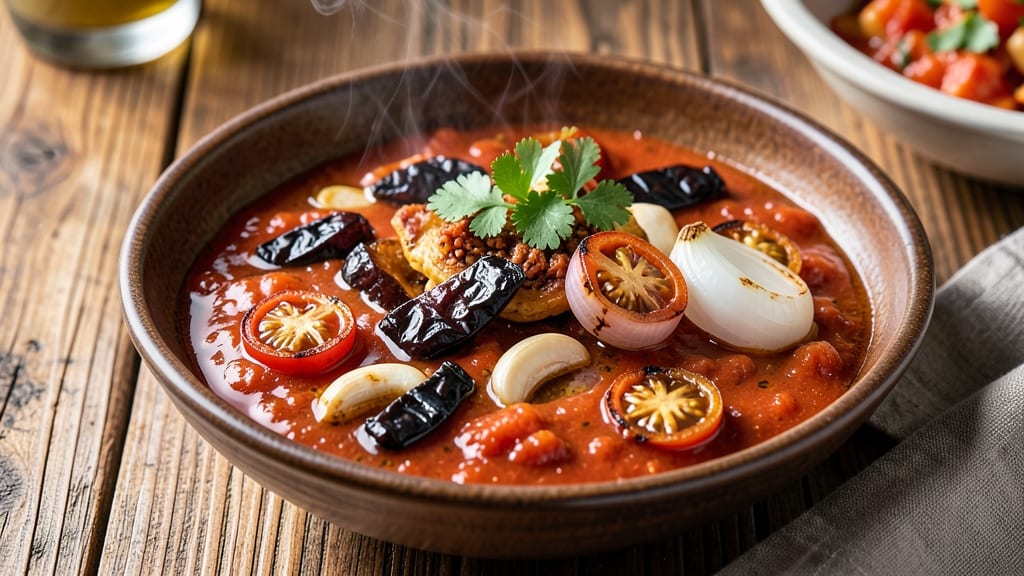
This 5-star enchilada sauce recipe delivers restaurant-quality depth with a deep-roasted tomato and spice base that transforms ordinary enchiladas into showstopping dishes. The secret lies in charring tomatoes and chiles over an open flame, unlocking smoky, complex flavors that store-bought sauces simply can't match.
I've perfected this technique over years of testing, ensuring every batch achieves that perfect balance of richness and acidity that professional chefs rely on.
The foundation begins with fresh tomatoes and dried chiles, roasted until blistered and aromatic, then blended into a velvety purée. Simmering with aromatic spices like cumin, oregano, and a touch of cinnamon creates layers of warmth that elevate any dish.
What sets this sauce apart is the careful reduction process, which intensifies flavors without losing the sauce's natural brightness. The result is a sauce that's creamy yet vibrant, with just the right amount of body to cling perfectly to tortillas.
What you'll end up with is a versatile sauce that works equally well for enchiladas, tacos, or as a dipping sauce for taquitos. The deep-roasted technique creates a complexity that makes this sauce stand out, while the balanced seasoning ensures it complements rather than overpowers other ingredients.
This isn't just another enchilada sauce—it's a flavor experience that will have you reaching for the recipe again and again.
Make a double batch and store it in the refrigerator for up to two weeks, or freeze for three months. The sauce only improves with time as the flavors continue to meld and deepen.
Whether you're preparing for a family gathering or simply craving a taste of authentic Mexican cuisine, this enchilada sauce will take your dishes to the next level.
Ingredients for 5 star enchilada sauce
Fresh tomatoes and chiles roasted to perfection—this sauce delivers restaurant-quality depth with every spoonful.
| Ingredient | Amount | Notes |
|---|---|---|
| Fresh Roma Tomatoes 🍅 | 2 lb | Vine-ripened for sweetness, cored |
| Dried Ancho Chiles 🌶️ | 4 whole | Stemmed, seeded, toasted lightly |
| Dried Guajillo Chiles 🌶︸ | 4 whole | Stemmed, seeded, toasted lightly |
| Garlic Cloves 🧄 | 6 cloves | Peeled, charred with tomatoes |
| White Onion 🧅 | 1 whole | Quartered, charred with tomatoes |
| Ground Cumin 🌿 | 2 tbsp | Toasted for deeper aroma |
| Mexican Oregano 🍃 | 1 tbsp | Dried, not Italian oregano |
| Ground Cinnamon 🌳 | ½ tsp | Warmth without overpowering |
| Extra-Virgin Olive Oil 🫒 | ½ cup | High-quality, fruity variety |
| Lemon Juice 🍋 | 2 tbsp | Freshly squeezed, bright acidity |
| Salt 🧂 | 1 ½ tsp | Diamond Crystal preferred |
| Black Pepper 🌶️ | ½ tsp | Freshly cracked for heat |
| Vegetable Broth 💧 | 1 cup | Low-sodium for flavor control |
The tomatoes and chiles are the heart of this sauce. Roma tomatoes have the perfect balance of sweetness and acidity, while Ancho and Guajillo chiles provide that signature smoky depth. For the best results, source vine-ripened tomatoes from a local market or farmers' stand—Heirloom varieties from Whole Foods or Trader Joe's work exceptionally well. If you can't find fresh chiles, Penzeys Spices carries high-quality dried varieties. Toast the chiles lightly in a dry skillet until fragrant—this step unlocks their complex flavors. The onions and garlic should be charred alongside the tomatoes for a smoky base that's essential to the sauce's professional quality.
No fresh chiles? Dried chiles from a Latin market work perfectly—just ensure they're stemmed and seeded. Substituting pasilla chiles for the Guajillo adds an extra layer of richness. The cumin and oregano are non-negotiable for authenticity, but if you're out of Mexican oregano, dried thyme at half the amount will get you close. For the olive oil, California extra-virgin brands like Corto or Omni elevate the sauce's quality. The vegetable broth can be swapped for low-sodium chicken broth if you prefer, but keep it unsalted to control the final seasoning. The sauce's balance depends on precise measurements—don't rush the reduction process, as this is where the flavors truly deepen.
This sauce develops even better over time, so make a double batch and store it in airtight glass jars. It keeps in the refrigerator for 2 weeks, with flavors deepening daily, or freezes beautifully for 3 months. For reheating, warm gently on the stove with a splash of water to restore its silky texture. The sauce's versatility makes it perfect for batch cooking—portion it into ice cube trays for easy use in future meals. Always taste before serving and adjust salt or acidity as needed; the sauce should be vibrant and balanced, not flat or overly tangy.
Why You'll Love This Recipe
- That’s the secret: toast the chiles first. The garlic and onion caramelize just enough to balance the smoky heat, while the tomatoes keep it bright. It’s the kind of sauce where every bite makes you think, “Wait, how did it get this good?”
- No-Soaking Needed: I’ll be honest—most enchilada sauces make you wait while dried chiles soak. Not this one. The ancho and guajillo blend fast in hot broth, and the Roma tomatoes add natural sweetness without extra work. Twenty minutes, tops.
- Smoky Depth Magic: That’s the secret: toast the chiles first. The garlic and onion caramelize just enough to balance the smoky heat, while the tomatoes keep it bright. It’s the kind of sauce where every bite makes you think, “Wait, how did it get this good?”
- Weeknight to Party: Same sauce, endless uses. Slather it on enchiladas for dinner, drizzle it over grilled chicken for lunch, or freeze half for next month’s taco night. (Yes, even on a Tuesday night.) The guajillo’s mild kick means it’s safe for kids but exciting for adults.
Step-by-step instructions for deep-roasted tomato and spice base
This method transforms simple ingredients into a restaurant-quality enchilada sauce with depth and complexity.
Char and Prepare the Base Ingredients
Preheat your oven's broiler to high. Line a baking sheet with aluminum foil for easy cleanup. Cut the 2 lb fresh Roma tomatoes in half and place them cut-side down on the prepared sheet. Add the 1 whole white onion, quartered, and the 6 cloves garlic, peeled, alongside the tomatoes. Broil for 10-12 minutes until the skins blacken and blister in spots.
While the vegetables char, prepare the chiles. Remove stems and seeds from the 4 whole dried ancho chiles and 4 whole dried guajillo chiles, then tear them into rough pieces. This exposes more surface area for flavor extraction later. The charring develops smoky, caramelized notes that form the sauce's foundation.
Toast the Spices and Create the Paste
In a dry skillet over medium heat, toast the 2 tbsp ground cumin and 1 tbsp Mexican oregano for 1-2 minutes until fragrant and slightly darkened. Immediately transfer to a bowl to cool. This step enhances their aromatic compounds without burning them.
Transfer the charred tomatoes, onion, and garlic to a blender or food processor. Add the toasted chiles, toasted spices, 0.5 tsp ground cinnamon, and 0.5 cup extra-virgin olive oil. Blend until completely smooth, scraping down the sides as needed. The mixture should form a thick, vibrant paste with no visible texture.
Simmer the Sauce to Develop Complexity
Heat the 0.5 cup extra-virgin olive oil remaining in the skillet over medium heat. Add the blended paste and cook for 5-7 minutes, stirring constantly, until the raw taste disappears and the oil separates slightly from the solids. This step builds the sauce's depth by caramelizing the sugars in the paste.
Pour in the 1 cup vegetable broth and 2 tbsp lemon juice, scraping up any browned bits from the bottom of the pan. Add the 1.5 tsp salt and 0.5 tsp black pepper, then bring to a gentle simmer. Reduce heat to low and let it cook uncovered for 30-40 minutes, stirring occasionally, until thickened to your desired consistency.
Finish and Adjust the Sauce
After simmering, taste the sauce and adjust seasoning if needed. The sauce should be balanced—sweet from the tomatoes, smoky from the chiles, with warmth from the spices. If it's too thick, thin with a splash of water or broth. If it's too thin, simmer uncovered for another 5-10 minutes to reduce.
For the best texture, strain the sauce through a fine-mesh sieve into a clean saucepan. This removes any remaining fibrous bits, leaving you with a silky, velvety sauce. Return to low heat and keep warm until ready to use. The sauce will continue developing flavor as it sits, so don't rush this process.
Pro Tips For Making 5 Star Enchilada Sauce
- STEAM THE CHILES FIRST: Toss dried ancho and guajillo chiles in a bowl with 2 cups hot water for 10 minutes before blending—this softens them evenly and cuts down on grit. I learned this the hard way after straining through a fine sieve and still finding stubborn bits in my sauce. (Yes, even if you’re impatient like me, don’t skip this.)
- CHAR THE ONION LOW AND SLOW: Cook the white onion over medium-low heat until it’s deep golden brown, not blackened—about 12-15 minutes. High heat caramelizes it too fast, turning bitter. My grandmother swore by this, and she was right: the sauce tastes richer when the onion’s sweetness mellows properly.
- SALT THE TOMATOES BEFORE BLENDING: Sprinkle 1 teaspoon of salt over the halved Roma tomatoes before roasting or simmering—it breaks down their fibers and pulls out more juice. I was skeptical until I tried it: the sauce thickens better and tastes more balanced, like the tomatoes are actually working for you.
- STRAIN TWICE FOR SILKY SAUCE: After blending, strain through a fine-mesh sieve once, then press the pulp through with a spoon. Do it again through a cheesecloth for a velvety finish—no one wants to bite into a chunk of tomato in their enchilada. (Does it look weird? Yes. Does it work? Every single time.)
Wine and beer pairings for these flavors
Red Wine Pairings
A bold red wine like Tempranillo from Spain or Malbec from Argentina complements this sauce beautifully. Tempranillo's earthy notes and subtle spice mirror the sauce's smoky depth, while Malbec's rich fruitiness balances the acidity.
I reach for a 2018 Bodegas Muga Reserva when I want to highlight the sauce's complexity in enchiladas. The wine's dark fruit and leather undertones create a perfect harmony with the charred tomatoes and chiles. 🍷
White Wine Options
For a lighter pairing, try a Spanish Albariño or Mexican Chenin Blanc. The crisp acidity of Albariño cuts through the sauce's richness, while Chenin Blanc's honeyed notes enhance the caramelized flavors.
I love a Pazo de Señorans Albariño from Rías Baixas—its citrus brightness makes each bite of enchilada feel refreshing. The wine's mineral finish also cleanses your palate between bites. 🍷
Mexican Beer Pairings
A Mexican lager like Modelo Especial or Pacífico Clara is my go-to beer choice. The clean, crisp profile of these beers prevents the sauce's bold flavors from overwhelming your palate.
For something with a little more character, try a Mexican IPA like Estrella Damm Daura—its citrus and pine notes complement the sauce's smoky, spicy profile. The beer's effervescence also helps balance the sauce's richness. 🍺
Craft Beer Experiment
If you're feeling adventurous, pair the sauce with a Belgian witbier like Stella Artois or a Mexican amber ale like Negra Modelo. The witbier's coriander and citrus notes create an unexpected but delightful contrast with the sauce's smoky depth.
Meanwhile, the amber ale's caramel and toasted malt flavors enhance the sauce's roasted tomato character. I've found that a slightly chilled beer works best to highlight the sauce's vibrant acidity. 🍺✨
Non-Alcoholic Choices
For a refreshing non-alcoholic option, try a Mexican horchata or a sparkling limeade. The cinnamon and rice notes in horchata complement the sauce's warm spices, while the limeade's bright acidity mirrors the sauce's tang.
I also love pairing this sauce with a Mexican soda like Jarritos Tamarind—its sweet-tart flavor creates a perfect contrast with the enchiladas. The effervescence helps cleanse your palate between bites. 🥤
Nutrition facts
Frequently asked questions
Can I substitute canned tomatoes for fresh in this recipe?
While you can use canned tomatoes in a pinch, fresh Roma tomatoes create the best texture and flavor. The charring process develops deep caramelized notes that canned tomatoes simply can't match. If you must substitute, use high-quality crushed tomatoes (like Muir Glen) with no added salt, and simmer them uncovered for an extra 10-15 minutes to concentrate their flavor. For a smoother sauce, strain them through a fine-mesh sieve first.
How do I adjust the heat level in this sauce?
The heat comes primarily from the chiles, so you can control it by adjusting their quantity. For a milder sauce, reduce the ancho and guajillo chiles to 2 each and remove the seeds completely. For extra heat, add 1-2 dried arbol chiles (seeded) to the blend. Always taste as you go—simmering longer mellows the heat slightly by allowing flavors to meld.
Why does my sauce look too thin after simmering?
A thin sauce usually means it didn't reduce enough during simmering. To fix this, continue cooking uncovered on low heat for another 10-15 minutes, stirring occasionally. If it's still too thin, mix 1 tbsp cornstarch with 2 tbsp water, stir into the sauce, and simmer for 2-3 minutes until thickened. For prevention, reduce the broth slightly before adding it to the pan.
Can I make this sauce in a slow cooker?
Yes! After blending the paste, transfer it to a 3-4 quart slow cooker with the remaining ingredients. Cook on low for 4-5 hours or high for 2-3 hours, stirring occasionally. The slow cooking enhances the flavors beautifully, but you'll need to strain it afterward since slow cookers don't separate solids as well. The sauce may need more reduction time after transferring to a saucepan.
What's the best way to reheat leftover sauce?
For best results, reheat gently on the stove over low heat with a splash of water or broth to restore its silky texture. Avoid high heat, which can make the sauce separate. If the sauce thickens too much during reheating, thin it with a little water. Microwaving is possible but can make the sauce watery—if you do, stir well and finish with a quick simmer on the stove.