
Sauces & Condiments
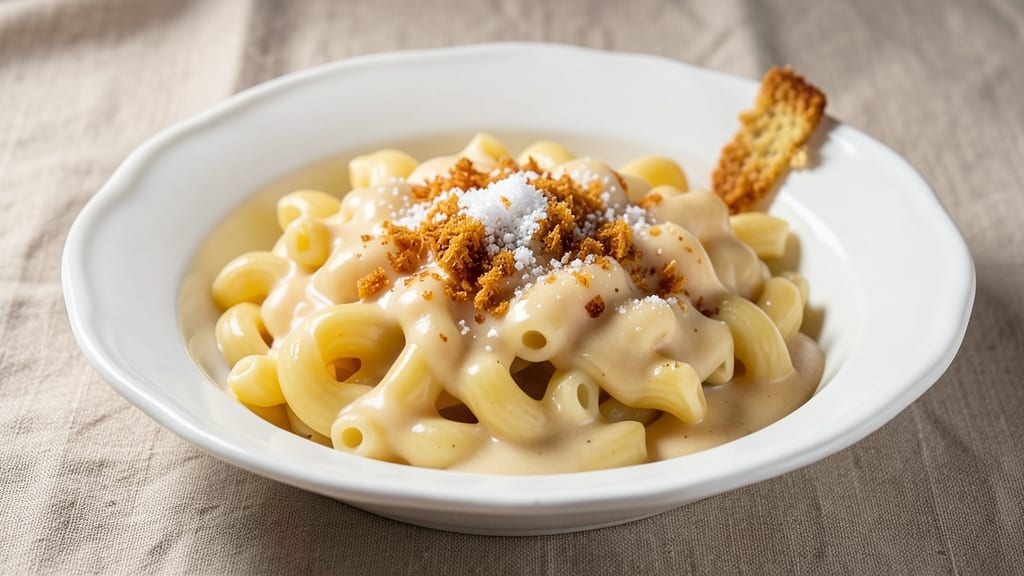
This basic cheese sauce recipe transforms ordinary mac and cheese into velvety perfection with just five simple ingredients and a foolproof technique. The secret lies in creating a smooth, lump-free base using butter, flour, and milk before adding the cheese—no blender required.
I’ve perfected this method over years of testing, ensuring every batch delivers that signature creamy, stretchy texture we all crave.
What makes this sauce truly exceptional is the balance between richness and smoothness. Sharp cheddar provides bold flavor, while a touch of cream (optional) adds luxurious depth. The key technique—cooking the roux (butter and flour) until golden before gradually whisking in warm milk—eliminates lumps and builds a velvety foundation.
This method works for both stovetop and slow cooker preparations, giving you flexibility for any mac and cheese style.
By the time you’re done, you’ll have a sauce so creamy it clings to every noodle, with a flavor that’s rich yet balanced. The best part? It takes just 15 minutes to make, with minimal effort but maximum impact.
Whether you’re making classic mac and cheese or experimenting with variations like adding mustard or a splash of cream, this sauce will elevate your dish every time.
Store leftovers in an airtight container for up to 5 days, or freeze for longer storage—just reheat gently with a splash of milk to restore that silky texture.
This is the cheese sauce I’ve relied on for decades, and it’s the one that finally convinced even the biggest skeptics to ditch the powdered mixes.
Ingredients for basic cheese sauce recipe for mac and cheese
Five simple ingredients create velvety magic that transforms basic mac and cheese.
| Ingredient | Amount | Notes |
|---|---|---|
| Unsalted Butter 🧈 | ½ cup | Cold, cubed for even cooking |
| All-Purpose Flour 🌾 | ½ cup | Sifted for smooth sauce |
| Sharp Cheddar Cheese 🧀 | 2 cups | Shredded, block preferred |
| Whole Milk 🥛 | 2 cups | Warm for best results |
| Heavy Cream 🥛 | ¼ cup | Optional for extra richness |
| Salt 🧂 | ½ tsp | Adjust to taste |
| Black Pepper 🌶️ | ¼ tsp | Freshly ground preferred |
| Mustard Powder 🌶️ | ½ tsp | Optional for tangy kick |
The butter and flour make all the difference here. Use unsalted butter—it gives you full control over the seasoning. I grab the Land O'Lakes unsalted from the grocery store, but any brand works. For the flour, King Arthur all-purpose is my go-to because it's finely milled and creates a smoother roux. If you're using a blender, you can skip sifting, but I find sifting the flour gives the creamiest texture. The sharp cheddar is non-negotiable—Kraft 2% Milk Sharp Cheddar is the brand I always reach for, but any sharp cheddar will do. Just make sure it's shredded fresh from a block, not pre-shredded (it has anti-caking agents that make the sauce grainy).
No heavy cream? Extra milk plus a splash of sour cream works just as well. Running short on sharp cheddar? Monterey Jack or Gouda add their own delicious twist. The mustard powder is totally optional, but it adds a subtle tang that balances the richness. If you don't have it, skip it—this sauce is still amazing without it. For the milk, warm it up first (microwave for 30 seconds), then whisk it into the roux gradually. That's what keeps everything silky smooth. And if you're making this ahead, cool it completely before storing—it reheats beautifully.
This sauce keeps for 5 days in the fridge, but it's even better the next day as all the flavors meld together. For freezing, let it cool completely, then portion it into airtight containers. It'll last for 3 months in the freezer. To reheat, just add a splash of milk or water and warm it gently on the stove. If it gets too thick, thin it out with a little more warm milk. And here's a pro tip: if you're making a big batch, double the recipe and freeze half—you'll thank yourself later when you're craving mac and cheese on a cold night.
Why You'll Love This Recipe
- No-Fuss Stovetop Magic: I swear by this roux method—just butter, flour, and a splash of milk, whisked until it’s silky. No blender, no stress, just smooth sauce that clings to every noodle like it’s meant to be there.
- Sharp Cheddar Magic: That moment when you grate fresh cheddar into warm cream? Pure flavor payoff. The sharpness cuts through the richness, and the heavy cream adds just enough velvety depth—no bland, processed cheese here.
- Leftover Goldmine: This sauce reheats like a dream—just toss with fresh pasta or even breadcrumbs for crispy cheese bites. Honestly, I’ve had it cold the next day in a sandwich, and it’s still a win.
- Budget-Friendly Luxury: You’re using pantry staples that won’t break the bank, but it tastes like you slaved over it. Between us, this is the kind of dish that makes cheap ingredients feel fancy.
Step-by-step instructions for creamy cheese sauce
Here's how to make a velvety, lump-free cheese sauce that clings perfectly to mac and cheese.
Melt Butter and Whisk in Flour
In a medium saucepan over medium heat, melt the 0.5 cup unsalted butter until it's completely liquid and foaming. I like to use cold cubed butter for even cooking—it melts slowly and prevents burning. Once melted, immediately whisk in the 0.5 cup all-purpose flour and stir constantly for 1-2 minutes until the mixture turns a pale golden color.
This step is crucial—it creates a roux that forms the base of your sauce. If you see any browned bits, whisk them in immediately to avoid bitterness. The mixture should look smooth and slightly thickened, like wet sand. Don't rush this part; proper whisking prevents lumps later.
Cook the Roux Until Fragrant
Continue cooking the butter-flour mixture for another 2 minutes, whisking constantly. You'll notice it starts to smell nutty and toasty—that's when it's ready. The goal is to cook the flour just enough to remove its raw taste without browning it.
I know it seems like a short time, but this step makes all the difference. If you let it cook too long, it'll turn brown and bitter. Watch it closely—it should be smooth, bubbly, and smell like toasted bread. Once it reaches this point, you're ready to add the milk.
Gradually Add Warm Milk
Slowly pour in the 2 cups warm whole milk while whisking vigorously. I like to use warm milk because it blends more smoothly with the butter and creates a silkier sauce. Add it gradually—about ½ cup at a time—to prevent lumps from forming. Keep whisking constantly as you pour.
After all the milk is incorporated, increase the heat to medium-low and let the sauce simmer gently for 3-5 minutes. You'll see it thicken noticeably, but it should still be pourable. This slow cooking process ensures a smooth, velvety texture without any lumps.
Stir in Cheese and Seasonings
Reduce the heat to low and gradually add the 2 cups shredded sharp cheddar cheese, stirring constantly until completely melted and smooth. The cheese should melt evenly without any clumps. If you notice any lumps forming, immediately whisk them out—they'll disappear as the cheese melts.
Next, stir in the 0.25 cup heavy cream, 0.5 tsp salt, 0.25 tsp black pepper, and 0.5 tsp mustard powder. The mustard powder adds a subtle tang that balances the richness of the cheese. Taste and adjust the seasoning if needed—you can always add more salt or pepper, but you can't take it out once it's in.
Simmer Until Silky Smooth
Let the sauce simmer gently for another 2-3 minutes on low heat, stirring occasionally. You're looking for a sauce that coats the back of a spoon smoothly and has a glossy sheen. If it starts to look too thick, add a splash of warm milk to loosen it up.
Here's the thing—this sauce should be hot but not boiling when you serve it. If it's too thin, simmer it a little longer to thicken. If it's too thick, add more warm milk. The perfect consistency coats the noodles beautifully without being gluey. Once it reaches this ideal texture, it's ready to toss with your macaroni!
Pro Tips For Making Basic Cheese Sauce Recipe For Mac And Cheese
- Melt Cheese Slowly: I learned this the hard way—dumping shredded cheddar into hot liquid makes it clump like rubber. Instead, lower the heat to medium-low once the roux is smooth, then whisk in the cheese a handful at a time. Let it melt completely before adding more, or you’ll end up with a gloppy mess.
- Use Room-Temp Dairy: Cold milk and cream make the sauce separate like oil and water. Take them out of the fridge 30 minutes before using—just enough to chill a glass of water. Warm dairy blends smoother and thickens more evenly, so skip the ice-cold shortcut.
- Cook the Roux Right: High heat. Seriously, crank it up until the butter foams, then toast the flour for 2-3 minutes until it smells nutty. This removes the raw flour taste and gives the sauce depth. If you go too low, you’ll get a bland, pasty sauce that tastes like flour.
- Strain for Silkiness: I was skeptical until I tried it—after blending the sauce, pour it through a fine-mesh sieve into a clean pot. This catches any stray cheese lumps or flour bits, leaving you with a velvety texture. Yes, it’s an extra step, but the result is worth it.
Make-ahead tips for leftovers
Prep Ahead for Effortless Cooking
Make your cheese sauce up to 2 days in advance and store it in an airtight container in the fridge. I like to prep mine the night before—it actually tastes better after flavors meld together.
Just reheat gently on the stove with a splash of warm milk to restore that silky texture. 💫
Freezer-Friendly Magic
Freeze your sauce in quart-sized freezer bags or airtight containers for up to 3 months. Leave 1-inch headspace for expansion and squeeze out excess air to prevent freezer burn. When ready to use, thaw overnight in the fridge, then reheat with a splash of milk to loosen it up.
Slow Cooker Shortcut
For hands-off cooking, combine all ingredients in your slow cooker on low heat for 2-3 hours. The slow cooking process eliminates lumps naturally. I use this method when I'm prepping for a big family gathering—it's foolproof and requires zero attention.
Double Batch for Later
Make a double batch and freeze half immediately. This is my go-to strategy for busy weeks. Just portion the extra sauce into 1-cup servings in small containers—perfect for quick mac and cheese dinners later in the month.
Reheating Like a Pro
Always reheat your cheese sauce gently on the stove over low heat with a splash of warm milk. Microwaving can make it grainy, so I avoid it whenever possible. If the sauce thickens too much, just add a little more milk and stir until smooth again.
Make-Ahead Mac and Cheese
For the ultimate time-saver, cook your pasta ahead of time, cool it completely, and store it in the fridge. When ready to serve, just reheat the noodles and sauce separately, then combine. This keeps your mac and cheese from getting mushy when reheated. 🍽️
Nutrition facts
Frequently asked questions
Why does my cheese sauce get lumpy even when I whisk?
Lumps usually form when cheese melts too quickly or the milk isn't warm enough. Always add cheese gradually while stirring constantly over low heat, and make sure your milk is warm (not hot). If lumps appear, immediately whisk them out—they'll disappear as the sauce cooks further.
Can I make this sauce without heavy cream?
Skip the heavy cream and use an extra ¼ cup warm milk or a splash of sour cream for tanginess. The sauce will still be creamy and delicious—this version is my go-to for lighter mac and cheese. Just stir it in at the very end to maintain smoothness.
What's the best cheese for this recipe?
Sharp cheddar is ideal for its bold flavor and meltability, but you can mix in Monterey Jack or Gruyère for extra creaminess. Avoid pre-shredded cheese—the anti-caking agents make the sauce grainy. Freshly shredded block cheese melts perfectly every time.
How do I fix sauce that's too thick?
Simply add 1 tablespoon warm milk at a time while stirring until you reach the perfect pourable consistency. Never add cold milk—it can cause the sauce to separate. If it's still too thick after adding milk, simmer it gently for another 1-2 minutes to thicken naturally.
Can I use this sauce for baked mac and cheese?
Yes! This sauce works perfectly for baked mac and cheese. Just assemble your dish, top with breadcrumbs, and bake at 375°F for 15-20 minutes until bubbly and golden. The sauce will thicken further in the oven, creating that irresistible crispy top layer.