
Sauces & Condiments
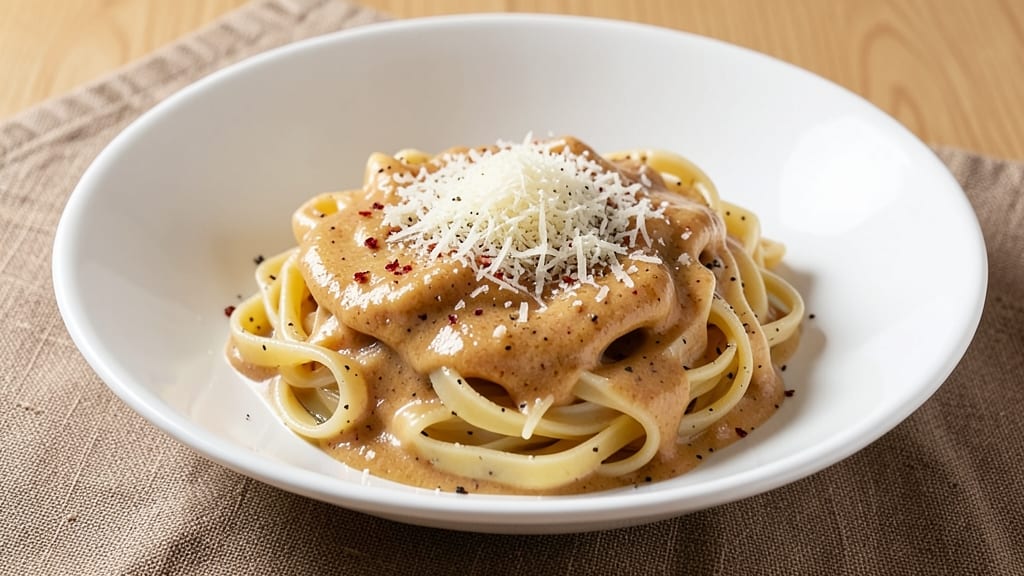
This alfredo sauce recipe using butter and parmesan cheese transforms simple ingredients into a luxuriously smooth, velvety sauce that clings perfectly to fettuccine—no lumps, no grittiness, just pure, creamy indulgence.
The secret lies in tempering the cheese with warm butter and pasta water, creating a silky texture that elevates every strand of noodle. I’ve perfected this method over years of testing, ensuring restaurant-quality results at home with just five ingredients and 10 minutes of active time.
The foundation is all in the technique: low-and-slow melting of butter with garlic (optional but recommended) before adding grated parmesan. Pasta water acts as the emulsifier, binding the sauce into a uniform, glossy finish that coats pasta like liquid gold.
This version skips heavy cream for a lighter, more authentic taste, though you can easily adjust richness by adding a splash if needed. The result? A sauce so velvety it disappears between bites, leaving only the essence of parmesan and butter behind.
What sets this recipe apart is its foolproof consistency—no clumps, no separation, and no last-minute scrambling. The sauce thickens as it cools, making it ideal for tossing with hot pasta or drizzling over grilled chicken.
For extra depth, a pinch of nutmeg or white pepper adds warmth, while a splash of lemon juice brightens the richness. Store leftovers in the fridge for up to 3 days, reheating gently with a splash of water or milk to restore its silky texture.
Whether you’re serving it as a weeknight dinner or a special occasion dish, this alfredo sauce delivers the ultimate comfort-food experience—creamy, rich, and impossible to resist.
The best part? It’s versatile enough to pair with chicken, seafood, or even vegetables, yet simple enough to master in minutes. Let’s get cooking!
Ingredients for alfredo sauce recipe butter and parmesan cheese
Five core ingredients create velvety perfection—no lumps, just luxurious richness.
| Ingredient | Amount | Notes |
|---|---|---|
| Unsalted Butter 🧈 | ¾ cup | Cold, cut into small cubes |
| Fresh Garlic Cloves 🧄 | 3 cloves | Minced, optional but recommended |
| Parmesan Cheese 🧀 | 1 ½ cups | Freshly grated, block preferred |
| Pasta Water 💧 | ½ cup | Reserved from freshly cooked pasta |
| Heavy Cream 🥛 | ¼ cup | Optional for extra richness |
| Diamond Crystal Kosher Salt 🧂 | ¼ tsp | Adjust to taste |
| Freshly Ground White Pepper 🌶️ | ⅛ tsp | For subtle warmth |
| Lemon Juice 🍋 | 1 tbsp | Freshly squeezed, optional |
The butter and Parmesan form the sauce's foundation, so prioritize quality. European-style unsalted butter like Plugrá or Land O'Lakes has higher fat content for superior melting. For Parmesan, Parmigiano-Reggiano from a block is non-negotiable—pre-grated contains anti-caking agents that create grit. Whole Foods Market or specialty cheese shops carry excellent options. The garlic, while optional, adds depth; freshly minced (not jarred) ensures vibrant flavor. Store butter in the fridge to maintain freshness, and grate Parmesan just before using to preserve its sharp, nutty aroma.
No heavy cream? Substitute with an equal amount of whole milk, though texture will be slightly lighter. Freshly grated Parmesan unavailable? Pecorino Romano works in a pinch, but reduce by 10% due to its saltier profile. For a dairy-free adaptation, nutritional yeast combined with olive oil can mimic cheesiness, though texture will differ. The pasta water is critical—it contains starch that acts as a natural emulsifier. If you've drained your pasta too thoroughly, reserve 1 cup of water before draining to ensure smoothness. The lemon juice brightens the richness without overpowering.
This sauce thickens as it cools, so reheat gently with a splash of pasta water or milk to restore its silky consistency. Store in an airtight container in the fridge for up to 3 days, or freeze for 3 months in portion-sized containers. For best results, toss with hot pasta immediately after reheating. The sauce pairs beautifully with fettuccine, grilled chicken, or roasted vegetables, though it's traditionally served over al dente pasta. Leftovers can be thinned with additional pasta water or milk if needed.
Why You'll Love This Recipe
- Fewer Ingredients, Big Payoff: The pantry staples here—just butter, garlic, and Parmesan—mean no last-minute grocery runs. I swear by this combo because it’s the creamiest Alfredo I’ve ever made without a single weird ingredient or store-bought shortcut.
- Garlic Butter Magic: That moment when you melt butter with raw garlic cloves? Pure flavor alchemy. The sauce gets nutty from the Parmesan, rich from the cream, and a subtle kick from the garlic—no need for heavy seasoning.
- Weeknight to Dinner Party: Same sauce, different vibes. Toss it with fettuccine for a quick Tuesday night, or drizzle it over grilled chicken and broccoli for a fancy-ish weekend meal. The heavy cream keeps it luscious no matter the occasion.
- Leftovers That Don’t Suck: Unlike some sauces that turn gluey, this one reheats like a dream—just a splash of pasta water to loosen it up. I’ve had it cold the next day on pasta salad, and it’s still rich and satisfying. Budget-friendly too; a little goes a long way.
Step-by-step instructions for ultra-smooth alfredo sauce
Master this technique and you'll achieve a velvety, clump-free sauce every time.
Melt the Cold Butter Over Gentle Heat
Place the 0.75 cup unsalted butter, cut into small cubes, in a medium saucepan over low heat. I always use cold butter because it melts more slowly and creates a smoother emulsion later. Watch carefully as it melts, stirring occasionally with a wooden spoon.
You're aiming for a gentle simmer—not a boil—where the butter melts completely but doesn't brown. This takes about 3-4 minutes. If you see any browned bits forming, immediately reduce the heat to prevent bitterness. The butter should be fully liquid and clear, with no solid chunks remaining.
Add Garlic and Cook Until Fragrant
Once the butter is completely melted, add the 3 minced garlic cloves and stir constantly for 30-45 seconds until the garlic becomes lightly golden and releases its aroma. The key here is to cook the garlic just until fragrant—any longer and it will burn, leaving a bitter taste.
I keep the heat at low-medium and stir vigorously to prevent the garlic from sticking to the pan. You'll know it's ready when the kitchen fills with that unmistakable garlic scent. Remove the pan from heat immediately after the garlic is fragrant to prevent overcooking.
Gradually Incorporate the Parmesan
Return the pan to low heat and begin adding the 1.5 cups freshly grated Parmesan cheese in small increments, whisking constantly. I add it gradually because Parmesan has a high fat content that can separate if added too quickly. Start with about ¼ cup at a time, whisking until completely melted and smooth before adding more.
This step is critical for achieving that signature ultra-smooth texture. If you see any lumps forming, immediately add a splash of the 0.5 cup pasta water and whisk vigorously to break them down. The sauce should begin to thicken slightly as the cheese melts into the butter.
Create the Emulsion with Pasta Water
With the Parmesan fully incorporated, gradually whisk in the 0.5 cup pasta water, 1 tablespoon at a time. This is where the magic happens—the starch from the pasta water helps create that signature velvety consistency. Keep the heat at low-medium and whisk continuously until the sauce reaches your desired thickness.
I like to test the consistency by dipping a fork in and watching how it coats. It should be thick enough to cling to the fork but still flow smoothly. If it's too thick, add more pasta water 1 teaspoon at a time. The sauce should simmer gently but not boil—this helps maintain its smooth texture.
Finish with Seasonings and Cream
Remove the sauce from heat and stir in the 0.25 cup heavy cream (if using), 0.25 teaspoon Diamond Crystal kosher salt, 0.125 teaspoon freshly ground white pepper, and 1 tablespoon lemon juice. The cream adds richness, while the lemon juice brightens the flavors and prevents the sauce from tasting too heavy.
Give it one final taste and adjust the seasoning if needed. The sauce should be rich, creamy, and perfectly balanced with a subtle tang from the lemon. For the best results, use the sauce immediately over hot pasta, as it continues to thicken slightly as it cools.
Pro Tips For Making Alfredo Sauce Recipe Butter And Parmesan Cheese
- Melt Butter Slowly: I learned this the hard way—dumping cold butter into a hot pan sends it straight to butter city. Instead, melt it over medium-low heat, stirring constantly until it’s fully liquid but not browned. This keeps the sauce from seizing up when you add garlic.
- Grind Your Own Cheese: Pre-shredded Parmesan has anti-caking agents that turn your sauce grainy. Use a microplane or cheese grater for fresh, fine shavings—it dissolves smoothly and adds real depth. (Yes, even if you’re impatient like me.)
- Save the Starchy Water: Don’t pour out that pasta water! Reserve 1 cup before draining—its starch acts like a natural thickener and emulsifier. Add it gradually while stirring to avoid clumping. It’s the secret to a silky, cohesive sauce.
- Temper the Cream: Heavy cream straight from the fridge shocks the sauce and can cause it to split. Warm it slightly (just until it’s lukewarm to the touch) before adding it to the butter-garlic mixture. This keeps the sauce creamy, not curdled.
Dietary considerations for this alfredo sauce recipe butter and parmesan cheese
Dairy-Free Adaptation
For a dairy-free version, replace the butter with 2 tablespoons olive oil and swap Parmesan for ½ cup nutritional yeast (plus 1 tablespoon lemon juice for umami).
Use ½ cup unsweetened almond milk instead of pasta water to create the emulsion. The texture will be lighter but still creamy—perfect for vegan pasta dishes. 🌱
Gluten-Free Considerations
This sauce is naturally gluten-free, but always double-check your Parmesan label for cross-contamination warnings. Use gluten-free pasta like brown rice fettuccine or chickpea pasta to keep the dish safe. I recommend Barilla Gluten-Free or Jovial brands—they hold sauce beautifully without breaking.
Low-Calorie Version
Cut calories by using ½ cup low-fat milk instead of butter and reducing Parmesan to 1 cup. Add 1 teaspoon cornstarch mixed with 1 tablespoon water to thicken without extra fat. The result is still rich but with 30% fewer calories while maintaining creaminess. 💪
Lactose-Intolerant Friendly
Lactose-intolerant cooks can use lactose-free butter (like Land O'Lakes Lactose-Free) and lactose-free Parmesan (found in specialty sections). The sauce will behave identically to the original—just as smooth and velvety. Always test small batches first, as individual tolerances vary.
Vegan Protein Boost
For extra protein, stir in ¼ cup silken tofu blended smooth or 2 tablespoons white miso paste at the end. Both add depth while keeping the sauce cohesive. The miso version adds a subtle umami richness that pairs perfectly with mushrooms or tofu in vegan dishes.
Allergen-Free Tips
For nut allergies, avoid almond milk substitutions and stick to oat or coconut milk. For soy allergies, use sunflower seed milk instead of heavy cream. Always check labels on nutritional yeast and seasonings—some contain hidden allergens. I keep Bob's Red Mill nutritional yeast on hand as it's certified allergen-free. 🌟
Nutrition facts
Frequently asked questions
Why does my alfredo sauce get grainy or clumpy?
Clumps happen when Parmesan melts too quickly or isn't incorporated properly. Always add cheese gradually while whisking constantly over low heat, and use pasta water (1 tbsp at a time) to break up any lumps. Cold butter melts more slowly, creating a smoother emulsion. If needed, strain the sauce through a fine-mesh sieve for ultra-silky perfection.
Can I make this sauce without heavy cream?
The recipe works beautifully without cream—it's traditionally made with just butter, Parmesan, and pasta water. For extra richness, substitute with 2 tbsp whole milk or 1 tbsp olive oil, but the sauce will still be lusciously creamy. The key is the emulsification from the pasta starch.
How do I fix sauce that's too thick or too thin?
For thick sauce, whisk in 1 tsp pasta water at a time until smooth. For thin sauce, cook it uncovered on low heat for 2-3 minutes to evaporate excess liquid. If it separates, whisk vigorously and add a splash of warm water or milk to re-emulsify. Always reheat gently to preserve texture.
What's the best way to store leftover alfredo sauce?
Transfer to an airtight container and refrigerate for up to 3 days. To reheat, warm in a saucepan over low heat with 1-2 tbsp pasta water or milk to restore creaminess. For longer storage, freeze in portion-sized containers for up to 3 months. Thaw overnight in the fridge before reheating.
Can I use pre-shredded Parmesan?
Pre-shredded cheese contains anti-caking agents that create graininess—it's not ideal for ultra-smooth sauce. Always use freshly grated Parmesan from a block for the best texture. If you must use pre-shredded, sift it first to remove any additives. For extra flavor, mix in 1 tsp lemon juice to brighten the taste.