
Sauces & Condiments
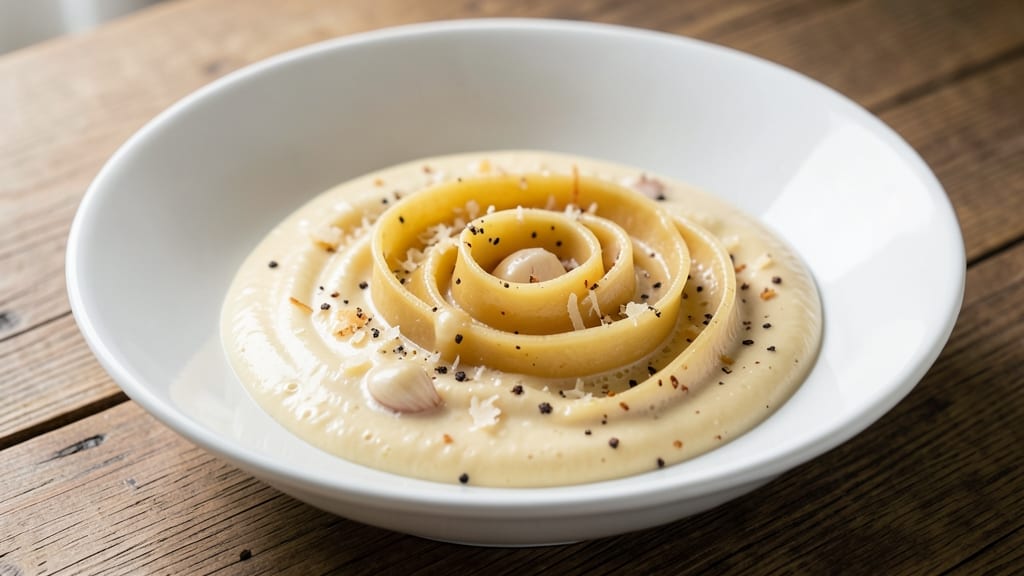
This Alfredo sauce recipe for 1 delivers restaurant-quality creaminess in just 10 minutes—perfect for elevating any single serving. The secret lies in balancing rich ingredients like butter and heavy cream with sharp Parmesan, creating a velvety sauce that clings beautifully to pasta, chicken, or vegetables.
I've refined this recipe to avoid lumps and achieve that signature silky texture without requiring special techniques.
What sets this sauce apart is its simplicity and precision. You'll use just 4 essential ingredients—butter, heavy cream, Parmesan, and a touch of garlic—to create a sauce that's both decadent and foolproof.
The key is proper thickening: simmering the mixture until it coats the back of a spoon ensures that creamy consistency without overcooking. This version also includes a garlic-free option for those who prefer milder flavors.
By the time you're done, you'll have a single serving of luxuriously creamy sauce that's ready to drizzle over your favorite dish.
The aroma alone will transform an ordinary meal into something special—imagine that first forkful of al dente fettuccine coated in velvety sauce, or tender chicken smothered in rich, cheesy goodness. It's the kind of sauce that makes you want to savor every bite.
For those watching their calories, a lighter version replaces heavy cream with whole milk and reduces the butter slightly—though I promise, you won't sacrifice much flavor.
The beauty of this recipe is its versatility: use it as a pasta sauce, a dipping sauce for breadsticks, or even a topping for grilled fish. Let's get cooking!
Ingredients for alfredo sauce recipe for 1
Four core ingredients transform into velvety perfection for your single serving.
| Ingredient | Amount | Notes |
|---|---|---|
| Unsalted Butter 🧈 | 2 tbsp | Cold, cut into small cubes |
| Heavy Cream 🥛 | ¼ cup | Full-fat for maximum richness |
| Freshly Grated Parmesan Cheese 🧀 | ⅓ cup | High-quality, finely grated |
| Garlic Cloves 🧄 | 1 whole | Minced, optional for garlic-free |
| Diamond Crystal Kosher Salt 🧂 | ⅛ tsp | Fine grain preferred |
| Freshly Ground Black Pepper 🌶️ | ⅛ tsp | Coarsely ground |
| Whole Milk 🥛 | ⅛ cup | Lighter alternative to cream |
| Extra-Virgin Olive Oil 🫒 | 1 tbsp | For lighter version only |
The Parmesan is non-negotiable—buy a wedge from the deli counter and grate it yourself. Pre-grated cheese tastes like sawdust in comparison. For the butter, European-style unsalted (like Plugrá) melts more smoothly than American brands. Keep it cold until it hits the pan—this prevents immediate melting and helps emulsify the sauce. The heavy cream should be full-fat; light cream won't give that signature richness. If you're at Whole Foods, their organic heavy cream is my go-to for this recipe.
No heavy cream? Whole milk plus 1 tbsp olive oil mimics the texture beautifully. Skip the garlic? The sauce still works—just omit the mincing step entirely. For extra flavor depth without garlic, add 1/4 tsp onion powder or a pinch of nutmeg. The kosher salt is crucial: Diamond Crystal dissolves completely, unlike table salt which can leave grit. If you're making the lighter version, use whole milk instead of cream and reduce butter to 1.5 tbsp—trust me, it's still decadent.
This sauce keeps for 3 days in the fridge, sealed under a layer of plastic wrap pressed directly on the surface. For best texture, reheat gently in a small saucepan over low heat, stirring constantly. Freezes beautifully for up to 3 months—portion into ice cube trays for perfect single-use servings. If you've made extra, drizzle it over grilled asparagus or use it as a dip for crusty bread. The aroma alone will make your kitchen smell like an Italian trattoria.
Why You'll Love This Recipe
- No-Fuss Ingredients: I keep a stick of butter, a small tub of heavy cream, and a block of Parmesan on hand just for nights like this. Honestly, that’s it—no measuring cups, no fancy gadgets, just three things melting together into something rich and smooth.
- Garlic Butter Magic: One clove of garlic, lightly toasted in the butter, transforms this from basic to ridiculously good. That nutty aroma? It’s the secret weapon—simple, but it makes the whole sauce taste like you slaved over it (even though you didn’t).
- Pasta Partner: This sauce clings to fettuccine like it’s been waiting its whole life for it. But here’s the real win: it’s just as happy on chicken, roasted veggies, or even toasted bread. I’ve used it for all three—no regrets.
- Leftovers That Work: Make a single serving, but end up with extra? No problem. The sauce reheats like a dream, and it keeps for days in the fridge. Between us, I’ve had it cold on crackers—it’s that good.
Step-by-step instructions for perfect Alfredo sauce
Here's how to craft velvety, single-serving Alfredo that rivals restaurant quality.
Melt Butter and Infuse with Garlic
In a small saucepan, melt the 2 tbsp unsalted butter over medium-low heat. I like to use cold butter cut into small cubes so it melts gradually rather than splattering. Once fully melted, add the 1 whole minced garlic clove and let it cook for 30 seconds until fragrant but not browned. This gentle cooking prevents bitter flavors while building a flavorful base.
Here's the thing—if you skip this step, your sauce will lack depth. The garlic infuses the butter, creating a subtle aromatic foundation that carries through the entire sauce. Watch the pan closely; garlic burns quickly, and you'll know it's ready when the aroma fills your kitchen. Remove from heat immediately after to preserve that fresh garlic flavor.
Create the Creamy Base
Return the saucepan to medium heat and pour in the 0.25 cup heavy cream. Stir gently to combine, then add the 0.125 cup whole milk. Let the mixture simmer for 2-3 minutes, stirring occasionally, until it begins to thicken slightly. You're looking for a sauce that coats the back of a spoon but isn't yet fully thickened.
This is where the magic happens—the cream and milk blend creates a lighter texture than all-cream sauce while maintaining richness. If you see the mixture separating or curdling, reduce the heat slightly and give it another 30 seconds to recombine. The sauce should be smooth and velvety, not grainy or lumpy.
Incorporate Cheese for Richness
Reduce the heat to low and gradually whisk in the 0.33 cup freshly grated Parmesan cheese. Add it slowly at first, letting each spoonful melt completely before adding more. This prevents clumping and ensures a perfectly smooth texture. Stir continuously for 1-2 minutes until the cheese is fully incorporated and the sauce has thickened to your desired consistency.
I always use freshly grated Parmesan for this recipe—pre-shredded cheese contains anti-caking agents that prevent proper melting. You'll know it's ready when the sauce becomes thick and glossy, with a beautiful golden hue. If it's too thick, add 1 teaspoon of the pasta water you'll be using later to adjust the consistency.
Season and Finish
Remove the sauce from heat and stir in the 0.125 tsp Diamond Crystal kosher salt and 0.125 tsp freshly ground black pepper. Taste immediately and adjust seasoning if needed—Alfredo should be rich but not overly salty. For an extra touch, you can add 1 tbsp extra-virgin olive oil at this stage if you prefer a lighter version.
Let the sauce rest for 2-3 minutes before using. This resting period allows the flavors to meld completely and the sauce to reach its ideal consistency. The result should be a luxurious, velvety sauce that clings beautifully to pasta without being overly heavy. Serve immediately over your favorite pasta for the ultimate comfort food experience.
Pro Tips For Making Alfredo Sauce Recipe For 1
- Melt Butter Slowly: Start with cold butter—drop cubes into the pan instead of dumping melted butter straight in. This keeps the sauce from splitting when you add the cream later (yes, even with heavy cream, it’ll curdle if shocked by heat).
- Grind Garlic Fine: Use a microplane or crush cloves with the flat side of your knife before mincing. You want tiny, almost paste-like bits—not visible specks—that dissolve into the sauce without leaving texture.
- Strain the Cream: After simmering, pour the sauce through a fine-mesh sieve into a bowl. This catches any stray garlic bits or Parmesan grit that’ll make your sauce taste like you skipped the food processor.
- Salt in Two Stages: Add half the kosher salt with the butter, then taste the finished sauce before adding the rest. The butter’s saltiness mellows as it cooks, so you’ll need more at the end—trust your palate, not the recipe.
Pro cooking tips for perfect results
Temperature Control Secrets
Start with medium-low heat when melting butter—this prevents splattering and ensures even melting. Once the butter is fully melted, increase to medium heat for the cream stage, but never let it boil. The ideal simmer should be just below a gentle bubble—this creates a smooth emulsion without breaking the sauce.
I use a small saucepan (8-inch diameter) for this recipe because it gives me better heat control than a larger pot. 🌡️
Emulsification Tricks
To prevent curdling, add the Parmesan cheese slowly while stirring constantly. The key is to let each spoonful melt completely before adding more—this creates a stable emulsion. If your sauce starts to separate, immediately reduce heat to low and whisk vigorously for 30 seconds.
For extra insurance, whisk in 1 teaspoon of pasta water if needed; the starch in the water acts as a natural thickener.
Cheese Quality Matters
Freshly grated Parmesan is non-negotiable—pre-shredded cheese contains anti-caking agents that prevent proper melting. I recommend buying a wedge from the deli counter and grating it yourself using a microplane for the finest texture.
If you're using a box grater, opt for the smallest holes to avoid graininess. The cheese should melt completely into the sauce, creating that signature velvety texture without any gritty bits.
Garlic Handling Tips
For the best flavor, use 1 whole garlic clove that's been peeled and minced just before cooking. Toast it in the melted butter for exactly 30 seconds—any longer and it burns, creating bitter flavors.
If you're making a garlic-free version, simply omit this step entirely. For extra depth without garlic, add ¼ teaspoon onion powder or a pinch of fresh nutmeg when incorporating the cheese.
Resting for Perfection
Never skip the 2-3 minute resting period after removing the sauce from heat. This allows the flavors to meld completely and the sauce to reach its ideal consistency. During this time, the sauce thickens slightly as it cools, creating that perfect cling to pasta.
I like to pour the sauce into a small bowl and let it sit while I finish cooking my pasta—this ensures it's ready to drizzle at the perfect moment.
Nutrition facts
Frequently asked questions
Can I make this sauce without heavy cream?
Yes! For a lighter version, replace the 0.25 cup heavy cream with 0.25 cup whole milk plus 1 tbsp extra-virgin olive oil. The oil mimics cream's richness while keeping the sauce velvety. This swap cuts about 50 calories per serving but maintains that signature cling to pasta.
Why did my sauce get grainy?
Graininess usually means the cheese didn't melt completely. Always use freshly grated Parmesan (pre-shredded contains anti-caking agents) and add it slowly while stirring constantly over low heat. If it happens, whisk in 1 tsp hot pasta water to smooth it out—the starch helps emulsify the sauce.
How can I make this sauce spicier?
Add ½ tsp red pepper flakes when melting the butter, or stir in ¼ tsp cayenne pepper with the cheese. For heat without spice, try ½ tsp smoked paprika or a pinch of fresh chili flakes. Remember, the sauce is creamy—start with less spice and adjust to taste!
Can I use this sauce for dishes other than pasta?
This sauce works perfectly as a dipping sauce for garlic bread or mushroom caps. Try drizzling it over grilled chicken or seared scallops for a rich topping. For extra flair, sprinkle with fresh parsley or crispy fried shallots before serving.
How do I store leftover sauce?
Let the sauce cool completely, then transfer to an airtight container. It keeps for 3 days in the fridge—press plastic wrap directly on the surface to prevent a skin from forming. For longer storage, freeze in 1-tbsp portions (use ice cube trays) for perfect single servings later.