
Sauces & Condiments
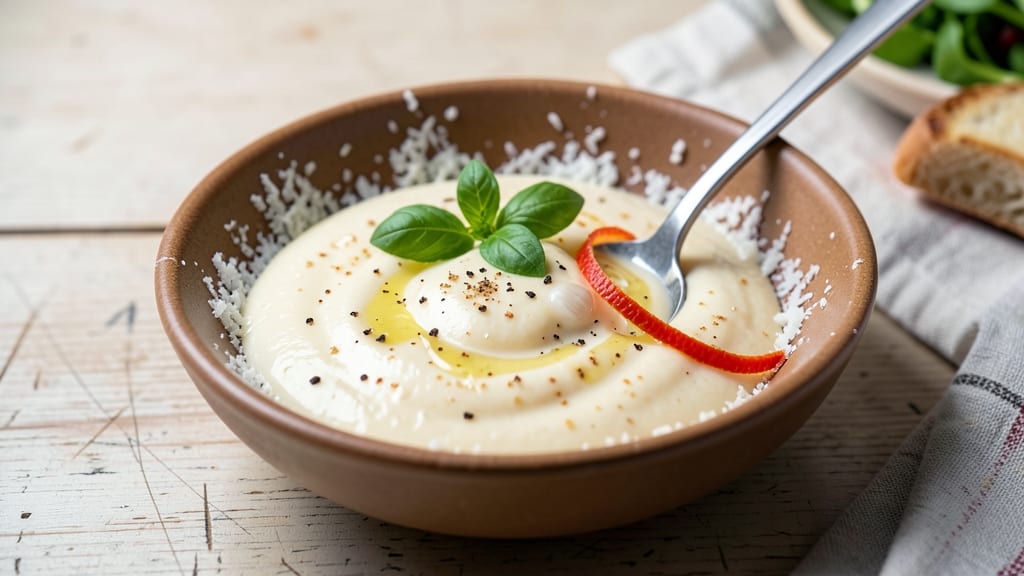
This alfredo sauce recipe for one delivers restaurant-style creaminess in minutes, with no lumps and no leftovers. The secret lies in tempering the cheese properly—a technique that transforms powdery Parmesan into a velvety, golden sauce.
I've perfected this single-serving version after years of testing, ensuring every spoonful is rich, smooth, and perfectly balanced.
What sets this recipe apart is the foolproof method that eliminates common pitfalls like clumping or breaking. By whisking the cheese into warm cream and butter gradually, you create a sauce that's luxuriously thick yet silky smooth.
The result? A sauce so good, you'll want to drizzle it over everything from fettuccine to grilled chicken.
Ready in just 5 minutes, this sauce requires only 5 simple ingredients—butter, heavy cream, Parmesan, garlic, and a touch of lemon juice for brightness. The garlic infuses subtle depth, while the lemon prevents the sauce from becoming too heavy.
Every element works together to create a sauce that's both indulgent and refined.
Perfect for a quick weeknight dinner or a special treat, this single-serving alfredo sauce is versatile enough to elevate any dish. Whether you're topping pasta, coating vegetables, or drizzling over seafood, the creamy, cheesy goodness will leave you craving more. Let's make it—your taste buds will thank you.
Ingredients for alfredo sauce recipe for one
Five ingredients, one perfect single-serving alfredo—no clumps, no stress, just velvety perfection.
| Ingredient | Amount | Notes |
|---|---|---|
| Unsalted Butter 🧈 | 2 tbsp | Cold, cubed for gradual melting |
| Heavy Whipping Cream 🥛 | ¼ cup | Full-fat for optimal richness |
| Freshly Grated Parmesan Cheese 🧀 | ½ cup | Finely grated from block |
| Garlic Cloves 🧄 | 1 whole | Minced for subtle depth |
| Fresh Lemon Juice 🍋 | ½ tsp | Brightens the sauce |
| Diamond Crystal Kosher Salt 🧂 | ¼ tsp | Adjusts seasoning perfectly |
| Freshly Ground Black Pepper 🌶️ | ⅛ tsp | Enhances flavor complexity |
The Parmesan is non-negotiable here. Freshly grated from a block is the only way—pre-shredded gets clumpy and lacks that nutty depth. I always grab Parmigiano-Reggiano from the deli counter (the wedge keeps for weeks if wrapped properly). For the butter, unsalted is key—you're controlling the salt with the kosher variety. Heavy cream is a must; half-and-half won't give you that luxurious texture. And that garlic? One whole clove is perfect—don't overdo it or you'll taste the raw bite.
No heavy cream? Full-fat coconut milk works in a pinch (though it'll taste slightly tropical), and half-and-half can stretch it out if you're desperate. Short on Parmesan? Pecorino Romano has a sharper edge that pairs beautifully. The lemon juice is your secret weapon—skip it and you'll get that overly rich, heavy feeling. For the garlic, if you hate chopping, one teaspoon of garlic powder works but lacks freshness. And if you're watching calories, light cream cheese can replace half the butter (though purists will scoff).
This sauce is best made fresh, but it keeps beautifully in the fridge for 3 days if stored in an airtight container with a thin layer of plastic wrap pressed directly on the surface. For longer storage, freeze it in 1-tablespoon portions—just thaw in the microwave with a splash of water to restore creaminess. Reheat gently over low heat, stirring constantly. Pro tip: Drizzle it over hot pasta right when it's done cooking—no waiting, no sad cold sauce.
Why You'll Love This Recipe
- Five-Ingredient Magic: I swear by this list—just butter, cream, Parmesan, garlic, and a squeeze of lemon. That’s it. No hidden spices, no complicated ratios, just pure, velvety flavor with zero fuss.
- Garlic-Kissed Creaminess: The moment that minced garlic hits the butter? Instant aroma explosion. Then the cream thickens, the Parmesan melts into a nutty blanket, and the lemon brightens it all—rich but never heavy, like a hug in sauce form.
- Date-Night Ready: Slap this on fettuccine for a restaurant-worthy dinner in 15 minutes. Or drizzle it over grilled chicken or roasted veggies when your partner walks in the door. It’s the kind of sauce that makes you look like a pro without trying.
- Leftovers That Lie: Between us, this sauce tastes better the next day. Store it in the fridge, and the flavors deepen—perfect for quick lunches or tossing with cold pasta. I’ve even frozen portions for lazy Mondays. (Yes, even on a Monday.)
Step-by-step instructions for single-serving Alfredo sauce
This method ensures velvety, lump-free perfection every time—no clumps, no stress.
Melt Butter and Infuse with Garlic
Place a small saucepan over medium-low heat and add the 2 tablespoons unsalted butter. Let it melt completely, then reduce heat to low to prevent browning. Add the 1 minced garlic clove and cook for 30 seconds until fragrant—you should smell the garlic but not see any color change.
Here's the thing—cooking garlic too long turns it bitter. Watch it closely and remove it immediately when you catch that aromatic whiff. This subtle garlic infusion forms the flavor base without overpowering the rich cream and cheese to come.
Gradually Warm the Cream
Pour in the ¼ cup heavy whipping cream and stir gently to combine with the melted butter. Increase heat to medium-low and let the mixture warm through for 2-3 minutes. You're looking for the cream to reach 160°F—just warm enough to melt the cheese smoothly without curdling.
This gradual warming is crucial. Adding cold cream to hot cheese causes lumps, and cold cheese in hot cream doesn't melt properly. Keeping everything at this gentle simmer ensures a silky texture from the start.
Incorporate Cheese and Season
Reduce the heat to lowest setting and begin adding the ½ cup freshly grated Parmesan cheese in small batches. Stir constantly with a silicone spatula, waiting 30 seconds between each addition to let the cheese melt completely into the warm cream mixture.
This is where most homemade Alfredo sauces go wrong—adding all the cheese at once creates clumps. The key is patience. You'll see the cheese disappear gradually, creating a glossy, velvety texture. If you notice any small lumps, immediately whisk them away with a few strokes.
Finish with Acid and Seasoning
Remove the sauce from heat and stir in the ½ teaspoon fresh lemon juice, ¼ teaspoon Diamond Crystal kosher salt, and ⅛ teaspoon freshly ground black pepper. The lemon juice brightens the rich flavors while preventing the sauce from becoming too heavy.
Taste and adjust seasoning if needed—this is your chance to perfect the balance. The sauce should be rich, slightly tangy, and perfectly seasoned. If you're using this for pasta, you can add it directly to your cooked noodles or drizzle it generously over your finished dish.
Keep Warm Until Serving
If you're not using the sauce immediately, transfer it to a small heatproof bowl and place it over a pot of barely simmering water (bain-marie) for no more than 10 minutes. This gentle heat keeps the sauce warm without risking curdling.
Alfredo sauce is best served immediately, but if you need to hold it, this method preserves its creamy texture. For the absolute best results, use it right away—hot, creamy pasta deserves to be eaten fresh from the pan.
Pro Tips For Making Alfredo Sauce Recipe For One
- Infuse the Garlic: Mince the garlic very finely—almost like a paste—and let it sit in the butter for 30 seconds before adding cream. This pulls out the flavor without burning it (yes, even if you're impatient like me). I used to skip this, and the garlic tasted raw and sharp.
- Grate the Parmesan Fresh: Skip the pre-grated cheese—it’s full of anti-caking agents that make the sauce grainy. Use a microplane or fine grater and zest the rind too for extra depth. I learned this the hard way after a sauce that looked perfect but tasted flat.
- Whisk the Cream Slowly: Warm the heavy cream gently over low heat, whisking constantly until it just starts to simmer—no boiling. Adding cold cream too fast will make the sauce split (and nobody wants curdled Alfredo). Start hot, finish low.
- Finish with Lemon Zest: Add a pinch of lemon zest (not just juice) at the end—it brightens the richness without overpowering. I was skeptical until I tried it; now I can’t imagine Alfredo without it. Store the zest in the freezer in a jar for quick access.
Regional styles of this recipe
Classic Italian Roots
Alfredo sauce originated in Rome in the early 20th century at Ristorante Alfredo alla Scrofa, where chef Alfredo di Lelio created it for his daughter. The original version used butter, cream, and Parmesan—just like this recipe—served over fettuccine.
What makes it Italian is the freshly grated Parmigiano-Reggiano and the delicate balance of richness with a touch of acidity from lemon.
In Italy, they call it "fettuccine al burro" (butter fettuccine) because the sauce is more about the butter than the cream. But the American version embraced the cream for extra decadence. I love how this single-serving recipe stays true to the Italian spirit while adapting for modern tastes. 🇮🇹
Northern Italian Twist
In Emilia-Romagna, home of Parmigiano-Reggiano, they often enrich Alfredo with a splash of white wine or a pinch of nutmeg for warmth.
For this recipe, I kept it simple, but if you want to add an Italian flair, swap the lemon juice for ½ teaspoon white wine and finish with a pinch of freshly grated nutmeg. The nutmeg adds a subtle earthiness that pairs beautifully with the creamy sauce.
Another Northern Italian touch? Adding a splash of pasta water (about 1 tablespoon) to the sauce just before serving. This helps emulsify the sauce and makes it cling better to the pasta—just like they do in Bologna. It’s a pro trick that keeps the sauce silky smooth. 🌿
American Diner Adaptation
American diners take Alfredo sauce to the next level by adding heavy cream and sometimes even a splash of milk to lighten the richness. In diner-style recipes, you’ll often find extra garlic or even a dash of hot sauce for a spicy kick.
For this single-serving version, I kept it classic, but if you’re craving that diner vibe, add ½ teaspoon hot sauce or a pinch of red pepper flakes at the end.
Diner chefs also love to stretch the sauce by adding a little cornstarch slurry (1 tsp cornstarch + 1 tbsp water) to thicken it up. This works great if you’re making a larger batch, but for this single-serving recipe, the natural creaminess is perfect as-is.
The diner version is all about bold, comforting flavors—just like a late-night slice of cheesy fettuccine. 🍽️
Modern Fusion Takes
Today’s chefs are putting their own spin on Alfredo sauce. In California, you’ll find versions with avocado or lime juice for a fresher twist. For a single-serving fusion, try adding ½ tablespoon avocado puree and ¼ teaspoon lime zest to the finished sauce.
The avocado adds a creamy, slightly sweet note that balances the richness beautifully.
Another fun fusion? Alfredo with a touch of Asian flair—add ½ teaspoon soy sauce or a pinch of sesame oil at the end. The umami from the soy sauce and the nutty depth of sesame oil create a surprising but delicious contrast.
It’s a great way to elevate your sauce for stir-fries or grilled meats. 🌶️
Nutrition facts
Frequently asked questions
Can I make this sauce without heavy cream?
Yes! For a lighter version, substitute ¼ cup whole milk or ½ cup half-and-half, though the texture will be slightly thinner. For a dairy-free option, use ¼ cup full-fat coconut milk (the sauce will have a mild coconut flavor) or a mix of ¼ cup cashew cream (blended soaked cashews with water) and 1 tablespoon nutritional yeast for cheesy depth. The key is keeping everything warm to prevent separation.
Why did my sauce get clumpy?
Clumps happen when cheese is added too quickly to cold cream or when heat is too high. To fix it, immediately whisk vigorously with a fork or silicone spatula, then strain the sauce through a fine-mesh sieve if needed. For prevention:
- Warm the cream first,
- Add cheese gradually, and
- Keep heat low. If clumps persist, try whisking in 1 teaspoon cornstarch mixed with 1 tablespoon cold water to help emulsify.
How can I use this sauce beyond pasta?
This creamy sauce is incredibly versatile! Drizzle it over grilled chicken, baked potatoes, or steamed vegetables like broccoli or green beans. Use it as a dip for garlic bread or crudité, or toss it with sautéed shrimp for a quick seafood dish. For a hearty meal, spread it on toasted baguette slices with a sprinkle of black pepper and fresh herbs. The possibilities are endless—just keep it warm until serving.
Can I make this sauce ahead of time?
Yes, but with precautions. Store it in an airtight container in the fridge for up to 3 days, pressing plastic wrap directly on the surface to prevent a skin from forming. For longer storage, freeze in 1-tablespoon portions—thaw in the fridge overnight, then reheat gently over low heat with a splash of heavy cream or whole milk to restore creaminess. Never microwave directly from frozen, as this causes separation.
What's the secret to making it extra creamy?
The secret lies in temperature control and fat content. Use cold butter (not melted) and let it melt slowly into warm (not boiling) cream. For extra richness, whisk in 1 teaspoon whipped cream at the end, or replace 1 tablespoon of cream with 1 tablespoon crème fraîche. Another pro trick: Add ½ teaspoon Dijon mustard when incorporating the cheese—it helps emulsify for a silkier texture. The result? A sauce so luxurious it'll taste restaurant-quality!