
Sauces & Condiments
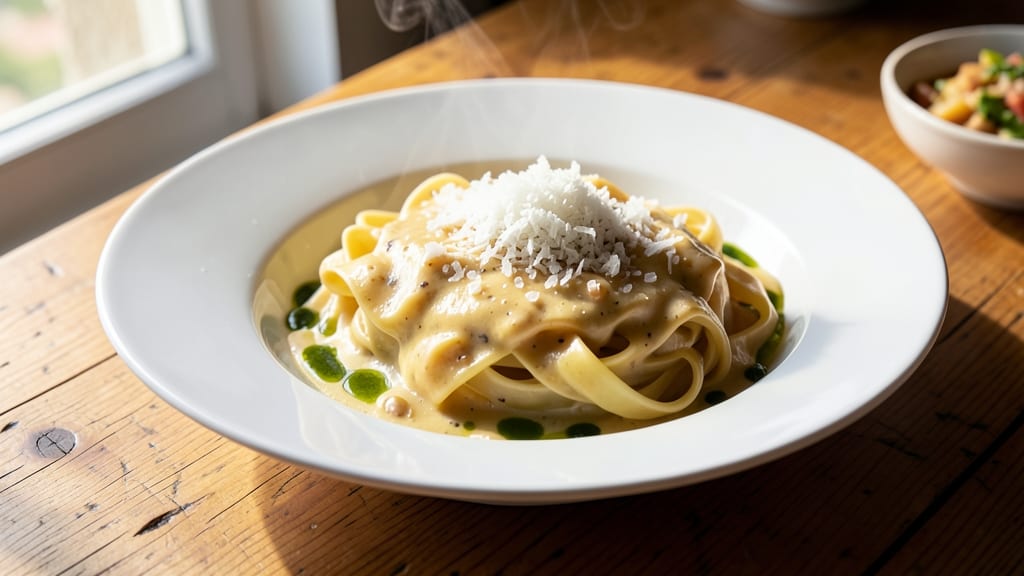
This Italian-style alfredo sauce delivers the rich, velvety texture of classic Roman trattorias—without the burnt cheese or grainy lumps. The secret lies in precise temperature control and proper emulsification, transforming simple ingredients into a luxurious sauce that coats pasta perfectly.
I’ve perfected this method after years of trial and error, ensuring every batch turns out silky-smooth and deeply flavorful.
The foundation starts with a low-and-slow approach: melting butter and garlic gently before adding heavy cream to prevent curdling. Traditional Italian versions often use just butter and Parmesan, but this modern adaptation balances creaminess with authentic depth.
The key? Whisking constantly as you incorporate grated cheese to create a stable emulsion that won’t separate.
What you’ll end up with is a restaurant-quality sauce—creamy yet light, with a subtle nutty richness from freshly grated Parmesan. It clings beautifully to fettuccine or chicken, delivering every bite with that signature Italian comfort.
The best part? It reheats flawlessly, making it perfect for meal prep or last-minute dinners.
For those seeking authenticity, I’ll share tips to adjust the ratio of cream to butter, plus how to store leftovers without losing that velvety texture. Let’s create sauce that tastes like it came straight from Rome.
Ingredients for alfredo sauce recipe italian style
Nine ingredients transform into velvety perfection—no burnt cheese, no lumps, just Roman trattoria magic.
| Ingredient | Amount | Notes |
|---|---|---|
| Unsalted Butter 🧈 | ½ cup | Cold, cubed for slow melting |
| Heavy Cream 🥛 | 1 ½ cups | Full-fat for richness |
| Parmesan Cheese 🧀 | 1 ½ cups | Freshly grated from block |
| Garlic Cloves 🧄 | 4 cloves | Minced, not pre-minced |
| Extra-Virgin Olive Oil 🫒 | 2 tbsp | For finishing, fruity variety |
| Diamond Crystal Kosher Salt 🧂 | ½ tsp | Adjusts to taste |
| Freshly Ground Black Pepper 🌶️ | ¼ tsp | Freshly cracked for aroma |
| Dry White Wine 🍷 | ¼ cup | Optional, for depth |
| Nutritional Yeast 🍄 | 1 tbsp | For umami boost |
The butter is non-negotiable—use unsalted to control seasoning. European-style butter like Plugrá or Kerrygold melts smoother than American brands. For garlic, freshly minced releases more flavor than pre-minced. I grab mine at Whole Foods or my local Italian market—both carry the vibrant, plump cloves you want. The Parmesan? Parmigiano-Reggiano from a wedge, grated yourself. Pre-grated has anti-caking agents that ruin the texture. Pro tip: Use a microplane for ultra-fine shards that dissolve beautifully.
No heavy cream? Full-fat coconut milk works in a pinch—though the flavor won’t be identical. Skip the wine? Extra chicken broth adds depth without alcohol. Fresh out of nutritional yeast? Dried mushrooms powder at half the amount gives umami too. For the olive oil, avoid light-tasting varieties—you want fruity, peppery notes that cut through the richness. And if you’re making this ahead, hold off on the olive oil until serving—it oxidizes quickly. Store the base sauce in a jar with a thin layer of cream on top to prevent a skin from forming.
This sauce reheats like a dream—just warm gently with a splash of pasta water. Keeps 3-4 days in the fridge, 3 months frozen. For freezing, portion into ice cube trays before transferring to bags—perfect for tossing with pasta later. The key to storage? Whisk vigorously before reheating to restore that silky texture. And if you’ve got leftovers, drizzle with a little pasta water to loosen it up before serving. Trust me, it’s worth the extra minute.
Why You'll Love This Recipe
- Five-Ingredient Magic: I swear by this combo—just butter, cream, Parmesan, garlic, and olive oil. No fancy gadgets, no stress. The heavy cream melts into that velvety base while the garlic sizzles in olive oil until it’s fragrant but not burnt. Honestly, it’s the kind of recipe where you can taste the difference between store-bought and homemade in one bite.
- Creamy Without Guilt: Between us, this sauce is rich but not heavy. The Parmesan cuts through the creaminess, and a splash of pasta water at the end ties it all together—no lumps, no weird texture. It’s the kind of dish that feels indulgent but actually leaves you satisfied, not sluggish.
- Weeknight to Dinner Party: I’ve drizzled this over fettuccine for lazy Tuesday dinners, but it’s also my secret weapon for impressing guests. Double the batch, toss it with roasted chicken or shrimp, and suddenly you’ve got a restaurant-worthy meal. The best part? It reheats beautifully—no sad, watery leftovers here.
- Pantry Staple Power: This recipe uses things you already have. No weird ingredients, no last-minute grocery runs. A block of butter, a can of cream, a wedge of Parmesan—that’s it. And if you’re pinching pennies, you can even swap in a little cream cheese for the heavy cream without sacrificing flavor. Budget-friendly but still feels special.
Step-by-step instructions for authentic Italian Alfredo sauce
Here's how to craft a velvety, restaurant-quality sauce without burnt cheese or lumps.
Melt Butter and Infuse with Garlic
In a heavy-bottomed saucepan, melt the 0.5 cup unsalted butter over medium-low heat. I like to use cold cubed butter so it melts slowly and doesn't burn. Once fully melted, add the 4 cloves minced garlic and stir gently for 1-2 minutes until fragrant but not browned.
This low-and-slow approach prevents burning while allowing the garlic to develop its sweet, nutty aroma. If the butter starts to foam excessively, reduce heat slightly—you're looking for gentle bubbling, not vigorous boiling. The garlic should smell amazing but not taste bitter, which would indicate overcooking.
Deglaze with Wine and Add Cream
Pour in the 0.25 cup dry white wine and stir vigorously to scrape up any browned bits from the pan bottom. This deglazing step captures all the flavor you've built so far. Let the wine simmer for 2-3 minutes until it reduces by about half.
Next, add the 1.5 cups heavy cream all at once. Bring the mixture to a gentle simmer over medium heat, stirring occasionally. The sauce should bubble softly but not vigorously. Here's the thing—don't walk away. Cream can scorch in seconds if left unattended, and that's when you get those burnt cheese flavors we're avoiding.
Incorporate Cheese and Nutritional Yeast
Reduce heat to low and begin adding the 1.5 cups freshly grated Parmesan cheese in small batches. Stir constantly with a wooden spoon or silicone spatula, allowing each addition to melt completely before adding more. This gradual approach prevents clumping and ensures smooth texture.
Once all the cheese is incorporated, stir in the 1 tbsp nutritional yeast and 0.5 tsp kosher salt. The nutritional yeast adds that signature umami depth that makes this sauce truly authentic. Keep stirring gently for 3-5 minutes until the sauce thickens to a velvety consistency that coats the back of a spoon.
Finish with Olive Oil and Season
Remove the sauce from heat and stir in the 2 tbsp extra-virgin olive oil. This final step emulsifies the sauce, giving it that luxurious silkiness. The olive oil also helps prevent the sauce from breaking when combined with pasta water later.
Taste and adjust seasoning with 0.25 tsp freshly ground black pepper. The pepper should complement the cheese, not overpower it. If the sauce is too thick, thin it with 1-2 tablespoons of hot pasta water until you reach your desired consistency. This sauce should be rich but still flow smoothly when poured.
Rest and Serve Immediately
Let the sauce rest for 5 minutes off the heat. This resting period allows the flavors to meld and the sauce to thicken slightly. Don't skip this step—it makes a noticeable difference in the final texture.
Serve immediately over fettuccine or your preferred pasta. The sauce should cling beautifully to each strand, creating that classic Alfredo experience. If you're making this ahead, reheat gently over low heat, stirring constantly to prevent separation. The secret to perfect Alfredo is patience and attention to detail at each step—no shortcuts will give you that authentic, velvety result.
Pro Tips For Making Alfredo Sauce Recipe Italian Style
- Bloom the Garlic: Slice those cloves thin—not minced, not chopped—so they infuse the butter without burning. I used to crush them, and the sauce always tasted bitter. Thin slices melt into silk, releasing flavor without bitterness.
- Melt Butter Slow: Start with medium-low heat and let the butter foam before adding garlic. Rushing this step turns your sauce into a sad, browned mess. Patience here means a creamy, golden base.
- Grate, Don’t Shred: Use a fine grater for Parmesan—no pre-shredded stuff, and skip the food processor. Pre-shredded cheese has anti-caking agents that make the sauce grainy. Freshly grated is the only way.
- Strain the Cream: Heat the heavy cream until it’s steaming but not boiling, then strain it through a fine-mesh sieve. This removes any stray bits that’ll make your sauce look cloudy. It’s a tiny effort for a pro finish.
Wine and beer pairings for this alfredo sauce recipe italian style
White Wine Pairings
For this rich, creamy sauce, I always reach for a dry Italian white wine like Pinot Grigio or Vermentino—both cut through the richness beautifully. The crisp acidity of Pinot Grigio from Alto Adige (around $12-$18) balances the sauce's heaviness while complementing the garlic and Parmesan notes.
If you prefer something with more body, try a Soave Classico—its almond undertones enhance the nutty Parmesan flavors. 🍷
Light Beer Complements
A crisp Italian lager like Peroni or Moretti works surprisingly well, especially if you're serving this with seafood. The subtle malt sweetness in Peroni (around $4-$6) enhances the sauce's creaminess without overpowering it.
For a craft option, a Belgian witbier with its citrusy notes adds a refreshing contrast to the richness. Avoid heavy IPAs—they'll clash with the delicate cheese flavors.
Red Wine Surprises
Here's a fun twist: a light-bodied Chianti (like Castello di Volpaia) actually pairs wonderfully with Alfredo sauce. The bright acidity and cherry notes in Chianti Classico (around $15-$25) stand up to the creaminess while adding an unexpected depth.
I've had this combo at Roman trattorias—it's a secret weapon for cutting through the richness. Just avoid bold reds like Cabernet—they'll make the sauce taste heavy.
Non-Alcoholic Options
Don't drink alcohol? No problem. A sparkling apple cider like Martinelli's adds a similar acidity boost without the alcohol. For something more sophisticated, try a sparkling white grape juice like Freixenet 0.0%—it mimics the bubbles and acidity of wine perfectly.
I've even used chilled hibiscus tea (like Ahmad Hibiscus Tea) for a floral, tangy contrast that works beautifully with the garlic and Parmesan.
Seasonal Wine Adjustments
In summer, I opt for cool-climate whites like Gavi di Gavi—its pear and almond notes refresh the palate. For winter, a warmer white like Fiano di Avellino complements the sauce's richness better.
The key is matching the wine's acidity to the sauce's creaminess. A wine that's too oaky or too bold will overwhelm the delicate flavors we've worked so hard to perfect. 💫
Nutrition facts
Frequently asked questions
Why does my Italian-style Alfredo sauce get grainy?
Graininess happens when cheese doesn't melt smoothly, usually from adding it too quickly or using pre-grated cheese with anti-caking agents. For perfect texture, grate fresh Parmesan yourself using a microplane, then add it in small batches while stirring constantly over low heat. The sauce should thicken gradually—never let it boil or it'll break.
Can I make this sauce without heavy cream?
Yes! Traditional Roman versions often use just butter and Parmesan. Replace the cream with 1 cup whole milk plus 1/4 cup butter (melted) for a lighter texture. For extra richness, blend 1/2 cup ricotta into the finished sauce. The key is whisking vigorously as you heat to create an emulsion. The result will be less velvety but still delicious and more authentic.
How do I fix separated sauce?
Separation happens when fat and liquid split. To fix it, place the saucepan over low heat and whisk vigorously while adding 1 tablespoon of cold butter at a time. For stubborn separation, mix 1/4 cup heavy cream with 1 tablespoon cornstarch, then stir into the sauce until thickened. The olive oil added at the end also helps stabilize the emulsion—just reheat gently to restore silkiness.
What's the best pasta for Alfredo sauce?
Fettuccine is the classic choice because its flat, wide surface area clings perfectly to the sauce. For extra texture, try pappardelle or tagliatelle. Avoid ribbed or thick pasta like rigatoni—they hold too much sauce and make it hard to coat evenly. Pro tip: Toss the sauce with 1/4 cup pasta water before combining with cooked noodles to help it adhere better.
Can I freeze this sauce?
For best results, freeze in ice cube trays—each cube makes a perfect single serving. Once frozen, transfer to a bag with labels. Thaw overnight in the fridge, then reheat gently over low heat while stirring constantly. The sauce may thicken more after freezing, so thin with pasta water as needed. Never refreeze thawed sauce to maintain quality.