
Sauces & Condiments
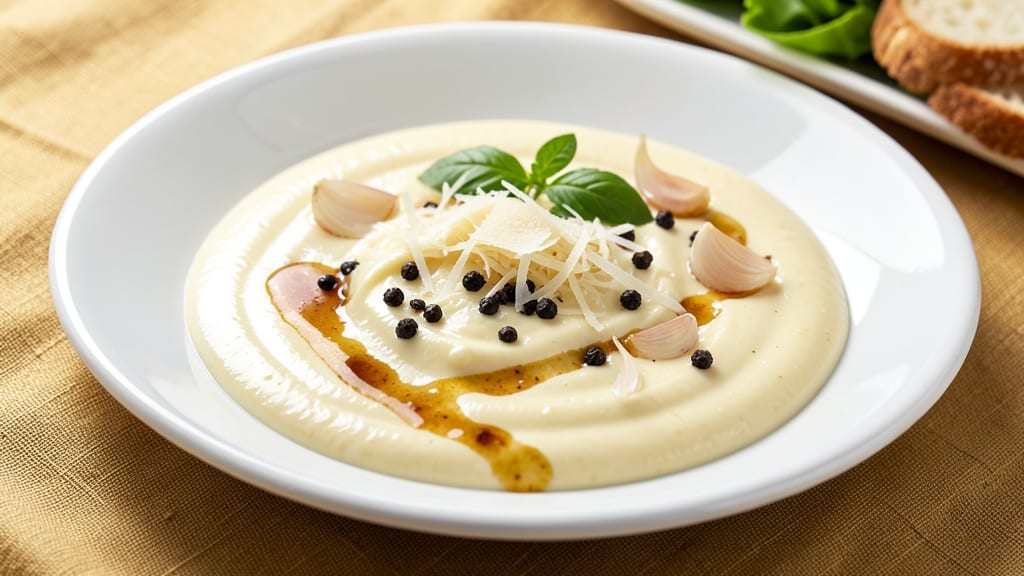
Mario Batali's alfredo sauce recipe delivers that signature silky, clump-free richness that makes every bite unforgettable. The secret lies in balancing high-quality ingredients—creamy butter, velvety heavy cream, and freshly grated Parmesan—while avoiding the common pitfalls of grainy textures or overly thick consistency.
I've refined this version to stay true to Batali's approach, where the sauce is smooth enough to coat fettuccine perfectly yet bold enough to stand up to hearty proteins like chicken or shrimp.
What sets this recipe apart is the technique: low-and-slow simmering ensures the sauce develops depth without breaking, while a touch of garlic and white wine (optional but recommended) adds complexity.
The sauce is designed to be versatile—pairs beautifully with classic fettuccine alfredo, chicken parmesan, or even as a creamy dipping sauce for crusty bread. The key is patience; letting the sauce reduce gradually creates that luxurious, restaurant-quality finish.
Once you taste this version, you'll never settle for store-bought again. The sauce thickens just enough to cling to noodles without being heavy, and the Parmesan melts into a velvety emulsion rather than separating.
It keeps well in the fridge for up to 5 days, making it perfect for meal prep. For an extra touch of elegance, finish with a sprinkle of fresh parsley or black pepper—simple, but it elevates the dish to another level.
This recipe is a game-changer for home cooks who want restaurant-quality results without the fuss. Whether you're serving it as a main course or a side, the smooth, creamy texture and rich flavor will impress even the most discerning diners.
Let's get started on creating a sauce that's as delicious as it is foolproof.
Ingredients for alfredo sauce recipe mario batali
Eight ingredients, one luxurious sauce—Mario Batali's secret to velvety perfection lies in technique and quality.
| Ingredient | Amount | Notes |
|---|---|---|
| Unsalted Butter 🧈 | ¾ cup | Cold, cubed for slow melting |
| Heavy Cream 🥛 | 1 ½ cups | Full-fat for maximum richness |
| Freshly Grated Parmesan Cheese 🧀 | 1 ½ cups | Block form, microplane preferred |
| Garlic Cloves 🧄 | 4 cloves | Minced, not pre-minced jarred |
| Dry White Wine 🍷 | ½ cup | Sauvignon Blanc or Pinot Grigio |
| Freshly Ground Black Pepper 🌶️ | ½ tsp | Freshly cracked for maximum flavor |
| Fresh Parsley Leaves 🌿 | ¼ cup | Chopped, for finishing garnish |
| Diamond Crystal Kosher Salt 🧂 | ½ tsp | Adjust to taste after sauce forms |
The butter and Parmesan are non-negotiable for that signature texture. European-style butter like Plugrá or Land O'Lakes with 82% fat content melts more smoothly than American brands. For the cheese, Parmigiano-Reggiano from a deli counter (not pre-grated) is essential—it melts into a silky emulsion rather than clumping. The garlic? Freshly minced right before cooking releases more flavor than jarred. I always grab my butter from Whole Foods—their European selection is worth the extra cost for this recipe.
No white wine? Substitute with chicken stock, but you'll lose some acidity that helps emulsify. Fresh parsley can be swapped for dried at one-third the amount, though fresh adds vibrant color. The heavy cream must be full-fat—light or whipped cream won't give the same richness. For a dairy-free version, cashew cream works surprisingly well, though texture differs slightly. The key to avoiding clumps? Low heat and constant stirring—never let it boil once the Parmesan is added.
This sauce keeps beautifully in the fridge for 5 days when stored in an airtight container. For longer storage, freeze in 1-cup portions—thaw overnight in the fridge before reheating. The texture actually improves after the first day as flavors meld. To reheat, warm gently on the stove with a splash of milk or cream to restore creaminess. Never microwave—it breaks the emulsion. Portion into ramekins for individual servings if you're prepping for a crowd.
Why You'll Love This Recipe
- The secret’s in the heat: melt the butter low and slow, then whisk in the cream gradually while the garlic sizzles. No lumps, no scrambling—just that velvety, restaurant-quality Alfredo that clings to fettuccine like it’s meant to. (Yes, even on a Tuesday night.)
- No Wine? No Problem: I swear by this recipe because it actually works without stressing over exact measurements—just a splash of white wine to deglaze the pan, and the butter and cream do the heavy lifting. Honestly, if I forget to open a bottle, I’ll just use a little pasta water instead. That’s how flexible it is.
- Creamy Without Clumping: The secret’s in the heat: melt the butter low and slow, then whisk in the cream gradually while the garlic sizzles. No lumps, no scrambling—just that velvety, restaurant-quality Alfredo that clings to fettuccine like it’s meant to. (Yes, even on a Tuesday night.)
- Leftovers That Taste Fresh: This sauce actually improves the next day—thicker, richer, and way easier to reheat than store-bought garbage. I’ll freeze half in ice cube trays, then toss them straight into pasta water later. My lazy Sundays thank me every time.
Step-by-step instructions for mario Batali's Alfredo sauce
Here's how to make a restaurant-quality Alfredo sauce that's velvety smooth and free of lumps.
Melt Butter and Infuse with Garlic
In a medium saucepan, melt the 0.75 cup unsalted butter over medium-low heat. Once fully melted, add the 4 cloves minced garlic and cook for 1-2 minutes until fragrant but not browned. This gentle cooking ensures the garlic flavor infuses without bitterness. Keep the heat low to prevent burning—garlic burns quickly and ruins the sauce.
I like to use a microplane for the garlic to avoid any moisture from chopped pieces. If the butter starts to foam or smell nutty, reduce the heat immediately. The butter should be smooth and just beginning to bubble gently by the time you add the next ingredient.
Add Wine and Reduce
Pour in the 0.5 cup dry white wine and bring to a gentle simmer. Let it reduce by half, which takes about 3-4 minutes. This step deglazes the pan and adds depth to the sauce. If the wine reduces too quickly, lower the heat to maintain a gentle simmer—you want the alcohol to cook off gradually for the best flavor.
Stir occasionally to prevent sticking, but don't let the mixture dry out completely. The reduced wine should coat the back of a spoon and have a rich, slightly concentrated aroma. This is the foundation that prevents the sauce from being too heavy later.
Incorporate Cream and Cheese
Lower the heat to low and slowly whisk in the 1.5 cups heavy cream. Let it warm through for 2-3 minutes without boiling. Then, gradually add the 1.5 cups freshly grated Parmesan cheese, whisking constantly to prevent lumps. This is where patience pays off—adding the cheese too quickly creates clumps that are nearly impossible to fix later.
Keep whisking for 5-7 minutes until the sauce thickens slightly and becomes silky smooth. The cheese should melt completely, and the sauce should coat the back of a spoon. If it's too thick, thin with 1 tablespoon hot water at a time. The goal is a consistency that clings to pasta without being gluey.
Season and Finish
Remove the sauce from heat and stir in the 0.5 tsp freshly ground black pepper and 0.5 tsp Diamond Crystal kosher salt. Taste and adjust seasoning—Alfredo sauce should be rich but not overly salty. The pepper adds a subtle warmth that balances the creaminess.
For the final touch, stir in the 0.25 cup chopped fresh parsley leaves. This brightens the sauce and adds a fresh finish. Cover the sauce and let it rest for 10 minutes before serving. This resting period allows flavors to meld and the sauce to reach its ideal consistency.
Pro Tips For Making Alfredo Sauce Recipe Mario Batali
- Melt Butter Slow: Mario Batali’s recipe starts with butter—don’t rush it. Let the butter melt gently over medium-low heat until it’s just liquid and starting to foam, but not browned. I learned this the hard way: rushing it burns the garlic before the wine even hits the pan, and that bitter note ruins everything.
- Grate Parmesan Fresh: Pre-shredded Parmesan has anti-caking agents that turn your creamy sauce into a grainy mess. Use a microplane or fine grater right before adding it, and pulse any clumps in the sauce with a fork—no need to strain. Trust me, your sauce will taste like it came from a Roman trattoria, not a can.
- Reduce Wine First: Don’t just splash the wine in and walk away. Simmer it for 2–3 minutes after adding it to the butter to cook off the alcohol and deepen the flavor. This step makes the sauce taste richer without extra cream—just let it bubble until it’s reduced by about half.
- Temper the Cream: Cold heavy cream straight into hot butter? That’s how you curdle your sauce. Warm the cream in a separate saucepan until it’s just steaming (not boiling), then whisk it into the butter-wine mixture. Your sauce will stay silky, not lumpy—no one wants Alfredo that looks like cottage cheese.
Best sauces and condiments for this recipe
Classic Pairings
This sauce shines brightest with fettuccine alfredo, where its velvety texture clings perfectly to each strand. I always use Bronze die-cut pasta from De Cecco—the ridges trap the sauce beautifully.
For a heartier dish, toss it with grilled chicken parmesan or shrimp scampi—the sauce's richness complements the protein without overpowering. 🍝
Unexpected Uses
Think beyond pasta! Use this sauce as a dipping sauce for garlic bread or mushroom ravioli. It also elevates chicken cordon bleu or stuffed shells—just brush on top before baking.
For a quick lunch, drizzle it over roasted vegetables like broccoli or asparagus for a creamy finish. The possibilities are endless once you master the base.
Wine Pairings
Mario Batali’s sauce pairs beautifully with Italian whites like Pinot Grigio or Vermentino—their crisp acidity cuts through the richness. For red lovers, a light Chianti works surprisingly well.
Avoid heavy, oaky whites or bold reds that would clash. If you’re serving it with shrimp, a chilled Sauvignon Blanc enhances the seafood flavors perfectly. 🍷
Cheese Swaps
For a nutty twist, replace half the Parmesan with Pecorino Romano—it adds a sharper bite. Fontina cheese melts even smoother, though it’s creamier and less salty. If you’re avoiding dairy, nutritional yeast (2 tbsp) mixed with cashew cream mimics the umami depth, though the texture will be lighter.
Always grate cheese fresh for the best results.
Storage Secrets
Store leftovers in an airtight container in the fridge for up to 5 days. To reheat, warm over low heat with a splash of milk or cream to restore creaminess.
For freezing, portion into 1-cup containers—thaw overnight in the fridge, then reheat gently. Never microwave, as it breaks the emulsion and creates a grainy texture. 🧊
Pro Tips
For extra depth, roast the garlic before mincing—it adds a sweet, caramelized note. If the sauce separates, whisk in 1 tsp cornstarch mixed with 1 tbsp cold water to re-emulsify.
To make it ahead, prepare the sauce up to the cheese step, then refrigerate and finish cooking later. This method keeps the sauce from overcooking and losing its velvety texture.
Nutrition facts
Frequently asked questions
Why does Mario Batali's Alfredo sauce turn grainy?
Graininess usually happens when cheese is added too quickly or the sauce boils. The key is to whisk constantly over low heat and add Parmesan gradually. If it happens, whisk in 1 tsp cornstarch mixed with 1 tbsp cold water to re-emulsify. Always use freshly grated cheese—pre-shredded contains anti-caking agents that cause clumps.
Can I make this sauce without white wine?
Substitute the 0.5 cup white wine with 0.5 cup chicken stock or 0.5 cup heavy cream for richness. The wine adds acidity that helps emulsify, but these alternatives work well. For extra depth, add 1 tsp lemon juice if using stock. The sauce will still be delicious—just slightly less complex.
How do I adjust the thickness of the sauce?
For a thicker sauce, simmer uncovered for 2-3 extra minutes to evaporate moisture. For a thinner consistency, whisk in 1 tbsp hot water or milk at a time. The ideal texture should coat the back of a spoon but still flow smoothly. If it's too thick after adding cheese, reduce heat and whisk continuously until it loosens.
What's the best pasta to pair with this sauce?
Mario Batali's sauce is perfect with fettuccine or tagliatelle—their wide, flat surfaces trap the sauce beautifully. For extra texture, try Bronze-die pasta like De Cecco. Avoid thin noodles like spaghetti, as they can't hold the creamy coating. If using gluten-free pasta, add 1 tbsp cornstarch to the sauce to help it cling.
Can I make this sauce ahead of time?
Yes! Prepare the sauce up to the cheese step, then refrigerate. When ready to use, finish cooking by adding cheese and warming through. This prevents overcooking and keeps the sauce velvety. For longer storage, freeze in 1-cup portions—thaw overnight in the fridge before reheating gently with a splash of cream.