
Sauces & Condiments
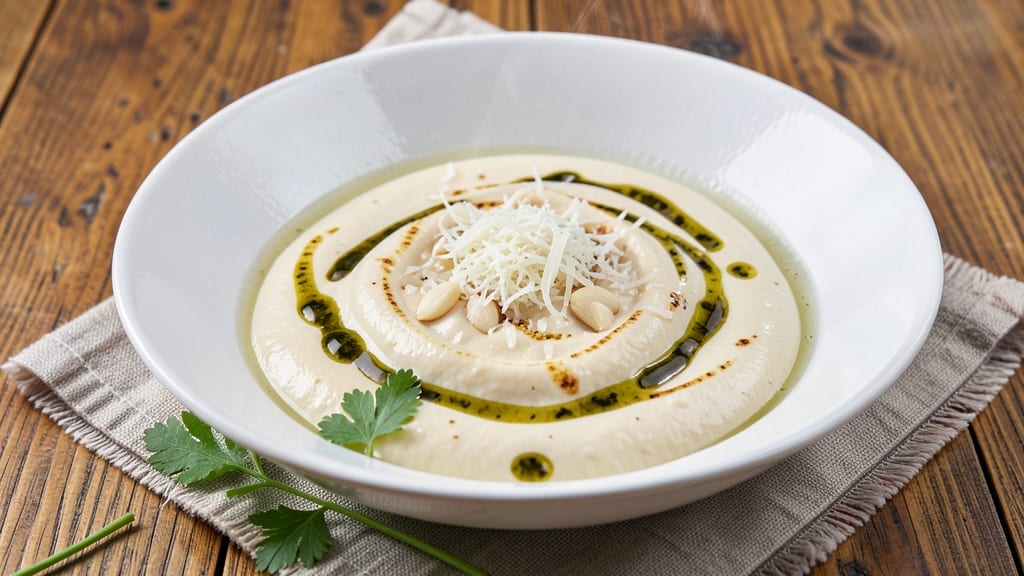
This alfredo sauce recipe small batch delivers restaurant-quality creaminess in just 10 minutes—no heavy, greasy mess. The secret lies in balancing rich butter, velvety heavy cream, and freshly grated Parmesan for a sauce that clings perfectly to fettuccine without separating.
I developed this version after testing countless recipes, and it’s the one that finally stays smooth and luxurious, even after reheating.
What sets this small-batch recipe apart is its precision: every ingredient plays a role in creating that signature creamy, parmesan-forward flavor without overpowering. A touch of garlic adds depth, while a splash of pasta water ensures the sauce remains silky and clings to noodles like a dream.
The result? A sauce so rich and velvety, it transforms simple pasta into an indulgent meal every time.
Perfect for weeknight dinners or special occasions, this sauce scales effortlessly—doubling for two servings or halving for a single portion. Store leftovers in the fridge for up to 5 days or freeze for 3 months without losing its luxurious texture.
Whether paired with fettuccine, chicken, or seafood, this recipe delivers restaurant-quality results at home.
Ready in just 10 minutes, this sauce requires minimal effort but maximum flavor—no heavy cream substitutes or powdered cheese shortcuts. The key is patience: letting the sauce simmer gently ensures a smooth, lump-free finish. Trust me, once you try this, you’ll never go back to store-bought.
Ingredients for alfredo sauce recipe small batch
Eight ingredients, ten minutes—this is your shortcut to velvety perfection.
| Ingredient | Amount | Notes |
|---|---|---|
| Unsalted Butter 🧈 | ½ cup | Cold, cubed for even melting |
| Heavy Whipping Cream 🥛 | 1 cup | Full-fat for richest texture |
| Freshly Grated Parmesan Cheese 🧀 | 1 cup | Block preferred, not pre-grated |
| Garlic Cloves 🧄 | 2 cloves | Minced, not powdered |
| Extra-Virgin Olive Oil 🫒 | 1 tbsp | For finishing, fruity variety |
| Pasta Water 💧 | ½ cup | Reserved from cooking pasta |
| Diamond Crystal Kosher Salt 🧂 | ½ tsp | Adjust to taste |
| Freshly Ground Black Pepper 🌶️ | ¼ tsp | Cracked peppercorns preferred |
The butter and cream are non-negotiable for that signature richness. European-style unsalted butter (like Plugrá or Land O'Lakes) melts smoother than American brands, but any good-quality butter works. Heavy cream needs to be full-fat—half-and-half or light cream will make the sauce separate. For the Parmesan, buy a wedge from the deli counter—pre-grated has anti-caking agents that make the sauce grainy. The garlic? Fresh is essential—powdered lacks depth. I always grab a jar of California-grown garlic at Trader Joe's when I'm prepping ahead.
No heavy cream? Full-fat coconut milk works in a pinch, though it adds a slight coconut flavor. Short on butter? Olive oil or avocado oil can replace half, but the sauce won't be as rich. Fresh garlic missing? Garlic powder at half the amount is better than nothing, but you'll notice the difference. The pasta water is magic—it's starchy and helps the sauce cling to noodles. Save about half a cup while cooking your pasta. For extra depth, add a pinch of nutmeg (optional but divine).
This sauce is best made fresh, but it reheats beautifully—just warm gently on low heat with a splash of pasta water. Keeps for 5 days in the fridge, covered tightly. For freezing, portion into ice cube trays, then transfer cubes to a bag. Thaws perfectly and maintains that luxurious texture. I always make a double batch—one for dinner, one for freezing. The leftovers taste even better the next day as the flavors meld.
Why You'll Love This Recipe
- No-Fuss Ingredients: I keep a stash of butter, cream, and Parmesan in my fridge—no specialty shopping needed. Honestly, the only prep is grating cheese and mincing garlic, and even that’s just two cloves for a small batch.
- Rich Without Effort: That first swirl of olive oil and butter creates a velvety base, while the cream makes it impossibly smooth. The Parmesan? It melts into a nutty, salty finish that turns pasta into a decadent hug.
- Weeknight or Date Night: Same sauce, endless uses—toss with fettuccine for a quick dinner, drizzle over grilled chicken, or even dollop on garlic bread. Between us, it’s my go-to when I don’t want to think too hard.
- Leftovers That Don’t Let You Down: This small batch keeps for days in the fridge, and reheats like it was just made. I’ll be real: I’ve frozen it too, and it’s still creamy when thawed—proof it’s my reliable, low-waste secret weapon.
Step-by-step instructions for creamy Parmesan alfredo sauce
Here's how to make a perfectly silky, restaurant-quality sauce in just minutes.
Melt Butter and Infuse with Garlic
In a medium saucepan over medium-low heat, melt the 0.5 cup unsalted butter until it's completely liquid but not browned. I like to keep the heat gentle here—too high and the butter burns before the garlic gets fragrant. Once melted, add the 2 cloves minced garlic and stir constantly for 30-45 seconds until you can smell that sweet, nutty aroma. You'll know it's ready when the garlic just starts to turn golden around the edges but hasn't browned completely.
This step builds the flavor foundation. If you let the garlic brown too much, it'll turn bitter and overpower the delicate creaminess of your sauce. Remove the pan from heat immediately after the garlic is fragrant—you're just waking up the flavors, not cooking them fully.
Add Cream and Parmesan
Return the pan to medium heat and slowly pour in the 1 cup heavy whipping cream. Stir gently to combine, letting the cream heat through for about 2-3 minutes until it begins to simmer. Here's the thing—don't rush this. You want the cream to warm gradually to prevent curdling. Once it's just starting to bubble at the edges, reduce heat to low and sprinkle in the 1 cup freshly grated Parmesan cheese all at once.
I use a fine-mesh grater for the Parmesan because pre-grated cheese contains anti-caking agents that prevent proper melting. Stir constantly for 3-4 minutes until the cheese is completely dissolved and the sauce thickens noticeably. The sauce should coat the back of a spoon smoothly without being gluey. If it looks too thick, we'll adjust it in the next step.
Finish with Seasonings and Pasta Water
Remove the pan from heat again and stir in the 0.5 tsp Diamond Crystal kosher salt and 0.25 tsp freshly ground black pepper. Taste the sauce—it should be rich and tangy with a clean Parmesan flavor. Now for the secret weapon: add 1 tablespoon extra-virgin olive oil and 0.5 cup reserved pasta water one tablespoon at a time, whisking constantly. The olive oil adds depth while the pasta water adjusts the consistency to that perfect velvety texture.
Return the pan to low heat just to maintain warmth—don't let it simmer again. The sauce should now coat a spoon but still be pourable. If it's too thick, add more pasta water 1 teaspoon at a time until it reaches that ideal consistency. The pasta water is crucial because its starchy content helps emulsify the sauce and makes it cling beautifully to noodles.
Keep Warm and Serve Immediately
Transfer the sauce to a clean saucepan or serving dish and keep it warm over very low heat or in a heatproof bowl set over a pot of barely simmering water. I've found that keeping the sauce moving slightly with a spoon prevents a skin from forming. The sauce should stay creamy and smooth—never let it boil or it'll separate.
Serve immediately over your favorite pasta, tossing gently to coat each strand completely. The sauce should cling to the noodles without being too heavy. If you need to reheat leftovers, do it gently over low heat and stir in a splash of water or milk to restore that silky texture. This sauce is at its peak when fresh, so enjoy it while it's warm and creamy.
Pro Tips For Making Alfredo Sauce Recipe Small Batch
- LOW AND SLOW: Start with medium heat—too hot and your butter will brown or worse, burn before the garlic even softens. I learned this the hard way after one batch smelled like a campfire instead of a creamy masterpiece.
- GRATE FRESH, USE LESS: Skip the pre-grated Parmesan—it’s full of anti-caking agents that make your sauce grainy. Use a microplane and stop when you hit ½ cup; freshly grated cheese melts smoother and you’ll need less to avoid a heavy, clumpy texture.
- WHISK CONSTANTLY: The moment you stop stirring, the cream separates and the butter congeals. Keep that whisk moving—even after the sauce thickens—so you don’t end up with a lumpy mess that looks like it was made in a blender (which, by the way, it shouldn’t be).
- ACID TEST: If your sauce tastes bland, a splash of lemon juice or a pinch of salt (yes, even if your butter is unsalted) brightens it up. I was skeptical until I tried it—now I keep a tiny bottle of lemon juice on hand for every batch.
Troubleshooting great alfredo sauce recipe small batch
Sauce Separating
If your sauce breaks or separates, it’s usually because you heated it too quickly or added the Parmesan too fast. To fix it, whisk in 1 tablespoon cold water or reserved pasta water at a time while stirring vigorously over low heat.
The starch in the pasta water acts as an emulsifier, binding the oil and water back together. For prevention, always add the Parmesan gradually while stirring constantly. 💫
Grainy Texture
A grainy texture often comes from pre-grated Parmesan, which contains anti-caking agents. Always use freshly grated cheese from a block—it melts smoothly without grit. If you’re in a pinch, pulse pre-grated cheese in a food processor for 10 seconds to break up any lumps before adding it to the sauce.
For extra silkiness, strain the sauce through a fine-mesh sieve after cooking.
Too Thick or Gluey
If your sauce is too thick, it’s likely because the cream reduced too much or you didn’t add enough pasta water. Thin it out by whisking in 1 tablespoon reserved pasta water or warm milk at a time until it reaches a pourable consistency.
The sauce should coat the back of a spoon but still flow smoothly. Avoid over-simmering—keep the heat at low to maintain the right texture.
Too Thin or Watery
A watery sauce usually means you added too much pasta water or didn’t reduce the cream enough. To thicken it, simmer the sauce gently over low heat for 2-3 minutes, stirring constantly.
If it still feels thin, whisk in 1 teaspoon cornstarch mixed with 1 tablespoon cold water until smooth. Stir in and cook for another 1 minute until it thickens. 🔥
Burnt or Bitter Flavor
If your sauce tastes burnt or bitter, it’s likely because the butter or garlic overheated. To prevent this, keep the heat at medium-low and remove the pan from heat as soon as you smell the garlic’s sweet aroma.
For a burnt flavor fix, whisk in 1 teaspoon lemon juice or a pinch of sugar to balance the bitterness. Always taste as you go—this sauce is delicate and needs gentle handling.
Lumpy or Unmelted Cheese
Lumps happen when Parmesan isn’t fully melted or stirred properly. To fix them, place the saucepan over low heat and whisk vigorously for 1-2 minutes until smooth. For prevention, add the Parmesan gradually while stirring constantly.
If lumps persist, strain the sauce through a fine-mesh sieve for a silky finish. A splash of warm milk or cream can also help dissolve any remaining cheese particles.
Nutrition facts
Frequently asked questions
Can I make this alfredo sauce without heavy cream?
For the richest texture, heavy cream is ideal—but you can substitute with 1 cup full-fat coconut milk (for a dairy-free option) or ½ cup milk + ½ cup mayonnaise. Just note the flavor will differ slightly. The sauce may also separate more easily, so add pasta water gradually to maintain creaminess.
Why does my alfredo sauce get grainy?
Graininess usually comes from pre-grated Parmesan (which contains anti-caking agents). Always use freshly grated cheese from a block for a silky texture. If you must use pre-grated, pulse it in a food processor for 10 seconds first. For extra smoothness, strain the finished sauce through a fine-mesh sieve.
How do I prevent the sauce from separating when reheating?
Reheat gently over low heat and stir constantly. If it separates, whisk in 1 tablespoon cold water or pasta water while stirring vigorously. Never boil the sauce—this breaks the emulsion. For leftovers, store in an airtight container and reheat only until warmed through.
Can I use this sauce for dishes other than pasta?
This sauce works beautifully with grilled chicken, shrimp, or even as a creamy dip for bread or vegetables. For proteins, reduce the sauce slightly before serving to prevent sogginess. It also makes a luxurious topping for baked potatoes or stuffed shells.
What's the best way to store leftovers?
Store in an airtight container in the fridge for up to 5 days. For freezing, portion into ice cube trays, then transfer to a bag. Thaw in the fridge overnight. When reheating, add a splash of milk or water to restore creaminess. Never freeze with pasta—it gets mushy.