
Sauces & Condiments
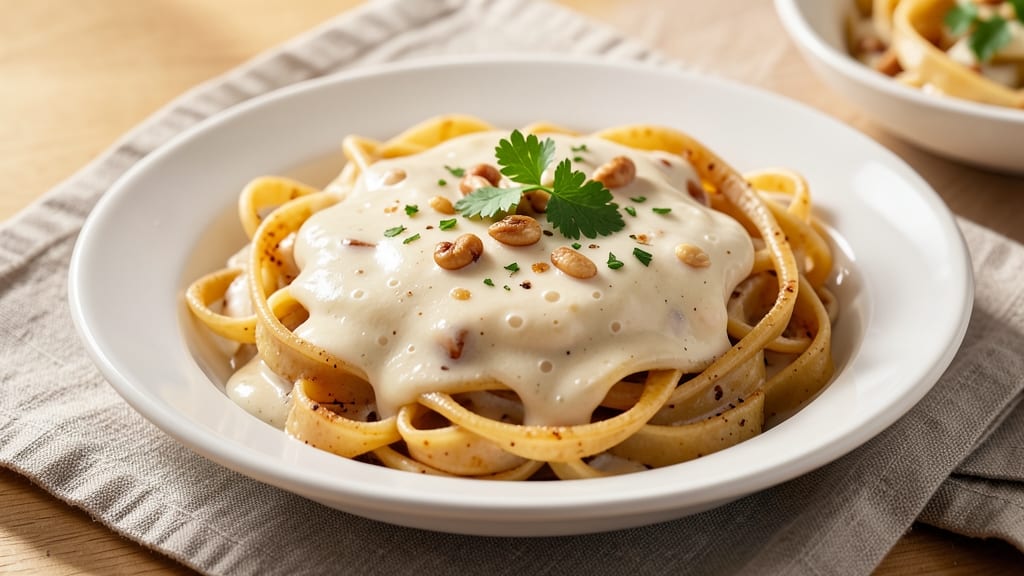
This alfredo sauce recipe using buttermilk delivers restaurant-quality creaminess without the dreaded dairy lumps or heavy richness. The secret lies in buttermilk’s natural tang, which emulsifies the sauce while keeping it velvety smooth—no blender required.
I developed this version after years of struggling with clumpy homemade alfredo, and it’s now my go-to for pasta nights.
The magic happens with a simple roux—equal parts butter and flour cooked until golden—then whisked into warm buttermilk for instant emulsification. This method creates a sauce that clings perfectly to fettuccine without breaking, even when reheated.
For extra depth, I add a touch of garlic and white wine, but the base recipe stays foolproof.
What you’ll end up with is a rich, tangy alfredo that’s lighter than traditional versions but still deeply satisfying. The buttermilk prevents curdling, while a splash of cream at the end adds luxurious body.
It reheats beautifully and keeps for up to 5 days in the fridge—or freeze it for up to 3 months.
Customize it with herbs like parsley or basil, or stir in sun-dried tomatoes for a brunch-worthy twist. Here’s how to make it—no heavy cream, no lumps, just pure, creamy perfection.
Ingredients for alfredo sauce recipe using buttermilk
Nine simple ingredients transform into velvety alfredo—no lumps, no heavy dairy guilt.
| Ingredient | Amount | Notes |
|---|---|---|
| Unsalted Butter 🧈 | ½ cup | Cold, cut into small cubes |
| All-Purpose Flour 🌾 | ½ cup | Sifted for smooth texture |
| Buttermilk 🥛 | 1 ½ cups | Room temperature preferred |
| Heavy Whipping Cream 🥛 | ¼ cup | Full-fat for best texture |
| Garlic Cloves 🧄 | 2 cloves | Minced, for aromatic depth |
| Dry White Wine 🍷 | ¼ cup | Any bold, dry variety |
| Fresh Parsley 🌿 | ¼ cup | Chopped, for fresh finish |
| Diamond Crystal Kosher Salt 🧂 | ½ tsp | Adjust to taste |
| Freshly Ground Black Pepper 🌶️ | ¼ tsp | For subtle heat |
| Nutritional Yeast 🧀 | 1 tbsp | Optional, for cheesy flavor |
The butter and flour form the sauce's backbone. European-style butter like Plugrá or Land O'Lakes has higher fat content, which gives a richer roux. For flour, King Arthur or Bob's Red Mill are my go-tos—they cook evenly without clumping. Buttermilk is non-negotiable here; it's what prevents curdling and adds that signature tang. If you're out, 1 tbsp lemon juice + 1 cup milk works in a pinch. Garlic? Fresh is best, but if you're using powder, double the amount. The white wine adds depth—anything dry like Sauvignon Blanc or Pinot Grigio works.
No buttermilk? Plain yogurt thinned with milk is a decent swap, though the tang won't be identical. Short on wine? Extra chicken broth keeps the flavor profile. Fresh parsley is ideal, but dried works at one-third the amount. Want extra richness? Add 1 tbsp cream cheese to the roux. The nutritional yeast is optional but gives that classic alfredo cheesiness without dairy. For a brunch twist, stir in 1 tbsp sun-dried tomato paste at the end. The salt and pepper are simple but critical—taste as you go!
This sauce reheats beautifully—just warm it gently on low heat, stirring often. Keeps for 5 days in the fridge, sealed in an airtight container. For longer storage, freeze in ice cube trays—thaw and stir back together when ready. The roux stage is where mistakes happen, so keep the heat medium-low and whisk constantly. If it browns too quickly, reduce the heat. The buttermilk should be warm but not hot when added, or you'll get curdling. Trust the process—it's foolproof once you get the hang of it.
Why You'll Love This Recipe
- I’ll be real: this sauce uses stuff I already have. Butter, flour, buttermilk—no specialty ingredients, no last-minute grocery runs. Just melt, whisk, simmer. That’s it. The buttermilk keeps it rich without tasting heavy, and the garlic? Oh, it sneaks in flavor without overpowering.
- No-Fuss Pantry Magic: I’ll be real: this sauce uses stuff I already have. Butter, flour, buttermilk—no specialty ingredients, no last-minute grocery runs. Just melt, whisk, simmer. That’s it. The buttermilk keeps it rich without tasting heavy, and the garlic? Oh, it sneaks in flavor without overpowering.
- Creamy Without Clinging: Here’s what sold me—the texture. The buttermilk and heavy cream blend into something silky but not gluey. It coats pasta perfectly, doesn’t drip down your elbows, and still feels luxurious. Not the watery, sad Alfredo I’ve had before.
- Weeknight to Dinner Party: Between us, this sauce works for spaghetti on a Tuesday or fettuccine for guests. Double the batch, freeze half—it reheats like a dream. My lazy nights and my "impress the in-laws" moments both get the same creamy, garlicky love.
Step-by-step instructions for creamy buttermilk alfredo
This tangy, velvety sauce comes together faster than you'd expect—no heavy cream clumps in sight.
Create the Roux with Butter and Flour
Melt the 0.5 cup unsalted butter in a medium saucepan over medium-low heat. Once fully melted and foaming subsides, reduce heat to low and gradually whisk in the 0.5 cup all-purpose flour using a wire whisk. This creates a roux that will thicken your sauce beautifully.
Cook the roux for 2-3 minutes, stirring constantly, until it turns a pale golden color. You'll notice it becomes smoother and loses its raw flour taste—this is your signal it's ready for the next step. If it browns too quickly, reduce heat immediately to prevent a bitter flavor.
Gradually Incorporate Buttermilk
Slowly pour in the 1.5 cups buttermilk while whisking vigorously to prevent lumps from forming. The mixture will thicken immediately but may look curdled at first—that's normal. Keep whisking for 1-2 minutes until it smooths out completely.
This is where the magic happens—the buttermilk's acidity cuts through the richness of the butter, creating that signature tangy creaminess. If the sauce looks too thick, add 1-2 tablespoons of water to loosen it. The consistency should be like heavy cream—thick enough to coat the back of a spoon but still pourable.
Build Flavor with Wine and Aromatics
Remove the saucepan from heat and stir in the 0.25 cup dry white wine and 2 cloves minced garlic. Let it sit off the heat for 5 minutes—this allows the wine to mellow and the garlic to infuse without burning. The wine adds brightness that balances the richness perfectly.
Return the sauce to low heat and whisk in the 0.25 cup heavy whipping cream and 1 tbsp nutritional yeast. The yeast adds a subtle cheesy depth without dairy clumps. Taste and adjust seasoning with 0.5 tsp kosher salt and 0.25 tsp black pepper. The sauce should be rich but not overpowering—you want the natural tang of the buttermilk to shine.
Finish with Fresh Herbs and Rest
Stir in the 0.25 cup chopped fresh parsley and let the sauce simmer gently for 3-4 minutes to meld all the flavors. The parsley adds freshness that cuts through the richness while giving it that restaurant-quality finish.
Remove from heat and let the sauce rest for 5 minutes—this allows the flavors to fully develop. The sauce will thicken slightly as it cools, so if it seems too thick, whisk in 1-2 tablespoons of warm water to reach your desired consistency. Serve immediately over fettuccine or your favorite pasta for that perfect creamy, tangy bite.
Pro Tips For Making Alfredo Sauce Recipe Using Buttermilk
- Whisk Butter Slowly: Melt the butter in your saucepan over medium-low heat—no rushing. I used to crank it up high and ended up with a split roux every time. Let it bubble gently, then gradually add the flour while whisking like your life depends on it.
- Shake Buttermilk First: Give that buttermilk a good shake before measuring—it separates more than you’d think. Pour it in slowly while whisking constantly, or you’ll end up with lumps that refuse to disappear, no matter how long you simmer.
- Simmer, Don’t Boil: Keep the sauce at a gentle simmer, not a rolling boil. After adding the buttermilk, reduce heat to medium-low and let it bubble softly—any harder, and you’ll curdle the cream faster than you can say "fettuccine alfredo."
- Strain the Garlic: Mince the garlic fine, then press it through a strainer into the sauce. Raw garlic chunks? No thanks. This keeps the texture smooth and avoids that unpleasant bite that ruins the creamy finish—trust me, your guests won’t notice if you skip it.
Wine and beer pairings for alfredo sauce recipe using buttermilk
White Wine Pairings
For this buttermilk alfredo, I reach for dry Italian whites like Pinot Grigio or Vermentino—their crisp acidity cuts through the sauce's richness beautifully. A glass of Sauvignon Blanc from New Zealand also works wonders, with its citrus notes complementing the buttermilk's tang. 🍷
Avoid heavy, oaky whites—they'll overwhelm the delicate balance of flavors. Instead, opt for wines with bright, mineral-driven profiles that refresh your palate between bites. Chill them to 50-55°F for optimal enjoyment.
Crisp Lager Pairings
If you prefer beer, a crisp Italian lager like Peroni or Moretti is my go-to—its clean, slightly malty profile won't compete with the sauce. For something more adventurous, try a Belgian witbier like Hoegaarden, where coriander and orange notes echo the buttermilk's tang. 🍺
Skip heavy stouts or IPAs—they'll clash with the sauce's lightness. Instead, focus on refreshing, low-bitterness beers that cleanse your palate between forkfuls.
Red Wine Exceptions
While whites dominate, a light-bodied red like Pinot Noir can work if you prefer red wine. Look for one with low tannins and bright acidity, such as a Willamette Valley Oregon Pinot. The red fruit notes pair surprisingly well with the buttermilk's tang.
Serve it slightly cooler than room temperature—around 55°F—to soften its structure and enhance its food-friendly qualities.
Non-Alcoholic Options
For a non-alcoholic match, sparkling apple cider or ginger beer adds effervescence that cuts through the sauce's richness. I also love sparkling water with a squeeze of lemon—it's refreshing and highlights the buttermilk's tang.
For a more substantial pairing, try sparkling white grape juice like Martinelli's. It delivers the same crisp acidity as wine without the alcohol.
Nutrition facts
Frequently asked questions
Why does this recipe use buttermilk instead of heavy cream?
The buttermilk creates a lighter, tangier sauce that prevents clumping and adds depth without heaviness. Unlike traditional alfredo, this version stays velvety smooth while avoiding the dairy lumps that come from heavy cream. The acidity in buttermilk also balances the richness beautifully.
Can I make this sauce without wine?
Yes! Substitute the 0.25 cup white wine with an equal amount of chicken or vegetable broth for the same depth of flavor. For extra richness, use half broth and half heavy cream. The wine adds brightness, but the sauce will still taste delicious without it.
How do I fix curdled buttermilk sauce?
If your sauce curdles, immediately remove it from heat and whisk in 1 tablespoon cold water or 1 teaspoon cornstarch mixed with water. Return to low heat and stir until smooth. The buttermilk should be warm (not hot) when added to prevent this issue.
Can I freeze this alfredo sauce?
Freeze in ice cube trays or airtight containers for up to 3 months. Thaw overnight in the fridge and stir in 1 tablespoon water to restore consistency. Avoid refreezing once thawed for best texture.
What's the best pasta to serve with this sauce?
This tangy alfredo pairs perfectly with fettuccine or tagliatelle—their wide, flat surfaces catch the sauce beautifully. For extra texture, try pappardelle or even gluten-free fettuccine. Avoid thin noodles like angel hair, as they'll get overwhelmed by the sauce.