
Sauces & Condiments
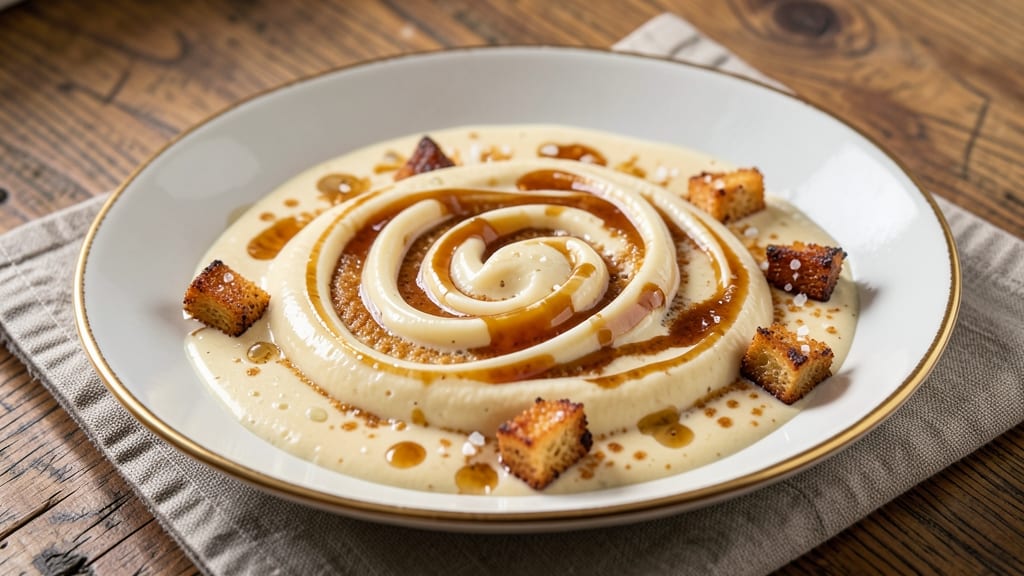
This Alfredo sauce recipe with Boursin cheese delivers restaurant-quality creaminess in just 15 minutes—no heavy cream required. The secret lies in Boursin's rich, nutty flavor and velvety texture, which transforms basic ingredients into a sauce so smooth it'll make you question why you ever bought store-bought.
I developed this version after years of testing, and it's now my go-to for fettuccine, chicken, or even as a creamy pasta sauce base.
The magic happens when you melt the Boursin with butter and garlic, then gradually whisk in warm broth. This slow incorporation prevents lumps and creates a sauce that's ultra-creamy without being overly rich.
The result? A velvety, nutty sauce with just enough tang to balance the richness, perfect for tossing with hot pasta or drizzling over grilled meats.
What makes this recipe stand out is its versatility—use it as-is for classic Alfredo or boost it with white wine, lemon zest, or fresh herbs for added depth.
The sauce also reheats beautifully and keeps well in the fridge for up to 5 days or freezes for 3 months, making it ideal for meal prep.
Whether you're serving it over fettuccine, using it as a creamy dipping sauce, or incorporating it into casseroles, this Boursin-based Alfredo delivers restaurant-quality results with minimal effort. Let's get started!
Ingredients for alfredo sauce recipe with boursin cheese
Eight simple ingredients transform into a velvety Boursin Alfredo that rivals restaurant versions.
| Ingredient | Amount | Notes |
|---|---|---|
| Boursin Cheese 🧀 | 8 oz | Herbed variety preferred |
| Unsalted Butter 🧈 | 4 tbsp | European-style preferred |
| Garlic Cloves 🧄 | 4 cloves | Freshly minced for aroma |
| Vegetable Broth 💧 | 1 ½ cups | Homemade or low-sodium |
| All-Purpose Flour 🌾 | 1 tbsp | For thickening consistency |
| White Wine 🍷 | ¼ cup | Dry variety like Sauvignon Blanc |
| Heavy Cream 🥛 | ½ cup | Optional for extra richness |
| Lemon Zest 🍋 | 1 tsp | Brightens the nutty flavor |
| Salt 🧂 | ½ tsp | Diamond Crystal preferred |
| Freshly Ground Black Pepper 🌶️ | ¼ tsp | For subtle seasoning |
Boursin is the star here—herbed variety adds depth, but plain works too. Grab it from the cheese section near the Boursin tubs, not the specialty cheese counter. The European-style butter melts more smoothly, but regular unsalted butter works fine. Fresh garlic is non-negotiable; pre-minced loses flavor fast. For the broth, homemade is best, but even the good low-sodium cubes work in a pinch. The flour is just to thicken slightly—don't overmix or it'll get clumpy.
No white wine? Extra broth or lemon juice keeps the tang. Want it richer? Add the heavy cream at the end—it won't curdle if you temper it properly. Short on lemon zest? Fresh lemon juice at half the amount works too. The flour can be swapped for cornstarch at half the quantity if you prefer. For extra depth, add 1 tsp Dijon mustard with the flour—trust me on this. And if you're using pre-shredded cheese, drain it first; those anti-caking agents cause lumps.
This sauce reheats beautifully—just warm it gently on low heat. Keeps 5 days in the fridge, 3 months frozen. Portion into ice cube trays for perfect single servings. The Boursin tub stays fresh for 2 weeks once opened, so buy the smaller size if you won't use it all. For meal prep, make a double batch—the extra freezes perfectly for busy nights.
Why You'll Love This Recipe
- Five-Ingredient Magic: I swear, this sauce comes together with just a handful of things you already have. No fancy prep, no hidden ingredients—just melt butter, whisk flour, and let the Boursin do its creamy, herby thing. Honestly, it’s the kind of recipe that makes me feel like a chef without the stress.
- Garlic-Boursin Bomb: That first bite? Rich, tangy, and just spicy enough from the Boursin’s garlic and herbs. The butter adds this luxurious melt, but it’s the cheese that makes it sing—like a fancy restaurant sauce, but with way less effort.
- Weeknight to Dinner Party: Slap this on fettuccine for a quick Tuesday night, or drizzle it over grilled chicken for a weekend feast. It’s the kind of sauce that works just as well in a takeout container as it does on a plated dish. (Yes, even on a Tuesday night.)
- Leftovers That Don’t Suck: Unlike most Alfredo, this sauce actually improves the next day—thicker, deeper, and still creamy. I portion it out in little jars and keep it in the fridge for lazy mornings or last-minute pasta cravings. No waste, all flavor.
Step-by-step instructions for ultra-creamy Boursin Alfredo sauce
Here's how to craft a velvety, nutty sauce that transforms ordinary pasta into something extraordinary.
Melt Butter and Bloom the Flour
In a medium saucepan, melt the 4 tablespoons unsalted butter over medium-low heat. Let it foam and bubble gently, then immediately whisk in the 1 tablespoon all-purpose flour. This creates a roux that will form the base of your sauce—stir constantly for 2 minutes until it turns a pale golden color and smells nutty.
Watch closely—if the roux darkens too quickly, reduce the heat slightly. The goal is a smooth, thick paste that will later blend seamlessly with your cheese. This step is your flavor foundation, so don't rush it. I like to use European-style butter here; its higher fat content creates a richer sauce with less effort.
Cook Garlic and Deglaze with Wine
Add the 4 minced garlic cloves to the saucepan and cook for 30 seconds until fragrant but not browned. Immediately pour in the ¼ cup white wine and scrape up any browned bits from the bottom with a wooden spoon—this deglazing captures all the flavor you've built so far. Let the wine simmer for 1-2 minutes until it reduces by half and the alcohol aroma dissipates.
Here's where the magic happens: the wine's acidity cuts through the richness of the butter while adding depth. If you're using a dry white wine like Sauvignon Blanc, you'll notice its bright citrus notes complement the nutty Boursin beautifully. Don't skip this reduction—it's what prevents a flat, one-dimensional sauce.
Build the Sauce with Broth and Cheese
Gradually whisk in the 1½ cups vegetable broth while stirring continuously to prevent lumps. Bring the mixture to a gentle simmer and let it cook for 3-4 minutes until slightly thickened. Reduce heat to low and add the 8 ounces Boursin cheese, stirring constantly until completely melted and smooth. The sauce should now be thick enough to coat the back of a spoon.
I recommend using herbed Boursin for its subtle garlic and chive notes that elevate the sauce. If you're worried about lumps, cut the cheese into smaller pieces first. The sauce should be luxuriously creamy at this point—if it's too thick, add a splash of warm broth to reach your desired consistency. This is where the sauce's signature texture begins to form.
Finish with Cream and Seasonings
Stir in the ½ cup heavy cream (if using), 1 teaspoon lemon zest, ½ teaspoon salt, and ¼ teaspoon freshly ground black pepper. Simmer for another 2 minutes to let the flavors meld together. The lemon zest brightens the richness while the pepper adds subtle heat that balances the cheese's nuttiness.
Taste and adjust seasoning—you might need a touch more salt or pepper depending on your Boursin's saltiness. The sauce should now be silky, with a perfect balance of creaminess and tang. For best results, keep it warm over low heat while you cook your pasta, adding a splash of pasta water if needed to maintain the perfect consistency.
Serve Immediately Over Pasta
Toss the sauce with your cooked pasta, adding pasta water as needed to achieve a perfect cling. The sauce should coat each strand beautifully, with no dry spots. Serve immediately while still warm—this sauce doesn't reheat well as it can separate. Garnish with additional lemon zest or fresh parsley if desired.
Each bite should deliver that signature creamy texture with layers of nutty, herby Boursin flavor. The wine's acidity cuts through the richness, while the lemon zest keeps it bright. This isn't just any Alfredo—it's a sauce with depth and character that transforms simple pasta into a restaurant-quality meal.
Pro Tips For Making Alfredo Sauce Recipe With Boursin Cheese
- Melt Butter Slowly: I learned this the hard way—dumping cold butter into the pan and ending up with a greasy mess. Warm the butter over medium-low heat first, then add the minced garlic. This way, the garlic softens without burning while the butter melts smoothly into the sauce.
- Use Room-Temp Boursin: Straight from the fridge, Boursin can clump and make your sauce grainy. Take it out 10 minutes before using—just enough to soften it up. If you’re in a rush, rub it between your fingers to break up any lumps before adding it to the pan.
- Whisk Like You Mean It: The moment you add flour to the butter-garlic mix, grab that whisk and don’t let up. Stirring constantly for the first 30 seconds prevents lumps and guarantees a silky texture. I used to slack off here, and the sauce would turn out clumpy—no one wants that.
- Simmer, Don’t Boil: Once the broth goes in, keep the heat at a bare simmer. Boiling will make the sauce separate, and you’ll end up with a sad, watery mess. A gentle bubble is all you need—just enough to thicken without breaking the emulsion. Trust me, your sauce will thank you.
Make-ahead tips for leftovers
Prep Ahead
Make this sauce up to 2 days in advance—it actually tastes better after resting as flavors meld. Let it cool completely, then store in an airtight container in the fridge.
The Boursin's herby notes develop beautifully overnight, creating deeper flavor complexity. I always double the recipe for busy nights because reheating is effortless. 💫
Freezer-Friendly
Portion into quart-sized freezer bags (leave 1-inch headspace for expansion) or silicone ice cube trays for perfect single servings. Freeze for up to 3 months—thaw overnight in the fridge before reheating.
When ready to use, gently warm on low heat with a splash of broth to restore creaminess. Never microwave directly from frozen to avoid separation.
Pasta Prep
Cook your pasta 1 day ahead and store in the fridge—it reheats perfectly when tossed with fresh sauce. I like to boil fettuccine or tagliatelle al dente, then rinse briefly under cold water to stop cooking.
Drain well and store in an airtight container with a paper towel to absorb excess moisture. This prevents soggy pasta when reheating.
Sauce Storage
For long-term storage, divide the sauce into smaller portions (like ice cube trays) to prevent freezer burn. Once thawed, consume within 3 days or refreeze. The texture remains velvety if reheated gently—never boil. If the sauce thickens too much after refrigeration, add 1-2 tablespoons warm broth when reheating. 🥄
Make-Ahead Meals
Combine cooked pasta and sauce in a large airtight container, separating layers with parchment paper to prevent sticking. Reheat in the microwave at 50% power for 2-3 minutes, stirring halfway.
For oven reheating, cover with foil and bake at 350°F for 15 minutes. The sauce will cling beautifully to each strand when reheated properly.
Sauce Boosters
Prep flavor enhancers ahead of time: chop fresh herbs (parsley, chives) and store in the fridge for up to 5 days, or zest extra lemons for future batches. I also like to make a garlic-infused oil (blend minced garlic with olive oil) to add richness when reheating.
These prepped elements let you customize your sauce quickly when needed. ✨
Nutrition facts
Frequently asked questions
Can I substitute Boursin cheese with another type?
Yes! If you don't have Boursin, try herbed goat cheese or cream cheese mixed with garlic powder for similar creaminess. For a stronger flavor, use Gruyère or Parmesan—just reduce the broth slightly since these cheeses melt differently. The key is balancing richness with acidity, so always include the lemon zest or white wine.
Why did my sauce get grainy?
Graininess usually happens from two things: adding cold cheese too quickly or not stirring enough. Always cut cheese into small cubes and melt it slowly over low heat while whisking constantly. For extra insurance, strain the sauce through a fine-mesh sieve after cooking. If it happens, a splash of warm broth and gentle reheating will smooth it out.
How do I make this sauce spicier? Add ½ teaspoon red pepper flakes when you stir in the lemon zest, or finish with 1 teaspoon hot sauce like Sriracha. For depth, infuse the broth with 1-2 slices of smoked paprika while heating.
Can I use this sauce for dishes other than pasta?
This creamy sauce works perfectly as a dip for garlic bread or vegetables, a topping for grilled chicken or steak, or even a creamy filling for stuffed shells or potatoes. The wine and lemon keep it bright enough to stand up to bold flavors. For baked dishes, reduce the broth slightly to prevent sogginess.
What's the secret to the perfect texture?
The secret lies in three steps: blooming the flour properly, gradual cheese melting, and maintaining low heat. Never boil the sauce—keep it at a gentle simmer. If it thickens too much, add warm broth 1 tablespoon at a time until silky. The sauce should coat the back of a spoon but still flow smoothly.