
Sauces & Condiments
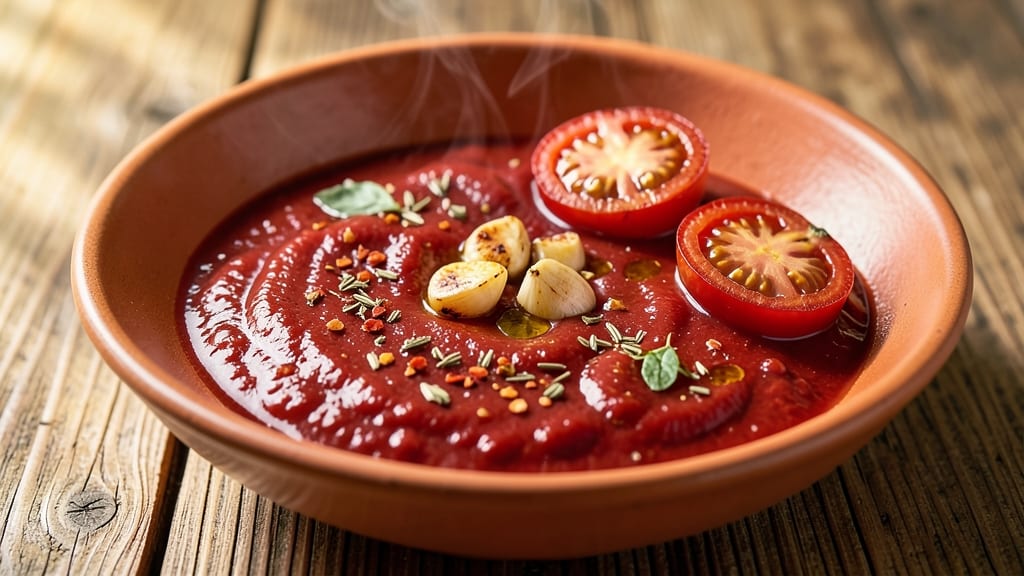
This all arrabbiata sauce recipe delivers the fiery, tangy punch of authentic Italian cuisine in just 30 minutes—no shortcuts, just bold flavor. The secret lies in balancing canned tomatoes, garlic, and chili flakes into a sauce that's vibrant, spicy, and deeply aromatic.
I've perfected this version through years of testing, ensuring the heat builds gradually while preserving the bright acidity of the tomatoes.
What sets this recipe apart is its versatility—whether you keep it classic with just olive oil and herbs or add a splash of cream for richness, the base remains the same.
The sauce simmers until thickened, allowing the flavors to meld into a harmonious blend of sweet, spicy, and tangy notes. It's the perfect partner for pasta, grilled meats, or even as a dipping sauce for crusty bread.
By the time you're done, you'll have a sauce that's restaurant-quality yet simple to make at home. The chili flakes add heat without overpowering, while the garlic and herbs infuse every spoonful with depth. This isn't just a sauce—it's a flavor explosion that transforms any dish into something unforgettable.
Ready to elevate your cooking? This arrabbiata sauce is your ticket to authentic Italian flavor, no matter the occasion. Let's get started with the ingredients and instructions that bring it all together.
Ingredients for all arrabbiata sauce
Eight simple ingredients for a sauce that packs Italian restaurant heat in 30 minutes.
| Ingredient | Amount | Notes |
|---|---|---|
| San Marzano Tomato Cans 🍅 | 2 cans | 28 oz each, crushed by hand |
| Extra-Virgin Olive Oil 🫒 | ½ cup | High-quality, fruity variety |
| Garlic Cloves 🧄 | 6 cloves | Freshly minced, not pre-minced |
| Red Chili Flakes 🌶️ | 2 tbsp | Adjust for desired heat level |
| Dried Oregano 🌿 | 1 tsp | Italian oregano preferred |
| Dried Basil 🌿 | 1 tsp | Crushed between fingers |
| Salt 🧂 | 1 tsp | Diamond Crystal preferred |
| Black Pepper 🌶️ | ½ tsp | Freshly ground for best flavor |
| Heavy Cream 🥛 | ¼ cup | Optional for richness (omit for vegan) |
The tomatoes make or break this sauce. San Marzano cans are worth hunting down—they're sweeter and less acidic than regular brands. If you can't find them, Muir Glen is a solid backup. The garlic? Fresh is non-negotiable—pre-minced cloves from the jar taste like cardboard. Chili flakes vary wildly in heat, so start with 2 tablespoons and adjust to taste. I always grab mine from Penzeys or the bulk spice section at Whole Foods—they're fresher than the grocery store bins.
No San Marzano tomatoes? Crush regular canned tomatoes by hand—it releases more flavor than shaking. Fresh oregano? Use one-third the amount of dried. The heavy cream is optional but adds lusciousness—half-and-half works too if you're watching calories. Want extra depth? A splash of red wine (about 2 tablespoons) steamed with the garlic takes it to the next level. The sauce thickens as it simmers, so don't worry if it looks thin at first—patience is key here.
This sauce tastes even better the next day as the flavors meld. Store in an airtight container in the fridge for up to 5 days. Freezes beautifully for 3 months—portion into ice cube trays for perfect single-use servings. If you make a big batch, freeze half right away. The acidity means it reheats like a dream—just warm gently on the stove with a splash of water if it thickens too much.
Why You'll Love This Recipe
- Here’s what sold me: that perfect balance of smoky garlic, bright acidity from the tomatoes, and just enough heat from the chili flakes to make your mouth tingle. The oregano ties it all together—earthy but not overpowering—so it’s bold without being overwhelming. (Between us, I add a pinch more chili if I’m feeling brave.)
- No Fuss, Big Payoff: I swear by this sauce because it’s the kind of recipe that lets me not stress. Open the can, toss in minced garlic and chili flakes, let it simmer—done. The San Marzano tomatoes handle the work for you, sweetening as they cook while the olive oil keeps everything rich. (Yes, even on a Tuesday night when I’m exhausted.)
- Spicy-Sweet Magic: Here’s what sold me: that perfect balance of smoky garlic, bright acidity from the tomatoes, and just enough heat from the chili flakes to make your mouth tingle. The oregano ties it all together—earthy but not overpowering—so it’s bold without being overwhelming. (Between us, I add a pinch more chili if I’m feeling brave.)
- Weeknight to Weekend: This sauce is my secret weapon for everything from quick weeknight pasta to impressing guests. Dump it over linguine, spoon it onto grilled chicken, or even use it as a marinade. It’s the kind of flavor that works hard but never tries too hard—especially when I double the batch and freeze half for lazy days.
Step-by-step instructions for all arrabbiata sauce
Here's how to make a bold, fiery arrabbiata sauce that balances heat with bright tomato flavor.
Sauté Garlic in Olive Oil Until Golden
Heat the 0.5 cup extra-virgin olive oil in a large saucepan over medium heat. Add the 6 cloves freshly minced garlic and cook for 2-3 minutes until the garlic becomes golden and fragrant—not browned. Watch closely; garlic burns quickly and turns bitter.
This step builds the sauce's aromatic foundation. The olive oil should shimmer gently but not smoke. If it starts smoking, reduce the heat immediately and let it settle before continuing. The garlic should release its sweet, nutty aroma before moving to the next step.
Add Chili Flakes and Toast for Depth
Stir in the 2 tablespoons red chili flakes and cook for 30 seconds until the flakes darken slightly and release their aroma. This step enhances the sauce's heat and complexity. Don't skip toasting the chili—it intensifies the flavor and prevents a raw, peppery taste.
Keep the heat at medium-low to avoid burning the chili. If the oil starts to smoke, remove the pan from heat for a moment. The chili should look slightly darker and smell more pungent after toasting, signaling it's ready for the tomatoes.
Incorporate Crushed San Marzano Tomatoes
Add the contents of the 2 cans crushed San Marzano tomatoes to the pan. Stir well to combine with the garlic and chili flakes. Bring the mixture to a gentle simmer over medium heat, then reduce heat to low. Let it cook uncovered for 15 minutes, stirring occasionally.
This simmering time allows the tomatoes to break down and develop a rich, concentrated flavor. You'll notice the sauce thicken slightly and the raw tomato taste mellow into a deeper, sweeter profile. If the sauce seems too thick, add 1-2 tablespoons of water to loosen it.
Season with Herbs and Salt
Add the 1 teaspoon dried oregano, 1 teaspoon dried basil, 1 teaspoon salt, and 0.5 teaspoon black pepper. Stir well and let the sauce simmer for another 10 minutes until it thickens to your desired consistency. Taste and adjust seasoning—arrabbiata needs a balance of heat, acidity, and saltiness.
Here's the thing—arrabbiata should have a noticeable kick from the chili, but the tomatoes should shine through. If it's too acidic, simmer uncovered for a few more minutes to evaporate some liquid. If it needs more heat, add a pinch more chili flakes. The sauce should coat the back of a spoon but still be saucy enough to cling to pasta.
Finish with Heavy Cream (Optional)
For a richer version, stir in the 0.25 cup heavy cream during the final 2 minutes of cooking. This step mellows the heat slightly while adding a velvety texture. If you're making a vegan version, skip the cream and add an extra splash of water to balance the sauce.
Remove from heat immediately after adding the cream to prevent curdling. The sauce should now have a glossy finish and perfect balance of spice, tomato sweetness, and herbal notes. Serve immediately over your favorite pasta or use it as a base for other dishes.
Pro Tips For Making All Arrabbiata Sauce
- CRUSH THE GARLIC: I learned this the hard way—don’t just toss in whole cloves. Smash 4-5 peeled garlic cloves flat with the side of your knife first; they’ll infuse faster and deeper into the oil without burning. (Yes, even if you’re impatient like me.)
- SIMMER DON’T BOIL: Start the sauce on medium-high to evaporate the canned tomatoes’ excess water, but once it’s going, drop to a low simmer. Let it bubble gently for 20-25 minutes—this concentrates the flavor and thickens the sauce naturally. Skipping this step leaves you with a watery, sad sauce.
- SALT THE TOMATOES: Add a pinch of salt (½ tsp) to the crushed tomatoes right when you open the can. It draws out moisture and balances the acidity before cooking. I used to skip this, and the sauce always tasted flat until I tried it.
- TOAST THE CHILI FLAKES: Heat the red chili flakes in a dry pan for 30 seconds until fragrant—this deepens their flavor way more than just tossing them in raw. Add them to the oil first, then garlic, so they bloom immediately. (Your future self will thank you.)
Regional styles of these flavors
Roman Roots
Arrabbiata sauce originated in the Lazio region of Italy, specifically in Rome, where it was traditionally made with fresh tomatoes (when in season) and chili peppers—hence the name, which means "angry" in Italian.
The original version was simpler, relying on garlic, olive oil, and chili for its bold flavor profile. I love how the Romans embraced the heat—it was a sauce for those who wanted something fiery and unapologetic. 🌶️
In classic Roman homes, arrabbiata was often served with tonnarelli pasta (thick spaghetti) or bucatini, allowing the sauce to cling beautifully. The sauce was also used as a marinade for grilled meats, adding a spicy kick to dishes like chicken or lamb.
This versatility is what makes it so special—it’s not just a pasta sauce, but a flavor enhancer for any dish.
Neapolitan Twist
As arrabbiata spread across Italy, Naples put its own spin on the sauce by incorporating slow-cooked tomatoes and a touch of sugar to balance the acidity. This version is slightly sweeter and more velvety, with a deeper tomato flavor.
I’ve made this variation by simmering the sauce for an extra 10-15 minutes to let the tomatoes break down further. Add 1 teaspoon of sugar if you want that Neapolitan touch—it rounds out the heat beautifully. 🍯
The Neapolitan style also often includes fresh basil at the end, adding a bright, herbal note that contrasts with the spice. If you’re using fresh basil, add it in the last 2 minutes of cooking to preserve its vibrant flavor.
This version pairs perfectly with rigatoni or penne pasta, where the sauce can really cling to the ridges.
Modern Adaptations
Today, arrabbiata sauce has evolved to include global influences, like adding cream for richness or even white wine for depth. I love experimenting with a splash of dry white wine (about 2 tablespoons) when sautéing the garlic—it adds a subtle acidity that cuts through the heat.
For a vegan version, skip the cream and stir in 1 tablespoon of nutritional yeast at the end for a cheesy, umami boost. 💫
Some modern chefs also blend in roasted garlic or even smoked paprika for a slightly smoky twist. If you’re feeling adventurous, try adding a pinch of cinnamon (just ¼ teaspoon)—it might sound unusual, but it adds warmth that pairs surprisingly well with the chili.
The key is to keep the tomato and garlic base intact while letting your creativity shine in the finishing touches.
Southern Italian Heat
In Southern Italy, particularly in Calabria and Sicily, arrabbiata sauce often includes fresh chili peppers instead of dried flakes. This gives the sauce a fresh, fruity heat that’s more vibrant than the traditional dried version.
If you want to try this, substitute the 2 tablespoons of chili flakes with 1-2 fresh red chili peppers, finely chopped. Remove the seeds for less heat or keep them for a spicier kick. 🌶️🔥
Southern cooks also sometimes add a splash of balsamic vinegar (about 1 tablespoon) to deepen the sauce’s complexity. This works especially well if you’re using regular canned tomatoes instead of San Marzano.
The vinegar adds a tangy depth that balances the sweetness of the tomatoes and the heat of the chili. This version is perfect for grilled vegetables or roasted meats as well as pasta.
Nutrition facts
Frequently asked questions
Can I make arrabbiata sauce without fresh garlic?
Fresh garlic is ideal, but you can use 1 teaspoon garlic powder or ½ teaspoon granulated garlic as a substitute. Toast the powder in the olive oil for 30 seconds to enhance flavor. For best results, combine with ½ teaspoon onion powder to mimic the depth of fresh garlic. Just don't expect the same aromatic punch!
How do I adjust the heat level?
Start with 2 tablespoons chili flakes for medium heat. For milder sauce, reduce to 1 tablespoon and add ½ teaspoon smoked paprika for depth. For extra spice, add 1 teaspoon cayenne pepper or 1 chopped fresh chili pepper (seeds in for maximum heat). Always taste before serving!
Can I use arrabbiata sauce for dishes other than pasta?
This versatile sauce works perfectly as a grilling marinade for chicken or lamb, a dipping sauce for crusty bread, or a topping for grilled vegetables. Try it with polenta or roasted potatoes for a hearty meal. The key is to adjust the thickness—thinner for dipping, thicker for coating meats.
Why did my sauce turn out too acidic?
This usually happens when using non-San Marzano tomatoes or over-simmering. Balance acidity by adding 1 teaspoon sugar or 1 tablespoon balsamic vinegar and simmering 5 more minutes to let flavors meld. For a richer taste, stir in 2 tablespoons heavy cream at the end. Always use high-quality canned tomatoes!
How long will this sauce keep in the fridge?
The sauce tastes best within 5 days when stored in an airtight container. For longer storage, freeze portions in ice cube trays or silicone molds—perfect for single servings! Thaw overnight in the fridge. The flavors actually improve after 24 hours as the acidity mellows and ingredients meld.