
Sauces & Condiments
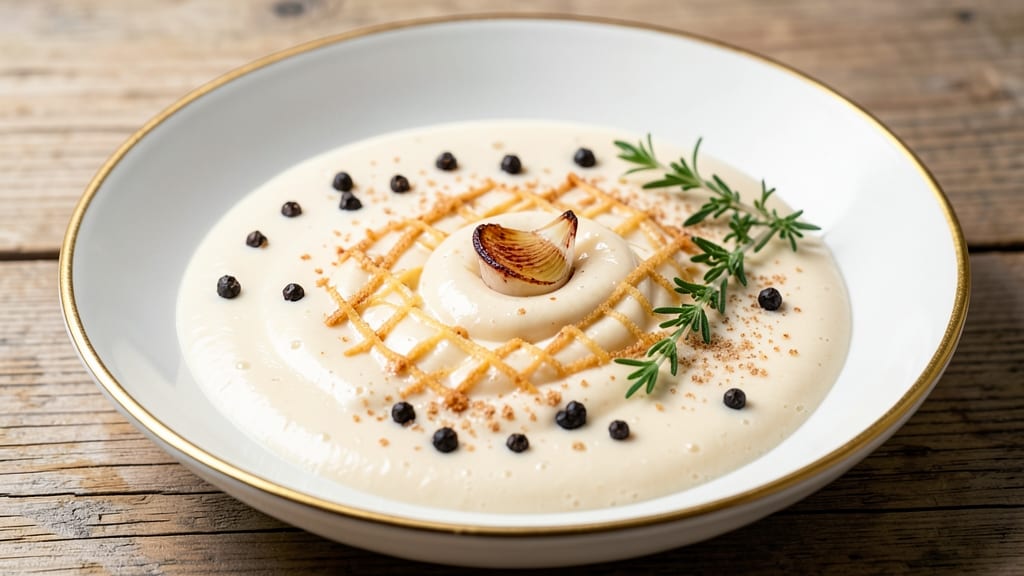
This almond milk white sauce transforms everyday dishes into creamy, restaurant-quality meals with just five simple ingredients. The secret lies in proper thickening techniques—no lumps, ever—and a touch of nutmeg that elevates the flavor profile.
I developed this vegan version after years of perfecting plant-based sauces, and it delivers velvety richness that coats pasta, veggies, and soups effortlessly. Perfect for anyone avoiding dairy or gluten, this sauce is foolproof for both beginners and experienced cooks alike.
What sets this recipe apart is the balance of almond milk's natural creaminess with plant-based fat—either vegan butter or oil—to create a sauce that's rich without being heavy.
The key steps involve whisking the roux (flour and fat) at low heat until golden, then gradually adding warm almond milk to prevent clumping. A splash of lemon juice at the end brightens the flavor, making it versatile for any dish.
The result is a smooth, velvety sauce that's ready in under 15 minutes.
This almond milk white sauce is a game-changer for plant-based cooking, offering the same indulgence as traditional béchamel without dairy or gluten. It works beautifully as a pasta sauce, veggie dip, or even a creamy soup base.
The nutmeg adds warmth, while garlic powder and salt ensure depth of flavor. Whether you're hosting a dinner party or meal prepping for the week, this sauce will become your new kitchen staple.
For extra richness, stir in a spoonful of nutritional yeast or vegan cream cheese at the end. Store leftovers in the fridge for up to 5 days, or freeze for longer shelf life.
The possibilities are endless—pair it with roasted vegetables, toss it with noodles, or drizzle it over grilled tofu. Let's get cooking!
Ingredients for almond milk white sauce
Five ingredients create this ultra-smooth almond milk white sauce, perfect for plant-based cooking without lumps or dairy.
| Ingredient | Amount | Notes |
|---|---|---|
| Unsalted Vegan Butter 🧈 | ½ cup | Plant-based, full-fat preferred |
| All-Purpose Flour 🌾 | ½ cup | Gluten-free blend if needed |
| Unsweetened Almond Milk 🥛 | 3 cups | Unflavored, unsweetened variety |
| Ground Nutmeg 🌿 | ½ tsp | Freshly grated for best flavor |
| Garlic Powder 🧄 | ½ tsp | Not garlic salt |
| Sea Salt 🧂 | ½ tsp | Adjust to taste |
| Fresh Lemon Juice 🍋 | 1 tbsp | Brightens flavor profile |
| Extra-Virgin Olive Oil 🫒 | ¼ cup | For extra richness (optional) |
| Nutritional Yeast 🍄 | 2 tbsp | For cheesy flavor boost |
The unsalted vegan butter is non-negotiable here—it creates the roux foundation that prevents clumping. Miyoko's or Earth Balance are excellent choices, but any full-fat plant-based butter works. If you're avoiding oil entirely, stick with the butter—it adds richness that almond milk alone can't provide. The flour should be all-purpose for best texture, though a 1:1 gluten-free blend works if needed. For the almond milk, Silk or So Delicious are reliable brands—just avoid flavored varieties, which can overpower the delicate sauce. The nutmeg is key; freshly grated makes a world of difference, but pre-ground works in a pinch.
No vegan butter? Coconut oil or avocado oil can substitute at the same amount, though coconut oil adds a slight flavor. Running short on almond milk? Cashew milk or oat milk work, but almond milk's neutral taste is ideal. The garlic powder and salt are flexible—adjust to taste, but don't skip them. Lemon juice is optional but recommended for brightness. For extra richness without butter, olive oil is the best choice—it blends seamlessly and adds depth. Nutritional yeast isn't required but adds a savory, cheesy note that elevates the sauce for pasta or dips.
This sauce thickens as it cools, so reheat with a splash of almond milk if needed. Store in an airtight container in the fridge for up to 5 days, or freeze for 3 months. For meal prep, portion into ice cube trays—thaw and stir into dishes as needed. The sauce reheats beautifully, making it perfect for batch cooking. If it separates, simply whisk vigorously to restore its velvety texture.
Why You'll Love This Recipe
- Here’s what sold me: it’s rich but light, thanks to the almond milk. No heavy cream, no dairy—just velvety smoothness that still feels indulgent. (Yes, even on a Tuesday night.)
- Five-Ingredient Magic: I swear by this—just butter, flour, almond milk, and two spices. That’s it. No fancy pantry raids, no last-minute grocery runs. The nutmeg and garlic powder work together like a secret handshake, giving it depth without effort.
- Creamy Without the Guilt: Here’s what sold me: it’s rich but light, thanks to the almond milk. No heavy cream, no dairy—just velvety smoothness that still feels indulgent. (Yes, even on a Tuesday night.)
- Pasta’s New Best Friend: Between us, this sauce turns ordinary noodles into something special. Toss it with roasted veggies for a weeknight dinner, or drizzle it over baked potatoes for a cozy weekend meal. It’s the chameleon of sauces.
Step-by-step instructions for almond milk white sauce
Here's how to create a perfectly smooth, lump-free almond milk sauce every time.
Melt the Vegan Butter Thoroughly
Place the 0.5 cup unsalted vegan butter in a medium saucepan over medium heat. Let it melt completely, stirring occasionally with a wooden spoon or silicone spatula. You'll know it's ready when it becomes completely liquid and slightly frothy—this should take about 2-3 minutes.
Don't rush this step. The butter needs to melt evenly to create the proper emulsion with the almond milk later. If you see any solid bits remaining, increase the heat slightly but keep it at medium-low to prevent burning. The butter should smell nutty and clean, with no burnt aroma.
Whisk in the Flour to Form a Roux
Reduce the heat to low and gradually whisk in the 0.5 cup all-purpose flour until fully combined. Keep whisking continuously for 1-2 minutes until the mixture forms a smooth, pale roux. You're looking for a texture that's slightly thicker than pancake batter but still pourable.
This step is crucial for preventing lumps. The constant whisking ensures the flour incorporates evenly into the butter. If you see any flour clumps forming, add a splash of unsweetened almond milk (about 1 tablespoon) to break them up. The roux should be completely smooth with no visible flour particles.
Gradually Add Almond Milk for Smooth Incorporation
With the heat still at low, begin adding the 3 cups unsweetened almond milk very slowly—about ¼ cup at a time. After each addition, whisk vigorously until the mixture is completely smooth before adding more. This gradual process prevents lumps from forming as the sauce thickens.
You'll notice the sauce will initially look curdled, but with continuous whisking, it will gradually smooth out. This is normal—keep whisking until the sauce becomes creamy and velvety. If you see any lumps forming, immediately whisk in another splash of almond milk to dissolve them. The sauce should thicken gradually but remain completely smooth.
Season and Simmer for Richness
Once all the almond milk is incorporated, stir in the 0.5 tsp garlic powder, 0.5 tsp ground nutmeg, 0.5 tsp sea salt, 1 tbsp fresh lemon juice, and 2 tbsp nutritional yeast. Then add the 0.25 cup extra-virgin olive oil (if using) and whisk to combine. Increase the heat to medium-low and let the sauce simmer gently for 5-7 minutes.
During this time, the sauce will thicken further as the starches in the flour fully gelatinize. Stir occasionally to prevent sticking. You're looking for a sauce that coats the back of a spoon but still flows smoothly. If the sauce becomes too thick, whisk in 1-2 tablespoons of additional almond milk to reach your desired consistency.
Finish and Adjust to Perfection
Remove the sauce from heat and let it sit for 2-3 minutes to cool slightly. Taste and adjust the seasoning if needed—add more salt if it's bland, or more lemon juice if you want a brighter flavor. The sauce should be rich, slightly nutty from the almond milk, with a subtle cheesy note from the nutritional yeast.
For the smoothest texture, strain the sauce through a fine-mesh sieve if you notice any slight graininess. This step is optional but ensures absolute velvety perfection. Serve immediately over pasta, vegetables, or use as a base for creamy soups. The sauce will continue to thicken slightly as it cools, so adjust the consistency before serving.
Pro Tips For Making Almond Milk White Sauce
- Whisk Like Your Life Depends On It: The second you melt that vegan butter, grab your whisk and move it like you’re trying to cut through molasses—not just stirring in lazy circles. I learned this the hard way when my sauce turned into a lumpy mess because I was too busy scrolling my phone. Keep the heat medium and whisk constantly until the flour’s raw taste disappears completely.
- Shake the Almond Milk: Unsweetened almond milk separates like a drama queen if you don’t prep it right. Before measuring, give the carton a good shake—especially if it’s been sitting in your fridge for weeks. If you’re using powdered almond milk, whisk it into cold water first to avoid clumps. Trust me, nothing ruins a smooth sauce faster than grainy bits.
- Don’t Rush the Nutmeg: A pinch of nutmeg is enough to make this sauce sing, but too much turns it into a Christmas dessert. Start with ¼ teaspoon, taste as you go, and remember: nutmeg’s flavor builds. If you’re using pre-ground spice, sift it directly into the sauce to avoid clumps—nothing says “amateur” like a visible speck of spice floating in your dish.
- Simmer, Don’t Boil: The moment you add the almond milk, drop the heat to low and let the sauce bubble gently—like a simmering pot of tea, not a volcano. Boiling it will cook out the flour’s flavor and make the sauce taste flat. If it’s not thickening after 5 minutes, add another splash of milk and keep it moving. Patience here makes all the difference.
Essential equipment for this recipe
Saucepan Essentials
Start with a medium-sized saucepan with a thick, even base—I recommend a stainless steel or heavy-bottomed ceramic pan like the All-Clad Stainless or Le Creuset Stoneware.
These materials distribute heat evenly, preventing hot spots that can cause the sauce to scorch. Avoid thin, lightweight pans—they heat unevenly and make lump control nearly impossible. 🔥
If you're working with a nonstick pan, use it only for the initial butter melting stage. Once you add flour, switch to a stainless steel pan to prevent sticking and ensure proper roux formation. Nonstick surfaces can interfere with the sauce's thickening process.
Whisk Mastery Tools
A balloon whisk or French whisk is non-negotiable for this recipe. I use a OXO Good Grips Balloon Whisk—its flexible wires reach every corner of the pan and create the perfect emulsion.
Avoid flat whisks or spoons, which can't incorporate air and fat effectively. For extra smoothness, consider a hand mixer with a flat beater attachment if you're making large batches. 💫
If you don't have a whisk, a wooden spoon works in a pinch, but you'll need to stir constantly and vigorously. The key is to keep the mixture moving to prevent lumps. For the best results, invest in a quality whisk—it's the single most important tool for this sauce.
Heat Control Tools
An instant-read thermometer like the Thermoworks Thermapen helps you monitor the sauce's temperature precisely. The ideal cooking range is 170-180°F—this ensures the flour fully gelatinizes without burning. Without a thermometer, rely on your low-medium heat gauge and watch for gentle bubbling (not vigorous boiling).
For extra precision, use a kitchen torch to gently warm the sauce at the end if it needs thinning. The torch gives you pinpoint control over heat without risking lumps. If you don't have a torch, a small saucepan of simmering water (double boiler method) works for delicate reheating.
Straining Gear
A fine-mesh sieve or cheesecloth is your secret weapon for ultra-smooth sauce. I use a Heston Blumenthal sieve—it's sturdy and catches even the finest particles. For a more budget-friendly option, a stainless steel mesh strainer from OXO works perfectly.
Straining removes any residual flour grit, giving you a silky, restaurant-quality finish.
No sieve? A clean kitchen towel or coffee filter in a pinch will work, but expect slightly less refinement. The goal is to eliminate any texture imperfections before serving. This step is especially important if you're using this sauce as a dipping sauce or garnished dish.
Storage Containers
For leftovers, use glass airtight containers like Pyrex or mason jars—they preserve freshness and prevent absorption of fridge odors. Label containers with the date and store in the fridge for up to 5 days or freeze for 3 months.
Glass is non-reactive and won't affect the sauce's flavor over time. 💡
For freezing, portion the sauce into ice cube trays before transferring to a freezer bag. This makes it easy to thaw only what you need. When reheating frozen sauce, add 1-2 tablespoons of almond milk to restore its original consistency before simmering.
Nutrition facts
Frequently asked questions
Can I make this sauce without flour?
Yes! For a gluten-free version, substitute the 0.5 cup flour with 2 tablespoons cornstarch or arrowroot powder mixed with 2 tablespoons cold almond milk. Whisk this slurry into the warm butter before adding the remaining almond milk. This creates the same thickening effect without gluten. For nut-free options, cornstarch works perfectly.
Why did my sauce get lumpy?
Lumps usually appear when flour isn't fully incorporated or milk is added too quickly. To fix it, whisk in 1-2 tablespoons cold almond milk and return to low heat while whisking constantly. For prevention, always whisk vigorously after each addition of milk, and keep heat at low-medium to avoid scorching. A hand mixer can help if whisking isn't enough.
How can I make this sauce richer?
For extra richness, stir in 2 tablespoons vegan cream cheese or 1 tablespoon cashew butter at the end. Another trick is to replace 0.25 cup almond milk with 0.25 cup coconut cream—it adds natural thickness and a subtle sweetness. For a savory boost, add 1 teaspoon white miso paste while simmering. The sauce will maintain its creamy texture while gaining depth.
Can I use this sauce as a dip?
This sauce makes an excellent vegan dip for veggie sticks, fries, or spring rolls. For extra flavor, stir in 1 teaspoon smoked paprika or ½ teaspoon onion powder before serving. Adjust the consistency to be slightly thinner than for pasta—add 1-2 tablespoons more almond milk if needed. The nutmeg and lemon juice make it particularly bright and refreshing for dipping.
What's the best way to reheat leftovers?
Reheat gently in a saucepan over low heat, stirring constantly with a whisk to prevent clumping. If the sauce thickens too much, add 1-2 tablespoons almond milk while reheating. For microwave reheating, use 30-second intervals on low power, stirring between each interval. Never boil the sauce—this can cause separation. The sauce should be warm but not hot to the touch.