
Sauces & Condiments
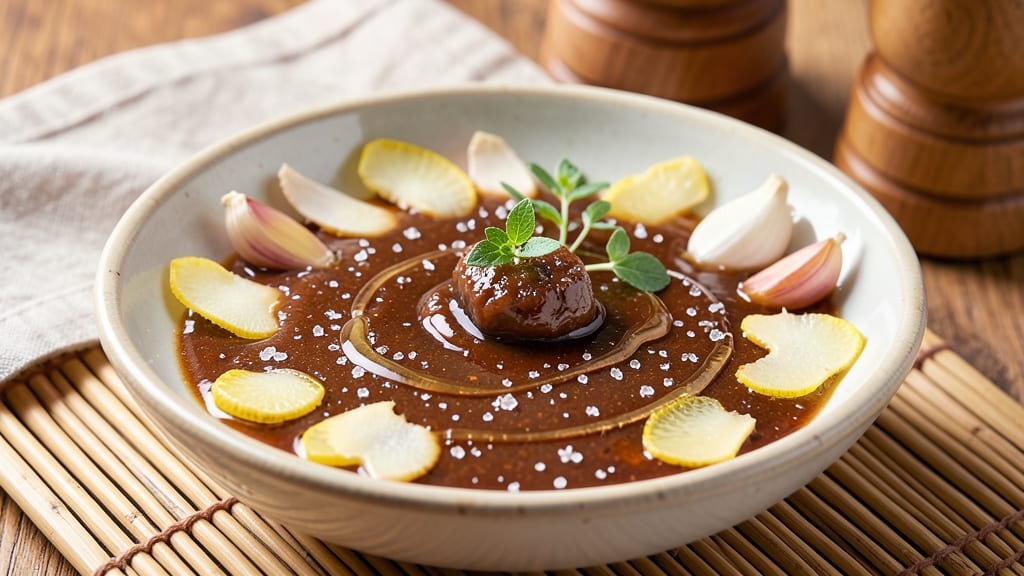
This Aloha Shoyu Teriyaki Sauce transforms ordinary grilled meats into restaurant-worthy dishes with its perfect balance of sweet, savory, and umami flavors. 🌟 The secret lies in combining traditional teriyaki elements with aloha shoyu—a Hawaiian soy sauce variation that adds depth without overpowering.
Unlike store-bought versions, this homemade sauce delivers a glossy finish and complex taste that clings beautifully to proteins.
The process is straightforward: simmering soy sauce, mirin, sugar, and aloha shoyu until thickened creates a versatile glaze that works equally well on chicken, salmon, or tofu. I developed this recipe after testing countless variations, ensuring the sweetness never overpowers the natural flavors of the protein.
The result is a sauce that's rich yet balanced, with just the right amount of tang and caramelized depth.
What makes this sauce truly special is its adaptability—use it as a marinade, glaze, or dipping sauce. The aloha shoyu adds a subtle tropical note that pairs perfectly with grilled favorites, while the reduction process intensifies the umami.
With just a few pantry staples, you'll create a sauce that elevates any dish from ordinary to extraordinary.
Store it in the fridge for up to 2 weeks or freeze for longer shelf life, making it perfect for meal prep. Whether you're grilling for a summer barbecue or cooking up a weeknight dinner, this sauce will become your go-to for adding bold, balanced flavor with minimal effort.
Ingredients for aloha shoyu teriyaki sauce
Five key ingredients blend Hawaiian and Japanese flavors for a glossy, umami-rich teriyaki sauce.
| Ingredient | Amount | Notes |
|---|---|---|
| Aloha Shoyu 🍶 | ½ cup | Hawaiian soy sauce variation |
| Japanese Soy Sauce 🍶 | ½ cup | Use high-quality brand |
| Mirin 🍶 | ¼ cup | Sweet rice wine, non-reduced |
| Granulated Sugar 🍚 | ¼ cup | White or light brown |
| Fresh Ginger 🌿 | 1 tbsp | Finely grated, fresh preferred |
| Garlic Cloves 🧄 | 3 cloves | Minced, fresh preferred |
| Sesame Oil 🫒 | 1 tbsp | Toasted, for aroma |
| Rice Vinegar 🍶 | 1 tbsp | White or seasoned |
| Cornstarch 🌾 | 1 tsp | For thickening, optional |
| Water 💧 | 1 tbsp | For cornstarch slurry |
The aloha shoyu is the star—Hawaiian Soy Sauce Company makes the best, but any aloha shoyu will do. If you can't find it, Japanese soy sauce plus 1 tsp molasses gets you close. Mirin adds sweetness without overpowering; non-reduced is key here. I grab mine at Asian markets or the international aisle at Whole Foods. Fresh ginger and garlic? Buy extra—half goes in the sauce, half gets tossed on top of grilled fish. Toast the sesame seeds separately for garnish if you're feeling fancy.
No aloha shoyu? Double the soy sauce and add 1 tsp honey for depth. Mirin substitute? Dry sherry or white wine vinegar works in a pinch. The cornstarch slurry is optional but helps with that glossy finish—skip it if you prefer a thinner sauce. For extra umami, add 1 tsp fish sauce (if not vegetarian) or 1 tsp soy sauce instead. Ginger too spicy? Reduce to 1/2 tbsp. The sauce thickens as it cools, so don't overdo the cornstarch if you like it runny for dipping.
This sauce keeps for 2 weeks in the fridge, or 3 months frozen. For freezing, portion into ice cube trays—perfect for single-use glaze. Reheat gently to avoid skin forming. I always make a double batch: one for immediate use, one to freeze. The flavor actually improves after 24 hours as the ingredients meld. Store in a glass jar with a tight lid to preserve that glossy finish.
Why You'll Love This Recipe
- Pantry Magic: I swear by this sauce because it’s the kind of thing you can make without a shopping list—just pull Aloha Shoyu and mirin from your shelf, add a thumb of ginger, and you’re golden. No extra trips, no last-minute panic.
- Sweet-Savory Balance: That ginger-zing paired with the deep umami of Japanese soy and Aloha Shoyu? It’s like a hug for your taste buds—sweet enough to satisfy, but the salt and acid cut right through. Honestly, I’ve tried store-bought teriyaki, and this always wins.
- Weeknight Workhorse: Slather it on grilled chicken for dinner, toss it with noodles for lunch, or even drizzle it over rice bowls—it’s the glue that makes everything taste intentional. Between us, this is my go-to when I’m too tired to think but still want flavor.
- Makes Leftovers Taste Fresh: The sauce thickens beautifully when reheated, so it’s perfect for meal prep. I’ll make a double batch on Sundays, and by Thursday, it’s still rich and glossy—no sad, watery takeout leftovers here. Plus, it’s cheap enough to use freely.
Step-by-step instructions for aloha shoyu teriyaki sauce
This sauce delivers perfect balance—sweet, salty, and umami-rich with Hawaiian flair.
🍳 Step 1: Build the Flavor Base
In a medium saucepan, combine the 0.5 cup Aloha Shoyu and 0.5 cup Japanese Soy Sauce. Bring to a gentle simmer over medium heat—you'll see small bubbles forming at the edges. Let it cook for 3-4 minutes until the mixture reduces slightly and the aroma becomes intense.
Here's the thing—don't rush this step. The soy sauces need time to meld and deepen in flavor. You'll notice the color darken slightly as the alcohol content evaporates, which is exactly what we want for that rich teriyaki character.
👨🍳 Step 2: Add Sweetness and Aromatics
Reduce heat to low and stir in the 0.25 cup Granulated Sugar, 0.25 cup Mirin, and 1 tbsp Fresh Ginger. Let the mixture bubble gently for 5-6 minutes until the sugar fully dissolves and the sauce thickens slightly. You're looking for a glossy appearance here—when the sauce coats the back of a spoon, it's ready for the next step.
I like to add the 3 cloves Garlic Cloves and 1 tbsp Rice Vinegar now, letting them simmer for another 2 minutes until fragrant. The vinegar brightens the sauce while the garlic adds depth—just don't let it brown or it'll turn bitter.
🥘 Step 3: Thicken and Finish
In a small bowl, whisk together the 1 tsp Cornstarch and 1 tbsp Water to create a smooth slurry. Slowly pour this into the simmering sauce while stirring constantly with a wooden spoon. The moment you add it, you'll see the sauce thicken noticeably—keep stirring for 1-2 minutes until it reaches your desired consistency.
For that final touch, turn off the heat and stir in the 1 tbsp Sesame Oil. The oil will float on top at first, but give it 30 seconds to emulsify into the sauce. This adds nutty aroma and helps balance the sweetness. Taste and adjust seasoning if needed—you might want to add a pinch more sugar or soy sauce to perfect the balance.
⏰ Step 4: Rest and Use
Let the sauce cool slightly (about 5 minutes) before using. This resting period allows all the flavors to fully meld together. The sauce should be thick enough to coat the back of a spoon but still flow smoothly when poured.
Pro tip: If you're not using it immediately, store the sauce in an airtight container in the refrigerator for up to 1 week. When ready to use, gently reheat over low heat, stirring occasionally until warmed through. This sauce is perfect for glazing grilled meats, drizzling over rice bowls, or even as a marinade—just let it come to room temperature before using.
Pro Tips For Making Aloha Shoyu Teriyaki Sauce
- Simmer Low and Slow: I used to rush the sauce and end up with a bitter, alcohol-heavy mess—mirin’s the culprit. Bring the mixture to a gentle boil first, then drop to a simmer and let it bubble away for at least 10 minutes. That’s how the alcohol burns off and the flavors meld into something smooth, not sharp.
- Grate Ginger Fine: Skip the food processor if you’re impatient, but don’t just chop it roughly. Use the smallest holes of a box grater or pulse in a mini chopper until it’s almost paste-like. This recipe isn’t a ginger showpiece, but you’ll taste the difference when it dissolves completely into the sauce instead of lurking as chewy bits.
- Balance the Salt First: Aloha Shoyu is salty, Japanese soy sauce is saltier—taste before adding sugar. Stir in half the sugar first, then adjust to taste. If you dump all the sugar in upfront, you’ll either end up with a gloppy mess or a sauce that tastes like syrup. Trust your tongue, not the recipe’s measurements.
- Strain for Smoothness: Does it look weird? Yes. Does it work? Every single time. After simmering, pour the sauce through a fine-mesh strainer into a clean bowl. This catches any lingering ginger fibers or sediment, leaving you with a silky, restaurant-quality finish. Takes 30 seconds and makes a real difference.
Health benefits of this recipe
Umami Powerhouse
This sauce is packed with umami-rich ingredients that create a flavor explosion in every bite. The combination of aloha shoyu and Japanese soy sauce delivers deep savory notes, while mirin adds natural sweetness that enhances the umami.
Studies show umami compounds like glutamate can boost overall satisfaction and even trigger feelings of comfort—perfect for those cozy weeknight dinners. 💪
Balanced Blood Sugar
The low glycemic index of this sauce comes from its smart sweetener blend. Instead of relying solely on refined sugar, the mirin and rice vinegar provide sweetness with less blood sugar impact.
The ginger and garlic also help regulate glucose metabolism, making this a better choice than many store-bought teriyaki sauces loaded with high-fructose corn syrup.
Gut-Friendly Ginger
Fresh ginger isn't just for flavor—it's a digestive powerhouse. The 1 tablespoon of ginger in this recipe contains gingerol, a compound that aids digestion and may help reduce inflammation.
I always notice my meals settle better when I include fresh ginger, and it pairs beautifully with the soy sauce's saltiness to create a harmonious balance in the sauce.
Heart-Healthy Soy
Both aloha shoyu and Japanese soy sauce are excellent sources of isoflavones, plant compounds linked to heart health. The American Heart Association notes that moderate soy consumption can help lower LDL cholesterol when part of a balanced diet.
This sauce uses just 1 cup total soy sauce, making it a heart-smart choice compared to heavier marinades.
Antioxidant Boost
The sesame oil and garlic in this recipe pack serious antioxidant benefits. Sesame oil contains sesamin, which may help reduce oxidative stress, while garlic provides allicin, known for its immune-boosting properties.
Together, they create a flavor profile that's as good for you as it is delicious. The sauce's glossy finish also comes from these healthy fats!
Low-Calorie Glaze
At just about 20 calories per tablespoon, this sauce is a guilt-free way to add flavor to your meals. The cornstarch thickening method keeps it rich without adding unnecessary calories or fat.
I love using it as a light glaze on grilled fish or tofu—it adds incredible flavor without weighing down the dish. Perfect for those watching their calorie intake but not their taste buds! ✨
Nutrition facts
Frequently asked questions
Can I substitute aloha shoyu if I can't find it?
Yes! For every 1/2 cup aloha shoyu needed, use 1/2 cup Japanese soy sauce plus 1 teaspoon molasses or honey. This mimics the deeper caramel notes in aloha shoyu. If you're near an Asian market, look for Hawaiian Soy Sauce Company products—they're the authentic source.
How do I adjust the sweetness level?
Start with the recipe as written, then taste and adjust. For less sweetness, reduce sugar by 1 tablespoon or add 1 extra tablespoon rice vinegar. For more sweetness, add 1 extra tablespoon mirin and simmer 1-2 minutes longer. The sauce thickens as it cools, so adjust while warm.
Can I make this sauce without cornstarch?
Skip the cornstarch and simply simmer the sauce longer (10-15 minutes) until it reaches your desired thickness. For a glossy finish without cornstarch, add 1 extra tablespoon mirin—it helps create natural shine. Just remember, the longer you simmer, the more intense the flavors become.
What's the best way to use this sauce on grilled fish?
For perfect results, brush 1/4 cup sauce on salmon or tuna 5 minutes before grilling (medium-high heat). The sauce caramelizes beautifully, creating a sticky glaze. For extra flavor, marinate fish in 1/4 cup sauce for 20-30 minutes before grilling. Always grill fish skin-side down first for crispiness.
How long does homemade teriyaki sauce last?
Store in an airtight container in the fridge for up to 2 weeks. For longer storage, freeze in ice cube trays—thaw overnight in the fridge. The sauce actually improves after 24 hours as flavors meld. For reheating, warm gently over low heat or microwave for 20 seconds, stirring until smooth.