
Sauces & Condiments
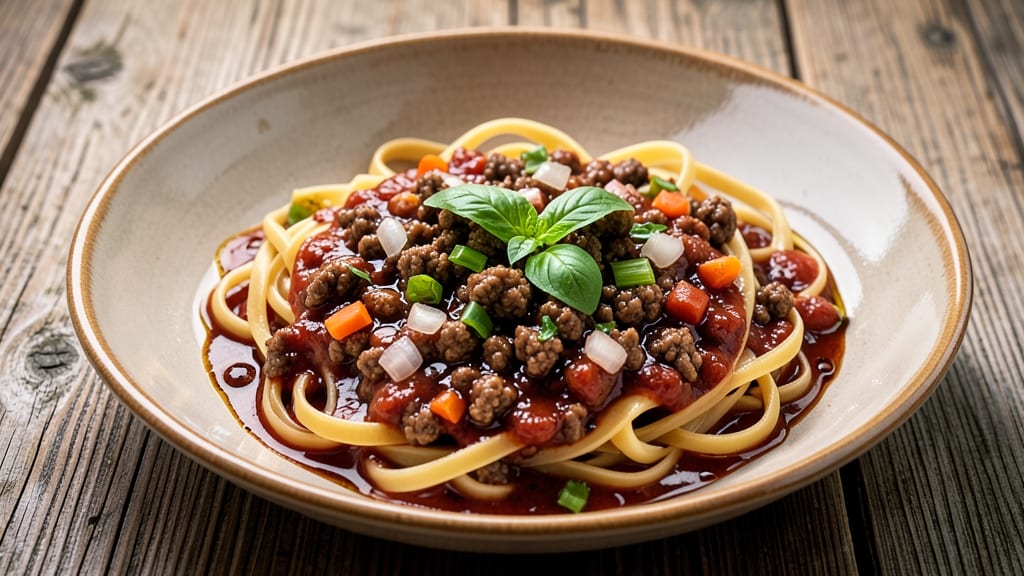
Alton Brown's Bolognese sauce transforms simple ingredients into a rich, velvety masterpiece that elevates every pasta dish. The secret lies in slow-simmered umami depth—browned meat, red wine reduction, and layered herbs create a sauce that's far beyond basic tomato sauce.
This isn't just a recipe; it's a flavor-building process where patience pays off in every tender, aromatic bite.
The foundation begins with properly browning ground beef, which develops deep, caramelized flavors that form the sauce's backbone. Deglazing the pan with wine captures those precious browned bits, while crushed tomatoes and aromatic vegetables infuse the sauce with natural sweetness and acidity.
The result? A sauce that's smooth, complex, and balanced—never bitter, always satisfying.
What sets this Bolognese apart is the fresh basil finish, which adds a bright, herbaceous note that cuts through the richness. The sauce thickens beautifully as it simmers, coating pasta perfectly without turning gluey.
This is the kind of sauce that makes homemade pasta taste like it belongs in a high-end Italian restaurant.
Perfect for meal prep or last-minute dinners, this sauce keeps well for up to five days in the refrigerator. Pair it with al dente pappardelle or serve over polenta for a hearty, comforting meal. Here's how to make it—step by step.
Ingredients for alton brown bolognese sauce
Transforming umami depth into velvety richness: these carefully selected ingredients build Alton Brown's signature Bolognese sauce.
| Ingredient | Amount | Notes |
|---|---|---|
| Ground Beef 🥩 | 1 ½ lb | 80/20 fat ratio preferred |
| Red Wine 🍷 | ½ cup | Bold, dry variety like Cabernet Sauvignon |
| Crushed Tomatoes 🍅 | 28 oz | San Marzano preferred for sweetness |
| Onion 🧅 | 1 whole | Yellow or white, finely diced |
| Carrot 🥕 | 1 whole | Peeled, finely diced |
| Celery 🥬 | 1 whole | Stalk, finely diced |
| Garlic Cloves 🧄 | 4 cloves | Peeled, minced |
| Tomato Paste 🍅 | 2 tbsp | High-quality, no sugar added |
| Fresh Basil Leaves 🌿 | ¼ cup | Packed, stems removed |
| Extra-Virgin Olive Oil 🫒 | ¼ cup | High-quality, fruity |
| Beef Broth 💧 | 1 ½ cups | Homemade or quality low-sodium |
| Dried Oregano 🍃 | 1 tsp | Italian or Mediterranean blend |
| Salt 🧂 | 1 tsp | Diamond Crystal kosher salt |
| Black Pepper 🌶️ | ½ tsp | Freshly ground preferred |
The ground beef's fat ratio is critical—80/20 creates the necessary caramelization for depth. Whole Foods and Costco carry ideal cuts for this purpose, though any supermarket's pre-ground beef works if labeled appropriately. For the wine, bold, dry varieties like Cabernet Sauvignon work best—avoid sweet or oaky options that will overpower the sauce's balance. The San Marzano tomatoes are non-negotiable for their natural sweetness and low acidity, though Muir Glen crushed tomatoes are a reliable alternative. Fresh vegetables should be vibrant: onions should be crisp, carrots should snap when broken, and celery should have a bright green hue.
No red wine? Substitute with additional beef broth plus 1 tbsp balsamic vinegar to mimic acidity. Fresh herbs can be swapped with dried at one-third the quantity—dried basil works in a pinch, though it lacks the bright finish. For tomato paste, Rao's or Barilla brands are excellent choices, offering concentrated flavor without added sugar. The olive oil should be extra-virgin with noticeable fruity notes—California Olive Ranch or Colavita are reliable options. If using pre-minced garlic, rinse it thoroughly to remove excess moisture that can dilute flavors.
This sauce develops flavor over time, so never rush the simmering process. For storage, transfer to airtight containers and refrigerate for up to five days, or freeze for three months in portions. The sauce thickens as it cools, so you may need to add a splash of broth when reheating. For optimal freshness, use within three days of preparation. The basil should be added last to preserve its bright aroma—reserve some fresh leaves for garnish before serving.
Why You'll Love This Recipe
- One-Pot Simplicity: I swear by this recipe because it’s literally one pot—no chopping mountains of garlic or dicing onions into oblivion. Just brown the beef, toss in the wine and tomatoes, and let it simmer while you handle the rest of dinner. That carrot gets diced in two minutes, and boom—you’re done.
- Wine-Infused Depth: The red wine isn’t just for flavor—it’s the secret weapon. That initial splash cuts through the richness of the beef, then melds into a sauce so rich and layered, you’d never guess it’s weeknight-friendly. The tomatoes? They turn velvety, not mushy, and the carrot adds this subtle sweetness that rounds everything out.
- Meal Prep MVP: This sauce begs to be made in bulk. Double the batch, freeze half, and you’ve got a 30-minute dinner ready for any night. I keep a jar in my freezer just for lazy days—thaw, heat, toss with pasta, and suddenly you’re serving restaurant-quality food with zero effort.
- Budget-Friendly Luxury: Ground beef and canned tomatoes make this a steal, but the red wine and slow simmer trick it into feeling fancy. Honestly, it’s the kind of dish where you can stretch a pound of beef into three meals without anyone complaining. My kids don’t even notice the carrot’s there—until they ask for seconds.
Step-by-step instructions for alton brown's bolognese sauce
Master the art of slow-simmered umami with this method—where technique transforms simple ingredients into restaurant-quality depth.
Build the Sofritto Base
Heat the 0.25 cup extra-virgin olive oil in a Dutch oven over medium-low heat. Add the finely diced 1 whole onion, 1 whole carrot, and 1 whole celery (this trio is called sofritto). Cook for 15 minutes, stirring occasionally, until the vegetables soften and release their natural sweetness.
The key here is patience. You want the vegetables to melt into the oil rather than brown—this forms the aromatic foundation. If you see any pieces browning too quickly, reduce the heat slightly. Once the vegetables are tender and translucent, add the 4 cloves minced garlic and cook for another 1 minute until fragrant but not colored. This step ensures your sauce develops maximum flavor without bitterness.
Brown the Ground Beef
Increase heat to medium-high and add the 1.5 lb ground beef, breaking it up with a wooden spoon. Cook for 8-10 minutes, stirring occasionally, until the meat loses its raw color and develops a deep brown crust. This browning, called the Maillard reaction, creates complex flavors that form the sauce's umami backbone.
Here's where precision matters: don't overcrowd the pan. If your Dutch oven isn't large enough, work in batches. Once the beef is fully browned, drain excess fat, leaving about 1 tablespoon in the pot to help build flavor. The beef should be crumbly with no trace of pink remaining.
Deglaze and Incorporate Tomatoes
Pour in the 0.5 cup red wine, scraping up any browned bits from the bottom of the pot. Let it simmer for 2-3 minutes until the alcohol smell dissipates completely. This deglazing step captures all the flavor compounds released during browning.
Next, stir in the 28 oz crushed tomatoes and 2 tbsp tomato paste. Add the 1.5 cups beef broth, 1 tsp dried oregano, 1 tsp salt, and 0.5 tsp black pepper. Bring to a gentle simmer, then reduce heat to low. The sauce should bubble softly—never a vigorous boil, which can make it too acidic.
Simmer for Deep Flavor Development
Cover the pot and let the sauce simmer for 1 hour, stirring occasionally. This slow cooking allows the flavors to meld and the sauce to thicken naturally. The liquid should reduce by about one-third, and the sauce will develop a rich, glossy consistency.
After 1 hour, stir in the 0.25 cup fresh basil leaves (reserved until now to preserve their bright flavor). Continue simmering uncovered for another 15-20 minutes until the sauce reaches your desired thickness. The basil will infuse its aromatic essence while maintaining its vibrant green color. Taste and adjust seasoning—you may need a touch more salt or pepper to balance the flavors.
Rest and Serve
Remove the sauce from heat and let it rest for 10 minutes before serving. This resting period allows the flavors to fully integrate and the sauce to thicken slightly. The basil will continue to release its oils, enhancing the overall aroma.
Serve the bolognese over your choice of pasta or with crusty bread. The sauce should coat the back of a spoon with a velvety texture, offering layers of meaty richness balanced by bright tomato acidity and herbal freshness. For best results, store leftovers in the refrigerator for up to 5 days—the flavors actually improve with time.
Pro Tips For Making Alton Brown Bolognese Sauce
- Brown the Beef Slowly: Alton’s recipe calls for breaking the beef into small pieces first—don’t skip this. Cook them in batches on medium heat, stirring often, until they’re deeply browned but not crisped. I learned this the hard way: rushing it turns the sauce greasy instead of rich.
- Deglaze with Wine Immediately: As soon as you remove the beef, pour in that red wine right away—don’t let it sit. The residual heat will help it reduce faster, and you’ll get way more flavor out of it. If you wait, you’re basically throwing money at the pan.
- Crush the Carrot Finely: This isn’t a mirepoix—you want the carrot almost puréed. Grate it or pulse it in a food processor before cooking. My grandmother swore by this, and she was right: it blends seamlessly into the sauce instead of turning into little chunks you’ll find later.
- Simmer Low and Long: The recipe says hours, but I’ve seen people walk away after 45 minutes. Set a timer for 2 hours minimum—low heat, lid slightly ajar. The longer it cooks, the deeper the flavors meld. (Yes, even if you’re impatient like me.)
Serving suggestions for this recipe
Pasta Pairings
This rich bolognese pairs beautifully with al dente pappardelle—its wide, flat noodles create the perfect surface for sauce clinging. I recommend De Cecco #5 or Barilla pappardelle for that authentic Italian texture.
For a rustic twist, try fresh egg pasta like Bronto pasta sheets, which absorb the sauce while maintaining a tender bite. 🍝
Polenta Perfection
Creamy polenta transforms this sauce into a hearty, comforting meal. Cook 1 cup polenta in 4 cups water with a pinch of salt, stirring constantly for 20 minutes until thick and creamy.
Top with bolognese and grated Parmigiano-Reggiano for a satisfying texture contrast. The sauce's depth complements polenta's mild sweetness beautifully.
Bread Service
Serve with crusty Italian bread like ciabatta or focaccia for dipping. Toast slices in the oven for 5 minutes at 375°F until golden, then rub with garlic and olive oil.
The bread's airy texture soaks up the sauce while adding a satisfying crunch. For extra elegance, sprinkle with freshly cracked black pepper and flaky sea salt.
Vegetable Sides
Bright, fresh sides balance the sauce's richness. A simple arugula salad with lemon vinaigrette (toss 4 cups arugula with 2 tbsp olive oil and 1 tbsp lemon juice) adds peppery contrast.
Roasted baby carrots (tossed with 1 tbsp honey and 1 tsp thyme, roasted at 400°F for 20 minutes) bring natural sweetness. 🥕
Cheese Finishes
Elevate the dish with Parmigiano-Reggiano or Pecorino Romano shavings. Use a microplane for delicate curls that melt into the sauce. For a creamy touch, stir in 1 tbsp heavy cream just before serving—it enhances the sauce's velvety texture without overpowering the flavors.
Garnish with fresh basil leaves for a pop of color and aroma.
Wine Pairings
A bold Chianti Classico or Barolo complements the sauce's depth. The wine's tannins cut through the richness, while its dark fruit notes mirror the bolognese's umami complexity.
For a lighter option, try Pinot Noir—its earthy undertones harmonize beautifully. Avoid oaky whites or sweet wines that clash with the sauce's acidity. 🍷
Nutrition facts
Frequently asked questions
Can I substitute ground beef with another protein?
Yes! For a lighter version, use ground turkey or chicken (93% lean), but reduce simmering time to 45 minutes since poultry cooks faster. For extra richness, try Italian sausage (remove casing) or ground pork—both add depth but may require 1 extra tablespoon tomato paste to balance fat. Never use pre-cooked meats, as they lack the Maillard reaction flavors.
Why does my sauce taste too acidic?
Acidity builds when tomatoes simmer too long uncovered. To fix it, stir in 1 teaspoon sugar or 1 tablespoon honey to balance the tang. For prevention, keep the pot covered during the first 1 hour of simmering and add a pinch of salt earlier—it helps stabilize acidity. If using canned tomatoes, choose low-acid varieties like San Marzano.
How can I make this sauce ahead of time?
This sauce actually tastes better the next day! Cook it completely, then store in an airtight container in the fridge for up to 5 days. For freezing, portion into ziplock bags (remove excess air), then thaw overnight in the fridge. Reheat gently on low heat with a splash of broth—never microwave, as it can make the sauce watery. The flavors deepen as it rests!
What's the secret to getting that perfect velvety texture?
The magic happens in three steps:
- Browning the meat (don't skip this!),
- Simmering low and slow (never boil vigorously), and
- Adding basil at the end. For extra silkiness, mash 1/4 cup of the cooked meat into the sauce during the final 15 minutes of simmering. This creates a smoother consistency without losing texture.
Can I make this in a slow cooker?
Brown the meat in a skillet first, then transfer everything to the slow cooker. Cook on LOW for 6-7 hours or HIGH for 4 hours, stirring once halfway. The slow cooker's gentle heat prevents acidity buildup. Add basil in the last 30 minutes to preserve its freshness. For best results, use a 6-quart model to avoid overcrowding.