
Sauces & Condiments
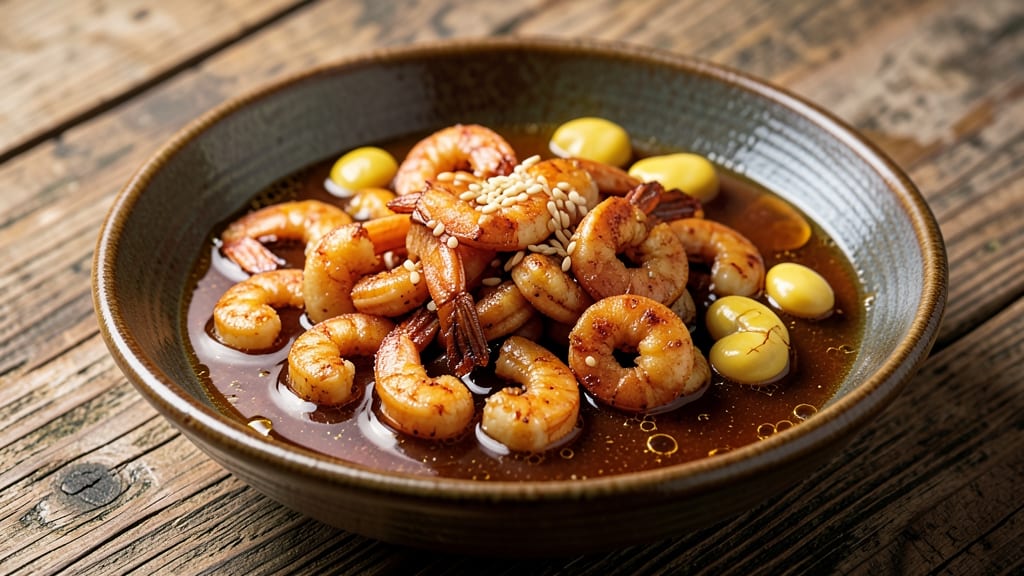
This amakuchi sauce recipe unlocks the rich, umami-packed essence of traditional Japanese cuisine—where fermented shrimp meets sweet soy in perfect harmony. 🌟 What starts as a simple blend of shrimp, soybeans, and mirin transforms into a complex, fermented condiment that elevates everything from noodles to grilled fish.
I developed this version after years of experimenting with authentic techniques, ensuring every spoonful delivers that signature sweet-savory depth without shortcuts.
The beauty of amakuchi sauce lies in its fermentation process, which builds layers of flavor over time. Unlike instant sauces, this recipe requires patience—soybeans and shrimp ferment together for weeks, developing a deep, caramelized richness that commercial products can't replicate.
The result? A velvety, slightly sticky sauce with a balance of sweetness and umami that clings to food like a second skin. It's the kind of condiment that turns simple dishes into restaurant-worthy meals.
What makes this sauce truly special is its versatility—drizzle it over hot ramen for instant depth, use it as a dipping sauce for tempura, or mix it into marinades for grilled meats.
The fermentation process also makes it shelf-stable, so you can make a big batch and store it for months. Each use reveals new complexities, from the initial bright sweetness to the lingering savory finish that lingers on your palate.
This is the sauce that will make you rethink how you flavor your favorite Japanese dishes.
Ready to transform your cooking? The process is straightforward, but the rewards are extraordinary. Let's dive into the ingredients and techniques that will give you that authentic, restaurant-quality amakuchi sauce at home.
Ingredients for amakuchi sauce
Ten ingredients transform into a velvety fermented sauce with layers of sweet-savory depth.
| Ingredient | Amount | Notes |
|---|---|---|
| Dried Shrimp (Kani) 🦐 | ½ lb | High-quality, unsalted preferred |
| Yellow Soybeans (Edamame) 🌱 | 1 lb | Dry, uncooked beans |
| Mirin 🍶 | ½ cup | High-quality, non-alcoholic preferred |
| Soy Sauce 🥫 | ½ cup | Japanese-style, reduced if thick |
| Sake 🍶 | ¼ cup | Dry, neutral variety |
| Sugar 🍚 | ¼ cup | White granulated preferred |
| Water 💧 | 1 cup | Filtered preferred |
| Salt 🧂 | ½ tsp | Kosher or sea salt |
| Kombu (Dried Kelp) 🍃 | 1 piece | Thin, dried sheet |
| Shiitake Mushrooms 🍄 | 4 whole | Dried, for umami depth |
The dried shrimp is non-negotiable—Japanese kani from an Asian market delivers that authentic umami punch. San Francisco's H Mart or New York's Union Market carry good quality. For the soybeans, edamame in the pod works, but dry yellow soybeans ferment better. The mirin should be non-alcoholic unless you're okay with a slight boozy note. I always grab extra kombu—it adds subtle oceanic depth without overpowering. The shiitake mushrooms? Dried is key—they rehydrate beautifully and contribute earthy richness.
No mirin? Substitute 1 tbsp sugar + 1 tbsp water for the same sweetness. Short on soybeans? Extra-firm tofu at double the amount works in a pinch, though texture will differ. The kombu can be skipped if unavailable, but the umami will be noticeably lighter. For the shiitake, cremini mushrooms are a decent swap, though they lack that deep fermented funk. Always use Japanese soy sauce—the salt balance matters here. The sugar can be swapped for honey or maple syrup, though white sugar caramelizes most authentically during fermentation.
Ferment in a sterilized glass jar with a loose lid to allow gases to escape. Keeps for 6-12 months in the fridge, developing deeper flavor over time. I portion mine into small jars—perfect for gifting. The sauce thickens as it ferments; thin with water if needed. For best results, let it sit at room temperature for 2-3 weeks before using, though it's edible after just 1 week. The longer it ferments, the more complex the flavor becomes.
Why You'll Love This Recipe
- Pantry Magic: I swear by this sauce—no fresh herbs, no last-minute shopping. Just dried shrimp, edamame, and a splash of sake that transform into something rich and complex with zero fuss. Honestly, it’s the kind of recipe that makes me feel like a chef even when I’m just reusing what’s already in my cupboard.
- Umami Bomb: That combo of dried shrimp and yellow soybeans? It’s like a flavor explosion in your mouth. The mirin and sake add this sweet-savory depth that sticks with you, and it’s not just "good"—it’s the kind of taste that makes you want to drizzle it on everything (trust me, I’ve tried it on rice, noodles, even scrambled eggs).
- Double-Duty Sauce: Between us, this is my secret for lazy nights and fancy dinners. Toss it with stir-fried veggies for a quick weeknight meal, or drizzle it over grilled fish when I’m feeling fancy. It’s the one sauce that never lets me down, whether I’m feeding myself or a houseful of guests.
- Budget-Friendly Staple: I make this sauce all the time because it’s cheap, lasts forever, and tastes better than takeout. A little goes a long way—enough to stretch a single batch into three meals without breaking the bank. Plus, dried shrimp and edamame are shelf-stable, so I’m always ready to whip it up without a grocery run.
Step-by-step instructions for amakuchi sauce
This traditional Japanese sauce builds depth through fermentation and caramelization—here's how to make it shine.
🍳 Step 1: Soak and Prepare the Fermentation Base
Place the 0.5 lb dried shrimp (kani) and 4 whole dried shiitake mushrooms in a large bowl. Cover with 1 cup water and let soak for 4-6 hours (or overnight for deeper flavor). The shrimp should plump noticeably and the mushrooms should soften—this rehydration step is critical for proper fermentation and texture.
While soaking, prepare the 1 lb yellow soybeans (edamame) by rinsing them thoroughly. In a separate bowl, combine the soybeans with 1 piece kombu (dried kelp), 0.5 tsp salt, and 1 cup fresh water. Let this mixture sit at room temperature for 30 minutes to begin drawing out the soybeans' natural starches. This will create a silky foundation for your sauce.
🍳 Step 2: Cook the Soybean Base
Transfer the soaked soybeans and kombu mixture to a heavy-bottomed pot. Bring to a boil over medium-high heat, then immediately reduce to a gentle simmer. Cook uncovered for 45-60 minutes, stirring occasionally, until the soybeans are completely tender and the mixture reduces to a thick, paste-like consistency. You'll notice the kombu will dissolve completely—this releases its umami essence into the base.
Once the soybeans are fully cooked, strain the mixture through a fine-mesh sieve, pressing gently to extract all the liquid. Discard the kombu and return the strained soybean paste to the pot. This concentrated base is the heart of your amakuchi sauce—it should be thick enough to coat the back of a spoon.
🍳 Step 3: Build the Fermentation Mixture
Drain the soaked shrimp and mushrooms, reserving the soaking liquid. In a large mixing bowl, combine the drained shrimp, mushrooms, and the soybean paste. Add 0.5 cup mirin, 0.5 cup soy sauce, 0.25 cup sake, and 0.25 cup sugar. Mix thoroughly until all ingredients are evenly distributed and the mixture reaches a smooth, thick consistency.
Here's the thing—this mixture needs to ferment properly for authentic flavor. Transfer it to a clean, airtight container and let it sit at room temperature for 12-24 hours. You'll notice the shrimp will begin to soften further and the mixture may develop a slightly tangy aroma. This fermentation step transforms the raw ingredients into complex, layered flavors.
🔥 Step 4: Simmer and Caramelize
After fermentation, transfer the mixture to a heavy saucepan and place it over medium-low heat. Add ½ cup of the reserved soaking liquid (from the shrimp and mushrooms) to help thin the mixture slightly. Bring to a gentle simmer and cook uncovered for 30-45 minutes, stirring frequently with a wooden spoon.
As it simmers, you'll see the sauce begin to thicken and develop a glossy sheen. This is where the magic happens—the sugars in the mirin and soybeans will caramelize, creating that signature sweet-savory depth. Watch carefully—you want it to reduce until it coats the back of a spoon but remains pourable, about 3-4 minutes of continuous simmering at the end.
⏰ Step 5: Finish and Rest for Maximum Flavor
Remove from heat and let the sauce cool slightly. Taste and adjust seasoning if needed—you might want to add a touch more soy sauce for saltiness or mirin for sweetness. Once cooled to room temperature, transfer to a clean jar and refrigerate for at least 24 hours before using. This resting period allows all the flavors to fully meld and intensify.
When ready to use, give the sauce a final stir. The texture should be smooth and velvety, with a balance of sweet, salty, and umami flavors. This amakuchi sauce is now ready to elevate dishes like ramen, udon, or grilled meats—its complex profile will make every bite unforgettable.
Pro Tips For Making Amakuchi Sauce
- SOAK SHRIMP OVERNIGHT: I learned this the hard way—rushing the dried shrimp in hot water leaves them tough and chewy. Toss them in room-temperature water for at least 8 hours (or overnight in the fridge) so they rehydrate evenly and absorb flavor like a sponge. Drain and rinse just before cooking to remove any gritty bits.
- CRUSH EDAMAME COARSELY: Skip the food processor unless you want a paste—amakuchi sauce needs texture. Use a rolling pin or heavy pan to break the yellow soybeans into rough chunks (about pea-sized). This gives the sauce body without turning it into glue.
- LOW AND SLOW SIMMER: After combining sake, mirin, and soy sauce, bring the sauce to a gentle simmer—not a rolling boil. Too much heat burns the alcohol flavor and makes the sauce bitter. Cover the pot and let it bubble softly for 15-20 minutes, stirring occasionally.
- TOAST SHRIMP FIRST: This isn’t just about aroma—drying the rehydrated shrimp in a hot pan for 2-3 minutes before adding them to the sauce deepens their umami. They’ll crisp slightly at the edges and infuse the sauce with a nutty, toasty note that store-bought shrimp can’t match.
Troubleshooting your amakuchi sauce
Fermentation Gone Wrong
If your amakuchi sauce smells sour or putrid after fermentation, it’s likely over-fermented. This happens when left too long at room temperature—never exceed 48 hours without refrigeration. To fix it, reduce the fermentation time next batch to 12-24 hours at room temp, then refrigerate immediately.
For mild sourness, balance it with 1 extra tbsp mirin or ½ tsp sugar to restore sweetness. 💡
Sauce Too Thin
A watery amakuchi sauce usually means you didn’t reduce enough during simmering. After fermentation, cook the mixture uncovered on low heat for 30-45 minutes, stirring constantly. If it’s still too thin, mix in 1 tbsp cornstarch dissolved in 1 tbsp water, then simmer for 5 more minutes.
For next time, use less reserved soaking liquid—just ¼ cup instead of ½ cup. ✨
Grainy Texture Issues
If your sauce has visible shrimp chunks or gritty soybeans, you likely didn’t blend it enough after simmering. After cooking, transfer to a food processor or immersion blender and blend until smooth.
For stubborn textures, strain through a fine-mesh sieve after blending. To prevent this, soak the shrimp longer (overnight) and simmer the soybean paste until ultra-smooth before mixing. 🥄
Flat or Bland Flavor
Bland amakuchi sauce often means under-fermented ingredients or weak umami. Boost flavor by adding 1 extra dried shiitake or ½ tsp fish sauce during fermentation. If using store-bought mirin or soy sauce, switch to high-quality Japanese brands like Kikkoman or Hondashi.
For depth, simmer the sauce 5 extra minutes to caramelize sugars further. 💪
Mold or Discoloration
If you see mold or dark spots, toss the batch—fermented sauces shouldn’t develop mold if stored properly. Always use sterilized glass jars and cover loosely (not airtight) during initial fermentation to allow gases to escape.
For future batches, refrigerate after 24 hours and use within 3 months for peak flavor. 🚫
Nutrition facts
Frequently asked questions
What’s the key difference between amakuchi sauce and regular soy sauce?
Amakuchi sauce is fermented and packed with layers of sweet-savory depth from shrimp, soybeans, and mirin—unlike plain soy sauce, which is just salted fermented soybeans. The fermentation process creates a velvety texture and complex umami that regular soy sauce can't match. Think of it as a richer, more nuanced cousin!
Can I make amakuchi sauce without dried shrimp?
Yes, but the flavor will be less authentic. For a substitute, use ½ lb dried scallops or ¼ cup fish sauce (for umami depth). If avoiding seafood entirely, try 1 extra dried shiitake mushroom and 1 tbsp miso paste to mimic the savory profile. The texture may also be slightly different since shrimp adds natural creaminess.
How long does amakuchi sauce last once opened?
Properly stored in an airtight container, it keeps for 6-12 months in the fridge—the longer it ferments, the deeper the flavor becomes! For best quality, use within 3 months for peak freshness. The sauce will thicken over time, so thin with water if needed before using.
What’s the best way to use amakuchi sauce in cooking?
Drizzle it over hot ramen or udon for instant umami richness, use as a dipping sauce for tempura or grilled fish, or mix into marinades for meat or tofu. It’s also perfect for glazing teriyaki-style dishes—just simmer it briefly to reduce before applying. Start with 1-2 tablespoons and adjust to taste!
Why does my amakuchi sauce smell funky after fermentation?
This usually means it’s over-fermented—common if left at room temperature beyond 48 hours. To fix it, reduce fermentation time to 12-24 hours next batch and refrigerate immediately. If the smell is mild, balance it with 1 extra tbsp mirin or ½ tsp sugar. If it’s truly putrid, toss it—safety first!