
Sauces & Condiments
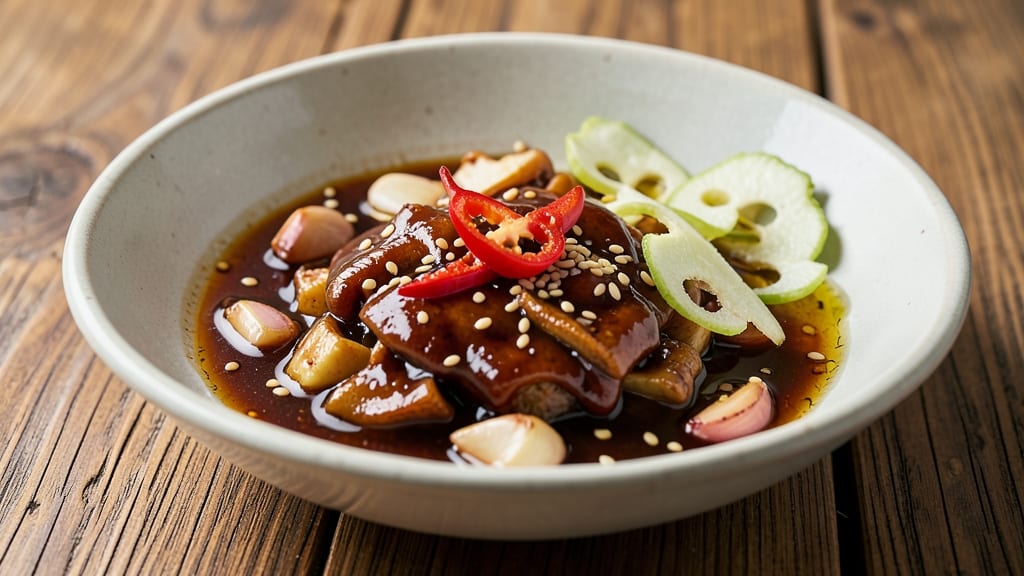
This amazing stir fry sauce recipe transforms your wok dishes from good to unforgettable with just a few simple ingredients. 🔥 The secret lies in balancing sweet, salty, and umami flavors—no fancy techniques required.
I've been perfecting this blend for years, and it's now my go-to for everything from quick weeknight dinners to restaurant-worthy stir-fries.
The magic happens with a rich base of soy sauce, honey, and garlic, elevated by a splash of rice vinegar for brightness and a touch of sesame oil for depth.
What sets this apart is the umami boost from fish sauce and a hint of ginger, which adds warmth without overpowering. The sauce is sticky enough to coat every bite but light enough to let your ingredients shine.
What you'll end up with is a sauce that's perfectly balanced—sweet enough to caramelize your veggies, salty enough to enhance your protein, and aromatic enough to make your kitchen smell like a bustling Asian market.
It's the kind of sauce that turns simple stir-fries into something special, whether you're tossing shrimp, chicken, or tofu.
Best of all, this sauce keeps well in the fridge for up to a week, so you can make a big batch and have it ready for any stir-fry craving. Let's get cooking!
Ingredients for amazing stir fry sauce
Nine simple ingredients blend into a sauce that turns any stir-fry into a flavor explosion.
| Ingredient | Amount | Notes |
|---|---|---|
| Soy Sauce 🍶 | ½ cup | Light or dark variety preferred |
| Honey 🍯 | ¼ cup | Pure, unprocessed honey |
| Garlic Cloves 🧄 | 4 cloves | Minced finely for depth |
| Rice Vinegar 🍶 | ¼ cup | White or seasoned variety |
| Sesame Oil 🫒 | 1 tbsp | Toasted sesame oil preferred |
| Fish Sauce 🍶 | 2 tbsp | Red Boat brand recommended |
| Fresh Ginger 🌿 | 1 tbsp | Grated finely for warmth |
| Cornstarch 🌾 | 1 tbsp | For thickening consistency |
| Water 💧 | ¼ cup | Room temperature preferred |
| Salt 🧂 | 1 tsp | Adjust to taste |
Soy sauce is the backbone here—Kikkoman or Lee Kum Kee are my go-tos, but any good-quality brand works. Honey should be pure, no additives, for that perfect sweetness. Garlic and ginger? Fresh is non-negotiable—dried just won’t cut it. I always grab extra ginger at Asian markets because it keeps so well. The fish sauce is where the umami magic happens—Red Boat is my top pick, but if you can’t find it, any reputable brand will do. Just make sure it’s not too fishy-smelling, which means it’s gone bad.
No honey? Maple syrup works in a pinch, though it’s slightly thicker. Out of rice vinegar? Apple cider vinegar is a solid swap, but you’ll taste the difference. Sesame oil is optional but adds that signature nutty depth—skip it if you’re avoiding oil, but trust me, it’s worth it. The cornstarch is key for that perfect glossy finish. If you don’t have it, arrowroot powder at the same amount does the job too. And if you’re making this ahead, store the sauce without the sesame oil—add it fresh before using to keep the aroma vibrant.
This sauce keeps for up to 1 week in the fridge, sealed tightly. I like to make a big batch and freeze half in ice cube trays—just pop out what you need for quick stir-fries. The longer it sits, the more the flavors meld, so if you can wait a day before using it, do it. And if you’re feeling fancy, add a splash of sesame oil right before serving—it’ll make your kitchen smell like a bustling street market.
Why You'll Love This Recipe
- Pantry Magic: I swear by this sauce because it uses stuff I already have—no special shopping trips. That honey and sesame oil combo? Pure magic for balancing the sharp garlic and tangy vinegar.
- Umami Bomb: The garlic cloves get a quick sizzle before blending, which deepens their flavor into something almost caramelized. That’s the secret—it’s not just good, it’s ridiculously good.
- Weeknight & Party: Same sauce works for tossing with chicken on a Tuesday or drizzling over noodles for guests. Honestly, I’ve used it on everything from egg rolls to grilled shrimp, and it never lets me down.
- Budget-Friendly Powerhouse: A little goes a long way, so I make a big batch and keep it in the fridge. Costs pennies per serving, and I’ve never had leftovers last less than a week. (Yes, even on a Tuesday night.)
Step-by-step instructions for umami-packed stir fry sauce
This sauce delivers restaurant-quality depth with just 10 minutes of active work.
🍳 Step 1: Bloom the Aromatics in Sesame Oil
Heat a small saucepan over medium heat and add the 1 tablespoon sesame oil. Let it warm for 30 seconds until fragrant—you'll smell that nutty toasted aroma we're after. Add the 4 minced garlic cloves and 1 tablespoon grated fresh ginger, stirring constantly for 30 seconds until the garlic turns golden and aromatic.
Here's the thing—don't let the garlic burn. It should smell sweet and pungent, not bitter. If it starts to darken too quickly, reduce the heat slightly. These aromatics form the flavor foundation, so take your time with this step. The saucepan should be hot but not smoking.
🥘 Step 2: Combine Wet Ingredients
Remove the saucepan from heat and let it cool slightly for 1 minute. Add the 0.5 cup soy sauce, 0.25 cup honey, 0.25 cup rice vinegar, 2 tablespoons fish sauce, 1 teaspoon salt, and 0.25 cup water. Stir well to combine—you're looking for a smooth, well-mixed base.
I like to taste at this stage to check the balance. The sauce should be tangy from the vinegar, sweet from the honey, and salty from the soy and fish sauce. If it tastes too sweet, add a splash more rice vinegar. If it needs more depth, add another teaspoon of fish sauce. This is where you customize the sauce to your taste.
🔥 Step 3: Simmer and Thicken
Return the saucepan to medium-low heat and bring the mixture to a gentle simmer. Let it bubble for 3-4 minutes until it reduces slightly and becomes glossy. This is where the flavors meld together—watch for the sauce to thicken just a bit, but don't let it boil vigorously or it'll separate.
While it simmers, prepare the cornstarch slurry by whisking the 1 tablespoon cornstarch with 2 tablespoons water until completely dissolved. The slurry should be smooth with no lumps—strain it through a fine-mesh sieve if needed. This slurry is your thickening secret weapon.
⏰ Step 4: Finish with Perfect Thickness
Remove the saucepan from heat and slowly pour in the cornstarch slurry while whisking continuously. Return to low heat and let it simmer for 1-2 minutes until it thickens to a glossy, coatable consistency—it should coat the back of a spoon but still be pourable. The sauce should be thick enough to cling to stir-fried vegetables and meat but still flow smoothly.
Here's the perfect test: Dip a clean spoon into the sauce and let it drip back into the pan. If it forms a slow, even stream that doesn't immediately break apart, you've nailed the consistency. If it's too thick, whisk in another teaspoon of water. If it's too thin, simmer for another 30 seconds. This sauce should be balanced between clingy and pourable.
🍽️ Step 5: Rest and Adjust
Transfer the sauce to a bowl and let it cool for 5 minutes—this resting period allows the flavors to fully develop and the sauce to reach its perfect texture. Taste again and make any final adjustments: more salt for seasoning, more vinegar for tang, or more honey for sweetness.
This sauce keeps its best flavor when used immediately, but it'll hold in the refrigerator for up to 1 week if stored in an airtight container. I promise you'll want to make this again and again—it transforms simple stir-fries into restaurant-worthy meals. The perfect balance of sweet, salty, umami, and tang makes every bite irresistible.
Pro Tips For Making Amazing Stir Fry Sauce
- Minced Garlic First: DESCRIPTION: Toss finely minced (not chopped) garlic into the pan before adding any other ingredients—it cooks faster and won’t burn into bitterness. I learned this the hard way after one batch tasted like charred regret; now I do it last-minute while the wok’s still cold.
- Balance the Honey: DESCRIPTION: Start with half the honey and taste—it’s easy to overdo it. The sauce should glaze but not cloy; if it’s too sweet, a splash of rice vinegar (about 1 tsp) cuts through it. My grandmother swore by this, and she was right: the vinegar’s acidity makes the honey shine.
- Low and Slow Finish: DESCRIPTION: After adding soy sauce and vinegar, turn the heat to low and let the sauce simmer for 2–3 minutes. Rushing keeps the garlic raw and the flavors flat. Sounds weird, but it works: the heat mellows the sharpness and lets the sesame oil bloom properly.
- Skip the Bottled Sesame Oil: DESCRIPTION: Use toasted sesame oil (the dark, nutty kind) sparingly—just ½ tsp at the end. Bottled oil is cheap but tastes like perfume; the real stuff adds depth. I was skeptical until I tried it, and now I won’t go back. Add it last so the aroma stays intact.
Wine and beer pairings for amazing stir fry sauce
Crisp White Wine
For this balanced stir fry sauce, I reach for a dry Riesling or Sauvignon Blanc—their bright acidity cuts through the sauce's richness while complementing the umami depth. A German Riesling like Dr. Loosen Blue Slate (around $15) has mineral notes that pair beautifully with the ginger and garlic.
If you prefer New World wines, a New Zealand Sauvignon Blanc like Oyster Bay ($12) brings citrusy freshness that enhances the rice vinegar's tang. 🍷
Light-Bodied Beer
A crisp pilsner or wheat beer works wonders with stir fry sauce—just avoid heavy stouts or lagers that might clash. I love Peroni (Italian lager) for its subtle bitterness that balances the sauce's sweetness, or Blue Moon (Belgian-style witbier) for its coriander notes that echo the ginger.
For a local option, Corona Extra ($4) with its citrusy lime finish complements the rice vinegar perfectly. Serve slightly chilled to refresh your palate between bites. 🍺
Sake Pairing
If you're feeling adventurous, dry sake (like Dassai 23 from Japan) is a game-changer—its clean, nutty profile mirrors the sesame oil while enhancing the umami. I recommend serving it chilled (not ice cold) to preserve its delicate aromas.
For a budget-friendly option, Suntory Tokkuri ($12) delivers excellent quality. The sake's subtle sweetness also harmonizes with the honey in the sauce without overpowering it. 🍶
Non-Alcoholic Options
Don't drink alcohol? No problem. A sparkling yuzu soda (like San Pellegrino Aranciata Rossa) brings citrusy brightness that mimics wine's acidity. For a more savory option, try ginger beer (like Feather's)—its spicy kick complements the ginger in the sauce.
Even a cucumber-mint infused water with a squeeze of lime keeps things refreshing while balancing the sauce's bold flavors. 💧
Serving Temperature
Regardless of your choice, serve all beverages chilled (around 45°F) to contrast the warm stir fry. I like to pour wine or beer into wide-rimmed glasses to concentrate the aromas, while sake should go in small chilled cups.
Pro tip: Add a few ice cubes to your glass just before serving—it melts slowly, keeping drinks cold without diluting them too quickly. This makes every sip feel special alongside your homemade sauce. ✨
Nutrition facts
Frequently asked questions
Can I make this stir fry sauce without fish sauce?
For a vegetarian version, replace the 2 tablespoons fish sauce with 1 tablespoon soy sauce plus 1 tablespoon vegetarian fish sauce substitute (like Vegan Fish Sauce by Red Boat) or 1 tablespoon coconut aminos plus ½ teaspoon miso paste for umami depth. The sauce will still be delicious—just slightly less complex.
How do I adjust the sauce for spicy stir-fries?
Add 1-2 teaspoons of sriracha or chili garlic sauce to the finished sauce for heat, or stir in ½ teaspoon of red pepper flakes while simmering. For extra depth, include 1 teaspoon of chili paste (like sambal oelek) with the wet ingredients. Start with less—you can always add more spice later!
Can I use this sauce for dishes other than stir-fry?
This versatile sauce works perfectly for glazing proteins (like grilled chicken or pork), marinating tofu, or even as a dipping sauce for dumplings or spring rolls. For noodles, thin it with 1-2 tablespoons of water or broth to create a lighter sauce. The balance of flavors holds up beautifully in any application!
Why did my sauce get too thick?
Over-thickening usually happens when the cornstarch slurry cooks too long or the heat is too high. To fix it, whisk in 1 teaspoon of warm water at a time until you reach the desired consistency. For prevention, reduce the heat to low after adding the slurry and stir constantly for just 1-2 minutes. The sauce should coat the back of a spoon but still flow smoothly.
How can I make this sauce sweeter or less sweet?
For a sweeter sauce, add 1-2 tablespoons more honey (or maple syrup) and simmer for 1 extra minute to blend. To reduce sweetness, stir in 1-2 teaspoons of rice vinegar or lemon juice and taste as you go. Remember, flavors meld better after the sauce rests for 5 minutes, so adjust gradually!