
Sauces & Condiments
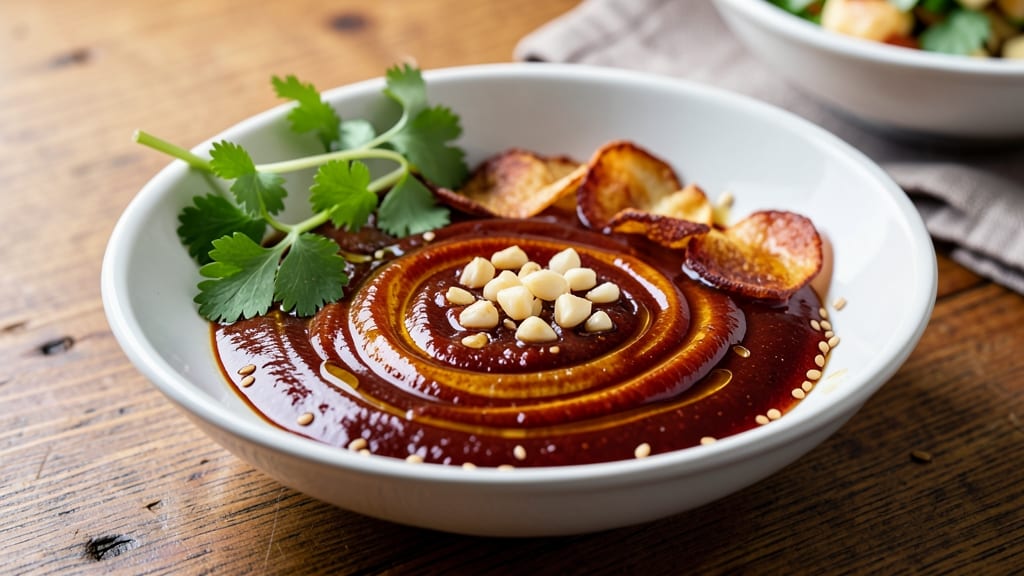
This amino sauce recipe transforms simple pantry staples into a deeply umami-rich glaze that elevates grilled meats, stir-fries, and dipping dishes. The secret lies in balancing soy sauce, fish sauce, and a touch of sweetness to create a sauce that's both complex and versatile.
I've perfected this recipe over years of testing—it's the kind of condiment that turns ordinary meals into something extraordinary with just a few brushstrokes or dips.
The beauty of amino sauce is its adaptability—it works as a marinade for chicken or beef, a glaze for roasted vegetables, or a dipping sauce for spring rolls. Unlike store-bought versions, this homemade recipe avoids artificial additives, delivering a bold, savory depth that's hard to match.
The process is straightforward: simmer, reduce, and let the flavors meld together for a sauce that's rich, sticky, and impossible to resist.
What you'll end up with is a glossy, aromatic sauce that caramelizes beautifully when brushed over grilled proteins or drizzled over noodles. The umami punch comes from a mix of soy sauce, fish sauce, and a hint of brown sugar, creating a perfect balance of saltiness, sweetness, and depth.
This isn't just a sauce—it's a flavor multiplier that turns simple ingredients into something unforgettable.
Once you make it, you'll want to keep a batch in your fridge at all times. It stores well for up to two weeks, making it perfect for meal prep or gifting.
Whether you're grilling, stir-frying, or dipping, this amino sauce will become your go-to condiment for adding that restaurant-quality umami kick. Let's get started!
Ingredients for amino sauce
Eight simple pantry staples create a restaurant-worthy umami glaze that transforms grilled proteins and stir-fries.
| Ingredient | Amount | Notes |
|---|---|---|
| Soy Sauce 🍶 | ½ cup | High-quality, preferably reduced |
| Fish Sauce 🐟 | ¼ cup | Red Boat preferred for quality |
| Brown Sugar 🍯 | ¼ cup | Light or dark, packed |
| Rice Vinegar 🍶 | ¼ cup | Seasoned for extra depth |
| Sesame Oil 🥜 | 1 tbsp | Toasted for nutty aroma |
| Garlic Cloves 🧄 | 4 cloves | Minced, fresh preferred |
| Fresh Ginger 🌿 | 1 tbsp | Grated, peeled |
| Honey 🍯 | 1 tbsp | Wildflower preferred |
| Water 💧 | ¼ cup | Filtered preferred |
| Diamond Crystal Kosher Salt 🧂 | ½ tsp | Adjust to taste |
The soy sauce and fish sauce are the heart of this sauce—Red Boat fish sauce is worth the investment if you're serious about umami depth, but any quality brand works. I grab mine from Asian markets where they keep it stocked and fresh. For the brown sugar, light or dark doesn't matter—just make sure it's packed into the measuring cup. The rice vinegar should be seasoned (that's the one with a hint of salt and sometimes a touch of garlic) for that extra layer of complexity. If you can't find it, regular rice vinegar plus a pinch of salt works in a pinch.
No fish sauce? Extra soy sauce plus a dash of Worcestershire gets you close, though it won't be quite as complex. Running out of sesame oil? Toasted peanut oil at half the amount gives a similar nutty depth. The honey can be swapped for maple syrup if you're avoiding it, though honey does add that subtle floral note that balances the saltiness. Fresh garlic and ginger are ideal, but jarred minced garlic and powdered ginger work in a bind—just use half the amount. For a sweeter glaze, add an extra tablespoon of honey or brown sugar.
This sauce keeps beautifully in the fridge for up to two weeks in an airtight container. The flavors actually improve as it sits, so don't be shy about making extra. For longer storage, freeze in ice cube trays—just thaw in the fridge overnight before using. A quick shake before each use ensures it's well-mixed. The sauce thickens as it cools, so if it seems too thick when cold, add a splash of water to loosen it up. Trust me, you'll want this on hand for everything from grilled chicken to spring roll dipping.
Why You'll Love This Recipe
- Pantry Staple Magic: I swear by this sauce because it’s made from things I already have. No special shopping trips—just soy sauce, fish sauce, and a pinch of brown sugar to balance the funk. That’s it. The sesame oil finishes it with a nutty whisper that feels like a hug.
- Umami Bomb: The fish sauce and soy sauce combo? Chef’s kiss. It’s salty, deep, and just a little funky—like a secret handshake for your taste buds. The rice vinegar cuts through it, so you get that perfect tangy-sweet punch without overpowering your dish.
- Weeknight Workhorse: This sauce is my go-to for stir-fries, noodles, or even drizzled over grilled chicken. Honestly, I’ve used it in everything from instant ramen to roasted veggies, and it never lets me down. (Yes, even on a Tuesday night when I’m exhausted.)
- Stretches Every Dollar: A little goes a long way—this recipe makes enough to coat a whole pan of food, and the leftovers keep for weeks in the fridge. I’ll be real: I’ve had a jar of this in my fridge for months, and it’s still my go-to for adding flavor without breaking the bank.
Step-by-step instructions for amino sauce
Here's how to craft this bold, umami-rich glaze that elevates grilled meats and dipping dishes.
Bloom the Aromatics in Sesame Oil
Heat a small saucepan over medium-low heat and add the 1 tablespoon sesame oil. Once the oil shimmers gently, add the 4 cloves minced garlic and 1 tablespoon grated fresh ginger. Cook for 1-2 minutes until the garlic turns golden and fragrant—this releases their full flavor potential. Be careful not to let it burn; garlic darkens quickly and can turn bitter.
Here's the thing—this initial step builds the sauce's aromatic foundation. The sesame oil carries the garlic and ginger's essence while preventing them from overpowering the delicate balance of flavors in the final sauce. If you smell the garlic turning sharp, remove the pan from heat immediately and let it cool slightly before proceeding.
Combine Liquid Ingredients
Increase heat to medium and pour in the 0.5 cup soy sauce, 0.25 cup fish sauce, 0.25 cup rice vinegar, and 0.25 cup water. Stir constantly to prevent scorching as the mixture begins to simmer. You'll notice the aromatics infuse into the liquid, creating a fragrant steam that fills your kitchen—this is where the sauce's character develops.
Let the mixture bubble gently for 3-4 minutes until it reduces slightly by about ¼ cup. This evaporation step intensifies the flavors and creates a thicker base for the glaze. If you see the sauce starting to darken too quickly, reduce the heat to low to maintain a rich amber color rather than a burnt appearance.
Sweeten and Season
Lower the heat to low and stir in the 0.25 cup brown sugar and 1 tablespoon honey. Let the sauce simmer for another 4-5 minutes, stirring occasionally, until the sugar fully dissolves and the mixture thickens noticeably. You're aiming for a glossy, syrupy consistency that coats the back of a spoon.
Finally, add the 0.5 teaspoon Diamond Crystal kosher salt and taste. The sauce should balance sweet, salty, tangy, and umami notes. If it needs more depth, add a splash of fish sauce; if it's too sharp, a touch of honey helps. This is where you fine-tune the perfect harmony of flavors that makes amino sauce so versatile.
Simmer to Perfection
Continue simmering on low heat for 5-7 minutes until the sauce reduces to about 1 cup total. You'll know it's ready when it coats a spoon smoothly and has a glossy sheen. The sauce should smell complex—like grilled meats, sweet caramel, and a hint of tangy vinegar.
For the best results, let the sauce cool to room temperature before using. This resting period allows the flavors to meld completely. Store any leftovers in an airtight container in the refrigerator for up to 2 weeks, or freeze for 3 months. The sauce will thicken further as it cools, so you can thin it with a splash of water if needed before using.
Pro Tips For Making Amino Sauce
- Simmer Slow and Low: I learned this the hard way—boiling amino sauce ruins it. Keep the heat at a gentle simmer (just small bubbles breaking the surface) and stir every 30 seconds. If it gets too hot, it’ll turn bitter faster than you can say "fish sauce fiasco."
- Balance the Fish Sauce: Fish sauce is potent—start with half the recipe’s amount, taste, then adjust. If it’s too harsh, a splash of rice vinegar or a pinch more brown sugar smooths it out. (Yes, even if you’re impatient like me.)
- Dissolve the Sugar First: Skip the clumps by mixing the brown sugar with a splash of soy sauce or vinegar before adding it to the pan. Stir until fully dissolved—lumpy sugar just sits there like a stubborn guest who won’t leave.
- Finish with Sesame Oil Last: Add sesame oil at the very end, off the heat, and give it a quick stir. Heating it too long burns the oil and turns your sauce into something that smells like a gas station. (Your nose will thank you.)
Wine and beer pairings for amino sauce
Red Wine Pairings
A bold dry red wine like a Syrah or Cabernet Sauvignon stands up beautifully to the umami depth of amino sauce. The tannins in these wines cut through the sauce's richness while complementing its caramelized notes.
I love pairing this sauce with grilled meats and a glass of Washington State Syrah—its dark fruit and peppery finish balance the sauce's sweet-savory profile perfectly. 🍷
Light Beer Options
For a refreshing contrast, try a crisp lager or pilsner like Peroni or Sapporo. The clean, light maltiness won’t overpower the sauce’s complexity but instead highlights its bright, tangy notes.
If you prefer something hoppier, a German Helles with its subtle citrus undertones works surprisingly well, especially when drizzled over grilled chicken or shrimp skewers.
Asian-Inspired Liquors
For a more adventurous pairing, consider sake or mirin-spiked cocktails. A chilled dry junmai sake enhances the sauce’s umami without competing, making it ideal for dipping dishes like spring rolls or dumplings.
If you’re serving amino sauce as a glaze, a sake margarita (mix 2 oz sake, 1 oz triple sec, and lime juice) adds a sophisticated touch that complements the dish’s bold flavors. 🍶
Avoid Heavy Whites
Skip oaky whites like Chardonnay or Sauvignon Blanc—their buttery or citrus notes clash with the sauce’s deep umami. Instead, opt for dry Riesling or Pinot Grigio if you prefer white wine.
Their crisp acidity cleanses the palate between bites, letting the sauce’s complexity shine without overwhelming it. Trust me, your taste buds will thank you!
Non-Alcoholic Pairings
Don’t drink alcohol? No problem! A sparkling mineral water with a squeeze of lime cuts through the sauce’s richness, while green tea (especially japanese sencha) complements its umami notes.
For a bolder pairing, try yuzu soda—its citrusy tang mirrors the sauce’s vinegar brightness while adding a refreshing contrast. 💧
Nutrition facts
Frequently asked questions
Can I make this amino sauce without fish sauce?
Yes! For a vegan version, replace the 0.25 cup fish sauce with 0.35 cup extra soy sauce plus 1 teaspoon Worcestershire sauce (or 1 tbsp coconut aminos for gluten-free). The umami will be slightly different but still delicious.
How do I adjust the thickness of the sauce?
If your sauce is too thick after cooling, thin it with 1-2 teaspoons water at a time until it reaches your desired consistency. For extra thickness, simmer uncovered for 2-3 more minutes—just don't let it burn. The sauce will naturally thicken as it rests in the fridge.
What are the best ways to use this amino sauce?
This versatile sauce works as a glaze for grilled meats, a dipping sauce for spring rolls or dumplings, or a marinade for chicken or tofu. Try brushing it on pork chops before grilling or drizzling over stir-fried noodles for instant umami flavor. The possibilities are endless!
Can I make this sauce in a slow cooker? Combine all ingredients in your slow cooker and cook on low for 2-3 hours, stirring occasionally. The slow cooking process enhances the flavors even more. Just
Why does my amino sauce smell so strong?
The bold aroma comes from the combination of fish sauce, soy sauce, and garlic—all powerful umami ingredients! If it smells too sharp, let it cool completely before tasting. The flavors will mellow and blend beautifully. If needed, add a touch more brown sugar or honey to balance the intensity.