
Sauces & Condiments
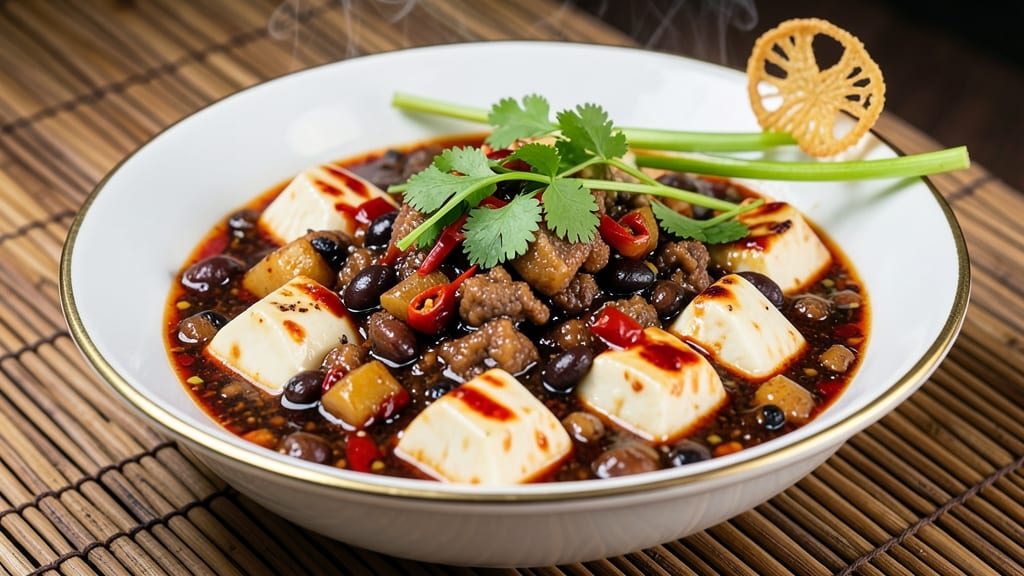
This Amoy mapo tofu sauce delivers the bold, fermented heat of Sichuan cuisine with its signature umami depth and silky texture. The secret lies in fermented shrimp paste—its salty, funky aroma—paired with chili oil and doubanjiang for that signature fiery yet balanced flavor profile that clings to every bite.
Unlike traditional mapo tofu, this sauce version lets you control the heat intensity while keeping the dish's signature richness intact.
What makes this sauce stand out is its versatility—use it as a stir-fry base for tofu, noodles, or even grilled meats, or drizzle it over rice for an instant flavor boost.
The key ingredients like fermented black beans and ground pork (or vegetarian substitute) add layers of complexity, while the slow-cooked chili oil ensures a smooth, silky-smooth consistency that coats ingredients perfectly.
Traditional versions rely on fresh ingredients, but this recipe includes storage tips to keep the sauce fresh for up to a week in the fridge.
The sauce achieves its perfect balance of heat and umami through a two-step cooking process: first toasting the aromatics until fragrant, then simmering the sauce until it thickens into a glossy, sticky-smooth sauce.
The fermented shrimp paste delivers that unmistakable Amoy depth, while the chili oil adds a smoky, fiery kick that lingers. Whether you're making it for a weeknight stir-fry or prepping for a meal ahead, this sauce transforms simple ingredients into something extraordinary.
For those who prefer modern variations, you can adjust the heat level by reducing the chili oil or substituting with a milder chili paste. The sauce also pairs beautifully with steamed dumplings, roasted vegetables, or even as a marinade for grilled proteins.
Once you taste the difference between this homemade version and store-bought, you'll never go back.
Ingredients for amoy mapo tofu sauce
Eleven essential ingredients transform into a complex, umami-rich Amoy mapo tofu sauce with Sichuan heat.
| Ingredient | Amount | Notes |
|---|---|---|
| Fermented Shrimp Paste (Kapi) 🦐 | 2 tbsp | Authentic Amoy brand preferred |
| Doubanjiang (Fermented Chili Bean Paste) 🌶️ | 2 tbsp | Spicy variety for authentic heat |
| Sichuan Chili Oil 🫒 | 2 tbsp | Homemade or store-bought |
| Fermented Black Beans 🍫 | ½ cup | Rinsed to reduce saltiness |
| Ground Pork (or Mushroom for Vegetarian) 🥓 | ½ lb | Lean ground pork preferred |
| Light Soy Sauce 🥢 | ¼ cup | Kikkoman preferred |
| Dark Soy Sauce 🥢 | 1 tbsp | For color depth |
| Shaoxing Wine 🍷 | 1 tbsp | Or dry sherry substitute |
| Garlic Cloves 🧄 | 6 cloves | Minced for aromatic depth |
| Fresh Ginger 🌿 | 1 tbsp | Finely grated, peeled |
| Sichuan Peppercorns 🌶️ | 1 tsp | Lightly toasted for aroma |
| Green Onions 🧅 | 2 whole | White and green parts separated |
| Sesame Oil 🫒 | 1 tsp | For finishing aroma |
| Water 💧 | ½ cup | Adjust for desired consistency |
The fermented shrimp paste and doubanjiang are non-negotiable for authentic Amoy depth. Look for authentic brands at Asian markets—Lee Kum Kee or Golden Boy for shrimp paste, and Hainiu or Lao Gan Ma for doubanjiang. The Sichuan chili oil should have visible chili flakes and a smoky aroma. If using vegetarian, shiitake mushrooms mimic pork's texture best when finely minced. For the soy sauces, Kikkoman light soy provides the clean umami base while dark soy adds that signature glossy sheen. Toast your Sichuan peppercorns in a dry pan until fragrant—this releases their signature numbing aroma.
No fermented shrimp paste? Miso paste or anchovy paste provides umami depth, though results won't be identical. Substitute doubanjiang with gochujang plus a pinch of MSG for heat and umami. For the pork, ground turkey or lentils work in a pinch—just adjust cooking time. Shaoxing wine unavailable? Dry sherry or even rice vinegar adds acidity. The garlic and ginger should be finely minced to dissolve completely during cooking. For extra heat control, reduce chili oil by half or use milder chili paste. The green onions are best added at the end—separate the white parts for cooking and save the greens for garnish.
This sauce develops deeper flavor over time—reheat gently on low heat, stirring constantly. Keeps 5-7 days refrigerated in an airtight container with a thin layer of oil on top to preserve freshness. For longer storage, freeze in ice cube trays—perfect for single-use portions. The sauce thickens as it cools, so add water gradually if needed. Always taste before serving—adjust salt with light soy sauce or heat with extra chili oil. The perfect sauce should be silky-smooth with balanced heat, not overly thick or watery.
Why You'll Love This Recipe
- One-Pot Magic: I swear by this recipe—just toss everything into one pan (tofu, pork, fermented black beans, that funky kapi), stir, and let the doubanjiang work its umami magic. No chopping, no fuss, and honestly? The cleanup is just rinsing one pan. That’s my kind of cooking.
- Umami Bomb: Between us, the kapi and doubanjiang are where it’s at—deep, salty, slightly funky, and so satisfying. Add the Sichuan chili oil at the end, and suddenly you’ve got a sauce that’s spicy, smoky, and addictive in the best way. My vegetarian friends swap in mushrooms, but they still fight me for seconds.
- Budget Stretch: Fermented black beans and shrimp paste might sound fancy, but they’re cheap and go a long way. A little goes far, and you can stretch this into multiple meals without breaking the bank. Plus, mushrooms are a dollar a bag—so vegetarian versions are just as easy on the wallet. Solid, reliable, and my secret weapon for feeding the family well.
Step-by-step instructions for Amoy mapo tofu sauce
Master this iconic sauce where fermented shrimp paste delivers umami depth while Sichuan peppercorns create signature tingling heat.
Bloom the Aromatics with Fermented Pastes
Heat a wok or heavy skillet over medium-high heat until smoking. Add the 2 tablespoons fermented shrimp paste (kapi) and 2 tablespoons doubanjiang immediately - their oils will begin sizzling within seconds. Stir constantly for 1-2 minutes until the pastes darken to a deep mahogany color and release their complex, funky aromas.
This is where the magic happens: the shrimp paste's umami compounds caramelize while the doubanjiang's chili oils infuse the pan. If you smell burning rather than nutty, reduce heat slightly but maintain active stirring. The paste should coat the bottom evenly - this creates your flavor foundation.
Develop the Sauce Base with Black Beans and Protein
Add the 0.5 cup rinsed fermented black beans and 0.5 lb ground pork (or mushrooms for vegetarian), stirring to combine. Cook for 3-4 minutes until the pork loses its raw color and the black beans soften slightly. Push the mixture to one side of the pan and add 2 tablespoons Sichuan chili oil.
Let the chili oil heat for 30 seconds until it shimmers - this activates its capsaicin before you incorporate it. Then pour the 0.25 cup light soy sauce and 1 tablespoon dark soy sauce over the mixture. The dark soy will immediately begin to bubble and darken, signaling proper heat application. Stir well to distribute the sauce evenly.
Build Depth with Aromatics and Liquids
Add the 6 minced garlic cloves, 1 tablespoon grated ginger, and 1 teaspoon lightly toasted Sichuan peppercorns. Stir-fry for 1 minute until the garlic turns golden and the ginger becomes fragrant. Pour in the 1 tablespoon Shaoxing wine and 0.5 cup water, scraping up any browned bits from the pan's bottom.
Bring to a gentle simmer, then reduce heat to medium-low. Let the sauce reduce for 8-10 minutes until it thickens to a glossy consistency that coats the back of a spoon. The sauce should smell intensely of fermented shrimp, chili, and soy - this is your quality checkpoint. If it's too thick, add 1 tablespoon water at a time until balanced.
Finish with Signature Textures and Aromas
Remove from heat and stir in the 1 teaspoon sesame oil. This final addition lifts all the flavors while adding nutty aroma. Separate the 2 whole green onions into whites and greens. Sauté the white parts in the sauce for 30 seconds to infuse their mild onion flavor, then set aside. The green onion tops should remain raw for garnish and fresh contrast.
For authentic texture, fold in 1 cup cubed soft tofu (not provided in ingredients as it's typically added separately) at the end. The sauce should cling to the tofu while maintaining its silky sheen. Serve immediately over steamed rice, allowing diners to experience the sauce's complex layers - the initial funk of shrimp paste, the creamy soy depth, and the persistent Sichuan peppercorn tingle.
Pro Tips For Making Amoy Mapo Tofu Sauce
- Bloom the Doubanjiang: Stir it into the hot oil first, then let it sizzle for 30 seconds before adding anything else. I learned this the hard way—skipping this step means you’ll just be stirring in powdered chili paste, not developing that deep, nutty aroma that makes the sauce sing. (Yes, even if you’re impatient like me.)
- Toast the Fermented Black Beans: Dry-fry them in the same pan after the pork’s cooked, until they’re fragrant and slightly darkened—about 2 minutes. This isn’t just for color; it turns their bitterness into a smoky sweetness that balances the heat. Skip it, and you’ll taste the raw bean flavor lurking in the background.
- Control the Kapi Heat: Add the fermented shrimp paste last, when the sauce is already simmering, and let it cook for just 30 seconds. Too early, and you’ll burn it, turning the sauce bitter. Too late, and the shrimp flavor gets lost in the crowd. Think of it like a shy guest—introduce it at the right moment.
- Simmer, Don’t Boil: Once everything’s combined, drop the heat to a gentle simmer and let it thicken for 5 minutes. I used to rush this, and the sauce would either split or taste raw. A low simmer lets the starches in the doubanjiang and black beans bind properly—no stirring required after the first minute. (Your future self will thank you.)
Common mistakes when making your amoy mapo tofu sauce
Overcooking the Pastes
The fermented shrimp paste and doubanjiang are delicate—cooking them too long turns their rich umami flavors bitter. I’ve ruined batches by letting them burn while stirring, so always keep heat at medium-high and stir constantly for just 1-2 minutes.
Watch for that deep mahogany color and nutty aroma—those are your cues to move on. If you smell burning instead, reduce heat immediately. 🔥
Skipping the Bloom Step
Many home cooks rush past the critical "blooming" phase where the pastes release their oils and aromas. Skipping this step means your sauce will taste flat and lack depth.
Let the shrimp paste and doubanjiang sizzle until they darken and coat the pan evenly—this builds the sauce’s foundation. I promise you’ll notice the difference in flavor complexity. ⚡
Ignoring the Water Content
This sauce needs precise liquid balance to achieve that signature silky texture. Adding too much water makes it watery, while too little results in a thick, gloopy mess. Start with 0.5 cup water and adjust gradually—1 tablespoon at a time—while tasting.
The sauce should coat the back of a spoon but remain pourable. I’ve learned this the hard way after making sauce that was either too thin to cling or too thick to drizzle. 💧
Undercooking the Protein
Ground pork (or mushrooms) must be fully cooked to avoid a raw, rubbery texture in your sauce. Cook it for 3-4 minutes until it loses its raw color and becomes opaque.
Undercooked protein adds unpleasant textures and can even make the sauce taste metallic. For mushrooms, ensure they’re tender but not mushy—5-6 minutes usually does the trick. 🍄
Adding Green Onions Too Early
Green onions are best added at the very end to preserve their fresh, crisp texture. Cooking them too long turns them bitter and mushy. Separate the whites and greens—sauté just the whites for 30 seconds to infuse flavor, then set aside.
The greens should remain raw for garnish, adding a bright contrast to the rich sauce. Trust me, this small detail makes a huge difference. 🧅
Not Tasting as You Go
Sauces develop flavors gradually, so constant tasting is key. Adjust seasoning with light soy sauce for saltiness or extra chili oil for heat as needed. I’ve made batches that were either too salty or bland because I didn’t taste-test.
Aim for a balance of funky shrimp paste, umami soy, and lingering Sichuan peppercorn heat. The perfect sauce should make your taste buds dance! 💫
Nutrition facts
Frequently asked questions
Can I make this sauce without fermented shrimp paste?
Yes, but expect a different flavor profile. Substitute with 1 tbsp miso paste or 1 tbsp anchovy paste for umami depth. The sauce will taste more savory than funky, but still delicious. For a vegetarian version, use 1 tbsp soy sauce plus 1 tsp mushroom powder to mimic the fermented depth.
How do I adjust the heat level in this sauce?
For milder heat, reduce the Sichuan chili oil to 1 tbsp instead of 2 tbsp and omit the Sichuan peppercorns. For extra spice, add 1 tsp chili flakes or 1 tsp extra doubanjiang. Always taste as you go—this sauce builds heat gradually.
Can I use this sauce for dishes other than tofu?
This versatile sauce works beautifully with noodles, grilled meats, or even as a dipping sauce for dumplings. Try drizzling it over steamed rice or using it as a marinade for chicken or pork. The key is to balance its richness with lighter ingredients.
Why does my sauce look too thick after cooking?
This happens when the sauce reduces too much. Add 1 tbsp water at a time while stirring until it reaches a glossy, pourable consistency. The sauce should coat the back of a spoon but remain smooth. If it's still too thick, simmer uncovered for 2-3 minutes to evaporate excess moisture.
How long will this sauce keep in the fridge?
Store in an airtight container with a thin layer of oil on top to preserve freshness. It stays best for 5-7 days in the fridge. For longer storage, freeze in ice cube trays—perfect for single-use portions. Thaw overnight in the fridge before reheating gently.